T
Texas Instruments
| Series | Category | # Parts | Status | Description |
|---|---|---|---|---|
| Part | Spec A | Spec B | Spec C | Spec D | Description |
|---|---|---|---|---|---|



| Series | Category | # Parts | Status | Description |
|---|---|---|---|---|
| Part | Spec A | Spec B | Spec C | Spec D | Description |
|---|---|---|---|---|---|
| Part | Category | Description |
|---|---|---|
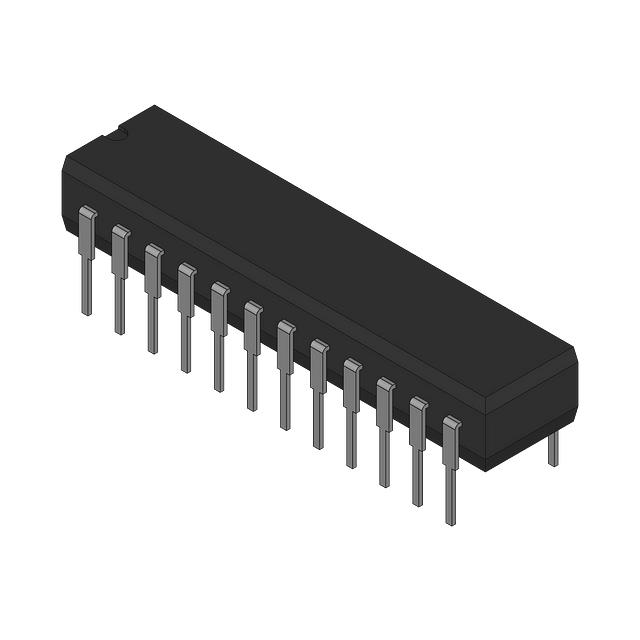 Texas Instruments | Integrated Circuits (ICs) | BUS DRIVER, BCT/FBT SERIES |
 Texas Instruments | Integrated Circuits (ICs) | 12BIT 3.3V~3.6V 210MHZ PARALLEL VQFN-48-EP(7X7) ANALOG TO DIGITAL CONVERTERS (ADC) ROHS |
Texas Instruments | Integrated Circuits (ICs) | TMX320DRE311 179PIN UBGA 200MHZ |
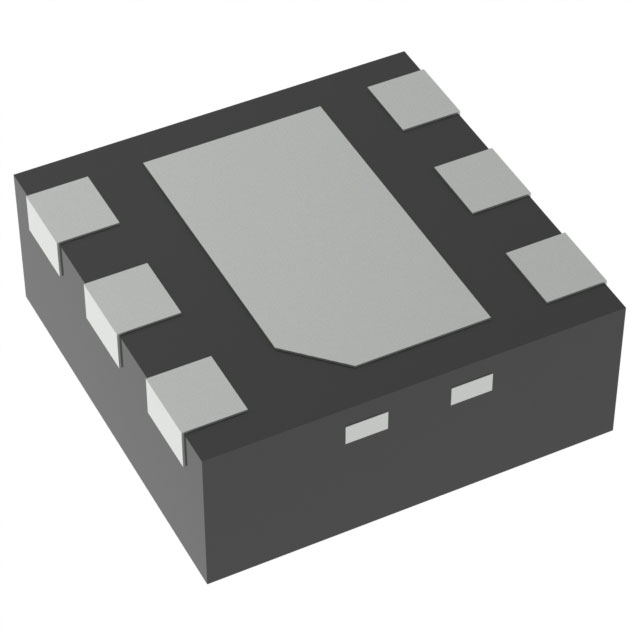 Texas Instruments TPS61040DRVTG4Unknown | Integrated Circuits (ICs) | IC LED DRV RGLTR PWM 350MA 6WSON |
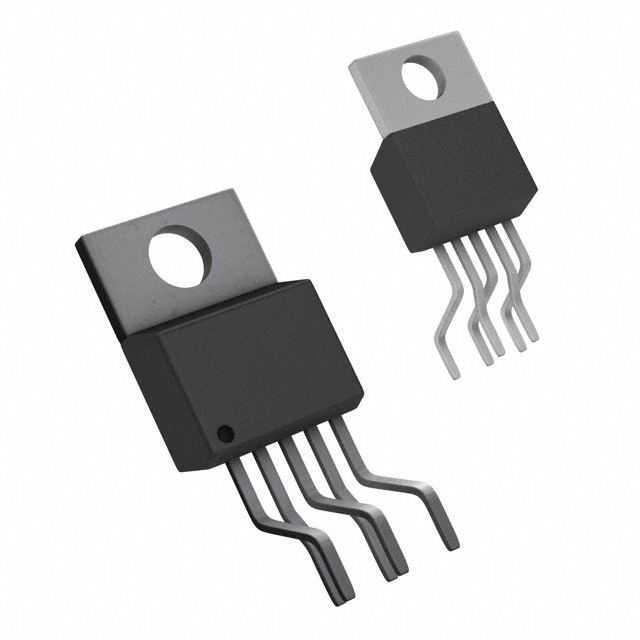 Texas Instruments LP3876ET-2.5Obsolete | Integrated Circuits (ICs) | IC REG LINEAR 2.5V 3A TO220-5 |
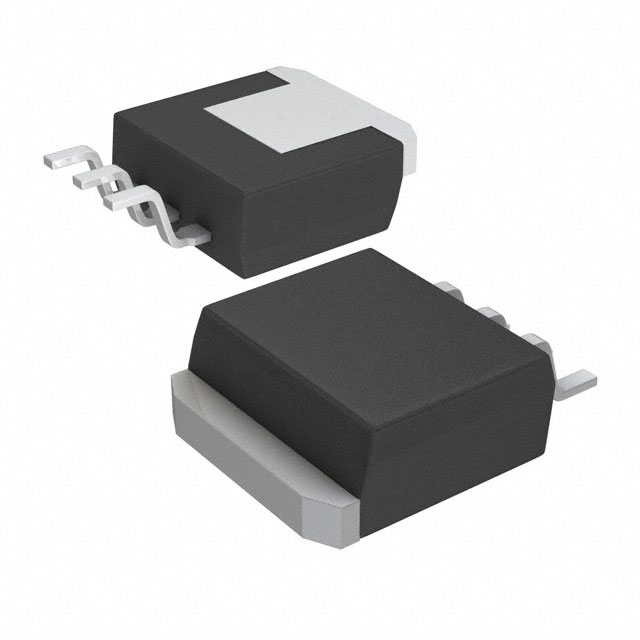 Texas Instruments LMS1585ACSX-ADJObsolete | Integrated Circuits (ICs) | IC REG LIN POS ADJ 5A DDPAK |
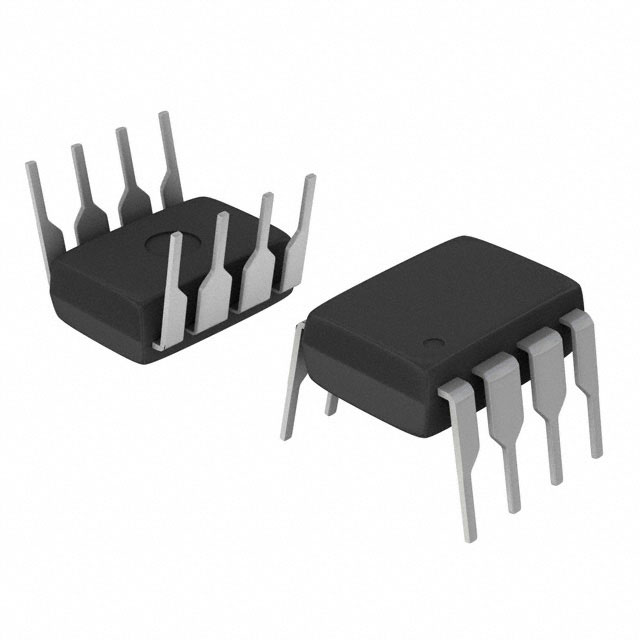 Texas Instruments INA111APG4Obsolete | Integrated Circuits (ICs) | IC INST AMP 1 CIRCUIT 8DIP |
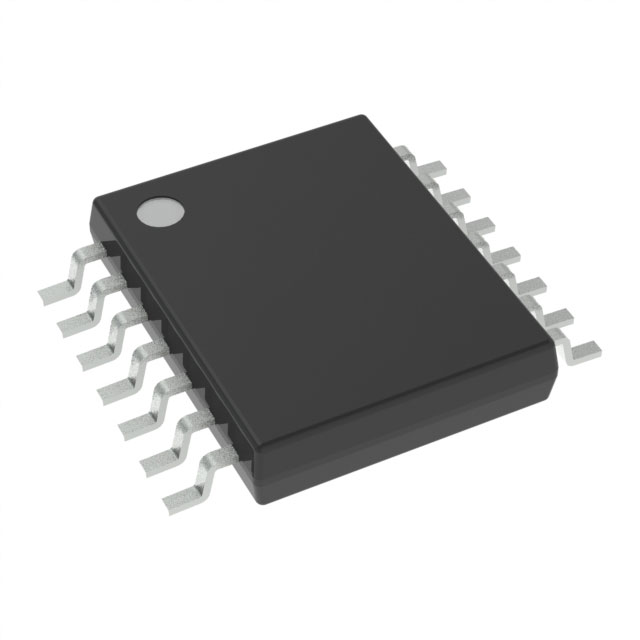 Texas Instruments | Integrated Circuits (ICs) | AUTOMOTIVE, QUAD 36V 1.2MHZ OPERATIONAL AMPLIFIER |
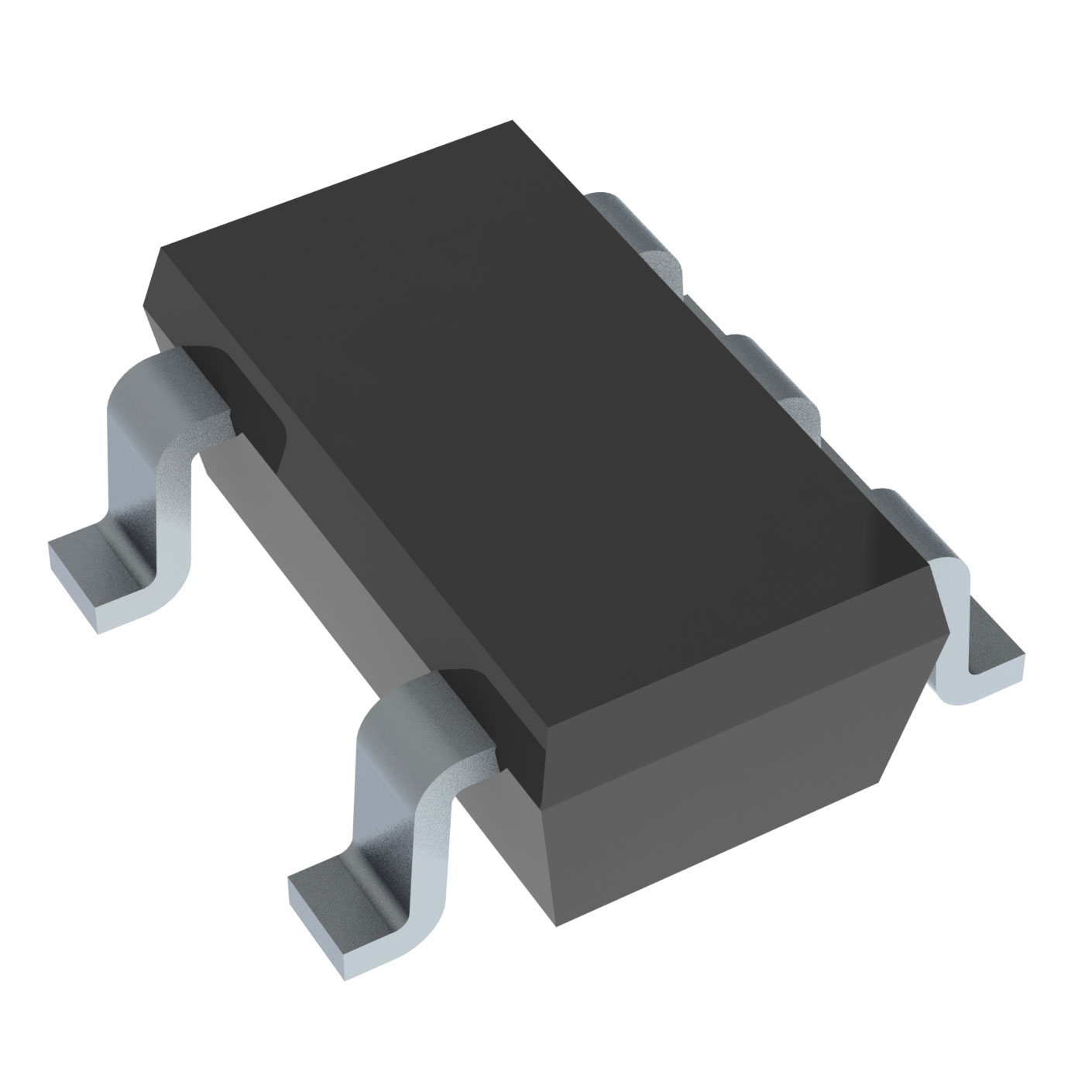 Texas Instruments OPA340NA/3KG4Unknown | Integrated Circuits (ICs) | IC OPAMP GP 1 CIRCUIT SOT23-5 |
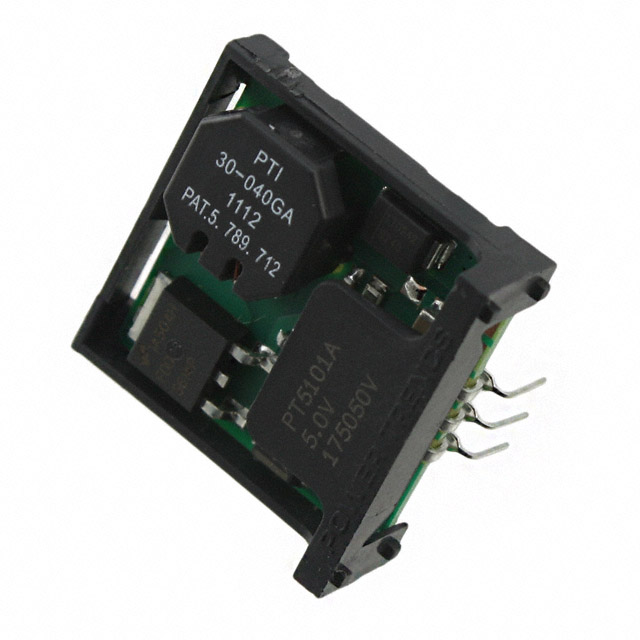 Texas Instruments PT5112AObsolete | Power Supplies - Board Mount | DC DC CONVERTER 8V 8W |
| Series | Category | # Parts | Status | Description |
|---|---|---|---|---|
SN75LVDS9637High-speed differential line receivers | Drivers, Receivers, Transceivers | 1 | Active | The SN75LVDS32 and SN75LVDS9637 are differential line receivers that implement the electrical characteristics of low-voltage differential signaling (LVDS). This signaling technique lowers the output voltage levels of 5-V differential standard levels (such as EIA/TIA-422B) to reduce the power, increase the switching speeds, and allow operation with a 3.3-V supply rail. Any of the four differential receivers provides a valid logical output state with a ±100 mV allow operation with a differential input voltage within the input common-mode voltage range. The input common-mode voltage range allows 1 V of ground potential difference between two LVDS nodes.
The intended application of these devices and signaling technique is both point-to-point and multidrop (one driver and multiple receivers) data transmission over controlled impedance media of approximately 100. The transmission media may be printed-circuit board traces, backplanes, or cables. The ultimate rate and distance of data transfer is dependent upon the attenuation characteristics of the media and the noise coupling to the environment.
The SN75LVDS32 and SN75LVDS9637 are characterized for operation from 0°C to 70°C.
The SN75LVDS32 and SN75LVDS9637 are differential line receivers that implement the electrical characteristics of low-voltage differential signaling (LVDS). This signaling technique lowers the output voltage levels of 5-V differential standard levels (such as EIA/TIA-422B) to reduce the power, increase the switching speeds, and allow operation with a 3.3-V supply rail. Any of the four differential receivers provides a valid logical output state with a ±100 mV allow operation with a differential input voltage within the input common-mode voltage range. The input common-mode voltage range allows 1 V of ground potential difference between two LVDS nodes.
The intended application of these devices and signaling technique is both point-to-point and multidrop (one driver and multiple receivers) data transmission over controlled impedance media of approximately 100. The transmission media may be printed-circuit board traces, backplanes, or cables. The ultimate rate and distance of data transfer is dependent upon the attenuation characteristics of the media and the noise coupling to the environment.
The SN75LVDS32 and SN75LVDS9637 are characterized for operation from 0°C to 70°C. |
SN75LVDS9638High-speed differential line drivers | Drivers, Receivers, Transceivers | 1 | Active | The SN75LVDS31 and SN75LVDS9638 are differential line drivers that implement the electrical characteristics of low-voltage differential signaling (LVDS). This signaling technique lowers the output voltage levels of 5-V differential standard levels (such as TIA/EIA-422B) to reduce the power, increase the switching speeds, and allow operation with a 3.3-V supply rail. Any of the four current-mode drivers will deliver a minimum differential output voltage magnitude of 247 mV into a 100-load when enabled.
The intended application of these devices and signaling technique is for point-to-point baseband data transmission over controlled impedance media of approximately 100. The transmission media may be printed-circuit board traces, backplanes, or cables. The ultimate rate and distance of data transfer is dependent upon the attenuation characteristics of the media and the noise coupling to the environment.
The SN75LVDS31 and SN75LVDS9638 are characterized for operation from 0°C to 70°C.
The SN75LVDS31 and SN75LVDS9638 are differential line drivers that implement the electrical characteristics of low-voltage differential signaling (LVDS). This signaling technique lowers the output voltage levels of 5-V differential standard levels (such as TIA/EIA-422B) to reduce the power, increase the switching speeds, and allow operation with a 3.3-V supply rail. Any of the four current-mode drivers will deliver a minimum differential output voltage magnitude of 247 mV into a 100-load when enabled.
The intended application of these devices and signaling technique is for point-to-point baseband data transmission over controlled impedance media of approximately 100. The transmission media may be printed-circuit board traces, backplanes, or cables. The ultimate rate and distance of data transfer is dependent upon the attenuation characteristics of the media and the noise coupling to the environment.
The SN75LVDS31 and SN75LVDS9638 are characterized for operation from 0°C to 70°C. |
SN75LVDT1422Full-duplex serializer & deserializer | Integrated Circuits (ICs) | 1 | Obsolete | The SN75LVDT1422 Full Duplex Serializer/Deserializer incorporates a 14-bit serializer and a 14-bit deserializer. Operation of the serializer is independent of the operation of the deserializer. The 14-bit serializer accepts 14 TTL input lines and generates 2 LVDS high-speed serial streams plus one LVDS clock signal. The 14-bit deserializer accepts 3 LVDS input signals (2 high-speed serial streams and one LVDS clock signal) and drives out 14 TTL data signals plus one TTL clock.
The serializer loads 14 data bits into registers upon the rising or falling edge of the input clock signal (CLK IN). Rising or falling edge operation can be selected via the R/F select pin for the transmitter only. The frequency of CLK IN is multiplied seven times and then used to unload the data registers in 7-bit slices. The two high-speed serial streams and a phase-locked clock (TCLK±) are then output to LVDS output drivers. The frequency of TCLK± is the same as the input clock, CLK IN.
The deserializer accepts data on two high-speed LVDS data lines. High-speed data is received and loaded into registers at the rate seven times the LVDS input clock (RCLK±). The data is then unloaded to a 14-bit wide LVTTL parallel bus at the RCLK± rate. The SN75LVDT1422 presents valid data on the falling edge of the output clock (CLK OUT).
The SN75LVDT1422 provides three termination resistors for the differential LVDS inputs thus minimizing cost, and board space, while providing better overall signal integrity (SI). The data bus appears the same at the input to the transmitter and output of the receiver with the data transmission transparent to the user(s). The only user interventions are as follows:
Possible use of the TX ENABLE and RX ENABLE feature. Both the TX and RX ENABLE circuits are active-high inputs that independently enable the serializer and deserializer. When TX is disabled, the LVDS outputs go to high impedance. When RX is disabled, the TTL outputs go to a known low state.
The SN75LVDT1422 is characterized for operation over the free-air temperature range of -10°C to 70°C.
The SN75LVDT1422 Full Duplex Serializer/Deserializer incorporates a 14-bit serializer and a 14-bit deserializer. Operation of the serializer is independent of the operation of the deserializer. The 14-bit serializer accepts 14 TTL input lines and generates 2 LVDS high-speed serial streams plus one LVDS clock signal. The 14-bit deserializer accepts 3 LVDS input signals (2 high-speed serial streams and one LVDS clock signal) and drives out 14 TTL data signals plus one TTL clock.
The serializer loads 14 data bits into registers upon the rising or falling edge of the input clock signal (CLK IN). Rising or falling edge operation can be selected via the R/F select pin for the transmitter only. The frequency of CLK IN is multiplied seven times and then used to unload the data registers in 7-bit slices. The two high-speed serial streams and a phase-locked clock (TCLK±) are then output to LVDS output drivers. The frequency of TCLK± is the same as the input clock, CLK IN.
The deserializer accepts data on two high-speed LVDS data lines. High-speed data is received and loaded into registers at the rate seven times the LVDS input clock (RCLK±). The data is then unloaded to a 14-bit wide LVTTL parallel bus at the RCLK± rate. The SN75LVDT1422 presents valid data on the falling edge of the output clock (CLK OUT).
The SN75LVDT1422 provides three termination resistors for the differential LVDS inputs thus minimizing cost, and board space, while providing better overall signal integrity (SI). The data bus appears the same at the input to the transmitter and output of the receiver with the data transmission transparent to the user(s). The only user interventions are as follows:
Possible use of the TX ENABLE and RX ENABLE feature. Both the TX and RX ENABLE circuits are active-high inputs that independently enable the serializer and deserializer. When TX is disabled, the LVDS outputs go to high impedance. When RX is disabled, the TTL outputs go to a known low state.
The SN75LVDT1422 is characterized for operation over the free-air temperature range of -10°C to 70°C. |
SN75LVDT386250-Mbps 16-channel LVDS receiver with flow-through pinout | Integrated Circuits (ICs) | 2 | Active | This family of 4-, 8-, or 16-differential line receivers (with optional integrated termination) implements the electrical characteristics of low-voltage differential signaling (LVDS). This signaling technique lowers the output voltage levels of 5-V differential standard levels (such as EIA/TIA-422B) to reduce the power, increase the switching speeds, and allow operation with a 3-V supply rail.
Any of the differential receivers provides a valid logical output state with a ±100-mV differential input voltage within the input common-mode voltage range. The input common-mode voltage range allows 1 V of ground potential difference between two LVDS nodes. Additionally, the high-speed switching of LVDS signals almost always requires the use of a line impedance matching resistor at the receiving end of the cable or transmission media. The LVDT products eliminate this external resistor by integrating it with the receiver.
The intended application of this device and signaling technique is for point-to-point baseband data transmission over controlled impedance media of approximately 100 Ω. The transmission media may be printed-circuit board traces, backplanes, or cables. The large number of receivers integrated into the same substrate along with the low pulse skew of balanced signaling, allows extremely precise timing alignment of clock and data for synchronous parallel data transfers. When used with its companion, the 8- or 16-channel driver (the SN65LVDS389 or SN65LVDS387, respectively), over 200 million data transfers per second in single-edge clocked systems are possible with little power.
The ultimate rate and distance of data transfer depends on the attenuation characteristics of the media, the noise coupling to the environment, and other system characteristics.
This family of 4-, 8-, or 16-differential line receivers (with optional integrated termination) implements the electrical characteristics of low-voltage differential signaling (LVDS). This signaling technique lowers the output voltage levels of 5-V differential standard levels (such as EIA/TIA-422B) to reduce the power, increase the switching speeds, and allow operation with a 3-V supply rail.
Any of the differential receivers provides a valid logical output state with a ±100-mV differential input voltage within the input common-mode voltage range. The input common-mode voltage range allows 1 V of ground potential difference between two LVDS nodes. Additionally, the high-speed switching of LVDS signals almost always requires the use of a line impedance matching resistor at the receiving end of the cable or transmission media. The LVDT products eliminate this external resistor by integrating it with the receiver.
The intended application of this device and signaling technique is for point-to-point baseband data transmission over controlled impedance media of approximately 100 Ω. The transmission media may be printed-circuit board traces, backplanes, or cables. The large number of receivers integrated into the same substrate along with the low pulse skew of balanced signaling, allows extremely precise timing alignment of clock and data for synchronous parallel data transfers. When used with its companion, the 8- or 16-channel driver (the SN65LVDS389 or SN65LVDS387, respectively), over 200 million data transfers per second in single-edge clocked systems are possible with little power.
The ultimate rate and distance of data transfer depends on the attenuation characteristics of the media, the noise coupling to the environment, and other system characteristics. |
SN75LVDT388A250-Mbps octal LVDS receiver | Interface | 3 | Active | This family of 4-, 8-, or 16-differential line receivers (with optional integrated termination) implements the electrical characteristics of low-voltage differential signaling (LVDS). This signaling technique lowers the output voltage levels of 5-V differential standard levels (such as EIA/TIA-422B) to reduce the power, increase the switching speeds, and allow operation with a 3-V supply rail.
Any of the differential receivers provides a valid logical output state with a ±100-mV differential input voltage within the input common-mode voltage range. The input common-mode voltage range allows 1 V of ground potential difference between two LVDS nodes. Additionally, the high-speed switching of LVDS signals almost always requires the use of a line impedance matching resistor at the receiving end of the cable or transmission media. The LVDT products eliminate this external resistor by integrating it with the receiver.
The intended application of this device and signaling technique is for point-to-point baseband data transmission over controlled impedance media of approximately 100 Ω. The transmission media may be printed-circuit board traces, backplanes, or cables. The large number of receivers integrated into the same substrate along with the low pulse skew of balanced signaling, allows extremely precise timing alignment of clock and data for synchronous parallel data transfers. When used with its companion, the 8- or 16-channel driver (the SN65LVDS389 or SN65LVDS387, respectively), over 200 million data transfers per second in single-edge clocked systems are possible with little power.
The ultimate rate and distance of data transfer depends on the attenuation characteristics of the media, the noise coupling to the environment, and other system characteristics.
This family of 4-, 8-, or 16-differential line receivers (with optional integrated termination) implements the electrical characteristics of low-voltage differential signaling (LVDS). This signaling technique lowers the output voltage levels of 5-V differential standard levels (such as EIA/TIA-422B) to reduce the power, increase the switching speeds, and allow operation with a 3-V supply rail.
Any of the differential receivers provides a valid logical output state with a ±100-mV differential input voltage within the input common-mode voltage range. The input common-mode voltage range allows 1 V of ground potential difference between two LVDS nodes. Additionally, the high-speed switching of LVDS signals almost always requires the use of a line impedance matching resistor at the receiving end of the cable or transmission media. The LVDT products eliminate this external resistor by integrating it with the receiver.
The intended application of this device and signaling technique is for point-to-point baseband data transmission over controlled impedance media of approximately 100 Ω. The transmission media may be printed-circuit board traces, backplanes, or cables. The large number of receivers integrated into the same substrate along with the low pulse skew of balanced signaling, allows extremely precise timing alignment of clock and data for synchronous parallel data transfers. When used with its companion, the 8- or 16-channel driver (the SN65LVDS389 or SN65LVDS387, respectively), over 200 million data transfers per second in single-edge clocked systems are possible with little power.
The ultimate rate and distance of data transfer depends on the attenuation characteristics of the media, the noise coupling to the environment, and other system characteristics. |
SN75LVDT390250-Mbps quad LVDS receiver with flow-through pinout | Drivers, Receivers, Transceivers | 3 | Active | This family of 4-, 8-, or 16-differential line receivers (with optional integrated termination) implements the electrical characteristics of low-voltage differential signaling (LVDS). This signaling technique lowers the output voltage levels of 5-V differential standard levels (such as EIA/TIA-422B) to reduce the power, increase the switching speeds, and allow operation with a 3-V supply rail.
Any of the differential receivers provides a valid logical output state with a ±100-mV differential input voltage within the input common-mode voltage range. The input common-mode voltage range allows 1 V of ground potential difference between two LVDS nodes. Additionally, the high-speed switching of LVDS signals almost always requires the use of a line impedance matching resistor at the receiving end of the cable or transmission media. The LVDT products eliminate this external resistor by integrating it with the receiver.
The intended application of this device and signaling technique is for point-to-point baseband data transmission over controlled impedance media of approximately 100 Ω. The transmission media may be printed-circuit board traces, backplanes, or cables. The large number of receivers integrated into the same substrate along with the low pulse skew of balanced signaling, allows extremely precise timing alignment of clock and data for synchronous parallel data transfers. When used with its companion, the 8- or 16-channel driver (the SN65LVDS389 or SN65LVDS387, respectively), over 200 million data transfers per second in single-edge clocked systems are possible with little power.
The ultimate rate and distance of data transfer depends on the attenuation characteristics of the media, the noise coupling to the environment, and other system characteristics.
This family of 4-, 8-, or 16-differential line receivers (with optional integrated termination) implements the electrical characteristics of low-voltage differential signaling (LVDS). This signaling technique lowers the output voltage levels of 5-V differential standard levels (such as EIA/TIA-422B) to reduce the power, increase the switching speeds, and allow operation with a 3-V supply rail.
Any of the differential receivers provides a valid logical output state with a ±100-mV differential input voltage within the input common-mode voltage range. The input common-mode voltage range allows 1 V of ground potential difference between two LVDS nodes. Additionally, the high-speed switching of LVDS signals almost always requires the use of a line impedance matching resistor at the receiving end of the cable or transmission media. The LVDT products eliminate this external resistor by integrating it with the receiver.
The intended application of this device and signaling technique is for point-to-point baseband data transmission over controlled impedance media of approximately 100 Ω. The transmission media may be printed-circuit board traces, backplanes, or cables. The large number of receivers integrated into the same substrate along with the low pulse skew of balanced signaling, allows extremely precise timing alignment of clock and data for synchronous parallel data transfers. When used with its companion, the 8- or 16-channel driver (the SN65LVDS389 or SN65LVDS387, respectively), over 200 million data transfers per second in single-edge clocked systems are possible with little power.
The ultimate rate and distance of data transfer depends on the attenuation characteristics of the media, the noise coupling to the environment, and other system characteristics. |
SN75LVPE3410PCIe® 3.0 8-Gbps 4-Channel Linear Redriver | Signal Buffers, Repeaters, Splitters | 1 | Active | The SN75LVPE3410 is a four channel low-power high-performance linear repeater or redriver designed to support PCI Express (PCIe™) Generation 1.0, 2.0 and 3.0.
The SN75LVPE3410 receivers deploy continuous time linear equalizers (CTLE) to provide a programmable high-frequency boost. The equalizer can open an input eye that is completely closed due to inter-symbol interference (ISI) induced by an interconnect medium, such as PCB traces. The CTLE receiver is followed by a linear output driver. The linear datapaths of SN75LVPE3410 preserve transmit preset signal characteristics. The linear redriver becomes part of the passive channel that as a whole get link trained for best transmit and receive equalization settings. This transparency in the link training protocol result in best electrical link and lowest possible latency. The programmable equalization of the device along with its linear datapaths maximizes the flexibility of physical placement within the interconnect channel and improves overall channel performance.
The programmable settings can be applied easily through software (SMBus or I 2C) or by using pin control.
The SN75LVPE3410 is a four channel low-power high-performance linear repeater or redriver designed to support PCI Express (PCIe™) Generation 1.0, 2.0 and 3.0.
The SN75LVPE3410 receivers deploy continuous time linear equalizers (CTLE) to provide a programmable high-frequency boost. The equalizer can open an input eye that is completely closed due to inter-symbol interference (ISI) induced by an interconnect medium, such as PCB traces. The CTLE receiver is followed by a linear output driver. The linear datapaths of SN75LVPE3410 preserve transmit preset signal characteristics. The linear redriver becomes part of the passive channel that as a whole get link trained for best transmit and receive equalization settings. This transparency in the link training protocol result in best electrical link and lowest possible latency. The programmable equalization of the device along with its linear datapaths maximizes the flexibility of physical placement within the interconnect channel and improves overall channel performance.
The programmable settings can be applied easily through software (SMBus or I 2C) or by using pin control. |
SN75LVPE44104-channel 16-Gbps linear redriver | Integrated Circuits (ICs) | 2 | Active | The SN75LVPE4410 is a four channel low-power high-performance linear repeater/redriver designed to support PCI Express (PCIe) Generation 1.0, 2.0, 3.0 and 4.0.
The SN75LVPE4410 receivers deploy continuous time linear equalizers (CTLE) to provide a programmable high-frequency boost. The equalizer can open an input eye that is completely closed due to inter-symbol interference (ISI) induced by an interconnect medium, such as PCB traces. The CTLE receiver is followed by a linear output driver. The linear datapaths of SN75LVPE4410 preserve transmit preset signal characteristics. The linear redriver becomes part of the passive channel that as a whole get link trained for best transmit and receive equalization settings. This transparency in the link training protocol result in best electrical link and lowest possible latency. The programmable equalization of the device along with its linear datapaths maximizes the flexibility of physical placement within the interconnect channel and improves overall channel performance.
The programmable settings can be applied easily through software (SMBus or I2C) or by using pin control.
The SN75LVPE4410 is a four channel low-power high-performance linear repeater/redriver designed to support PCI Express (PCIe) Generation 1.0, 2.0, 3.0 and 4.0.
The SN75LVPE4410 receivers deploy continuous time linear equalizers (CTLE) to provide a programmable high-frequency boost. The equalizer can open an input eye that is completely closed due to inter-symbol interference (ISI) induced by an interconnect medium, such as PCB traces. The CTLE receiver is followed by a linear output driver. The linear datapaths of SN75LVPE4410 preserve transmit preset signal characteristics. The linear redriver becomes part of the passive channel that as a whole get link trained for best transmit and receive equalization settings. This transparency in the link training protocol result in best electrical link and lowest possible latency. The programmable equalization of the device along with its linear datapaths maximizes the flexibility of physical placement within the interconnect channel and improves overall channel performance.
The programmable settings can be applied easily through software (SMBus or I2C) or by using pin control. |
SN75LVPE5412PCIe® 5.0 32-Gbps 4-channel linear redriver with integrated 1:2 demux | Interface | 2 | Active | The SN75LVPE5412 is a four channel linear redriver with integrated demultiplexer (demux). The low-power high-performance linear redriver is designed to support PCIe 5.0 and other interfaces up to 32Gbps.
The SN75LVPE5412 receivers deploy continuous time linear equalizers (CTLE) to provide a high-frequency boost. The equalizer can open an input eye that is completely closed due to inter-symbol interference (ISI) induced by an interconnect medium, such as PCB traces and cables. During PCIe link training the linear redriver along with the passive channel in between a Root Complex (RC) and Endpoint (EP) as a whole get trained for best transmit and receive equalization settings resulting in the best electrical link. Low channel to channel cross-talk, low additive jitter and excellent return loss allows the device to become almost a passive element in the link. The devices has internal linear voltage regulator to provide clean power supply for high speed data paths that provides high immunity to any supply noise on the board.
The SN75LVPE5412 implements high speed testing during production for reliable high volume manufacturing. The device also has low AC and DC gain variation providing consistent equalization in high volume platform deployment.
The SN75LVPE5412 is a four channel linear redriver with integrated demultiplexer (demux). The low-power high-performance linear redriver is designed to support PCIe 5.0 and other interfaces up to 32Gbps.
The SN75LVPE5412 receivers deploy continuous time linear equalizers (CTLE) to provide a high-frequency boost. The equalizer can open an input eye that is completely closed due to inter-symbol interference (ISI) induced by an interconnect medium, such as PCB traces and cables. During PCIe link training the linear redriver along with the passive channel in between a Root Complex (RC) and Endpoint (EP) as a whole get trained for best transmit and receive equalization settings resulting in the best electrical link. Low channel to channel cross-talk, low additive jitter and excellent return loss allows the device to become almost a passive element in the link. The devices has internal linear voltage regulator to provide clean power supply for high speed data paths that provides high immunity to any supply noise on the board.
The SN75LVPE5412 implements high speed testing during production for reliable high volume manufacturing. The device also has low AC and DC gain variation providing consistent equalization in high volume platform deployment. |
SN75LVPE5421PCIe® 5.0 32-Gbps 4-channel linear redriver with integrated 2:1 mux | Integrated Circuits (ICs) | 2 | Active | The SN75LVPE5421 is a four channel linear redriver with integrated multiplexer (mux). The low-power high-performance linear redriver is designed to support PCIe 5.0 and other interfaces up to 32Gbps.
The SN75LVPE5421 receivers deploy continuous time linear equalizers (CTLE) to provide a high-frequency boost. The equalizer can open an input eye that is completely closed due to inter-symbol interference (ISI) induced by an interconnect medium, such as PCB traces and cables. During PCIe link training the linear redriver along with the passive channel in between a Root Complex (RC) and Endpoint (EP) as a whole get trained for best transmit and receive equalization settings resulting in the best electrical link. Low channel to channel cross-talk, low additive jitter and excellent return loss allows the device to become almost a passive element in the link. The devices has internal linear voltage regulator to provide clean power supply for high speed data paths that provides high immunity to any supply noise on the board.
The SN75LVPE5421 implements high speed testing during production for reliable high volume manufacturing. The device also has low AC and DC gain variation providing consistent equalization in high volume platform deployment.
The SN75LVPE5421 is a four channel linear redriver with integrated multiplexer (mux). The low-power high-performance linear redriver is designed to support PCIe 5.0 and other interfaces up to 32Gbps.
The SN75LVPE5421 receivers deploy continuous time linear equalizers (CTLE) to provide a high-frequency boost. The equalizer can open an input eye that is completely closed due to inter-symbol interference (ISI) induced by an interconnect medium, such as PCB traces and cables. During PCIe link training the linear redriver along with the passive channel in between a Root Complex (RC) and Endpoint (EP) as a whole get trained for best transmit and receive equalization settings resulting in the best electrical link. Low channel to channel cross-talk, low additive jitter and excellent return loss allows the device to become almost a passive element in the link. The devices has internal linear voltage regulator to provide clean power supply for high speed data paths that provides high immunity to any supply noise on the board.
The SN75LVPE5421 implements high speed testing during production for reliable high volume manufacturing. The device also has low AC and DC gain variation providing consistent equalization in high volume platform deployment. |