T
Texas Instruments
| Series | Category | # Parts | Status | Description |
|---|---|---|---|---|
| Part | Spec A | Spec B | Spec C | Spec D | Description |
|---|---|---|---|---|---|



| Series | Category | # Parts | Status | Description |
|---|---|---|---|---|
| Part | Spec A | Spec B | Spec C | Spec D | Description |
|---|---|---|---|---|---|
| Part | Category | Description |
|---|---|---|
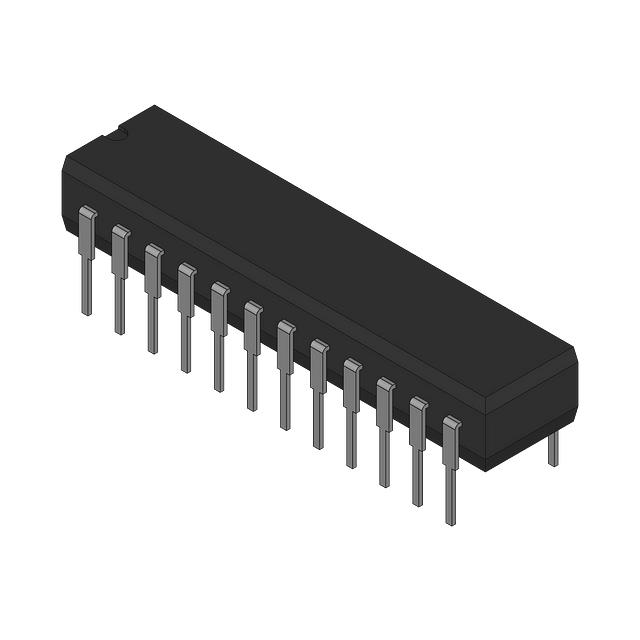 Texas Instruments | Integrated Circuits (ICs) | BUS DRIVER, BCT/FBT SERIES |
 Texas Instruments | Integrated Circuits (ICs) | 12BIT 3.3V~3.6V 210MHZ PARALLEL VQFN-48-EP(7X7) ANALOG TO DIGITAL CONVERTERS (ADC) ROHS |
Texas Instruments | Integrated Circuits (ICs) | TMX320DRE311 179PIN UBGA 200MHZ |
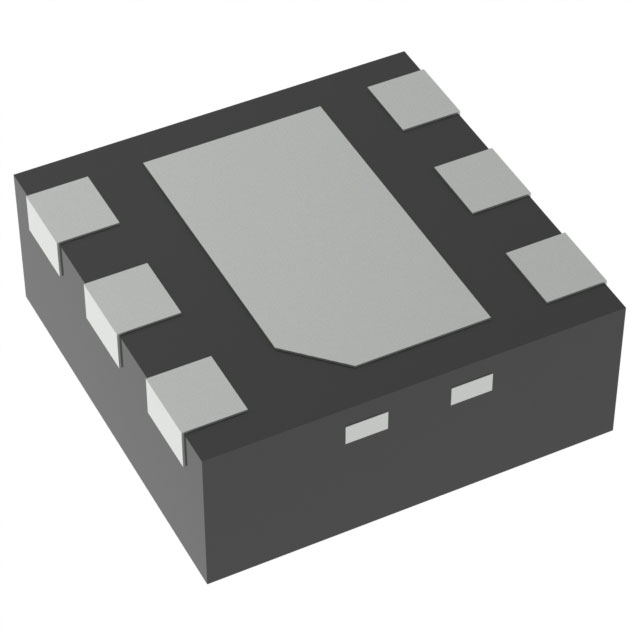 Texas Instruments TPS61040DRVTG4Unknown | Integrated Circuits (ICs) | IC LED DRV RGLTR PWM 350MA 6WSON |
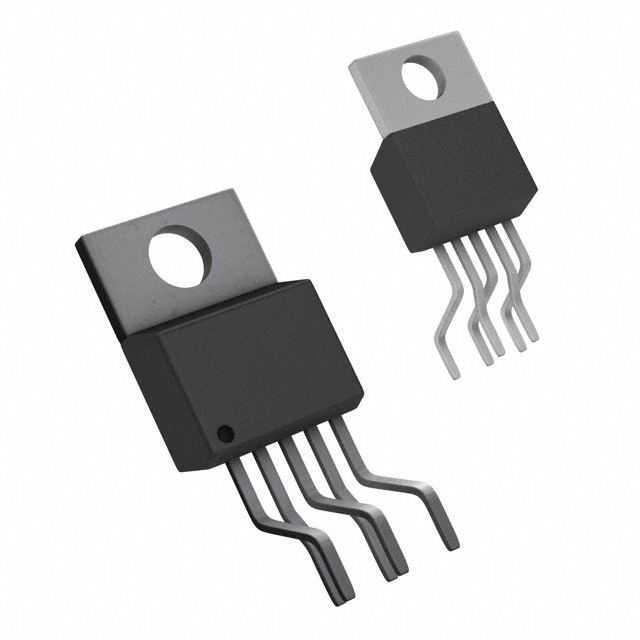 Texas Instruments LP3876ET-2.5Obsolete | Integrated Circuits (ICs) | IC REG LINEAR 2.5V 3A TO220-5 |
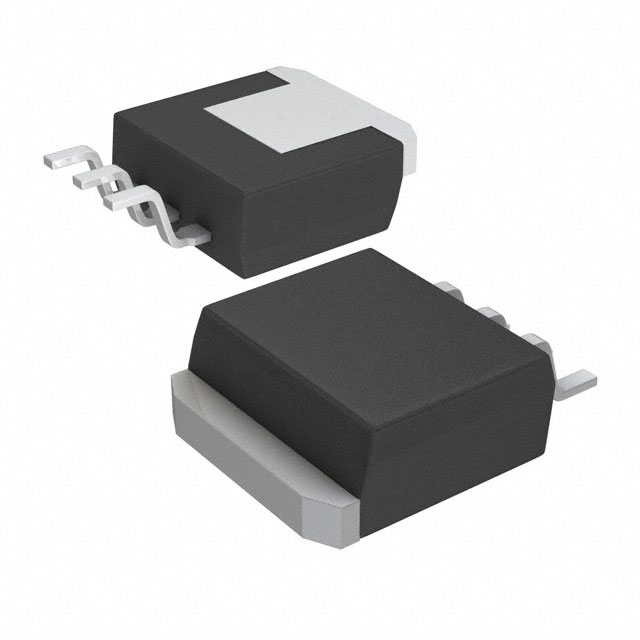 Texas Instruments LMS1585ACSX-ADJObsolete | Integrated Circuits (ICs) | IC REG LIN POS ADJ 5A DDPAK |
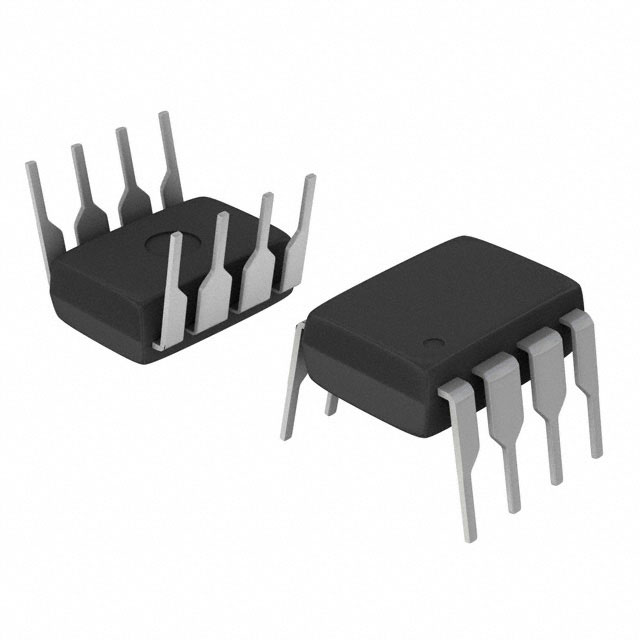 Texas Instruments INA111APG4Obsolete | Integrated Circuits (ICs) | IC INST AMP 1 CIRCUIT 8DIP |
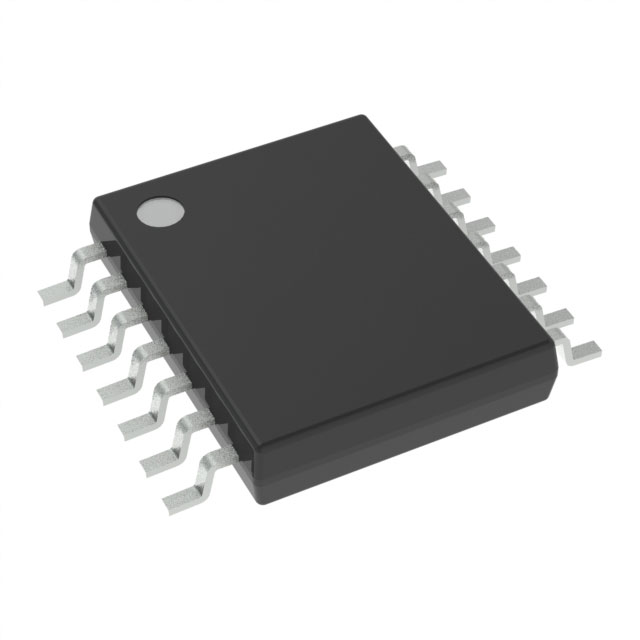 Texas Instruments | Integrated Circuits (ICs) | AUTOMOTIVE, QUAD 36V 1.2MHZ OPERATIONAL AMPLIFIER |
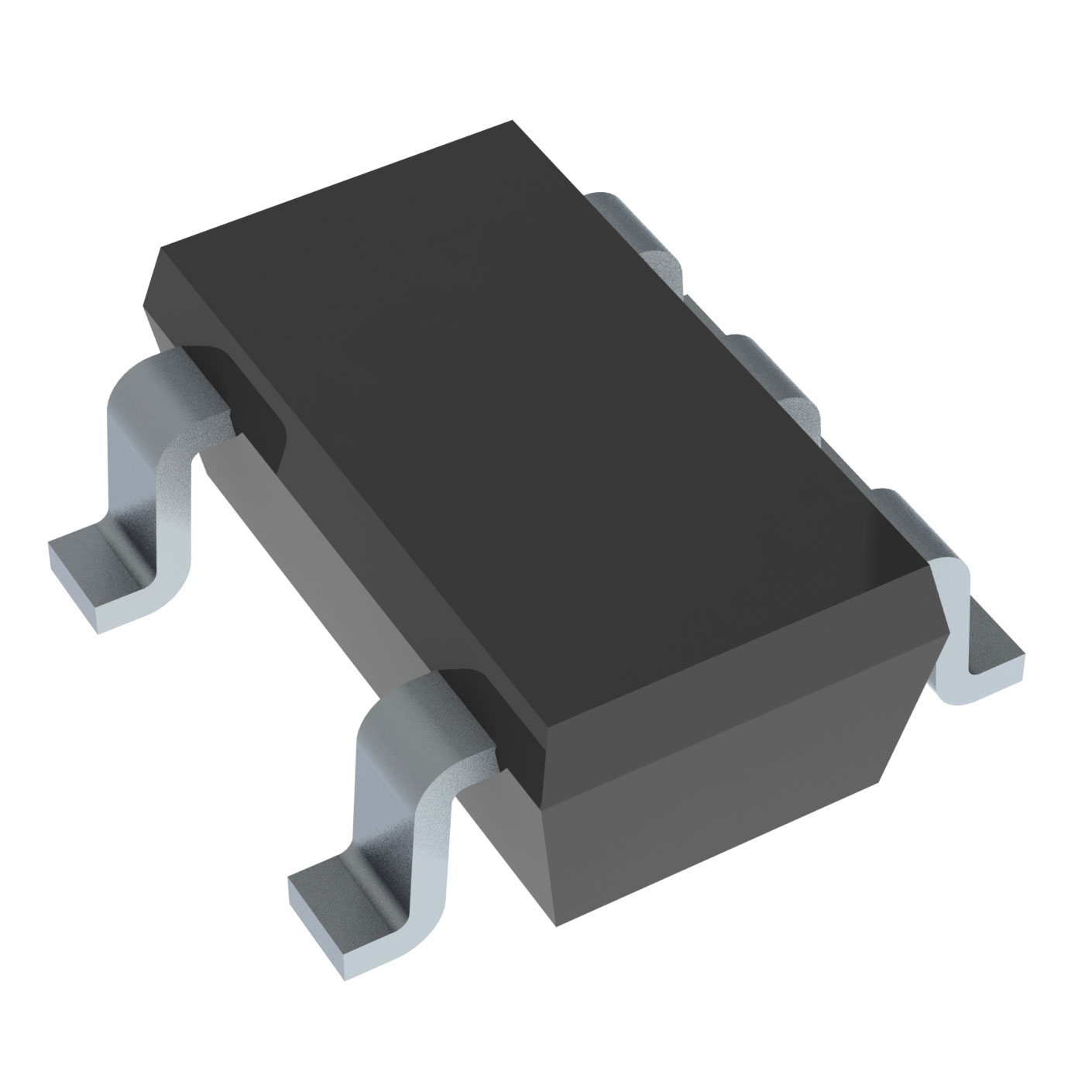 Texas Instruments OPA340NA/3KG4Unknown | Integrated Circuits (ICs) | IC OPAMP GP 1 CIRCUIT SOT23-5 |
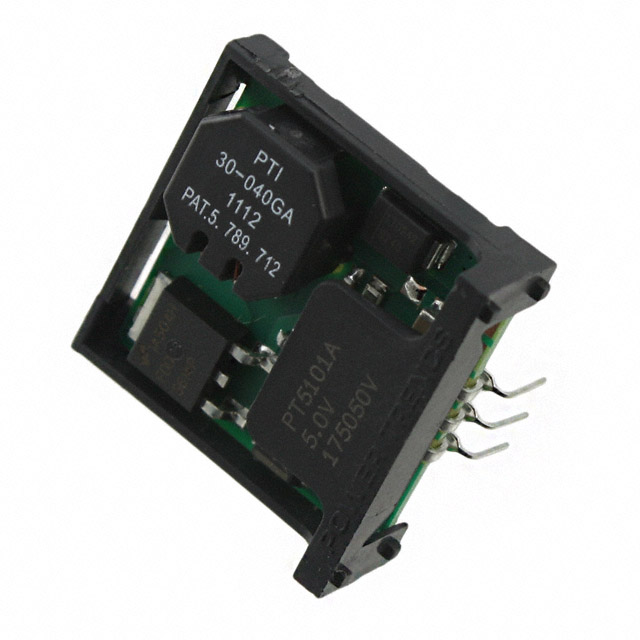 Texas Instruments PT5112AObsolete | Power Supplies - Board Mount | DC DC CONVERTER 8V 8W |
| Series | Category | # Parts | Status | Description |
|---|---|---|---|---|
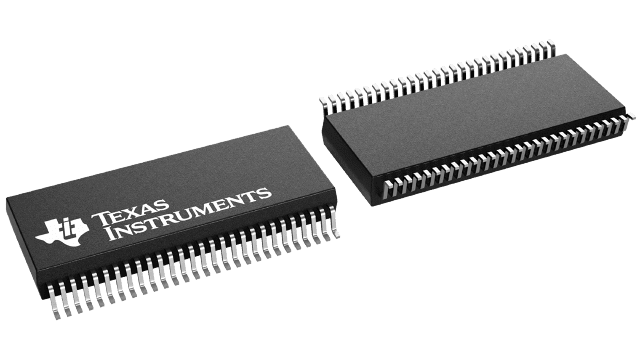
SN75LBC9689-channel bus transceiver with active termination | Integrated Circuits (ICs) | 1 | Active | The SN75LBC968 is a nine-channel transceiver with active termination that drives and receives the signals from the single-ended, parallel data buses such as the Small Computer-Systems Interface (SCSI) bus. The features of the line drivers, receivers, and active-termination circuits provide the optimum signal-to-noise ratios for reliable data transmission. Integration of the termination and transceivers in the LinBiCMOS™ process provides the necessary analog-circuit performance, has low quiescent power, and reduces the capacitance presented to the bus over separate termination and I/O circuits.
The transceivers of the SN75LBC968 can be enabled to function as totem-pole or open-drain outputs. The open-drain mode drives the wired-OR lines of SCSI (BSY, SEL, and RST) by inputting the data to the direction control input DE/RE instead of the A input. When driving the data through the A input, the outputs become totem poles and provide active signal negation for a higher voltage level on low-to-high signal transitions on heavily loaded buses. In either mode, the turnon and turnoff output transition times are limited to minimize crosstalk through capacitive coupling to adjacent lines and RF emissions from the cable. The receivers are also designed for optimum analog performance by precisely controlling the input-voltage thresholds, providing wide input-voltage hysteresis and including an input-noise filter. These features significantly increase the likelihood of detecting only the desired data signal and rejecting noise.
The communication between the SN75LBC968 and the controller can be accomplished at 3.3-V logic levels provided that the VCC1input connects to the same supply rail as the controller. This provides a bridge from the lower-voltage circuit and the 5-V SCSI bus. The SN75LBC968 also removes the need for special I/O buffers (and associated power dissipation) on the controller itself. The SN75LBC968 must be used with a SCSI controller with support for Differential SCSI.
The integrated, current-mode, active termination supplies a constant 24 mA of current (TERMPWR) to the bus when the bus voltage falls below 2.5 V. This makes the next low-to-high (negation) signal transition independent of the low-level (asserted) bus voltage, unlike voltage-mode terminators. The termination current is provided through the TE input and from TERMPWR and can be disabled by letting the TE input float or by connecting it to ground. The termination circuitry is independent from the line drivers and receivers and VCCor VCC1. Operational termination is present as long as TERMPWR is applied.
The switching speeds of the SN75LBC968 are sufficient to transfer data over the data bus at ten million transfers per second (Fast-SCSI). The specification, tsk(lim), is for system skew budgeting and maintenance of bus set-up and hold times. The device is available in the space-efficient shrink-small-outline package (SSOP) with 25-mil lead pitch. The SN75LBC968 meets or exceeds the requirements of ANSI X3.131–1994 (SCSI-2) and the proposed SPI (SCSI-3) standards, and is characterized for operation from 0°C to 70°C.
The SN75LBC968 is a nine-channel transceiver with active termination that drives and receives the signals from the single-ended, parallel data buses such as the Small Computer-Systems Interface (SCSI) bus. The features of the line drivers, receivers, and active-termination circuits provide the optimum signal-to-noise ratios for reliable data transmission. Integration of the termination and transceivers in the LinBiCMOS™ process provides the necessary analog-circuit performance, has low quiescent power, and reduces the capacitance presented to the bus over separate termination and I/O circuits.
The transceivers of the SN75LBC968 can be enabled to function as totem-pole or open-drain outputs. The open-drain mode drives the wired-OR lines of SCSI (BSY, SEL, and RST) by inputting the data to the direction control input DE/RE instead of the A input. When driving the data through the A input, the outputs become totem poles and provide active signal negation for a higher voltage level on low-to-high signal transitions on heavily loaded buses. In either mode, the turnon and turnoff output transition times are limited to minimize crosstalk through capacitive coupling to adjacent lines and RF emissions from the cable. The receivers are also designed for optimum analog performance by precisely controlling the input-voltage thresholds, providing wide input-voltage hysteresis and including an input-noise filter. These features significantly increase the likelihood of detecting only the desired data signal and rejecting noise.
The communication between the SN75LBC968 and the controller can be accomplished at 3.3-V logic levels provided that the VCC1input connects to the same supply rail as the controller. This provides a bridge from the lower-voltage circuit and the 5-V SCSI bus. The SN75LBC968 also removes the need for special I/O buffers (and associated power dissipation) on the controller itself. The SN75LBC968 must be used with a SCSI controller with support for Differential SCSI.
The integrated, current-mode, active termination supplies a constant 24 mA of current (TERMPWR) to the bus when the bus voltage falls below 2.5 V. This makes the next low-to-high (negation) signal transition independent of the low-level (asserted) bus voltage, unlike voltage-mode terminators. The termination current is provided through the TE input and from TERMPWR and can be disabled by letting the TE input float or by connecting it to ground. The termination circuitry is independent from the line drivers and receivers and VCCor VCC1. Operational termination is present as long as TERMPWR is applied.
The switching speeds of the SN75LBC968 are sufficient to transfer data over the data bus at ten million transfers per second (Fast-SCSI). The specification, tsk(lim), is for system skew budgeting and maintenance of bus set-up and hold times. The device is available in the space-efficient shrink-small-outline package (SSOP) with 25-mil lead pitch. The SN75LBC968 meets or exceeds the requirements of ANSI X3.131–1994 (SCSI-2) and the proposed SPI (SCSI-3) standards, and is characterized for operation from 0°C to 70°C. |
| Drivers, Receivers, Transceivers | 10 | Obsolete | ||
SN75LP1185Low-Power Multiple RS-232 Drivers and Receivers | Interface | 2 | Active | The SN75LP1185 is a low-power bipolar device containing three drivers and five receivers, with 15 kV of ESD protection on the bus pins with respect to each other. Bus pins are defined as those pins that tie directly to the serial-port connector, including GND. The pinout matches the flow-through design of the industry-standard SN75185 and SN75C185. The flow-through pinout of the SN75LP1185 allows easy interconnection of the UART and serial-port connector of the IBM PC/AT and compatibles. The SN75LP1185 provides a rugged, low-cost solution for this function with the combination of the bipolar processing and 15 kV of ESD protection.
The SN75LP1185 has internal slew-rate control to provide a maximum rate of change in the output signal of 30 V/us. The driver output swing is nominally clamped at ±6 V to enable the higher data rates associated with this device and to reduce EMI emissions. Even though the driver outputs are clamped, they can handle voltages up to ±15 V without damage. All the logic inputs can accept 3.3-V or 5-V input signals.
The SN75LP1185 complies with the requirements of TIA/EIA-232-F and ITU V.28. These standards are for data interchange between a host computer and peripheral at signaling rates up to 20 kbit/s. The switching speeds of the SN75LP1185 support rates up to 256 kbit/s.
The SN75LP1185 is characterized for operation from 0°C to 70°C.
The SN75LP1185 is a low-power bipolar device containing three drivers and five receivers, with 15 kV of ESD protection on the bus pins with respect to each other. Bus pins are defined as those pins that tie directly to the serial-port connector, including GND. The pinout matches the flow-through design of the industry-standard SN75185 and SN75C185. The flow-through pinout of the SN75LP1185 allows easy interconnection of the UART and serial-port connector of the IBM PC/AT and compatibles. The SN75LP1185 provides a rugged, low-cost solution for this function with the combination of the bipolar processing and 15 kV of ESD protection.
The SN75LP1185 has internal slew-rate control to provide a maximum rate of change in the output signal of 30 V/us. The driver output swing is nominally clamped at ±6 V to enable the higher data rates associated with this device and to reduce EMI emissions. Even though the driver outputs are clamped, they can handle voltages up to ±15 V without damage. All the logic inputs can accept 3.3-V or 5-V input signals.
The SN75LP1185 complies with the requirements of TIA/EIA-232-F and ITU V.28. These standards are for data interchange between a host computer and peripheral at signaling rates up to 20 kbit/s. The switching speeds of the SN75LP1185 support rates up to 256 kbit/s.
The SN75LP1185 is characterized for operation from 0°C to 70°C. |
| Application Specific Clock/Timing | 24 | Active | ||
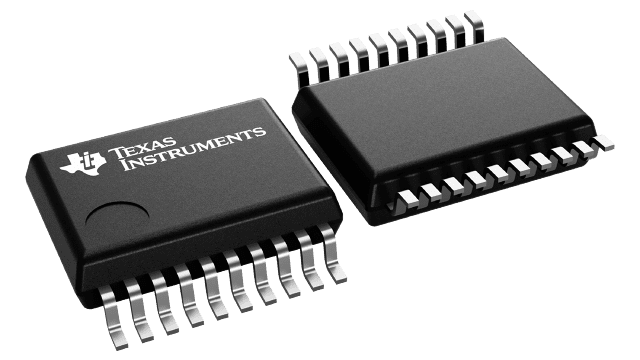
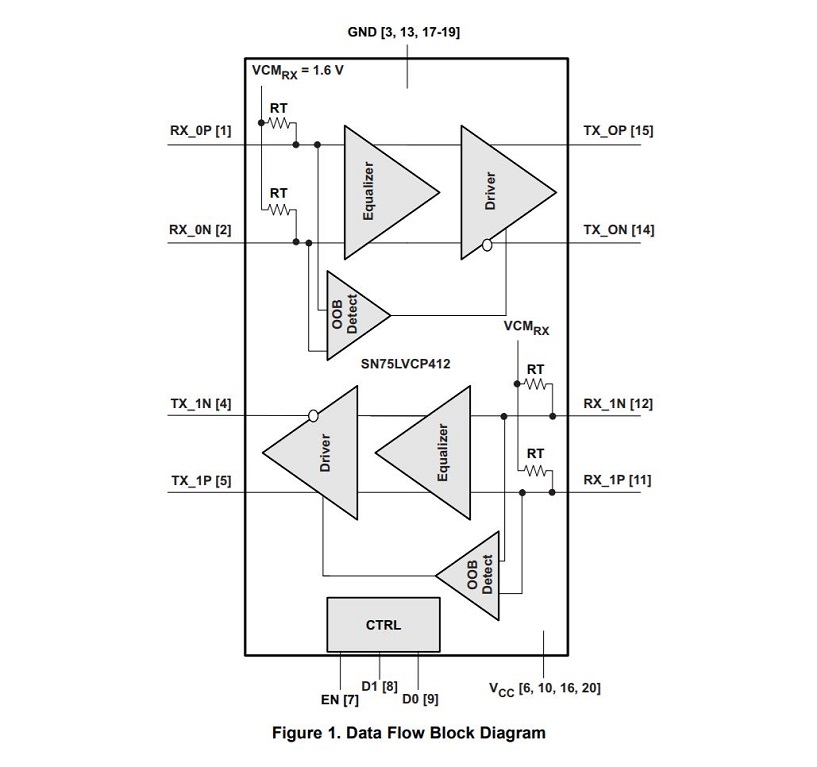
SN75LVCP412CD2-channel SATA 3-Gbps redriver with cable detect | Interface | 5 | Active | The SN75LVCP412 is a dual channel, single lane SATA redriver and signal conditioner supporting data rates up to 3.0 Gbps. The device complies with SATA specification revision 2.6 and eSATA requirements.
The SN75LVCP412 operates from a single 3.3-V supply and has 100-Ω line termination with self-biasing feature making the device suitable for AC coupling. The inputs incorporate an OOB detector, which automatically squelches the output while maintaining a stable output common-mode voltage compliant to SATA link. The device is also designed to handle SSC transmission per the SATA specification.
The SN75LVCP412 handles interconnect losses at both its input and output. The built-in transmitter pre-emphasis feature is capable of applying 0 dB or 2.5 dB of relative amplification at higher frequencies to counter the expected interconnect loss. On the receive side the device applies a fixed equalization of 7 dB to boost input frequencies near 1.5 GHz. Collectively, the input equalization and output pre-emphasis features of the device work to fully restore SATA signal integrity over extended cable and backplane pathways.
The device is hot-plug capable(1)preventing device damage under devicehot-insertion such as async signal plug/removal, unpowered plug/removal, powered plug/removal, or surprise plug/removal.
(1)Requires use of AC coupling capacitors at differential inputs and outputs.
The SN75LVCP412 is a dual channel, single lane SATA redriver and signal conditioner supporting data rates up to 3.0 Gbps. The device complies with SATA specification revision 2.6 and eSATA requirements.
The SN75LVCP412 operates from a single 3.3-V supply and has 100-Ω line termination with self-biasing feature making the device suitable for AC coupling. The inputs incorporate an OOB detector, which automatically squelches the output while maintaining a stable output common-mode voltage compliant to SATA link. The device is also designed to handle SSC transmission per the SATA specification.
The SN75LVCP412 handles interconnect losses at both its input and output. The built-in transmitter pre-emphasis feature is capable of applying 0 dB or 2.5 dB of relative amplification at higher frequencies to counter the expected interconnect loss. On the receive side the device applies a fixed equalization of 7 dB to boost input frequencies near 1.5 GHz. Collectively, the input equalization and output pre-emphasis features of the device work to fully restore SATA signal integrity over extended cable and backplane pathways.
The device is hot-plug capable(1)preventing device damage under devicehot-insertion such as async signal plug/removal, unpowered plug/removal, powered plug/removal, or surprise plug/removal.
(1)Requires use of AC coupling capacitors at differential inputs and outputs. |
SN75LVCP4222-channel SATA 3-Gbps redriver | Integrated Circuits (ICs) | 1 | Active | The SN75LVCP422 is a dual channel, single lane SATA redriver and signal conditioner supporting data rates up to 3 Gbps. The device complies with SATA specification revision 2.6 and eSATA requirements.
The SN75LVCP422 operates from a single 3.3-V supply. Integrated 100-line termination and self-biasing make the device suitable for AC coupling. The inputs incorporate an OOB detector, which automatically turns the differential outputs off while maintaining a stable output common-mode voltage compliant to SATA link. The device is also designed to handle SSC transmission per SATA spec.
The SN75LVCP422 handles interconnect losses at both its input and output. The built-in transmitter pre-emphasis feature is capable of applying 0 dB or 2.5 dB of relative amplification at higher frequencies to counter the expected interconnect loss. On the receive side the device applies a fixed equalization of 7 dB to boost input frequencies near 1.5 GHz. Collectively, the input equalization and output pre-emphasis features of the device work to fully restore SATA signal integrity over extended cable and backplane pathways.
The device is hot-plug capable(1)preventing device damage under devicehot-insertion such as async signal plug/removal, unpowered plug/removal, powered plug/removal, or surprise plug/removal.
The SN75LVCP422 is a dual channel, single lane SATA redriver and signal conditioner supporting data rates up to 3 Gbps. The device complies with SATA specification revision 2.6 and eSATA requirements.
The SN75LVCP422 operates from a single 3.3-V supply. Integrated 100-line termination and self-biasing make the device suitable for AC coupling. The inputs incorporate an OOB detector, which automatically turns the differential outputs off while maintaining a stable output common-mode voltage compliant to SATA link. The device is also designed to handle SSC transmission per SATA spec.
The SN75LVCP422 handles interconnect losses at both its input and output. The built-in transmitter pre-emphasis feature is capable of applying 0 dB or 2.5 dB of relative amplification at higher frequencies to counter the expected interconnect loss. On the receive side the device applies a fixed equalization of 7 dB to boost input frequencies near 1.5 GHz. Collectively, the input equalization and output pre-emphasis features of the device work to fully restore SATA signal integrity over extended cable and backplane pathways.
The device is hot-plug capable(1)preventing device damage under devicehot-insertion such as async signal plug/removal, unpowered plug/removal, powered plug/removal, or surprise plug/removal. |
SN75LVCP600S1.5/3.0/6.0-Gbps single channel SATA/SAS redriver | Interface | 2 | Active | 1.5/3.0/6.0-Gbps single channel SATA/SAS redriver |
SN75LVCP6012-channel SATA 6-Gbps redriver | Interface | 1 | Active | The SN75LVCP601 device is a dual-channel, single-lane SATA redriver and signal conditioner supporting data rates up to 6 Gbps. The device complies with SATA physical link 2m and 3i specifications. The SN75LVCP601 operates from one 3.3-V supply and has 100-Ω line termination with a self-biasing feature, making the device suitable for ac coupling. The inputs incorporate an out-of-band (OOB) detector, which automatically squelches the output while maintaining a stable common-mode voltage compliant to the SATA link. The device design also handles spread-spectrum clocking (SSC) transmission per the SATA specification.
The SN75LVCP601 device handles interconnect losses at both its input and output. The input stage of each channel offers selectable equalization settings that are programmable to match the loss in the channel. The differential outputs provide selectable de-emphasis to compensate for the expected distortion that the SATA signal experiences. The level of equalization and de-emphasis settings depends on the length of interconnect and its characteristics. The setting of signal control pins EQ1, EQ2, DE1, and DE2 controls both equalization and de-emphasis levels.
This device is hot-plug capable (requires the use of ac-coupling capacitors at differential inputs and outputs), thus preventing device damage under device hot-insertion, in such cases as: async signal plug or removal, unpowered plug or removal, powered plug or removal, surprise plug or removal
The SN75LVCP601 device is a dual-channel, single-lane SATA redriver and signal conditioner supporting data rates up to 6 Gbps. The device complies with SATA physical link 2m and 3i specifications. The SN75LVCP601 operates from one 3.3-V supply and has 100-Ω line termination with a self-biasing feature, making the device suitable for ac coupling. The inputs incorporate an out-of-band (OOB) detector, which automatically squelches the output while maintaining a stable common-mode voltage compliant to the SATA link. The device design also handles spread-spectrum clocking (SSC) transmission per the SATA specification.
The SN75LVCP601 device handles interconnect losses at both its input and output. The input stage of each channel offers selectable equalization settings that are programmable to match the loss in the channel. The differential outputs provide selectable de-emphasis to compensate for the expected distortion that the SATA signal experiences. The level of equalization and de-emphasis settings depends on the length of interconnect and its characteristics. The setting of signal control pins EQ1, EQ2, DE1, and DE2 controls both equalization and de-emphasis levels.
This device is hot-plug capable (requires the use of ac-coupling capacitors at differential inputs and outputs), thus preventing device damage under device hot-insertion, in such cases as: async signal plug or removal, unpowered plug or removal, powered plug or removal, surprise plug or removal |
SN75LVDS31Quad high-speed differential drivers | Drivers, Receivers, Transceivers | 2 | Active | The SN75LVDS31 and SN75LVDS9638 are differential line drivers that implement the electrical characteristics of low-voltage differential signaling (LVDS). This signaling technique lowers the output voltage levels of 5-V differential standard levels (such as TIA/EIA-422B) to reduce the power, increase the switching speeds, and allow operation with a 3.3-V supply rail. Any of the four current-mode drivers will deliver a minimum differential output voltage magnitude of 247 mV into a 100-load when enabled.
The intended application of these devices and signaling technique is for point-to-point baseband data transmission over controlled impedance media of approximately 100. The transmission media may be printed-circuit board traces, backplanes, or cables. The ultimate rate and distance of data transfer is dependent upon the attenuation characteristics of the media and the noise coupling to the environment.
The SN75LVDS31 and SN75LVDS9638 are characterized for operation from 0°C to 70°C.
The SN75LVDS31 and SN75LVDS9638 are differential line drivers that implement the electrical characteristics of low-voltage differential signaling (LVDS). This signaling technique lowers the output voltage levels of 5-V differential standard levels (such as TIA/EIA-422B) to reduce the power, increase the switching speeds, and allow operation with a 3.3-V supply rail. Any of the four current-mode drivers will deliver a minimum differential output voltage magnitude of 247 mV into a 100-load when enabled.
The intended application of these devices and signaling technique is for point-to-point baseband data transmission over controlled impedance media of approximately 100. The transmission media may be printed-circuit board traces, backplanes, or cables. The ultimate rate and distance of data transfer is dependent upon the attenuation characteristics of the media and the noise coupling to the environment.
The SN75LVDS31 and SN75LVDS9638 are characterized for operation from 0°C to 70°C. |
SN75LVDS32Quad high-speed differential receivers | Integrated Circuits (ICs) | 2 | Active | The SN75LVDS32 and SN75LVDS9637 are differential line receivers that implement the electrical characteristics of low-voltage differential signaling (LVDS). This signaling technique lowers the output voltage levels of 5-V differential standard levels (such as EIA/TIA-422B) to reduce the power, increase the switching speeds, and allow operation with a 3.3-V supply rail. Any of the four differential receivers provides a valid logical output state with a ±100 mV allow operation with a differential input voltage within the input common-mode voltage range. The input common-mode voltage range allows 1 V of ground potential difference between two LVDS nodes.
The intended application of these devices and signaling technique is both point-to-point and multidrop (one driver and multiple receivers) data transmission over controlled impedance media of approximately 100. The transmission media may be printed-circuit board traces, backplanes, or cables. The ultimate rate and distance of data transfer is dependent upon the attenuation characteristics of the media and the noise coupling to the environment.
The SN75LVDS32 and SN75LVDS9637 are characterized for operation from 0°C to 70°C.
The SN75LVDS32 and SN75LVDS9637 are differential line receivers that implement the electrical characteristics of low-voltage differential signaling (LVDS). This signaling technique lowers the output voltage levels of 5-V differential standard levels (such as EIA/TIA-422B) to reduce the power, increase the switching speeds, and allow operation with a 3.3-V supply rail. Any of the four differential receivers provides a valid logical output state with a ±100 mV allow operation with a differential input voltage within the input common-mode voltage range. The input common-mode voltage range allows 1 V of ground potential difference between two LVDS nodes.
The intended application of these devices and signaling technique is both point-to-point and multidrop (one driver and multiple receivers) data transmission over controlled impedance media of approximately 100. The transmission media may be printed-circuit board traces, backplanes, or cables. The ultimate rate and distance of data transfer is dependent upon the attenuation characteristics of the media and the noise coupling to the environment.
The SN75LVDS32 and SN75LVDS9637 are characterized for operation from 0°C to 70°C. |