T
Texas Instruments
| Series | Category | # Parts | Status | Description |
|---|---|---|---|---|
| Part | Spec A | Spec B | Spec C | Spec D | Description |
|---|---|---|---|---|---|



| Series | Category | # Parts | Status | Description |
|---|---|---|---|---|
| Part | Spec A | Spec B | Spec C | Spec D | Description |
|---|---|---|---|---|---|
| Part | Category | Description |
|---|---|---|
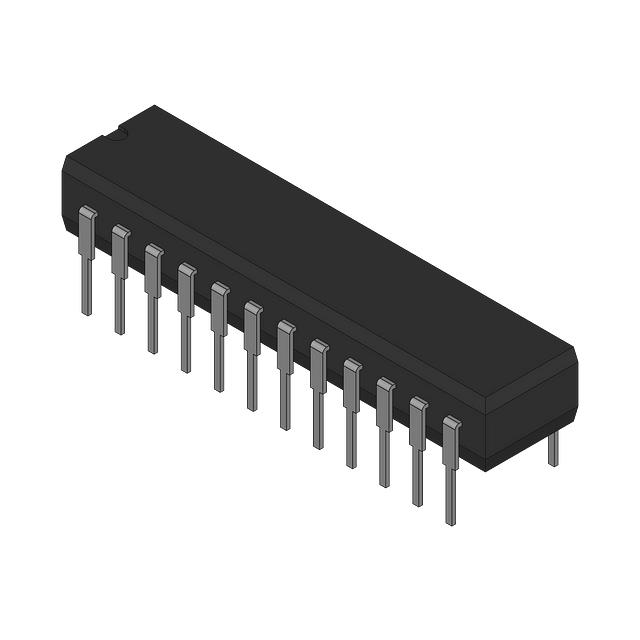 Texas Instruments | Integrated Circuits (ICs) | BUS DRIVER, BCT/FBT SERIES |
 Texas Instruments | Integrated Circuits (ICs) | 12BIT 3.3V~3.6V 210MHZ PARALLEL VQFN-48-EP(7X7) ANALOG TO DIGITAL CONVERTERS (ADC) ROHS |
Texas Instruments | Integrated Circuits (ICs) | TMX320DRE311 179PIN UBGA 200MHZ |
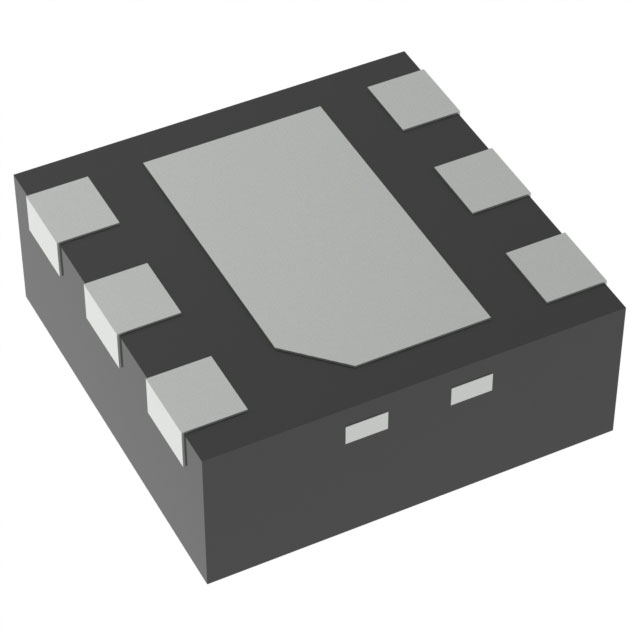 Texas Instruments TPS61040DRVTG4Unknown | Integrated Circuits (ICs) | IC LED DRV RGLTR PWM 350MA 6WSON |
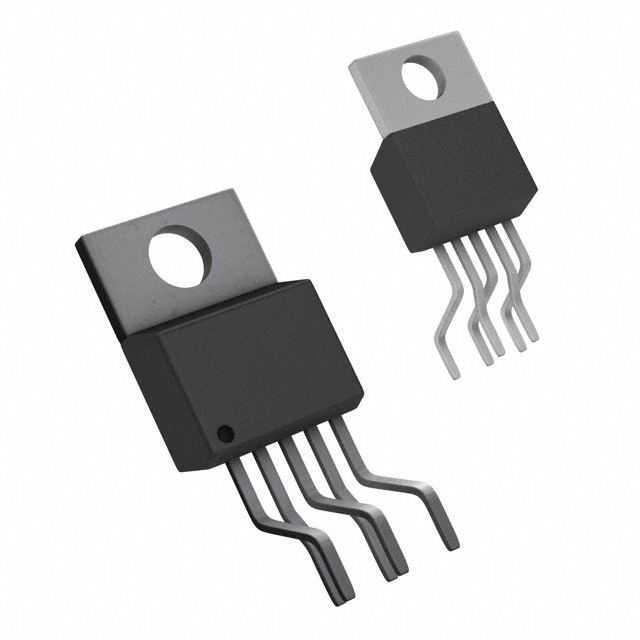 Texas Instruments LP3876ET-2.5Obsolete | Integrated Circuits (ICs) | IC REG LINEAR 2.5V 3A TO220-5 |
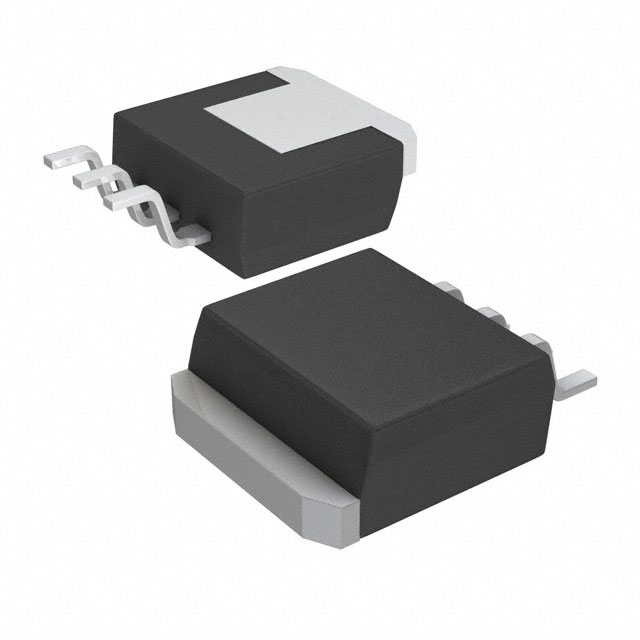 Texas Instruments LMS1585ACSX-ADJObsolete | Integrated Circuits (ICs) | IC REG LIN POS ADJ 5A DDPAK |
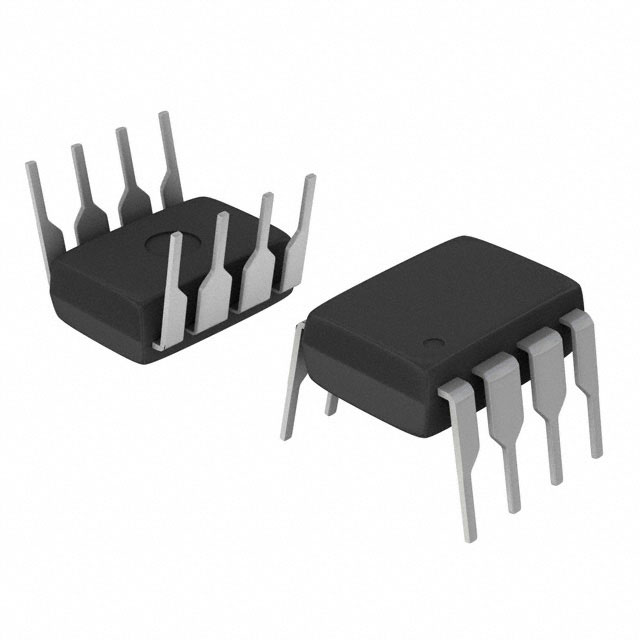 Texas Instruments INA111APG4Obsolete | Integrated Circuits (ICs) | IC INST AMP 1 CIRCUIT 8DIP |
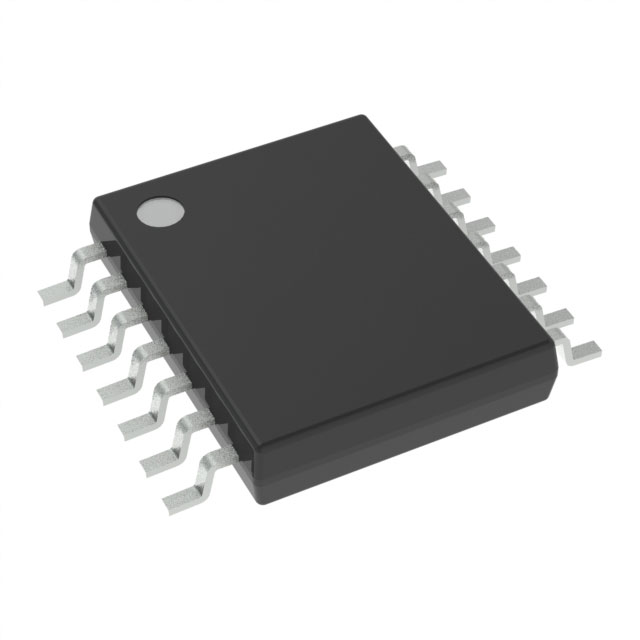 Texas Instruments | Integrated Circuits (ICs) | AUTOMOTIVE, QUAD 36V 1.2MHZ OPERATIONAL AMPLIFIER |
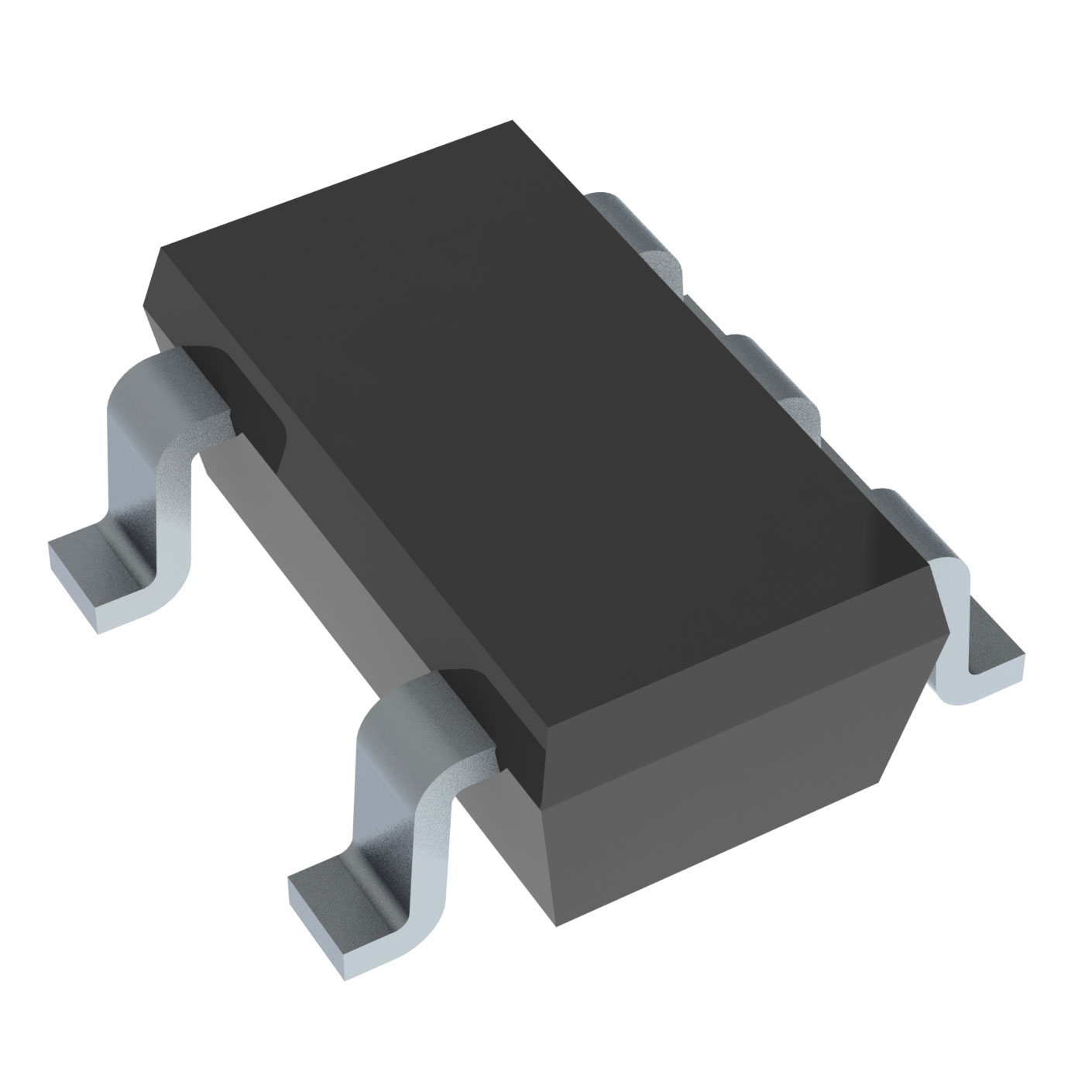 Texas Instruments OPA340NA/3KG4Unknown | Integrated Circuits (ICs) | IC OPAMP GP 1 CIRCUIT SOT23-5 |
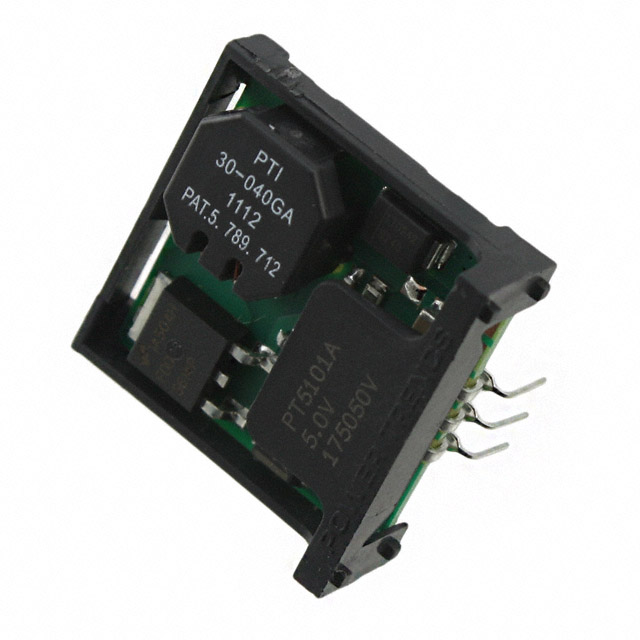 Texas Instruments PT5112AObsolete | Power Supplies - Board Mount | DC DC CONVERTER 8V 8W |
| Series | Category | # Parts | Status | Description |
|---|---|---|---|---|
SN74LVC861A10-Bit Bus Transceiver With 3-State Outputs | Buffers, Drivers, Receivers, Transceivers | 6 | Active | This 10-bit bus transceiver is designed for 1.65-V to 3.6-V VCCoperation.
The SN74LVC861A is designed for asynchronous communication between data buses. The control-function implementation allows for maximum flexibility in timing.
This device allows data transmission from the A bus to the B bus or from the B bus to the A bus, depending on the logic levels at the output-enable (OEAB\ and OEBA)\ inputs.
Inputs can be driven from either 3.3-V or 5-V devices. This feature allows the use of this device as a translator in a mixed 3.3-V/5-V system environment.
To ensure the high-impedance state during power up or power down, OE\ should be tied to VCCthrough a pullup resistor; the minimum value of the resistor is determined by the current-sinking capability of the driver.
This device is fully specified for partial-power-down applications using Ioff. The Ioffcircuitry disables the outputs, preventing damaging current backflow through the device when it is powered down.
This 10-bit bus transceiver is designed for 1.65-V to 3.6-V VCCoperation.
The SN74LVC861A is designed for asynchronous communication between data buses. The control-function implementation allows for maximum flexibility in timing.
This device allows data transmission from the A bus to the B bus or from the B bus to the A bus, depending on the logic levels at the output-enable (OEAB\ and OEBA)\ inputs.
Inputs can be driven from either 3.3-V or 5-V devices. This feature allows the use of this device as a translator in a mixed 3.3-V/5-V system environment.
To ensure the high-impedance state during power up or power down, OE\ should be tied to VCCthrough a pullup resistor; the minimum value of the resistor is determined by the current-sinking capability of the driver.
This device is fully specified for partial-power-down applications using Ioff. The Ioffcircuitry disables the outputs, preventing damaging current backflow through the device when it is powered down. |
SN74LVC863A9-Bit Bus Transceiver With 3-State Outputs | Integrated Circuits (ICs) | 6 | Active | This 9-bit bus transceiver is designed for 1.65-V to 3.6-V VCCoperation.
The SN74LVC863A is designed for asynchronous communication between data buses. The control-function implementation allows for maximum flexibility in timing.
This device allows data transmission from the A bus to the B bus or from the B bus to the A bus, depending on the logic levels at the output-enable (OEAB\ and OEBA)\ inputs.
The outputs are in the high-impedance state during power-up and power-down conditions. The outputs remain in the high-impedance state while the device is powered down.
Inputs can be driven from either 3.3-V or 5-V devices. This feature allows the use of this device as a translator in a mixed 3.3-V/5-V system environment.
To ensure the high-impedance state during power up or power down, OE\ should be tied to VCCthrough a pullup resistor; the minimum value of the resistor is determined by the current-sinking capability of the driver.
This device is fully specified for partial-power-down applications using Ioff. The Ioffcircuitry disables the outputs, preventing damaging current backflow through the device when it is powered down.
This 9-bit bus transceiver is designed for 1.65-V to 3.6-V VCCoperation.
The SN74LVC863A is designed for asynchronous communication between data buses. The control-function implementation allows for maximum flexibility in timing.
This device allows data transmission from the A bus to the B bus or from the B bus to the A bus, depending on the logic levels at the output-enable (OEAB\ and OEBA)\ inputs.
The outputs are in the high-impedance state during power-up and power-down conditions. The outputs remain in the high-impedance state while the device is powered down.
Inputs can be driven from either 3.3-V or 5-V devices. This feature allows the use of this device as a translator in a mixed 3.3-V/5-V system environment.
To ensure the high-impedance state during power up or power down, OE\ should be tied to VCCthrough a pullup resistor; the minimum value of the resistor is determined by the current-sinking capability of the driver.
This device is fully specified for partial-power-down applications using Ioff. The Ioffcircuitry disables the outputs, preventing damaging current backflow through the device when it is powered down. |
SN74LVC86A-EPEnhanced product 4-ch, 2-input, 2-V to 3.6-V XOR (exclusive OR) gates | Gates and Inverters | 21 | Active | The SN74LVC86A quadruple 2-input exclusive-OR gate is designed for 2.7-V to 3.6-V VCCoperation.
The device performs the Boolean function Y = AB or Y =AB + ABin positive logic.
A common application is as a true/complement element. If one of the inputs is low, the other input is reproduced in true form at the output. If one of the inputs is high, the signal on the other input is reproduced inverted at the output.
Inputs can be driven from either 3.3-V or 5-V devices. This feature allows the use of this device as a translator in a mixed 3.3-V/5-V system environment.
The SN74LVC86A quadruple 2-input exclusive-OR gate is designed for 2.7-V to 3.6-V VCCoperation.
The device performs the Boolean function Y = AB or Y =AB + ABin positive logic.
A common application is as a true/complement element. If one of the inputs is low, the other input is reproduced in true form at the output. If one of the inputs is high, the signal on the other input is reproduced inverted at the output.
Inputs can be driven from either 3.3-V or 5-V devices. This feature allows the use of this device as a translator in a mixed 3.3-V/5-V system environment. |
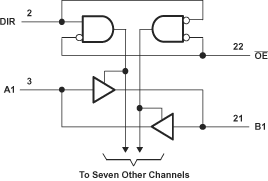
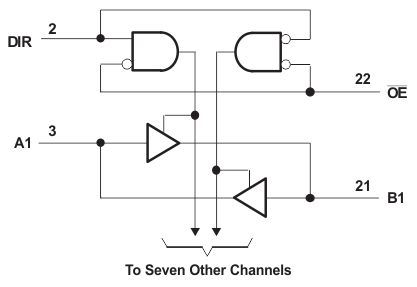
SN74LVC8T245-EPEnhanced Product 8-Bit Dual-Supply Bus Transc. w/ Configurable Voltage Transl., and 3-State Outputs | Integrated Circuits (ICs) | 15 | Active | The SN74LVC8T245 is an eight bit non-inverting bus transceiver with configurable dual power supply rails that enables bidirectional voltage level translation. The SN74LVC8T245 is optimized to operate with V CCA and V CCB set at 1.65 V to 5.5 V. The A port is designed to track V CCA. V CCA accepts any supply voltage from 1.65 V to 5.5 V. The B port is designed to track V CCB. V CCB accepts any supply voltage from 1.65 V to 5.5 V. This allows for universal low-voltage bidirectional translation between any of the 1.8-V, 2.5-V, 3.3-V, and 5.5-V voltage nodes.
The SN74LVC8T245 is designed for asynchronous communication between two data buses. The logic levels of the direction-control (DIR) input and the output-enable ( OE) input activate either the B-port outputs or the A-port outputs or place both output ports into the high-impedance mode. The device transmits data from the A bus to the B bus when the B-port outputs are activated, and from the B bus to the A bus when the A-port outputs are activated. The input circuitry on both A and B ports is always active and must have a logic HIGH or LOW level applied to prevent excess I CC and I CCZ.
This device is fully specified for partial-power-down applications using I off. The I off circuitry disables the outputs, preventing damaging current backflow through the device when it is powered down. The V CC isolation feature ensures that if either V CC input is at GND, all outputs are in the high-impedance state. To ensure the high-impedance state during power up or power down, OE should be tied to V CC through a pullup resistor; the minimum value of the resistor is determined by the current-sinking capability of the driver.
The SN74LVC8T245 is designed so that the control pins (DIR and OE) are supplied by V CCA.
The SN74LVC8T245 is an eight bit non-inverting bus transceiver with configurable dual power supply rails that enables bidirectional voltage level translation. The SN74LVC8T245 is optimized to operate with V CCA and V CCB set at 1.65 V to 5.5 V. The A port is designed to track V CCA. V CCA accepts any supply voltage from 1.65 V to 5.5 V. The B port is designed to track V CCB. V CCB accepts any supply voltage from 1.65 V to 5.5 V. This allows for universal low-voltage bidirectional translation between any of the 1.8-V, 2.5-V, 3.3-V, and 5.5-V voltage nodes.
The SN74LVC8T245 is designed for asynchronous communication between two data buses. The logic levels of the direction-control (DIR) input and the output-enable ( OE) input activate either the B-port outputs or the A-port outputs or place both output ports into the high-impedance mode. The device transmits data from the A bus to the B bus when the B-port outputs are activated, and from the B bus to the A bus when the A-port outputs are activated. The input circuitry on both A and B ports is always active and must have a logic HIGH or LOW level applied to prevent excess I CC and I CCZ.
This device is fully specified for partial-power-down applications using I off. The I off circuitry disables the outputs, preventing damaging current backflow through the device when it is powered down. The V CC isolation feature ensures that if either V CC input is at GND, all outputs are in the high-impedance state. To ensure the high-impedance state during power up or power down, OE should be tied to V CC through a pullup resistor; the minimum value of the resistor is determined by the current-sinking capability of the driver.
The SN74LVC8T245 is designed so that the control pins (DIR and OE) are supplied by V CCA. |
SN74LVCC3245AOctal Bus Transceiver With Adjustable Output Voltage and 3-State Outputs | Integrated Circuits (ICs) | 13 | Active | The SN74LVCC3245A device is 8-bit (octal) noninverting bus transceiver contains two separate supply rails. The B port is designed to track VCCB, which accepts voltages from 3 V to 5.5 V, and the A port is designed to track VCCA, which operates at 2.3 V to 3.6 V. This allows for translation from a 3.3-V to a 5-V system environment and vice versa, from a 2.5-V to a 3.3-V system environment and vice versa.
The SN74LVCC3245A device is 8-bit (octal) noninverting bus transceiver contains two separate supply rails. The B port is designed to track VCCB, which accepts voltages from 3 V to 5.5 V, and the A port is designed to track VCCA, which operates at 2.3 V to 3.6 V. This allows for translation from a 3.3-V to a 5-V system environment and vice versa, from a 2.5-V to a 3.3-V system environment and vice versa. |
SN74LVCC3245A-EPEnhanced Product Octal Bus Transceiver With Adjustable Output Voltage And 3-State Outputs | Logic | 1 | Active | This 8-bit (octal) noninverting bus transceiver contains two separate supply rails. The B port is designed to track VCCB, which accepts voltages from 3 V to 5.5 V, and the A port is designed to track VCCA, which operates at 2.3 V to 3.6 V. This allows for translation from a 3.3-V to a 5-V system environment and vice versa, from a 2.5-V to a 3.3-V system environment and vice versa.
The SN74LVCC3245A is designed for asynchronous communication between data buses. The device transmits data from the A bus to the B bus or from the B bus to the A bus, depending on the logic level at the direction-control (DIR) input. The output-enable (OE)\ input can be used to disable the device so the buses are isolated. The control circuitry (DIR, OE\) is powered by VCCA.
This 8-bit (octal) noninverting bus transceiver contains two separate supply rails. The B port is designed to track VCCB, which accepts voltages from 3 V to 5.5 V, and the A port is designed to track VCCA, which operates at 2.3 V to 3.6 V. This allows for translation from a 3.3-V to a 5-V system environment and vice versa, from a 2.5-V to a 3.3-V system environment and vice versa.
The SN74LVCC3245A is designed for asynchronous communication between data buses. The device transmits data from the A bus to the B bus or from the B bus to the A bus, depending on the logic level at the direction-control (DIR) input. The output-enable (OE)\ input can be used to disable the device so the buses are isolated. The control circuitry (DIR, OE\) is powered by VCCA. |
SN74LVCC4245AOctal Bus Transceiver With Adjustable Output Voltage and 3-State Outputs | Integrated Circuits (ICs) | 11 | Active | This 8-bit (octal) noninverting bus transceiver uses two separate power-supply rails. The A port, VCCA, is dedicated to accepting a 5-V supply level, and the configurable B port, which is designed to track VCCB, accepts voltages from 3 V to 5 V. This allows for translation from a 3.3-V to a 5-V environment and vice versa.
The SN74LVCC4245A device is designed for asynchronous communication between data buses. The SN74LVCC4245A device transmits data from the A bus to the B bus or from the B bus to the A bus, depending on the logic level at the direction-control (DIR) input. The output-enable (OE) input can be used to disable the device so the buses effectively are isolated. The control circuitry (DIR,OE) is powered by VCCA.
This 8-bit (octal) noninverting bus transceiver uses two separate power-supply rails. The A port, VCCA, is dedicated to accepting a 5-V supply level, and the configurable B port, which is designed to track VCCB, accepts voltages from 3 V to 5 V. This allows for translation from a 3.3-V to a 5-V environment and vice versa.
The SN74LVCC4245A device is designed for asynchronous communication between data buses. The SN74LVCC4245A device transmits data from the A bus to the B bus or from the B bus to the A bus, depending on the logic level at the direction-control (DIR) input. The output-enable (OE) input can be used to disable the device so the buses effectively are isolated. The control circuitry (DIR,OE) is powered by VCCA. |
SN74LVCC4245A-EPEnhanced Product Octal Dual-Supply Bus Transceiver W/Configurable Output Voltage And 3S Out | Integrated Circuits (ICs) | 2 | Active | The SN74LVCC4245A is an 8-bit (octal) noninverting bus transceiver that uses two separate power-supply rails. The A port (VCCA) is dedicated to accepting a 5-V supply level, and the configurable B port, which is designed to track VCCB, accepts voltages from 3 V to 5 V. This allows for translation from a 3.3-V to a 5-V environment and vice versa.The SN74LVCC4245A is designed for asynchronous communication between data buses. The device transmits data from the A bus to the B bus or from the B bus to the A bus, depending on the logic level at the direction-control (DIR) input. The output-enable (OE) input can be used to disable the device so the buses effectively are isolated. The control circuitry (DIR,OE) is powered by VCCA.
The SN74LVCC4245A is an 8-bit (octal) noninverting bus transceiver that uses two separate power-supply rails. The A port (VCCA) is dedicated to accepting a 5-V supply level, and the configurable B port, which is designed to track VCCB, accepts voltages from 3 V to 5 V. This allows for translation from a 3.3-V to a 5-V environment and vice versa.
The SN74LVCC4245A is designed for asynchronous communication between data buses. The device transmits data from the A bus to the B bus or from the B bus to the A bus, depending on the logic level at the direction-control (DIR) input. The output-enable (OE) input can be used to disable the device so the buses effectively are isolated. The control circuitry (DIR,OE) is powered by VCCA.
The SN74LVCC4245A is an 8-bit (octal) noninverting bus transceiver that uses two separate power-supply rails. The A port (VCCA) is dedicated to accepting a 5-V supply level, and the configurable B port, which is designed to track VCCB, accepts voltages from 3 V to 5 V. This allows for translation from a 3.3-V to a 5-V environment and vice versa.The SN74LVCC4245A is designed for asynchronous communication between data buses. The device transmits data from the A bus to the B bus or from the B bus to the A bus, depending on the logic level at the direction-control (DIR) input. The output-enable (OE) input can be used to disable the device so the buses effectively are isolated. The control circuitry (DIR,OE) is powered by VCCA.
The SN74LVCC4245A is an 8-bit (octal) noninverting bus transceiver that uses two separate power-supply rails. The A port (VCCA) is dedicated to accepting a 5-V supply level, and the configurable B port, which is designed to track VCCB, accepts voltages from 3 V to 5 V. This allows for translation from a 3.3-V to a 5-V environment and vice versa.
The SN74LVCC4245A is designed for asynchronous communication between data buses. The device transmits data from the A bus to the B bus or from the B bus to the A bus, depending on the logic level at the direction-control (DIR) input. The output-enable (OE) input can be used to disable the device so the buses effectively are isolated. The control circuitry (DIR,OE) is powered by VCCA. |
SN74LVCE16128419-Bit IEEE 1284 Translation Transceiver with Error-Free Power Up | Logic | 5 | Active | The SN74LVCE161284 is designed for 3-V to 3.6-V VCCoperation. This device provides asynchronous two-way communication between data buses. The control-function implementation minimizes external timing requirements.
This device has eight bidirectional bits; data can flow in the A-to-B direction when the direction-control input (DIR) is high and in the B-to-A direction when DIR is low. This device also has five drivers that drive the cable side, and four receivers. The SN74LVCE161284 has one receiver dedicated to the HOST LOGIC line and a driver to drive the PERI LOGIC line.
The output drive mode is determined by the high-drive (HD) control pin. When HD is high, the outputs are in a totem-pole configuration, and in an open-drain configuration when HD is low. This meets the drive requirements as specified in the IEEE Std 1284-I (level-1 type) and IEEE Std 1284-II (level-2 type) parallel peripheral-interface specifications. Except for HOST LOGIC IN and peripheral logic out (PERI LOGIC OUT), all cable-side pins have a 1.4-kintegrated pullup resistor. The pullup resistor is switched off if the associated output driver is in the low state or if the output voltage is above VCCCABLE. If VCCCABLE is off, PERI LOGIC OUT is set to low.
The device has two supply voltages. VCCis designed for 3-V to 3.6-V operation. VCCCABLE supplies the inputs and output buffers of the cable side only and is designed for 3-V to 3.6-V and for 4.7-V to 5.5-V operation. Even when VCCCABLE is 3 V to 3.6 V, the cable-side I/O pins are 5-V tolerant.
The Y outputs (Y9–Y13) stay in the high state after power on until an associated input (A9–A13) goes high. When an associated input goes high, all Y outputs are activated, and noninverting signals of the associated inputs are driven through Y outputs. This special feature prevents printer-system errors caused by deasserting the BUSY signal in the cable at power on.
The SN74LVCE161284 is designed for 3-V to 3.6-V VCCoperation. This device provides asynchronous two-way communication between data buses. The control-function implementation minimizes external timing requirements.
This device has eight bidirectional bits; data can flow in the A-to-B direction when the direction-control input (DIR) is high and in the B-to-A direction when DIR is low. This device also has five drivers that drive the cable side, and four receivers. The SN74LVCE161284 has one receiver dedicated to the HOST LOGIC line and a driver to drive the PERI LOGIC line.
The output drive mode is determined by the high-drive (HD) control pin. When HD is high, the outputs are in a totem-pole configuration, and in an open-drain configuration when HD is low. This meets the drive requirements as specified in the IEEE Std 1284-I (level-1 type) and IEEE Std 1284-II (level-2 type) parallel peripheral-interface specifications. Except for HOST LOGIC IN and peripheral logic out (PERI LOGIC OUT), all cable-side pins have a 1.4-kintegrated pullup resistor. The pullup resistor is switched off if the associated output driver is in the low state or if the output voltage is above VCCCABLE. If VCCCABLE is off, PERI LOGIC OUT is set to low.
The device has two supply voltages. VCCis designed for 3-V to 3.6-V operation. VCCCABLE supplies the inputs and output buffers of the cable side only and is designed for 3-V to 3.6-V and for 4.7-V to 5.5-V operation. Even when VCCCABLE is 3 V to 3.6 V, the cable-side I/O pins are 5-V tolerant.
The Y outputs (Y9–Y13) stay in the high state after power on until an associated input (A9–A13) goes high. When an associated input goes high, all Y outputs are activated, and noninverting signals of the associated inputs are driven through Y outputs. This special feature prevents printer-system errors caused by deasserting the BUSY signal in the cable at power on. |
SN74LVCH162244A16-ch, 1.65-V to 3.6-V buffers with bus-hold and 3-state outputs | Integrated Circuits (ICs) | 3 | Active | This 16-bit buffer/driver is designed for 1.65-V to 3.6-V VCCoperation.
The device can be used as four 4-bit buffers, two 8-bit buffers, or one 16-bit buffer.
The SN74LVCH162244A device is designed specifically to improve both the performance and density of 3-state memory address drivers, clock drivers, and bus-oriented receivers and transmitters.
This 16-bit buffer/driver is designed for 1.65-V to 3.6-V VCCoperation.
The device can be used as four 4-bit buffers, two 8-bit buffers, or one 16-bit buffer.
The SN74LVCH162244A device is designed specifically to improve both the performance and density of 3-state memory address drivers, clock drivers, and bus-oriented receivers and transmitters. |