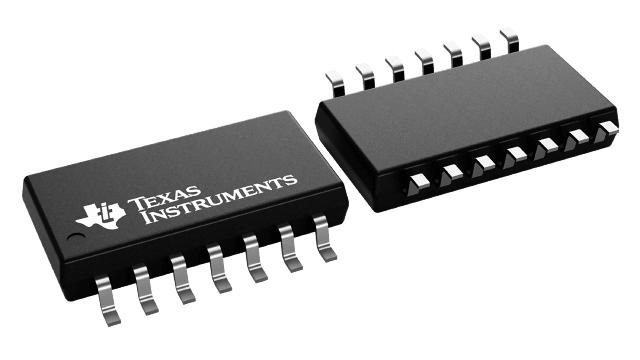
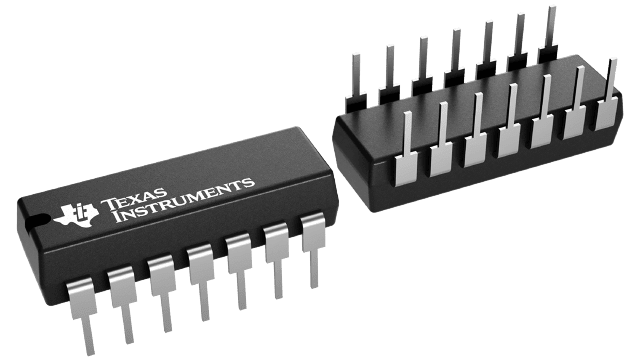
T
Texas Instruments
| Series | Category | # Parts | Status | Description |
|---|---|---|---|---|
| Part | Spec A | Spec B | Spec C | Spec D | Description |
|---|---|---|---|---|---|



| Series | Category | # Parts | Status | Description |
|---|---|---|---|---|
| Part | Spec A | Spec B | Spec C | Spec D | Description |
|---|---|---|---|---|---|
| Part | Category | Description |
|---|---|---|
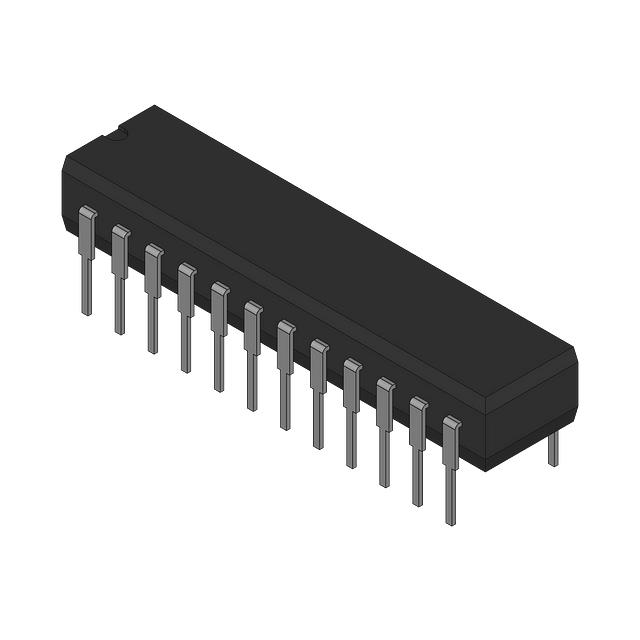 Texas Instruments | Integrated Circuits (ICs) | BUS DRIVER, BCT/FBT SERIES |
 Texas Instruments | Integrated Circuits (ICs) | 12BIT 3.3V~3.6V 210MHZ PARALLEL VQFN-48-EP(7X7) ANALOG TO DIGITAL CONVERTERS (ADC) ROHS |
Texas Instruments | Integrated Circuits (ICs) | TMX320DRE311 179PIN UBGA 200MHZ |
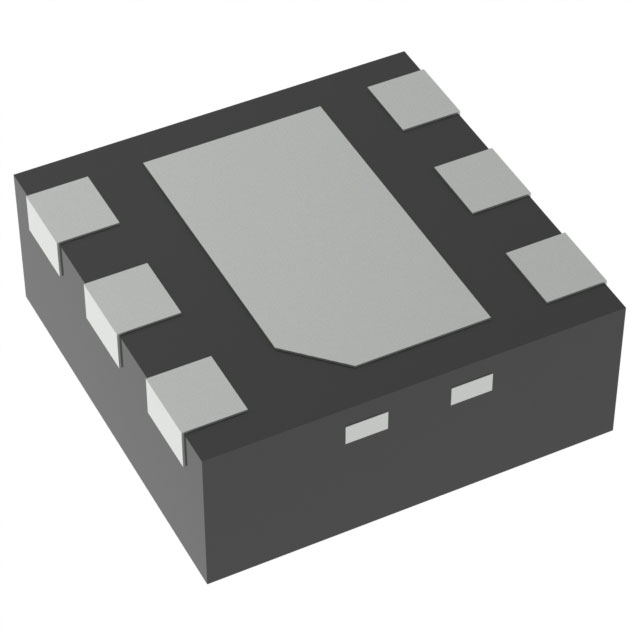 Texas Instruments TPS61040DRVTG4Unknown | Integrated Circuits (ICs) | IC LED DRV RGLTR PWM 350MA 6WSON |
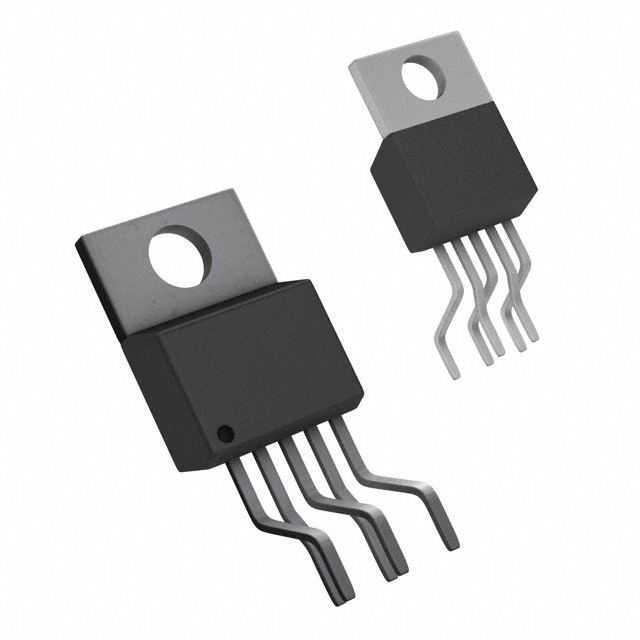 Texas Instruments LP3876ET-2.5Obsolete | Integrated Circuits (ICs) | IC REG LINEAR 2.5V 3A TO220-5 |
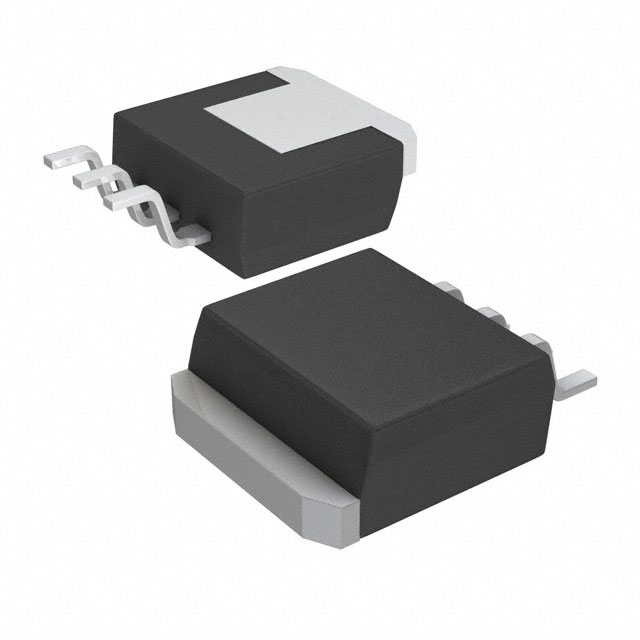 Texas Instruments LMS1585ACSX-ADJObsolete | Integrated Circuits (ICs) | IC REG LIN POS ADJ 5A DDPAK |
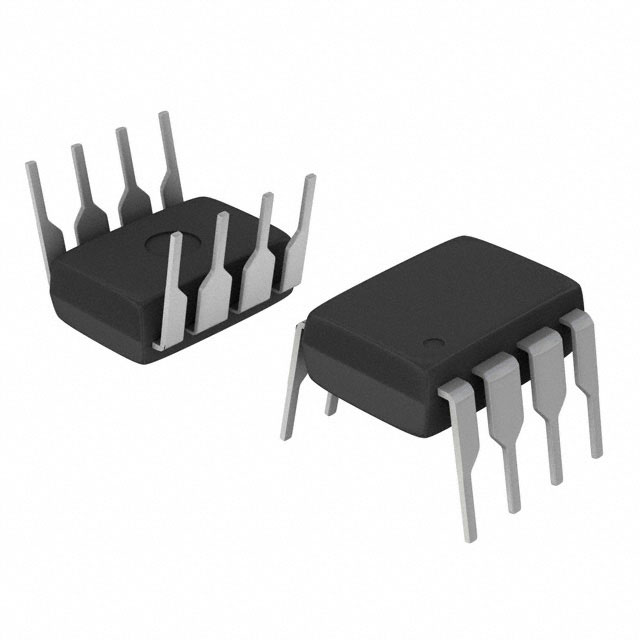 Texas Instruments INA111APG4Obsolete | Integrated Circuits (ICs) | IC INST AMP 1 CIRCUIT 8DIP |
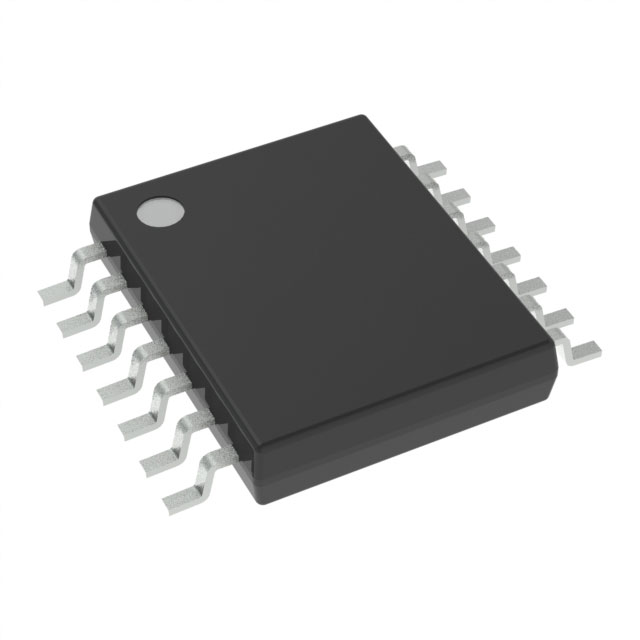 Texas Instruments | Integrated Circuits (ICs) | AUTOMOTIVE, QUAD 36V 1.2MHZ OPERATIONAL AMPLIFIER |
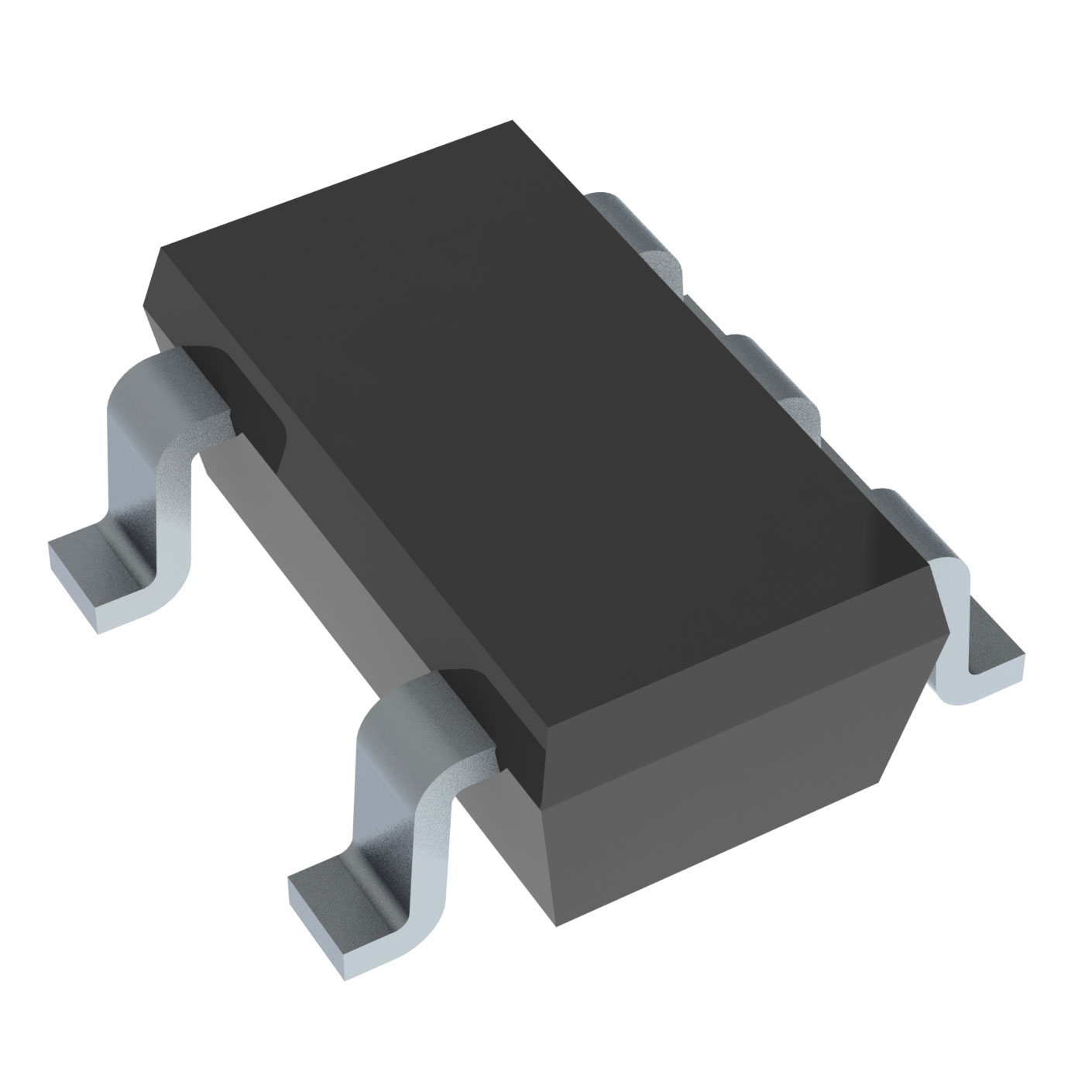 Texas Instruments OPA340NA/3KG4Unknown | Integrated Circuits (ICs) | IC OPAMP GP 1 CIRCUIT SOT23-5 |
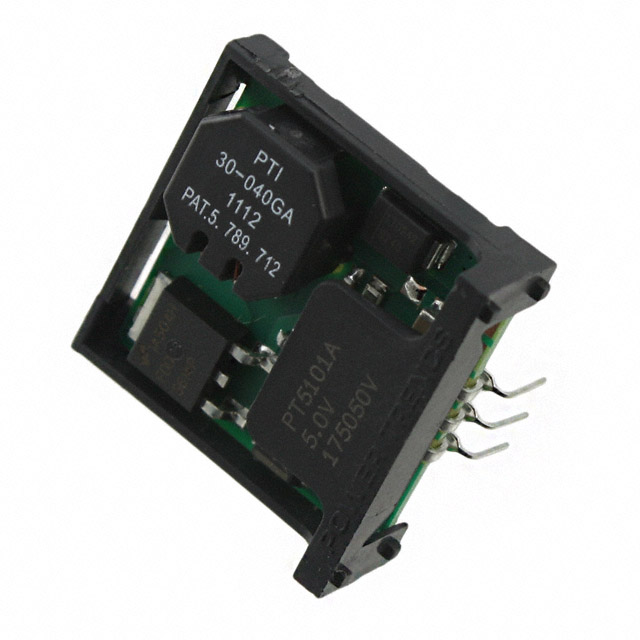 Texas Instruments PT5112AObsolete | Power Supplies - Board Mount | DC DC CONVERTER 8V 8W |
| Series | Category | # Parts | Status | Description |
|---|---|---|---|---|
SN74LS645Octal bus transceivers | Buffers, Drivers, Receivers, Transceivers | 7 | Active | These octal bus transceivers are designed for asynchronous two-way communication between data buses. The devices transmit data from the A bus to the B bus or from the B bus to the A bus depending upon the level at the direction control (DIR) input. The enable input (G) can be used to disable the device so the buses are effectively isolated.
The -1 versions of the SN74LS640 thru SN74LS642, SN74LS644, and SN74LS645 are identical to the standard versions except that the recommended maximum IOLis increased to 48 milliamperes. There are no -1 versions of the SN54LS640 thru SN54LS642, SN54LS644, and SN54LS645.
The SN54LS640 thru SN54LS642, SN54LS644, and SN54LS645 are characterized for operation over the full military tempearture range of –55°C to 125°C. The SN74LS640 thru SN74LS642, SN74LS644, and SN74LS645 are characterized for operation from 0°C to 70°C.
These octal bus transceivers are designed for asynchronous two-way communication between data buses. The devices transmit data from the A bus to the B bus or from the B bus to the A bus depending upon the level at the direction control (DIR) input. The enable input (G) can be used to disable the device so the buses are effectively isolated.
The -1 versions of the SN74LS640 thru SN74LS642, SN74LS644, and SN74LS645 are identical to the standard versions except that the recommended maximum IOLis increased to 48 milliamperes. There are no -1 versions of the SN54LS640 thru SN54LS642, SN54LS644, and SN54LS645.
The SN54LS640 thru SN54LS642, SN54LS644, and SN54LS645 are characterized for operation over the full military tempearture range of –55°C to 125°C. The SN74LS640 thru SN74LS642, SN74LS644, and SN74LS645 are characterized for operation from 0°C to 70°C. |
SN74LS652Octal bus transceivers and registers | Buffers, Drivers, Receivers, Transceivers | 3 | Active | These devices consist of bus transceiver circuits, D-type flip-flops, and control circuitry arranged for multiplexed transmission of data directly from the data bus or from the internal storage registers. Enable GAB and G\BA are provided to control the transceiver functions. SAB and SBA control pins are provided to select whether realtime or stored data is transferred. A low input level selects real-time data, and a high selects stored data. The following examples demonstrate the four fundamental bus-management functions that can be performed with the 'LS651, 'LS652, and 'LS653.
Data on the A or B data bus, or both, can be stored in the internal D flip-flop by low-to-high transitions at the appropriate clock pins (CAB or CBA) regardless of the select or enable control pins. When SAB or SBA are in the real-time transfer mode, it is also possible to store data without using the internal D-type flip-flops by simultaneously enabling GAB and G\BA. In this configuration each output reinforces its input. Thus, when all other data sources to the two sets of bus lines are at high impedance, each set of bus lines will remain at its last state.
The SN54LS651 through SN54LS653 are characterized for operation over the full military temperature range of -55°C to 125°C. The SN74LS651 through SN74LS653 are characterized for operation from 0°C to 70°C.
These devices consist of bus transceiver circuits, D-type flip-flops, and control circuitry arranged for multiplexed transmission of data directly from the data bus or from the internal storage registers. Enable GAB and G\BA are provided to control the transceiver functions. SAB and SBA control pins are provided to select whether realtime or stored data is transferred. A low input level selects real-time data, and a high selects stored data. The following examples demonstrate the four fundamental bus-management functions that can be performed with the 'LS651, 'LS652, and 'LS653.
Data on the A or B data bus, or both, can be stored in the internal D flip-flop by low-to-high transitions at the appropriate clock pins (CAB or CBA) regardless of the select or enable control pins. When SAB or SBA are in the real-time transfer mode, it is also possible to store data without using the internal D-type flip-flops by simultaneously enabling GAB and G\BA. In this configuration each output reinforces its input. Thus, when all other data sources to the two sets of bus lines are at high impedance, each set of bus lines will remain at its last state.
The SN54LS651 through SN54LS653 are characterized for operation over the full military temperature range of -55°C to 125°C. The SN74LS651 through SN74LS653 are characterized for operation from 0°C to 70°C. |
SN74LS6704-by-4 register files with 3-state outputs | Integrated Circuits (ICs) | 4 | Active | The SN54LS670 and SN74LS670 MSI 16-bit TTL register files incorporate the equivalent of 98 gates. The register file is organized as 4 words of 4 bits each and separate on-chip decoding is provided for addressing the four word locations to either write-in or retrieve data. This permits simultaneous writing into one location and reading from another word location.
Four data inputs are available which are used to supply the 4-bit word to be stored. Location of the word is determined by the write-address inputs A and B in conjunction with a write-enable signal. Data applied at the inputs should be in its true form. That is, if a high-level signal is desired from the output, a high-level is applied at the data input for that particular bit location. The latch inputs are arranged so that new data will be accepted only if both internal address gate inputs are high. When this condition exists, data at the D input is transferred to the latch output. When the write-enable input, G\W, is high, the data inputs are inhibited and their levels can cause no change in the information stored in the internal latches. When the read-enable input, G\R, is high, the data outputs are inhibited and go into the high-impedance state.
The individual address lines permit direct acquisition of data stored in any four of the latches. Four individual decoding gates are used to complete the address for reading a word. When the read address is made in conjunction with the read-enable signal, the word appears at the four outputs.
This arrangement — data-entry addressing separate from data-read addressing and individual sense line — eliminates recovery times, permits simultaneous reading and writing, and is limited in speed only by the write time (27 nanoseconds typical) and the read time (24 nanoseconds typical). The register file has a nondestructive readout in that data is not lost when addressed.
All inputs except read enable and write enable are buffered to lower the drive requirements to one Series 54LS/74LS standard load, and input-clamping diodes minimize switching transients to simplify system design. High-speed, double-ended AND-OR-INVERT gates are employed for the read-address function and have high-sink-current, three-state outputs. Up to 128 of these outputs may be bus connected for increasing the capacity up to 512 words. Any number of these registers may be paralleled to provide n-bit word length.
The SN54LS670 is characterized for operation over the full military temperature range of -55°C to 125°C; the SN74LS670 is characterized for operation from 0°C to 70°C.
The SN54LS670 and SN74LS670 MSI 16-bit TTL register files incorporate the equivalent of 98 gates. The register file is organized as 4 words of 4 bits each and separate on-chip decoding is provided for addressing the four word locations to either write-in or retrieve data. This permits simultaneous writing into one location and reading from another word location.
Four data inputs are available which are used to supply the 4-bit word to be stored. Location of the word is determined by the write-address inputs A and B in conjunction with a write-enable signal. Data applied at the inputs should be in its true form. That is, if a high-level signal is desired from the output, a high-level is applied at the data input for that particular bit location. The latch inputs are arranged so that new data will be accepted only if both internal address gate inputs are high. When this condition exists, data at the D input is transferred to the latch output. When the write-enable input, G\W, is high, the data inputs are inhibited and their levels can cause no change in the information stored in the internal latches. When the read-enable input, G\R, is high, the data outputs are inhibited and go into the high-impedance state.
The individual address lines permit direct acquisition of data stored in any four of the latches. Four individual decoding gates are used to complete the address for reading a word. When the read address is made in conjunction with the read-enable signal, the word appears at the four outputs.
This arrangement — data-entry addressing separate from data-read addressing and individual sense line — eliminates recovery times, permits simultaneous reading and writing, and is limited in speed only by the write time (27 nanoseconds typical) and the read time (24 nanoseconds typical). The register file has a nondestructive readout in that data is not lost when addressed.
All inputs except read enable and write enable are buffered to lower the drive requirements to one Series 54LS/74LS standard load, and input-clamping diodes minimize switching transients to simplify system design. High-speed, double-ended AND-OR-INVERT gates are employed for the read-address function and have high-sink-current, three-state outputs. Up to 128 of these outputs may be bus connected for increasing the capacity up to 512 words. Any number of these registers may be paralleled to provide n-bit word length.
The SN54LS670 is characterized for operation over the full military temperature range of -55°C to 125°C; the SN74LS670 is characterized for operation from 0°C to 70°C. |
SN74LS673Serial-in shift registers with output storage registers | Shift Registers | 2 | Active | SN54LS673, SN74LS673
The 'LS673 is a 16-bit shift register and a 16-bit storage register in a single 24-pin package. A three-state input/output (SER/Q15) port to the shift register allows serial entry and/or reading of data. The storage register is connected in a parallel data loop with the shift register and may be asynchronously cleared by taking the store-clear input low. The storage register may be parallel loaded with shift-register data to provide shift-register status via the parallel outputs. The shift register can be parallel loaded with the storage-register data upon commmand.
A high logic level at the chip-level (CS\) input disables both the shift-register clock and the storage register clock and places SER/Q15 in the high-impedance state. The store-clear function is not disabled by the chip select.
Caution must be exercised to prevent false clocking of either the shift register or the storage register via the chip-select input. The shift clock should be low during the low-to-high transition of chip select and the store clock should be low during the high-to-low transition of chip select.
SN54LS674, SN74LS674
The 'LS674 is a 16-bit parallel-in, serial-out shift register. A three-state input/output (SER/Q15) port provides access for entering a serial data or reading the shift-register word in a recirculating loop.
The device has four basic modes of operation:
Low-to-high-level changes at the chip select input should be made only when the clock input is low to prevent false clocking.
SN54LS673, SN74LS673
The 'LS673 is a 16-bit shift register and a 16-bit storage register in a single 24-pin package. A three-state input/output (SER/Q15) port to the shift register allows serial entry and/or reading of data. The storage register is connected in a parallel data loop with the shift register and may be asynchronously cleared by taking the store-clear input low. The storage register may be parallel loaded with shift-register data to provide shift-register status via the parallel outputs. The shift register can be parallel loaded with the storage-register data upon commmand.
A high logic level at the chip-level (CS\) input disables both the shift-register clock and the storage register clock and places SER/Q15 in the high-impedance state. The store-clear function is not disabled by the chip select.
Caution must be exercised to prevent false clocking of either the shift register or the storage register via the chip-select input. The shift clock should be low during the low-to-high transition of chip select and the store clock should be low during the high-to-low transition of chip select.
SN54LS674, SN74LS674
The 'LS674 is a 16-bit parallel-in, serial-out shift register. A three-state input/output (SER/Q15) port provides access for entering a serial data or reading the shift-register word in a recirculating loop.
The device has four basic modes of operation:
Low-to-high-level changes at the chip select input should be made only when the clock input is low to prevent false clocking. |
SN74LS6828-Bit Identity/Magnitude Comparators | Integrated Circuits (ICs) | 5 | Active | These magnitude comparators perform comparisons of two eight-bit binary or BCD words. All types provide P = Q\ outputs and all except 'LS688 provide P > Q\ outputs as well. The 'LS682, 'LS684, 'LS686, and 'LS688 have totem-pole outputs, while the 'LS685 and 'LS687 have open-collector outputs. The 'LS682 features 20-kpullup termination resistors on the Q inputs for analog or switch data.
These magnitude comparators perform comparisons of two eight-bit binary or BCD words. All types provide P = Q\ outputs and all except 'LS688 provide P > Q\ outputs as well. The 'LS682, 'LS684, 'LS686, and 'LS688 have totem-pole outputs, while the 'LS685 and 'LS687 have open-collector outputs. The 'LS682 features 20-kpullup termination resistors on the Q inputs for analog or switch data. |
SN74LS6848-Bit Identity/Magnitude Comparators | Logic | 3 | Active | These magnitude comparators perform comparisons of two eight-bit binary or BCD words. All types provide P = Q\ outputs and all except 'LS688 provide P > Q\ outputs as well. The 'LS682, 'LS684, 'LS686, and 'LS688 have totem-pole outputs, while the 'LS685 and 'LS687 have open-collector outputs. The 'LS682 features 20-kpullup termination resistors on the Q inputs for analog or switch data.
These magnitude comparators perform comparisons of two eight-bit binary or BCD words. All types provide P = Q\ outputs and all except 'LS688 provide P > Q\ outputs as well. The 'LS682, 'LS684, 'LS686, and 'LS688 have totem-pole outputs, while the 'LS685 and 'LS687 have open-collector outputs. The 'LS682 features 20-kpullup termination resistors on the Q inputs for analog or switch data. |
SN74LS6888-Bit Identity/Magnitude Comparators (P=Q) with Enable | Integrated Circuits (ICs) | 5 | Active | These magnitude comparators perform comparisons of two eight-bit binary or BCD words. All types provide P = Q\ outputs and all except 'LS688 provide P > Q\ outputs as well. The 'LS682, 'LS684, 'LS686, and 'LS688 have totem-pole outputs, while the 'LS685 and 'LS687 have open-collector outputs. The 'LS682 features 20-kpullup termination resistors on the Q inputs for analog or switch data.
These magnitude comparators perform comparisons of two eight-bit binary or BCD words. All types provide P = Q\ outputs and all except 'LS688 provide P > Q\ outputs as well. The 'LS682, 'LS684, 'LS686, and 'LS688 have totem-pole outputs, while the 'LS685 and 'LS687 have open-collector outputs. The 'LS682 features 20-kpullup termination resistors on the Q inputs for analog or switch data. |
SN74LS697Synchronous 4-Bit Up/Down Binary Counters With Output Registers And Multiplexed 3-State Outputs | Logic | 2 | Active | These low-power Schottky LSI devices incorporate synchronous up/down counters, four-bit D-type registers, and quadruple two-line to one-line multiplexers with three state outputs in a single 20-pin package. The up/down counters are programmable from the data inputs and feature enable P\ and enable T\ and a ripple-carry output for easy expansion. The register/counter select input R/C\, selects the counter when low and the register when high for the three-state outputs, QA, QB, QC, and QD. These outputs are rated at 12 and 24 milliamperes (54LS/74LS) for good bus driving performance.
Both the counter CCK and register clock RCK are positive-edge triggered. The counter clear CCLR\ is active low and is asynchronous on the 'LS696 and 'LS697, synchronous on the 'LS699. Loading of the counter is accomplished when LOAD\ is taken low and a positive transition occurs on the counter clock CCK.
Expansion is easily accomplished by connecting RCO\ of the first stage to ENT\ of the second stage, etc. All ENP\ inputs can be tied common and used as a master enable or disable control.
These low-power Schottky LSI devices incorporate synchronous up/down counters, four-bit D-type registers, and quadruple two-line to one-line multiplexers with three state outputs in a single 20-pin package. The up/down counters are programmable from the data inputs and feature enable P\ and enable T\ and a ripple-carry output for easy expansion. The register/counter select input R/C\, selects the counter when low and the register when high for the three-state outputs, QA, QB, QC, and QD. These outputs are rated at 12 and 24 milliamperes (54LS/74LS) for good bus driving performance.
Both the counter CCK and register clock RCK are positive-edge triggered. The counter clear CCLR\ is active low and is asynchronous on the 'LS696 and 'LS697, synchronous on the 'LS699. Loading of the counter is accomplished when LOAD\ is taken low and a positive transition occurs on the counter clock CCK.
Expansion is easily accomplished by connecting RCO\ of the first stage to ENT\ of the second stage, etc. All ENP\ inputs can be tied common and used as a master enable or disable control. |
SN74LS73ADual J-K Flip-Flops with Clear | Logic | 4 | Active | The '73, and 'H73, contain two independent J-K flip-flops with individual J-K, clock, and direct clear inputs. The '73, and 'H73, are positive pulse-triggered flip-flops. J-K input is loaded into the master while the clock is high and transferred to the slave on the high-to-low transition. For these devices the J and K inputs must be stable while the clock is high.
The 'LS73A contains two independent negative-edge-triggered flip-flops. The J and K inputs must be stable one setup time prior to the high-to-low clock transition for predictable operation. When the clear is low, it overrides the clock and data inputs forcing the Q output low and the Q\ output high.
The SN5473, SN54H73, and the SN54LS73A are characterized for operation over the full military temperature range of -55°C to 125°C. The SN7473, and the SN74LS73A are characterized for operation from 0°C to 70°C.
The '73, and 'H73, contain two independent J-K flip-flops with individual J-K, clock, and direct clear inputs. The '73, and 'H73, are positive pulse-triggered flip-flops. J-K input is loaded into the master while the clock is high and transferred to the slave on the high-to-low transition. For these devices the J and K inputs must be stable while the clock is high.
The 'LS73A contains two independent negative-edge-triggered flip-flops. The J and K inputs must be stable one setup time prior to the high-to-low clock transition for predictable operation. When the clear is low, it overrides the clock and data inputs forcing the Q output low and the Q\ output high.
The SN5473, SN54H73, and the SN54LS73A are characterized for operation over the full military temperature range of -55°C to 125°C. The SN7473, and the SN74LS73A are characterized for operation from 0°C to 70°C. |
SN74LS74ADual D-type pos.-edge-triggered flip-flops with preset and clear | Integrated Circuits (ICs) | 7 | Active | These devices contain two independent D-type positive-edge-triggered flip-flops. A low level at the preset or clear inputs sets or resets the outputs regardless of the levels of the other inputs. When preset and clear are inactive (high), data at the D input meeting the setup time requirements are transferred to the outputs on the positive-going edge of the clock pulse. Clock triggering occurs at a voltage level and is not directly related to the rise time of the clock pulse. Following the hold time interval, data at the D input may be changed without affecting the levels at the outputs.
The SN54' family is characterized for operation over the full military temperature range of -55°C to 125°C. The SN74' family is characterized for operation from 0°C to 70°C.
These devices contain two independent D-type positive-edge-triggered flip-flops. A low level at the preset or clear inputs sets or resets the outputs regardless of the levels of the other inputs. When preset and clear are inactive (high), data at the D input meeting the setup time requirements are transferred to the outputs on the positive-going edge of the clock pulse. Clock triggering occurs at a voltage level and is not directly related to the rise time of the clock pulse. Following the hold time interval, data at the D input may be changed without affecting the levels at the outputs.
The SN54' family is characterized for operation over the full military temperature range of -55°C to 125°C. The SN74' family is characterized for operation from 0°C to 70°C. |