T
Texas Instruments
| Series | Category | # Parts | Status | Description |
|---|---|---|---|---|
| Part | Spec A | Spec B | Spec C | Spec D | Description |
|---|---|---|---|---|---|



| Series | Category | # Parts | Status | Description |
|---|---|---|---|---|
| Part | Spec A | Spec B | Spec C | Spec D | Description |
|---|---|---|---|---|---|
| Part | Category | Description |
|---|---|---|
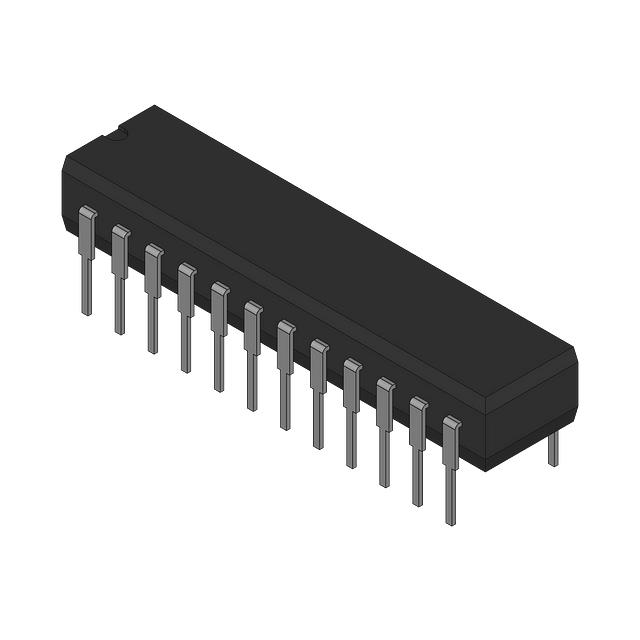 Texas Instruments | Integrated Circuits (ICs) | BUS DRIVER, BCT/FBT SERIES |
 Texas Instruments | Integrated Circuits (ICs) | 12BIT 3.3V~3.6V 210MHZ PARALLEL VQFN-48-EP(7X7) ANALOG TO DIGITAL CONVERTERS (ADC) ROHS |
Texas Instruments | Integrated Circuits (ICs) | TMX320DRE311 179PIN UBGA 200MHZ |
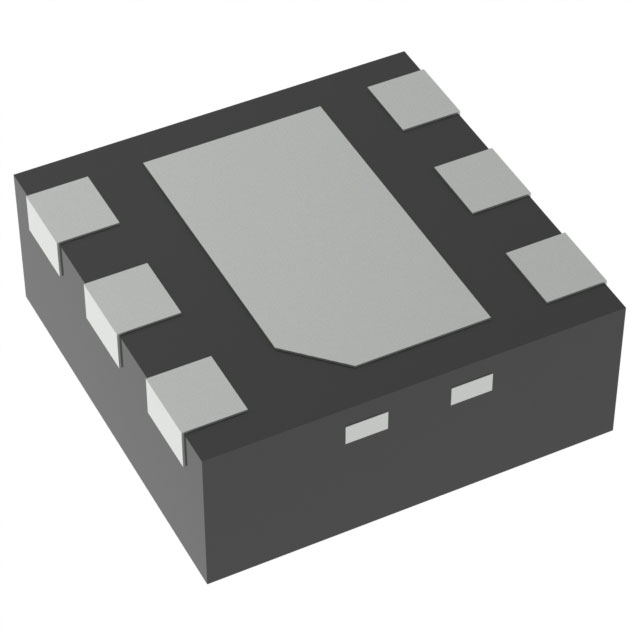 Texas Instruments TPS61040DRVTG4Unknown | Integrated Circuits (ICs) | IC LED DRV RGLTR PWM 350MA 6WSON |
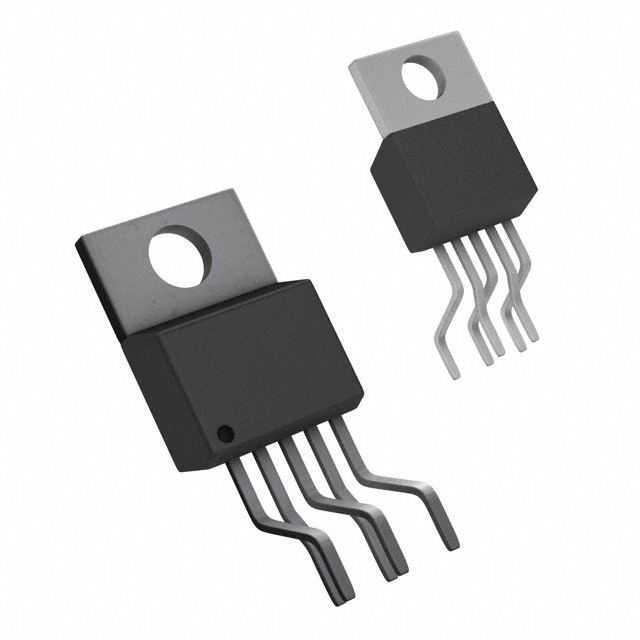 Texas Instruments LP3876ET-2.5Obsolete | Integrated Circuits (ICs) | IC REG LINEAR 2.5V 3A TO220-5 |
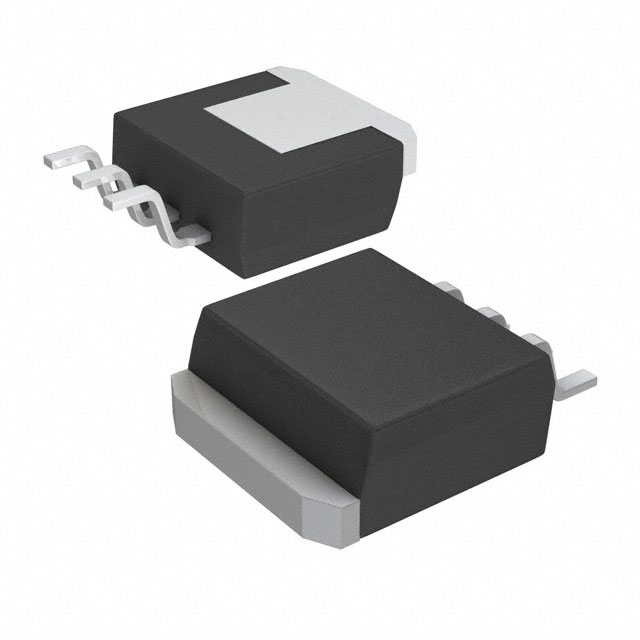 Texas Instruments LMS1585ACSX-ADJObsolete | Integrated Circuits (ICs) | IC REG LIN POS ADJ 5A DDPAK |
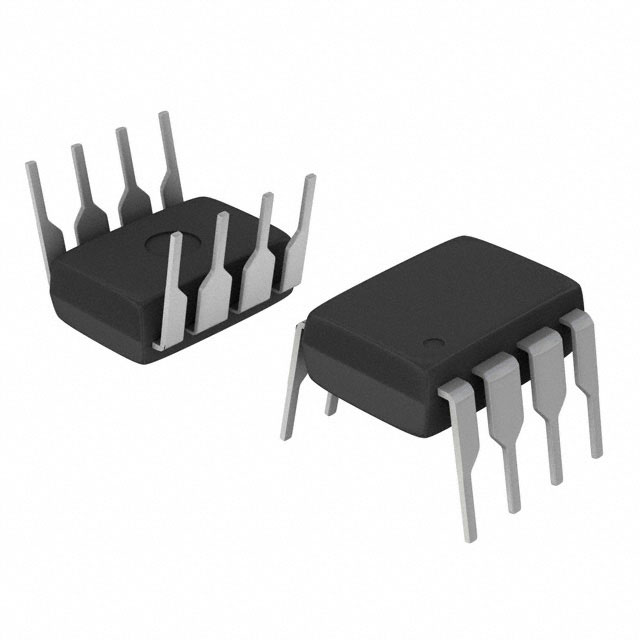 Texas Instruments INA111APG4Obsolete | Integrated Circuits (ICs) | IC INST AMP 1 CIRCUIT 8DIP |
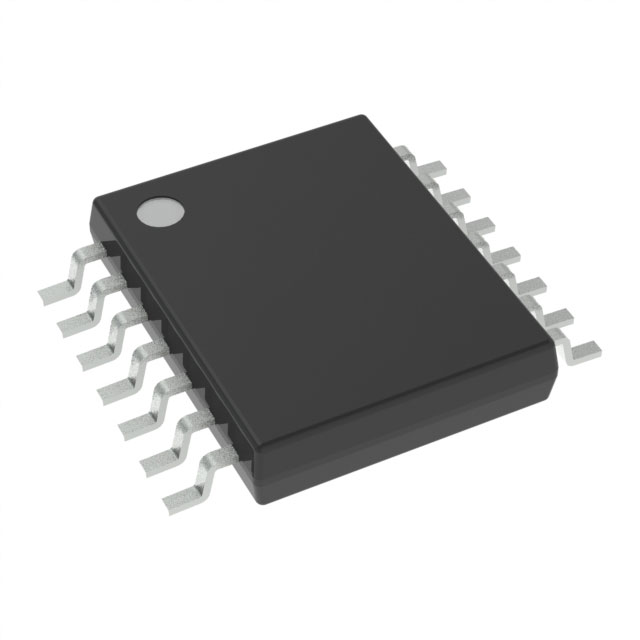 Texas Instruments | Integrated Circuits (ICs) | AUTOMOTIVE, QUAD 36V 1.2MHZ OPERATIONAL AMPLIFIER |
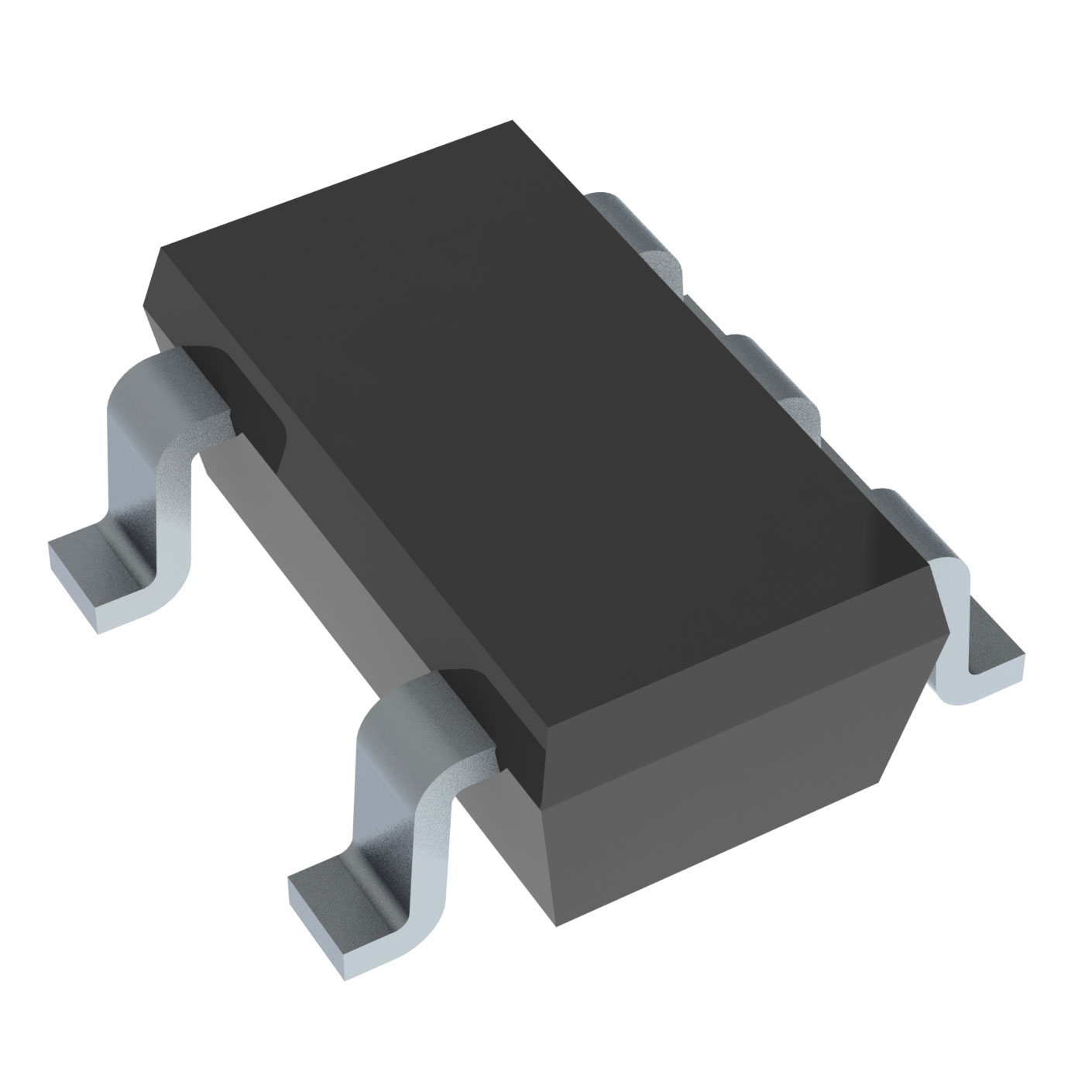 Texas Instruments OPA340NA/3KG4Unknown | Integrated Circuits (ICs) | IC OPAMP GP 1 CIRCUIT SOT23-5 |
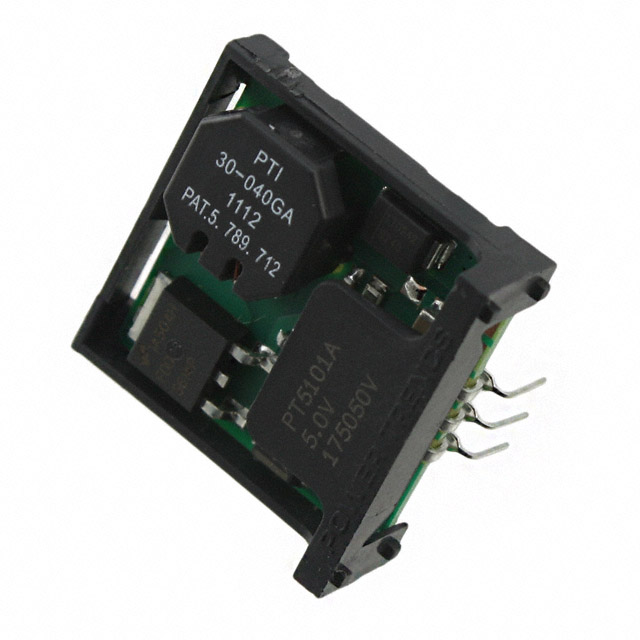 Texas Instruments PT5112AObsolete | Power Supplies - Board Mount | DC DC CONVERTER 8V 8W |
| Series | Category | # Parts | Status | Description |
|---|---|---|---|---|
SN74LS423Dual Retriggerable Monostable Multivibrators | Multivibrators | 4 | Active | The 'LS422 and 'LS423 are identical to 'LS122 and 'LS123 except they cannot be triggered via clear.
These d-c triggered multivibrators feature output-pulse-width control by three methods. The basic pulse time is programmed by selection of external resistance and capacitance values (see typical application data). The 'LS422 contains an internal timing resistor that allows the circuits to be used with only an external capacitor, if so desired. Once triggered, the basic pulse width may be extended by retriggering the gated low-level-active (A) or high-level-active (B) inputs, or be reduced by use of the overriding clear. Figure 1 illustrates pulse control by retriggering and early clear.
The 'LS422 and 'LS423 have enough Schmitt hysteresis to ensure jitter-free triggering from the B input with transition rates as slow as 0.1 millivolt per nanosecond. The 'LS422 Rintis nominally 10 k ohms.
The SN54LS422 and SN54LS423 are characterized for operation over the full military temperature range of -55°C to 125°C. The SN74LS422 and SN74LS423 are characterized for operation from 0°C to 70°C.FIGURE 1-TYPICAL INPUT/OUTPUT PULSES
The 'LS422 and 'LS423 are identical to 'LS122 and 'LS123 except they cannot be triggered via clear.
These d-c triggered multivibrators feature output-pulse-width control by three methods. The basic pulse time is programmed by selection of external resistance and capacitance values (see typical application data). The 'LS422 contains an internal timing resistor that allows the circuits to be used with only an external capacitor, if so desired. Once triggered, the basic pulse width may be extended by retriggering the gated low-level-active (A) or high-level-active (B) inputs, or be reduced by use of the overriding clear. Figure 1 illustrates pulse control by retriggering and early clear.
The 'LS422 and 'LS423 have enough Schmitt hysteresis to ensure jitter-free triggering from the B input with transition rates as slow as 0.1 millivolt per nanosecond. The 'LS422 Rintis nominally 10 k ohms.
The SN54LS422 and SN54LS423 are characterized for operation over the full military temperature range of -55°C to 125°C. The SN74LS422 and SN74LS423 are characterized for operation from 0°C to 70°C.FIGURE 1-TYPICAL INPUT/OUTPUT PULSES |
SN74LS47BCD-to-Seven-Segment Decoders/Drivers | Integrated Circuits (ICs) | 3 | Active | The '46A, '47A, and 'LS47 feature active-low outputs designed for driving, common-anode LEDs or incandescent indicators directly. The '48, 'LS48, and 'LS49 feature active-high outputs for driving lamp buffers or common-cathode LEDs. All of the circuits except 'LS49 have full ripple-blanking input/output controls and a lamp test input. The 'LS49 circuit incorporates a direct blanking input. Segment identification and resultant displays are shown below. Display patterns for BCD input counts above 9 are unique symbols to authenticate input conditions.
The '46A, '47A, '48, 'LS47, and 'LS48 circuits incorporate automatic leading and/or trailing-edge zero-blanking control (RBI\ and RBO\). Lamp test (LT\) of these types may be performed at any time when the BI\/RBO\ node is at a high level. All types (including the '49 and 'LS49) contain an overriding blanking input (BI\), which can be used to control the lamp intensity by pulsing or to inhibit the outputs. Inputs and outputs are entirely compatible for use with TTL logic outputs.
The SN54246/SN74246 and '247 and the SN54LS247/SN74LS247 and 'LS248 compose the 6 and the 9 with tails and were designed to offer the designer a choice between two indicator fonts.
The '46A, '47A, and 'LS47 feature active-low outputs designed for driving, common-anode LEDs or incandescent indicators directly. The '48, 'LS48, and 'LS49 feature active-high outputs for driving lamp buffers or common-cathode LEDs. All of the circuits except 'LS49 have full ripple-blanking input/output controls and a lamp test input. The 'LS49 circuit incorporates a direct blanking input. Segment identification and resultant displays are shown below. Display patterns for BCD input counts above 9 are unique symbols to authenticate input conditions.
The '46A, '47A, '48, 'LS47, and 'LS48 circuits incorporate automatic leading and/or trailing-edge zero-blanking control (RBI\ and RBO\). Lamp test (LT\) of these types may be performed at any time when the BI\/RBO\ node is at a high level. All types (including the '49 and 'LS49) contain an overriding blanking input (BI\), which can be used to control the lamp intensity by pulsing or to inhibit the outputs. Inputs and outputs are entirely compatible for use with TTL logic outputs.
The SN54246/SN74246 and '247 and the SN54LS247/SN74LS247 and 'LS248 compose the 6 and the 9 with tails and were designed to offer the designer a choice between two indicator fonts. |
SN74LS512-Wide 2-Input and 2-Wide 3-Input AND-OR-Invert Gates | Logic | 4 | Active | The '51 and 'S51 contain two independent 2-wide 2-input AND-OR-INVERT gates. They perform the Boolean function Y = AB + CD\.
The 'LS51 contains one 2-wide 3-input and one 2-wide 2-input AND-OR-INVERT gates. They perform the Boolean functions 1Y = (1A · 1B · 1C) + (1D · 1E · 1F)\ and 2Y = (2A · 2B) + (2C · 2D)\.
The SN5451, SN54LS51, and SN54S51 are characterized for operation over the full military temperature range of -55°C to 125°C. The SN7451, SN74LS51 and SN74S51 are characterized for operation from 0°C to 70°C.
The '51 and 'S51 contain two independent 2-wide 2-input AND-OR-INVERT gates. They perform the Boolean function Y = AB + CD\.
The 'LS51 contains one 2-wide 3-input and one 2-wide 2-input AND-OR-INVERT gates. They perform the Boolean functions 1Y = (1A · 1B · 1C) + (1D · 1E · 1F)\ and 2Y = (2A · 2B) + (2C · 2D)\.
The SN5451, SN54LS51, and SN54S51 are characterized for operation over the full military temperature range of -55°C to 125°C. The SN7451, SN74LS51 and SN74S51 are characterized for operation from 0°C to 70°C. |
SN74LS5408-ch, 4.75-V to 5.25-V bipolar inverters with 3-state outputs | Logic | 5 | Active | These octal buffers and line drivers are designed to have the performance of the popular SN54LS240/SN74LS240 series and, at the same time, offer a pinout having the inputs and outputs on opposite sides of the package. This arrangement greatly enhances printed circuit board layout.
The three-state control gate is a 2-input NOR such that if either G1\ or G2\ are high, all eight outputs are in the high-impedance state.
The 'LS540 offers inverting data and the 'LS541 offers true data at the outputs.
The SN54LS540 and SN54LS541 are characterized for operation over the full military temperature range of -55°C to 125°C. The SN74LS540 and SN74LS541 are characterized for operation from 0°C to 70°C.
These octal buffers and line drivers are designed to have the performance of the popular SN54LS240/SN74LS240 series and, at the same time, offer a pinout having the inputs and outputs on opposite sides of the package. This arrangement greatly enhances printed circuit board layout.
The three-state control gate is a 2-input NOR such that if either G1\ or G2\ are high, all eight outputs are in the high-impedance state.
The 'LS540 offers inverting data and the 'LS541 offers true data at the outputs.
The SN54LS540 and SN54LS541 are characterized for operation over the full military temperature range of -55°C to 125°C. The SN74LS540 and SN74LS541 are characterized for operation from 0°C to 70°C. |
SN74LS5418-ch, 4.75-V to 5.25-V bipolar buffers with 3-state outputs | Logic | 7 | Active | These octal buffers and line drivers are designed to have the performance of the popular SN54LS240/SN74LS240 series and, at the same time, offer a pinout having the inputs and outputs on opposite sides of the package. This arrangement greatly enhances printed circuit board layout.
The three-state control gate is a 2-input NOR such that if either G1\ or G2\ are high, all eight outputs are in the high-impedance state.
The 'LS540 offers inverting data and the 'LS541 offers true data at the outputs.
The SN54LS540 and SN54LS541 are characterized for operation over the full military temperature range of -55°C to 125°C. The SN74LS540 and SN74LS541 are characterized for operation from 0°C to 70°C.
These octal buffers and line drivers are designed to have the performance of the popular SN54LS240/SN74LS240 series and, at the same time, offer a pinout having the inputs and outputs on opposite sides of the package. This arrangement greatly enhances printed circuit board layout.
The three-state control gate is a 2-input NOR such that if either G1\ or G2\ are high, all eight outputs are in the high-impedance state.
The 'LS540 offers inverting data and the 'LS541 offers true data at the outputs.
The SN54LS540 and SN54LS541 are characterized for operation over the full military temperature range of -55°C to 125°C. The SN74LS540 and SN74LS541 are characterized for operation from 0°C to 70°C. |
| Uncategorized | 1 | Obsolete | ||
SN74LS5908-Bit Binary Counters With Output Registers And 3-State Outputs | Counters, Dividers | 3 | Active | These devices each contain an 8-bit binary counter that feeds an 8-bit storage register. The storage register has parallel outputs. Separate clocks are provided for both the binary counter and storage register. The binary counter features a direct clear input CCLR\ and a count enable input CCKEN\. For cascading, a ripple carry output RCO\ is provided. Expansion is easily accomplished for two stages by connecting RCO\ of the first stage to CCKEN\ of the second stage. Cascading for larger count chains can be accomplished by connecting RCO\ of each stage to CCK of the following stage.
Both the counter and register clocks are positive-edge triggered. If the user wishes to connect both clocks together, the counter state will always be one count ahead of the register. Internal circuitry prevents clocking from the clock enable.
These devices each contain an 8-bit binary counter that feeds an 8-bit storage register. The storage register has parallel outputs. Separate clocks are provided for both the binary counter and storage register. The binary counter features a direct clear input CCLR\ and a count enable input CCKEN\. For cascading, a ripple carry output RCO\ is provided. Expansion is easily accomplished for two stages by connecting RCO\ of the first stage to CCKEN\ of the second stage. Cascading for larger count chains can be accomplished by connecting RCO\ of each stage to CCK of the following stage.
Both the counter and register clocks are positive-edge triggered. If the user wishes to connect both clocks together, the counter state will always be one count ahead of the register. Internal circuitry prevents clocking from the clock enable. |
SN74LS5928-Bit Binary Counters With Input Registers | Logic | 2 | Active | The 'LS592 comes in a 16-pin package and consists of a parallel input, 8-bit storage register feeding an 8-bit binary counter. Both the register and the counter have individual positive-edge-triggered clocks. In addition, the counter has direct load and clear functions. A low-going RCO\ pulse will be obtained when the counter reaches the hex word FF. Expansion is easily accomplished for two stages by connecting RCO\ of the first stage to CCKEN\ of the second stage. Cascading for larger count chains can be accomplished by connecting RCO\ of each stage to CCK of the following stage.
The 'LS593 comes in a 20-pin package and has all the features of the 'LS592 plus 3-state I/O, which provides parallel counter outputs. The tables below show the operation of the enable (CCKEN, CCKEN\) inputs. A register clock enable (RCKEN\) is also provided.
The 'LS592 comes in a 16-pin package and consists of a parallel input, 8-bit storage register feeding an 8-bit binary counter. Both the register and the counter have individual positive-edge-triggered clocks. In addition, the counter has direct load and clear functions. A low-going RCO\ pulse will be obtained when the counter reaches the hex word FF. Expansion is easily accomplished for two stages by connecting RCO\ of the first stage to CCKEN\ of the second stage. Cascading for larger count chains can be accomplished by connecting RCO\ of each stage to CCK of the following stage.
The 'LS593 comes in a 20-pin package and has all the features of the 'LS592 plus 3-state I/O, which provides parallel counter outputs. The tables below show the operation of the enable (CCKEN, CCKEN\) inputs. A register clock enable (RCKEN\) is also provided. |
SN74LS5938-Bit Binary Counters With Input Registers And 3-State Outputs | Counters, Dividers | 1 | Obsolete | The 'LS592 comes in a 16-pin package and consists of a parallel input, 8-bit storage register feeding an 8-bit binary counter. Both the register and the counter have individual positive-edge-triggered clocks. In addition, the counter has direct load and clear functions. A low-going RCO\ pulse will be obtained when the counter reaches the hex word FF. Expansion is easily accomplished for two stages by connecting RCO\ of the first stage to CCKEN\ of the second stage. Cascading for larger count chains can be accomplished by connecting RCO\ of each stage to CCK of the following stage.
The 'LS593 comes in a 20-pin package and has all the features of the 'LS592 plus 3-state I/O, which provides parallel counter outputs. The tables below show the operation of the enable (CCKEN, CCKEN\) inputs. A register clock enable (RCKEN\) is also provided.
The 'LS592 comes in a 16-pin package and consists of a parallel input, 8-bit storage register feeding an 8-bit binary counter. Both the register and the counter have individual positive-edge-triggered clocks. In addition, the counter has direct load and clear functions. A low-going RCO\ pulse will be obtained when the counter reaches the hex word FF. Expansion is easily accomplished for two stages by connecting RCO\ of the first stage to CCKEN\ of the second stage. Cascading for larger count chains can be accomplished by connecting RCO\ of each stage to CCK of the following stage.
The 'LS593 comes in a 20-pin package and has all the features of the 'LS592 plus 3-state I/O, which provides parallel counter outputs. The tables below show the operation of the enable (CCKEN, CCKEN\) inputs. A register clock enable (RCKEN\) is also provided. |
SN74LS594Serial-in shift registers with output latches | Logic | 3 | Active | These devices each contain an 8-bit D-type sorage register. The storage register has buffered ('LS594) or open-collector ('LS599) outputs. Separate clocks and direct-overriding clears are provided on both the shift and storage registers. A shift output (QH') is provided for cascading purposes.
Both the shift register and the storage register clocks are positive-edge triggered. If the user wishes to connect both clocks together, the shift register will always be one clock pulse ahead of the storage register.
These devices each contain an 8-bit D-type sorage register. The storage register has buffered ('LS594) or open-collector ('LS599) outputs. Separate clocks and direct-overriding clears are provided on both the shift and storage registers. A shift output (QH') is provided for cascading purposes.
Both the shift register and the storage register clocks are positive-edge triggered. If the user wishes to connect both clocks together, the shift register will always be one clock pulse ahead of the storage register. |