T
Texas Instruments
| Series | Category | # Parts | Status | Description |
|---|---|---|---|---|
| Part | Spec A | Spec B | Spec C | Spec D | Description |
|---|---|---|---|---|---|



| Series | Category | # Parts | Status | Description |
|---|---|---|---|---|
| Part | Spec A | Spec B | Spec C | Spec D | Description |
|---|---|---|---|---|---|
| Part | Category | Description |
|---|---|---|
 Texas Instruments | Integrated Circuits (ICs) | BUS DRIVER, BCT/FBT SERIES |
 Texas Instruments | Integrated Circuits (ICs) | 12BIT 3.3V~3.6V 210MHZ PARALLEL VQFN-48-EP(7X7) ANALOG TO DIGITAL CONVERTERS (ADC) ROHS |
Texas Instruments | Integrated Circuits (ICs) | TMX320DRE311 179PIN UBGA 200MHZ |
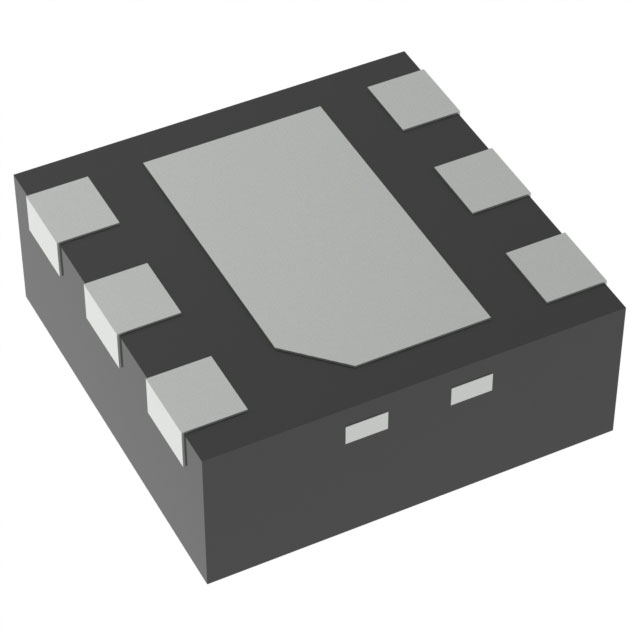 Texas Instruments TPS61040DRVTG4Unknown | Integrated Circuits (ICs) | IC LED DRV RGLTR PWM 350MA 6WSON |
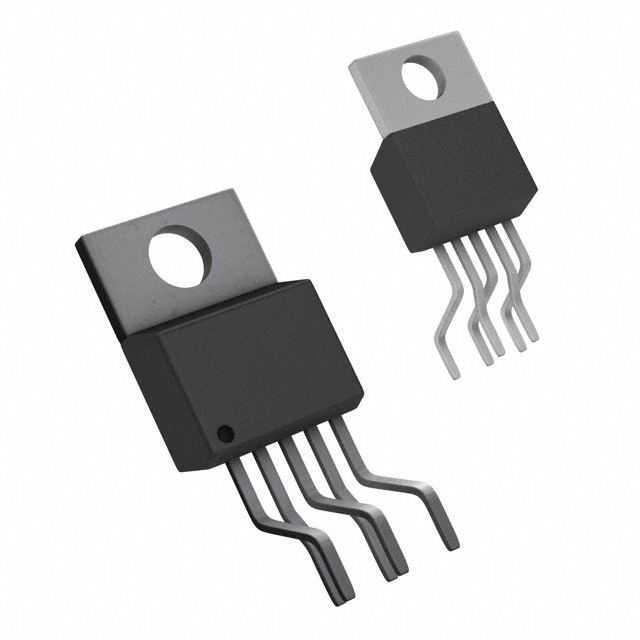 Texas Instruments LP3876ET-2.5Obsolete | Integrated Circuits (ICs) | IC REG LINEAR 2.5V 3A TO220-5 |
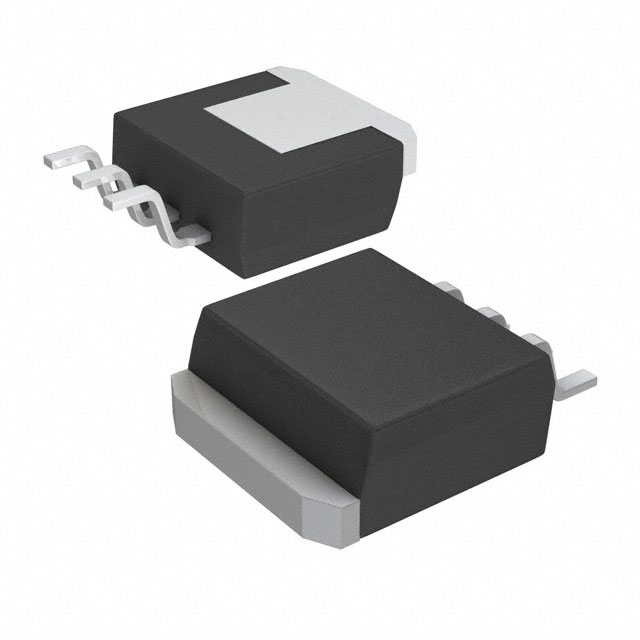 Texas Instruments LMS1585ACSX-ADJObsolete | Integrated Circuits (ICs) | IC REG LIN POS ADJ 5A DDPAK |
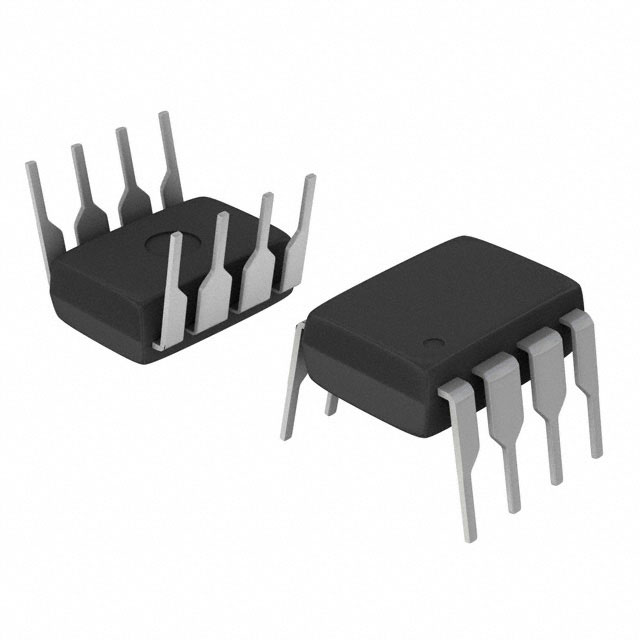 Texas Instruments INA111APG4Obsolete | Integrated Circuits (ICs) | IC INST AMP 1 CIRCUIT 8DIP |
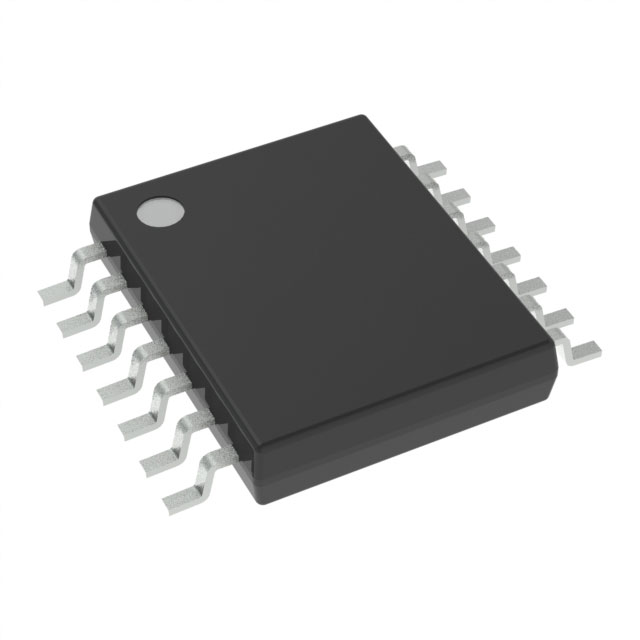 Texas Instruments | Integrated Circuits (ICs) | AUTOMOTIVE, QUAD 36V 1.2MHZ OPERATIONAL AMPLIFIER |
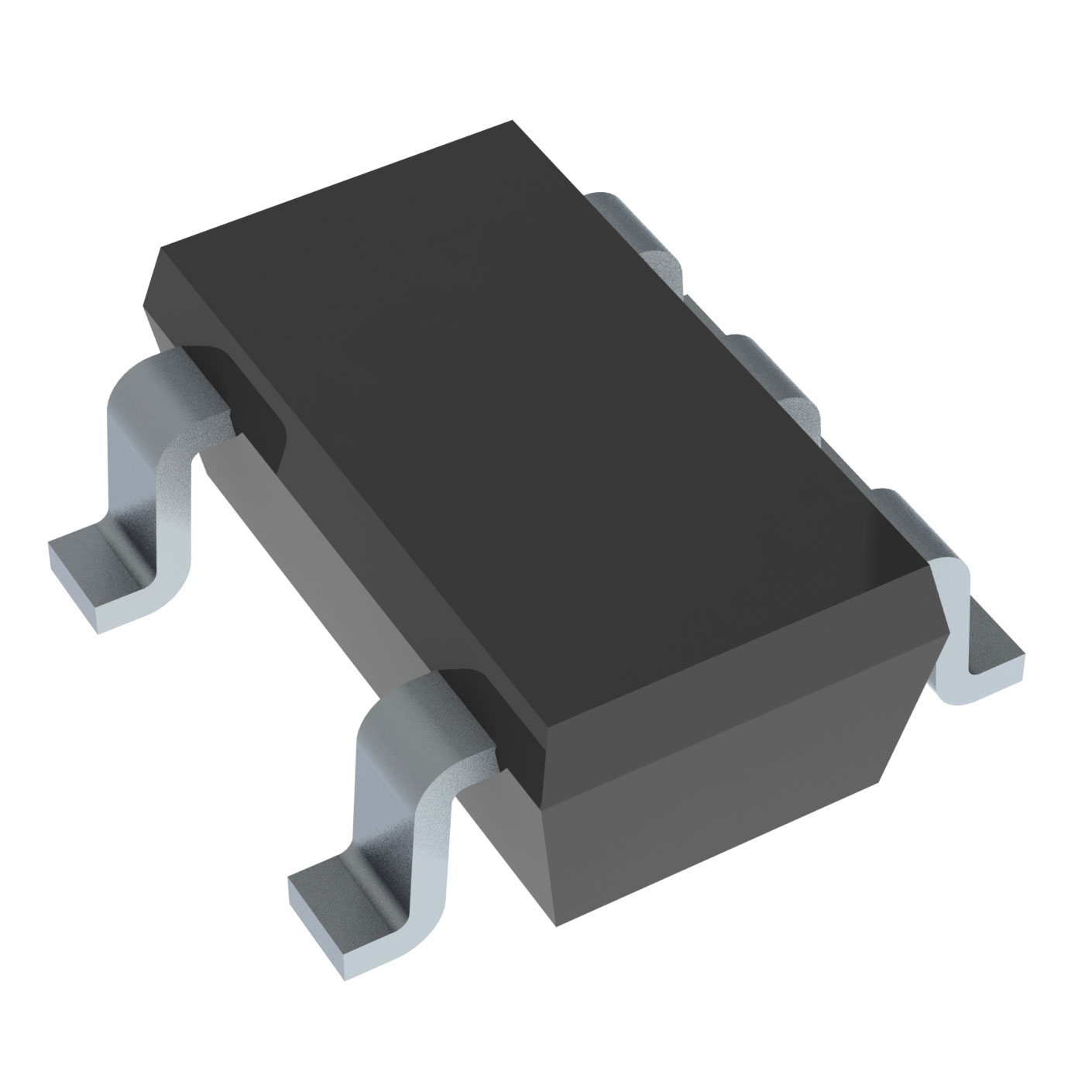 Texas Instruments OPA340NA/3KG4Unknown | Integrated Circuits (ICs) | IC OPAMP GP 1 CIRCUIT SOT23-5 |
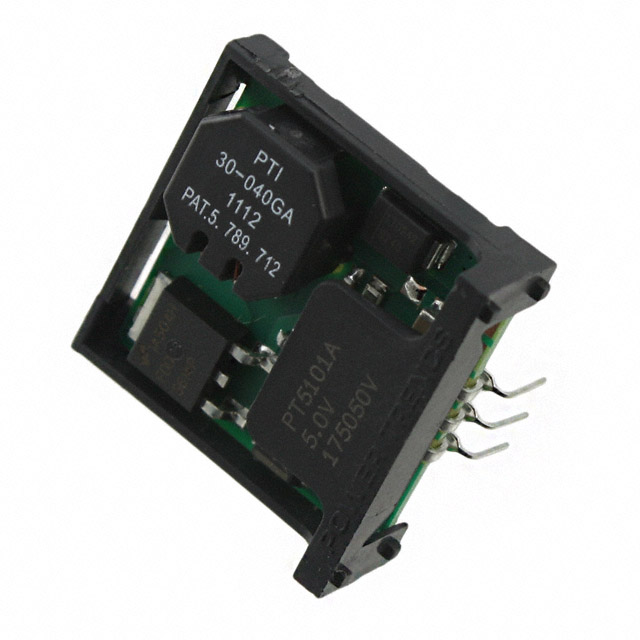 Texas Instruments PT5112AObsolete | Power Supplies - Board Mount | DC DC CONVERTER 8V 8W |
| Series | Category | # Parts | Status | Description |
|---|---|---|---|---|
SN74LS258BQuadruple 2-Line To 1-Line Data Selectors/Multiplexers With 3-State Outputs | Signal Switches, Multiplexers, Decoders | 3 | Active | These devices are designed to multiplex signals from four-bit data sources to four-output data lines in bus-organized systems. The 3-state outputs will not load the data lines when the output control pin (G\) is at a high-logic level.
Series 54LS and 54S are characterized for operation over the full military temperature range of -55°C to 125°C; Series 74LS and 74S are characterized for operation from 0°C to 70°C.
These devices are designed to multiplex signals from four-bit data sources to four-output data lines in bus-organized systems. The 3-state outputs will not load the data lines when the output control pin (G\) is at a high-logic level.
Series 54LS and 54S are characterized for operation over the full military temperature range of -55°C to 125°C; Series 74LS and 74S are characterized for operation from 0°C to 70°C. |
SN74LS259BOctal addressable latches | Latches | 2 | Active | These 8-bit addressable latches are designed for general purpose storage applications in digital systems. Specific uses include working registers, serial-holding registers, and active-high decoders or demultiplexers. They are multifunctional devices capable of storing single-line data in eight addressable latches, and being a 1-of-8 decoder or demultiplexer with active-high outputs.
Four distinct modes of operation are selectable by controlling the clear (CLR\) and enable (G\) inputs as enumerated in the function table. In the addressable-latch mode, data at the data-in terminal is written into the addressed latch. The addressed latch will follow the data input with all unaddressed latches remaining in their previous states. In the memory mode, all latches remain in their previous states and are unaffected by the data or address inputs. To eliminate the possibility of entering erroneous data in the latches, enable G\ should be held high (inactive) while the address lines are changing. In the 1-of-8 decoding or demultiplexing mode, the addressed output will follow the level of the D input with all other outputs low. In the clear mode, all outputs are low and unaffected by the address and data inputs.
The SN54259 and SN54LS259B are characterized for operation over the full military temperature range of -55°C to 125°C. The SN74259 and SN74LS259B are characterized for operation from 0°C to 70°C.
These 8-bit addressable latches are designed for general purpose storage applications in digital systems. Specific uses include working registers, serial-holding registers, and active-high decoders or demultiplexers. They are multifunctional devices capable of storing single-line data in eight addressable latches, and being a 1-of-8 decoder or demultiplexer with active-high outputs.
Four distinct modes of operation are selectable by controlling the clear (CLR\) and enable (G\) inputs as enumerated in the function table. In the addressable-latch mode, data at the data-in terminal is written into the addressed latch. The addressed latch will follow the data input with all unaddressed latches remaining in their previous states. In the memory mode, all latches remain in their previous states and are unaffected by the data or address inputs. To eliminate the possibility of entering erroneous data in the latches, enable G\ should be held high (inactive) while the address lines are changing. In the 1-of-8 decoding or demultiplexing mode, the addressed output will follow the level of the D input with all other outputs low. In the clear mode, all outputs are low and unaffected by the address and data inputs.
The SN54259 and SN54LS259B are characterized for operation over the full military temperature range of -55°C to 125°C. The SN74259 and SN74LS259B are characterized for operation from 0°C to 70°C. |
SN74LS264-ch, 2-input, 4.75-V to 5.25-V bipolar NAND gates | Gates and Inverters | 3 | Active | These 2-input open-collector NAND gates feature high-output voltage ratings for interfacing with low-threshold-voltage MOS logic circuits or other 12-volt systems. Although the output is rated to withstand 15 volts, the VCCterminal is connected to the standard 5-volt source.
The SN5426 and SN54LS26 are characterized for operation over the full military temperature range of -55°C to 125°C. The SN7426 and SN74LS26 are characterized for operation from 0°C to 70°C.
These 2-input open-collector NAND gates feature high-output voltage ratings for interfacing with low-threshold-voltage MOS logic circuits or other 12-volt systems. Although the output is rated to withstand 15 volts, the VCCterminal is connected to the standard 5-volt source.
The SN5426 and SN54LS26 are characterized for operation over the full military temperature range of -55°C to 125°C. The SN7426 and SN74LS26 are characterized for operation from 0°C to 70°C. |
SN74LS2664-ch, 2-input, 4.75-V to 5.25-V bipolar XNOR (exclusive NOR) gates with open-collector outputs | Integrated Circuits (ICs) | 6 | Active | The 'LS266 is comprised of four independent 2-input exclusive-NOR gates with open-collector outputs. The open-collector outputs permit tying outputs together for multiple-bit comparisons.
The 'LS266 is comprised of four independent 2-input exclusive-NOR gates with open-collector outputs. The open-collector outputs permit tying outputs together for multiple-bit comparisons. |
SN74LS273-ch, 3-input, 4.75-V to 5.25-V bipolar NOR gates | Integrated Circuits (ICs) | 5 | Active | These devices contain three independent 3-input NOR gates.
The SN5427 and SN54LS27 are characterized for operation over the full military temperature range of -55°C to 125°C. The SN7427 and SN74LS27 are characterized for operation from 0°C to 70°C.
These devices contain three independent 3-input NOR gates.
The SN5427 and SN54LS27 are characterized for operation over the full military temperature range of -55°C to 125°C. The SN7427 and SN74LS27 are characterized for operation from 0°C to 70°C. |
SN74LS273Octal D-Type Flip-Flops With Clear | Flip Flops | 4 | Active | These monolithic, positive-edge-triggered flip-flops utilize TTL circuitry to implement D-type flip-flop logic with a direct clear input.
Information at the D inputs meeting the setup time requirements is transferred to the Q outputs on the positive-going edge of the clock pulse. Clock triggering occurs at a particular voltage level and is not directly related to the transition time of the positive-going pulse. When the clock input is at either the high or low level, the D input signal has no effect at the output.
These flip-flops are guaranteed to respond to clock frequencies ranging form 0 to 30 megahertz while maximum clock frequency is typically 40 megahertz. Typical power dissipation is 39 milliwatts per flip-flop for the ´273 and 10 milliwatts for the ´LS273.
These monolithic, positive-edge-triggered flip-flops utilize TTL circuitry to implement D-type flip-flop logic with a direct clear input.
Information at the D inputs meeting the setup time requirements is transferred to the Q outputs on the positive-going edge of the clock pulse. Clock triggering occurs at a particular voltage level and is not directly related to the transition time of the positive-going pulse. When the clock input is at either the high or low level, the D input signal has no effect at the output.
These flip-flops are guaranteed to respond to clock frequencies ranging form 0 to 30 megahertz while maximum clock frequency is typically 40 megahertz. Typical power dissipation is 39 milliwatts per flip-flop for the ´273 and 10 milliwatts for the ´LS273. |
SN74LS2809-bit odd/even parity generators / checkers | Logic | 5 | Active | These universal, monolithic, nine-bit parity generators/checkers utilize Schottky-clamped TTL high-performance circuitry and feature odd/even outputs to facilitate operation of either odd or even parity application. The word-length capability is easily expanded by cascading as shown under typical application data.
Series 54LS/74LS and Series 54S/74S parity generators/checkers offer the designer a trade-off between reduced power consumption and high performance. These devices can be used to upgrade the performance of most systems utilizing the '180 parity generator/checker. Although the 'LS280 and 'S280 are implemented without expander inputs, the corresponding function is provided by the availability of an input at pin 4 and the absence of any internal connection at pin 3. This permits the 'LS280 and 'S280 to be substituted for the '180 in existing designs to produce an identical function even if 'LS280's and 'S280's are mixed with existing '180's.
These devices are fully compatible with most other TTL circuits. All 'LS280 and 'S280 inputs are buffered to lower the drive requirements to one Series 54LS/74LS or Series 54S/74S standard load, respectively.
These universal, monolithic, nine-bit parity generators/checkers utilize Schottky-clamped TTL high-performance circuitry and feature odd/even outputs to facilitate operation of either odd or even parity application. The word-length capability is easily expanded by cascading as shown under typical application data.
Series 54LS/74LS and Series 54S/74S parity generators/checkers offer the designer a trade-off between reduced power consumption and high performance. These devices can be used to upgrade the performance of most systems utilizing the '180 parity generator/checker. Although the 'LS280 and 'S280 are implemented without expander inputs, the corresponding function is provided by the availability of an input at pin 4 and the absence of any internal connection at pin 3. This permits the 'LS280 and 'S280 to be substituted for the '180 in existing designs to produce an identical function even if 'LS280's and 'S280's are mixed with existing '180's.
These devices are fully compatible with most other TTL circuits. All 'LS280 and 'S280 inputs are buffered to lower the drive requirements to one Series 54LS/74LS or Series 54S/74S standard load, respectively. |
SN74LS2834-Bit Binary Full Adders With Fast Carry | Logic | 5 | Active | The '283 and 'LS283 adders are electrically and functionally identical to the '83A and 'LS83A, respectively; only the arrangement of the terminals has been changed. The 'S283 high performance versions are also functionally identical.
These improved full adders perform the addition of two 4-bit binary words. The sum () outputs are provided for each bit and the resultant carry (C4) is obtained from the fourth bit. These adders feature full internal look-ahead across all four bits generating the carry term in ten nanoseconds, typically, for the '283 and 'LS283, and 7.5 nanoseconds for the 'S283. This capability provides the system designer with partial look-ahead performance at the economy and reduced package count of a ripple-carry implementation.
The adder logic, including the carry, is implemented in its true form. End around carry can be accomplished without the need for logic or level inversion.
Series 54, Series 54LS, and Series 54S circuits are characterized for operation over the full temperature range of -55°C to 125°C. Series 74, Series 74LS, and Series 74S circuits are characterized for 0°C to 70°C operation.
The '283 and 'LS283 adders are electrically and functionally identical to the '83A and 'LS83A, respectively; only the arrangement of the terminals has been changed. The 'S283 high performance versions are also functionally identical.
These improved full adders perform the addition of two 4-bit binary words. The sum () outputs are provided for each bit and the resultant carry (C4) is obtained from the fourth bit. These adders feature full internal look-ahead across all four bits generating the carry term in ten nanoseconds, typically, for the '283 and 'LS283, and 7.5 nanoseconds for the 'S283. This capability provides the system designer with partial look-ahead performance at the economy and reduced package count of a ripple-carry implementation.
The adder logic, including the carry, is implemented in its true form. End around carry can be accomplished without the need for logic or level inversion.
Series 54, Series 54LS, and Series 54S circuits are characterized for operation over the full temperature range of -55°C to 125°C. Series 74, Series 74LS, and Series 74S circuits are characterized for 0°C to 70°C operation. |
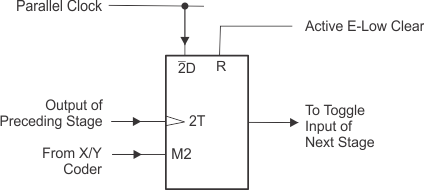
SN74LS292Programmable Frequency Divider / Digital Timer | Integrated Circuits (ICs) | 1 | Active | The SN74LS29x devices are programmable frequency dividers and digital timers contain 31 flip-flops plus 30 gates (in SN74LS292) or 15 flip-flops plus 29 gates (in SN74LS294) on a single chip. The count modulo is under digital control of the inputs provided.
Both types feature an active-lowCLRclear input to initialize the state of all flip-flops. To facilitate the incoming inspection, test points are provided (TP1, TP2, and TP3 on the SN74LS292, and TP on the SN74LS294). These test points are not intended to drive system loads. Both types feature two clock inputs; either one may be used for clock gating.
A brief look at the digital timing capabilities of the SN74LS292 shows that with a 1-MHz input frequency, programming for 210gives a period of 1.024 ms, 220gives a period of 1.05 sec, 226gives a period of 1.12 min, and 231gives a period of 35.79 min.
These devices are easily cascadable, giving limitless possibilities to achievable timing delays.
The SN74LS29x devices are programmable frequency dividers and digital timers contain 31 flip-flops plus 30 gates (in SN74LS292) or 15 flip-flops plus 29 gates (in SN74LS294) on a single chip. The count modulo is under digital control of the inputs provided.
Both types feature an active-lowCLRclear input to initialize the state of all flip-flops. To facilitate the incoming inspection, test points are provided (TP1, TP2, and TP3 on the SN74LS292, and TP on the SN74LS294). These test points are not intended to drive system loads. Both types feature two clock inputs; either one may be used for clock gating.
A brief look at the digital timing capabilities of the SN74LS292 shows that with a 1-MHz input frequency, programming for 210gives a period of 1.024 ms, 220gives a period of 1.05 sec, 226gives a period of 1.12 min, and 231gives a period of 35.79 min.
These devices are easily cascadable, giving limitless possibilities to achievable timing delays. |
SN74LS2934-Bit Binary Counters | Logic | 3 | Active | The SN54290/SN74290, SN54LS290/SN74LS290, SN54293/SN74293, and SN54LS293/SN74LS293 counters are electrically and functionally identical to the SN5490A/SN7490A, SN54LS90/SN74LS90, SN5493A/SN7493A, and SN54LS93/SN74LS93, respectively. Only the arrangement of the terminals has been changed for the '290, 'LS290, '293, and 'LS293.
Each of these monolithic counters contains four master-slave flip-flops and additional gating to provide a divide-by-two counter and a three-stage binary counter for which the count cycle length is divide-by-five for the '290 and 'LS290 and divide-by-eight for the '293 and 'LS293.
All of these counters have a gated zero reset and the '290 and 'LS290 also have gated set-to-nine inputs for use in BCD nine's complement applications.
To use the maximum count length (decade or four-bit binary) of these counters, the B input is connected to the QAoutput. The input count pulses are applied to input A and the outputs are as described in the appropriate function table. A symmetrical divide-by-ten count can be obtained from the '290 and 'LS290 counters by connecting the QDoutput to the A input and applying the input count to the B input which gives a divide-by-ten square wave at output QA.
The SN54290/SN74290, SN54LS290/SN74LS290, SN54293/SN74293, and SN54LS293/SN74LS293 counters are electrically and functionally identical to the SN5490A/SN7490A, SN54LS90/SN74LS90, SN5493A/SN7493A, and SN54LS93/SN74LS93, respectively. Only the arrangement of the terminals has been changed for the '290, 'LS290, '293, and 'LS293.
Each of these monolithic counters contains four master-slave flip-flops and additional gating to provide a divide-by-two counter and a three-stage binary counter for which the count cycle length is divide-by-five for the '290 and 'LS290 and divide-by-eight for the '293 and 'LS293.
All of these counters have a gated zero reset and the '290 and 'LS290 also have gated set-to-nine inputs for use in BCD nine's complement applications.
To use the maximum count length (decade or four-bit binary) of these counters, the B input is connected to the QAoutput. The input count pulses are applied to input A and the outputs are as described in the appropriate function table. A symmetrical divide-by-ten count can be obtained from the '290 and 'LS290 counters by connecting the QDoutput to the A input and applying the input count to the B input which gives a divide-by-ten square wave at output QA. |