T
Texas Instruments
| Series | Category | # Parts | Status | Description |
|---|---|---|---|---|
| Part | Spec A | Spec B | Spec C | Spec D | Description |
|---|---|---|---|---|---|



| Series | Category | # Parts | Status | Description |
|---|---|---|---|---|
| Part | Spec A | Spec B | Spec C | Spec D | Description |
|---|---|---|---|---|---|
| Part | Category | Description |
|---|---|---|
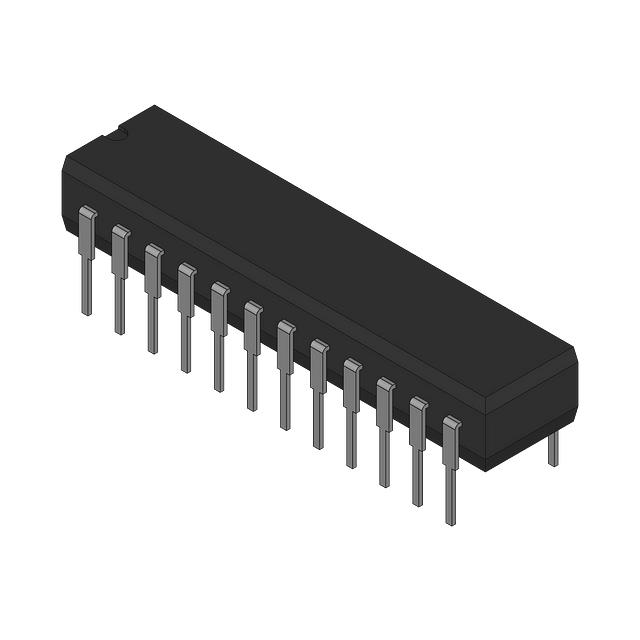 Texas Instruments | Integrated Circuits (ICs) | BUS DRIVER, BCT/FBT SERIES |
 Texas Instruments | Integrated Circuits (ICs) | 12BIT 3.3V~3.6V 210MHZ PARALLEL VQFN-48-EP(7X7) ANALOG TO DIGITAL CONVERTERS (ADC) ROHS |
Texas Instruments | Integrated Circuits (ICs) | TMX320DRE311 179PIN UBGA 200MHZ |
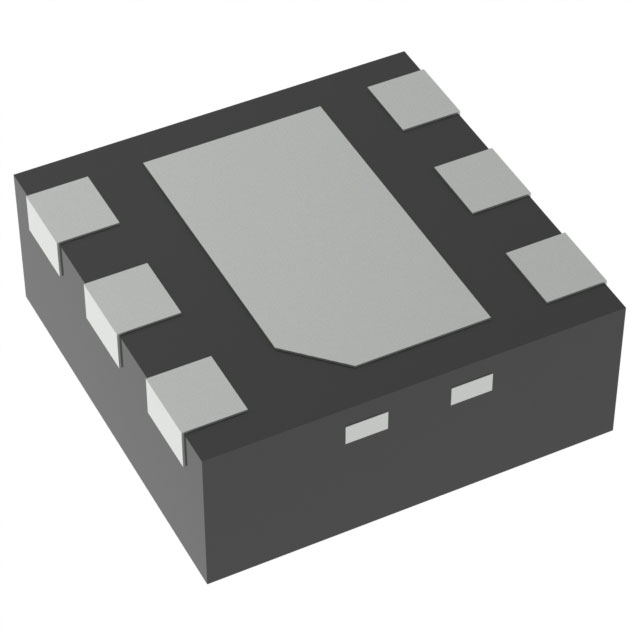 Texas Instruments TPS61040DRVTG4Unknown | Integrated Circuits (ICs) | IC LED DRV RGLTR PWM 350MA 6WSON |
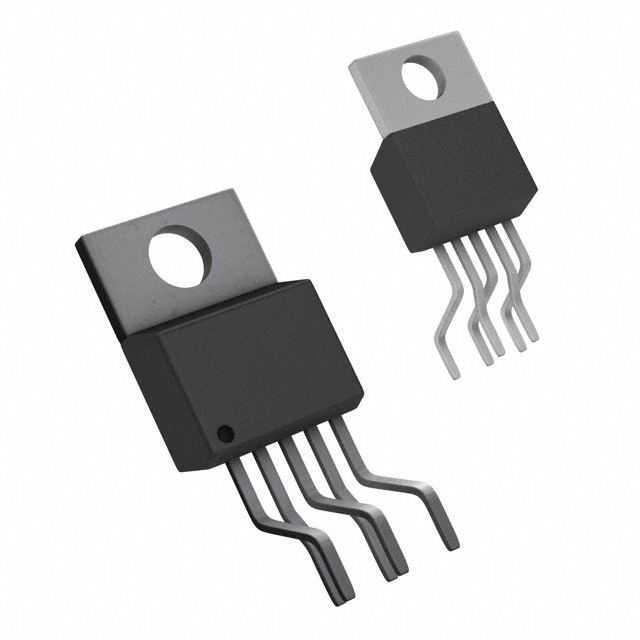 Texas Instruments LP3876ET-2.5Obsolete | Integrated Circuits (ICs) | IC REG LINEAR 2.5V 3A TO220-5 |
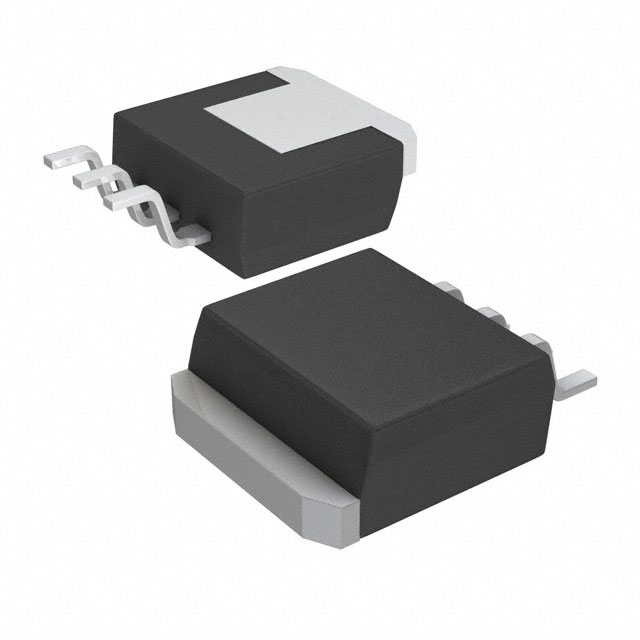 Texas Instruments LMS1585ACSX-ADJObsolete | Integrated Circuits (ICs) | IC REG LIN POS ADJ 5A DDPAK |
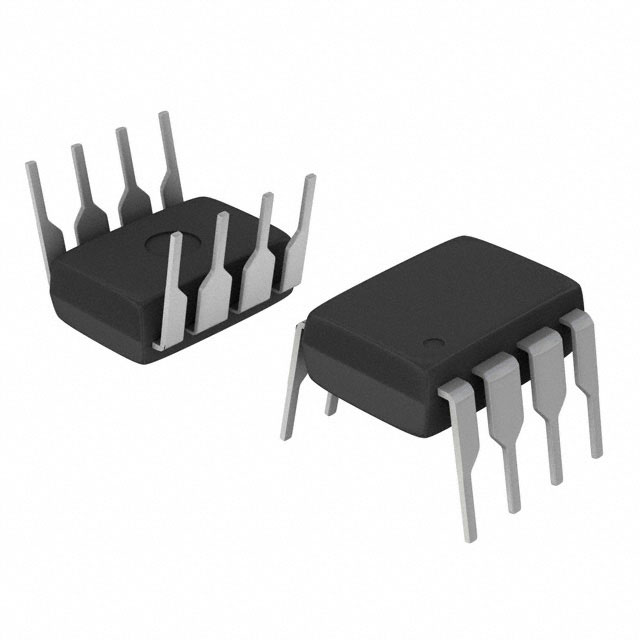 Texas Instruments INA111APG4Obsolete | Integrated Circuits (ICs) | IC INST AMP 1 CIRCUIT 8DIP |
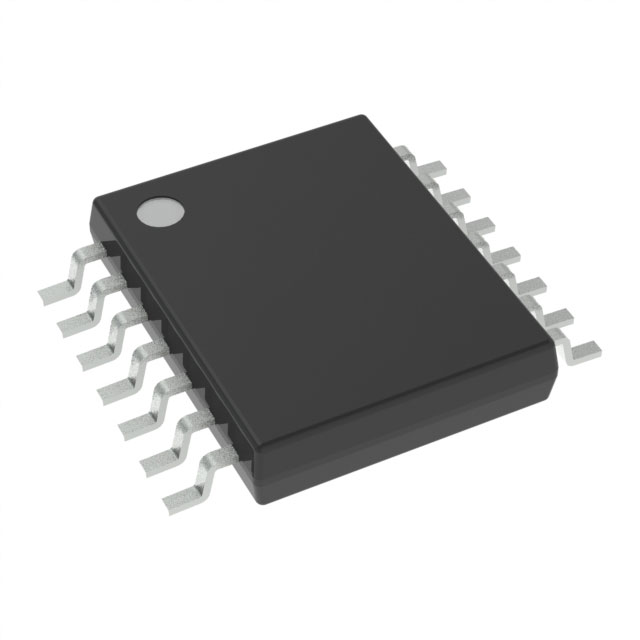 Texas Instruments | Integrated Circuits (ICs) | AUTOMOTIVE, QUAD 36V 1.2MHZ OPERATIONAL AMPLIFIER |
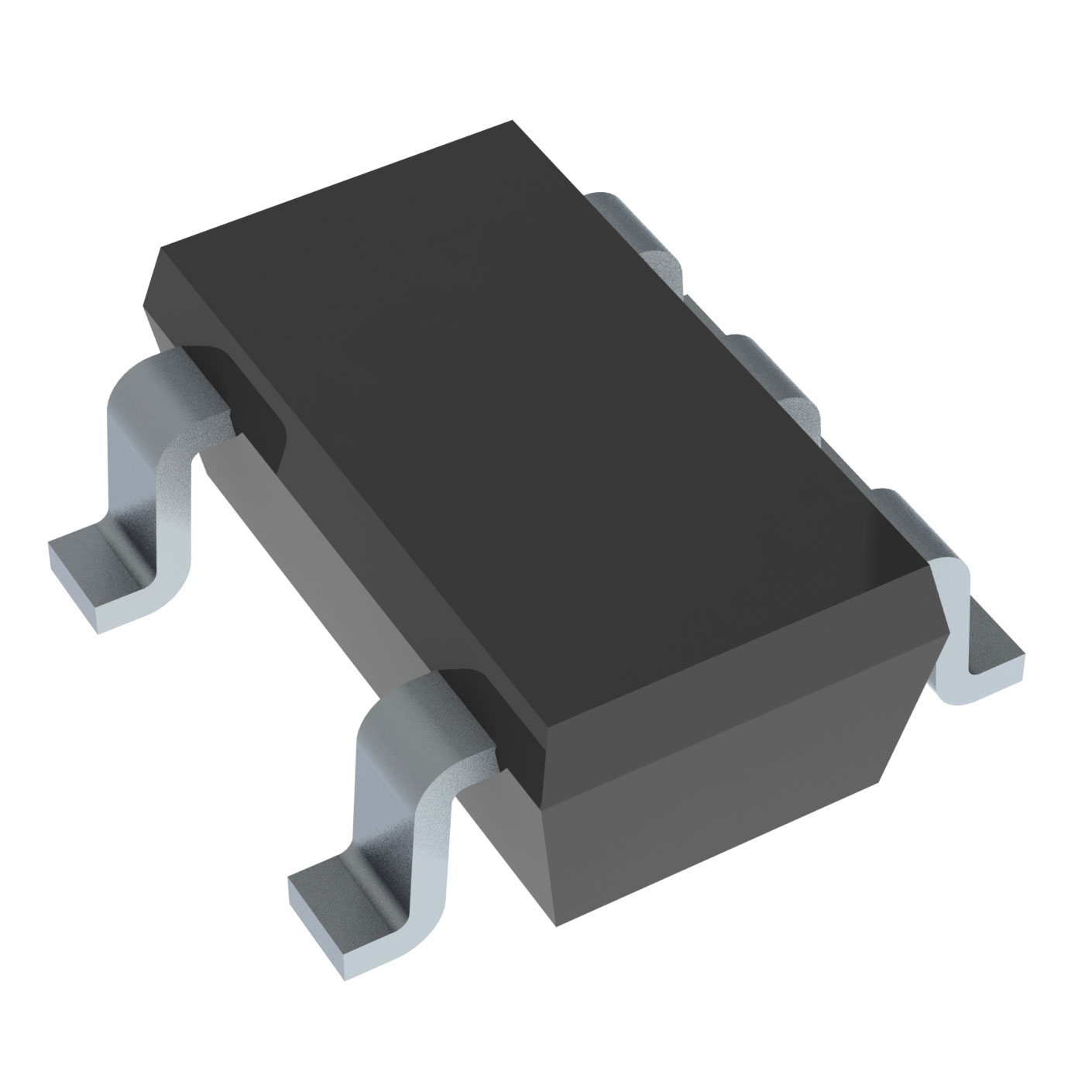 Texas Instruments OPA340NA/3KG4Unknown | Integrated Circuits (ICs) | IC OPAMP GP 1 CIRCUIT SOT23-5 |
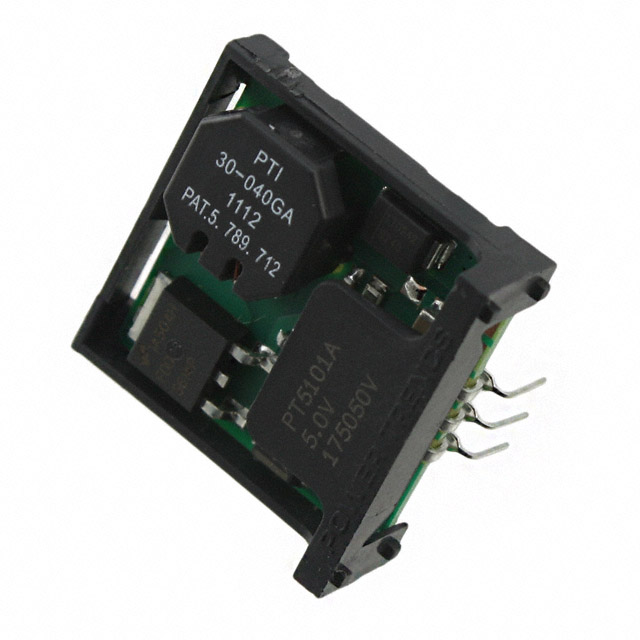 Texas Instruments PT5112AObsolete | Power Supplies - Board Mount | DC DC CONVERTER 8V 8W |
| Series | Category | # Parts | Status | Description |
|---|---|---|---|---|
SN74ALS157AQuadruple 1-of-2 Data Selectors/Multiplexers | Integrated Circuits (ICs) | 3 | Active | These data selectors/multiplexers contain inverters and drivers to supply full data selection to the four output gates. A separate strobe (G\) input is provided. A 4-bit word is selected from one of two sources and is routed to the four outputs. The ´ALS157A and SN74AS157 present true data. The ´ALS158 and SN74AS158 present inverted data to minimize propagation delay time.
The SN54ALS157A and SN54ALS158 are characterized for operation over the full military temperature range of -55°C to 125°C. The SN74ALS157A, SN74ALS158, SN74AS157, and SN74AS158 are characterized for operation from 0°C to 70°C.
These data selectors/multiplexers contain inverters and drivers to supply full data selection to the four output gates. A separate strobe (G\) input is provided. A 4-bit word is selected from one of two sources and is routed to the four outputs. The ´ALS157A and SN74AS157 present true data. The ´ALS158 and SN74AS158 present inverted data to minimize propagation delay time.
The SN54ALS157A and SN54ALS158 are characterized for operation over the full military temperature range of -55°C to 125°C. The SN74ALS157A, SN74ALS158, SN74AS157, and SN74AS158 are characterized for operation from 0°C to 70°C. |
SN74ALS158Quadruple 1-of-2 Data Selectors/Multiplexers | Integrated Circuits (ICs) | 4 | Active | These data selectors/multiplexers contain inverters and drivers to supply full data selection to the four output gates. A separate strobe (G\) input is provided. A 4-bit word is selected from one of two sources and is routed to the four outputs. The ´ALS157A and SN74AS157 present true data. The ´ALS158 and SN74AS158 present inverted data to minimize propagation delay time.
The SN54ALS157A and SN54ALS158 are characterized for operation over the full military temperature range of -55°C to 125°C. The SN74ALS157A, SN74ALS158, SN74AS157, and SN74AS158 are characterized for operation from 0°C to 70°C.
These data selectors/multiplexers contain inverters and drivers to supply full data selection to the four output gates. A separate strobe (G\) input is provided. A 4-bit word is selected from one of two sources and is routed to the four outputs. The ´ALS157A and SN74AS157 present true data. The ´ALS158 and SN74AS158 present inverted data to minimize propagation delay time.
The SN54ALS157A and SN54ALS158 are characterized for operation over the full military temperature range of -55°C to 125°C. The SN74ALS157A, SN74ALS158, SN74AS157, and SN74AS158 are characterized for operation from 0°C to 70°C. |
SN74ALS161BSynchronous 4-Bit Binary Counters | Counters, Dividers | 6 | Active | These synchronous, presettable, 4-bit decade and binary counters feature an internal carry look-ahead circuitry for application in high-speed counting designs. The SN54ALS162B is a 4-bit decade counter. The \x92ALS161B, \x92ALS163B, \x92AS161, and \x92AS163 devices are 4-bit binary counters. Synchronous operation is provided by having all flip-flops clocked simultaneously so that the outputs change coincidentally with each other when instructed by the count-enable (ENP, ENT) inputs and internal gating. This mode of operation eliminates the output counting spikes normally associated with asynchronous (ripple-clock) counters. A buffered clock (CLK) input triggers the four flip-flops on the rising (positive-going) edge of the clock input waveform.
These counters are fully programmable; they can be preset to any number between 0 and 9 or 15. Because presetting is synchronous, setting up a low level at the load (LOAD\) input disables the counter and causes the outputs to agree with the setup data after the next clock pulse, regardless of the levels of the enable inputs.
The clear function for the \x92ALS161B and \x92AS161 devices is asynchronous. A low level at the clear (CLR\) input sets all four of the flip-flop outputs low, regardless of the levels of the CLK, LOAD\, or enable inputs. The clear function for the SN54ALS162B, \x92ALS163B, and \x92AS163 devices is synchronous, and a low level at CLR sets all four of the flip-flop outputs low after the next clock pulse, regardless of the levels of the enable inputs. This synchronous clear allows the count length to be modified easily by decoding the Q outputs for the maximum count desired. The active-low output of the gate used for decoding is connected to CLR\ to synchronously clear the counter to 0000 (LLLL).
The carry look-ahead circuitry provides for cascading counters for n-bit synchronous applications without additional gating. ENP and ENT inputs and a ripple-carry (RCO) output are instrumental in accomplishing this function. Both ENP and ENT must be high to count, and ENT is fed forward to enable RCO. RCO, thus enabled, produces a high-level pulse while the count is maximum (9 or 15, with QAhigh). The high-level overflow ripple-carry pulse can be used to enable successive cascaded stages. Transitions at ENP or ENT are allowed, regardless of the level of CLK.
These counters feature a fully independent clock circuit. Changes at control inputs (ENP, ENT, or LOAD\) that modify the operating mode have no effect on the contents of the counter until clocking occurs. The function of the counter (whether enabled, disabled, loading, or counting) is dictated solely by the conditions meeting the stable setup and hold times.
The SN54ALS161B, SN54ALS162B, SN54ALS163B, SN54AS161, and SN54AS163 are characterized for operation over the full military temperature range of \x9655°C to 125°C. The SN74ALS161B, SN74ALS163B, SN74AS161, and SN74AS163 are characterized for operation from 0°C to 70°C.
These synchronous, presettable, 4-bit decade and binary counters feature an internal carry look-ahead circuitry for application in high-speed counting designs. The SN54ALS162B is a 4-bit decade counter. The \x92ALS161B, \x92ALS163B, \x92AS161, and \x92AS163 devices are 4-bit binary counters. Synchronous operation is provided by having all flip-flops clocked simultaneously so that the outputs change coincidentally with each other when instructed by the count-enable (ENP, ENT) inputs and internal gating. This mode of operation eliminates the output counting spikes normally associated with asynchronous (ripple-clock) counters. A buffered clock (CLK) input triggers the four flip-flops on the rising (positive-going) edge of the clock input waveform.
These counters are fully programmable; they can be preset to any number between 0 and 9 or 15. Because presetting is synchronous, setting up a low level at the load (LOAD\) input disables the counter and causes the outputs to agree with the setup data after the next clock pulse, regardless of the levels of the enable inputs.
The clear function for the \x92ALS161B and \x92AS161 devices is asynchronous. A low level at the clear (CLR\) input sets all four of the flip-flop outputs low, regardless of the levels of the CLK, LOAD\, or enable inputs. The clear function for the SN54ALS162B, \x92ALS163B, and \x92AS163 devices is synchronous, and a low level at CLR sets all four of the flip-flop outputs low after the next clock pulse, regardless of the levels of the enable inputs. This synchronous clear allows the count length to be modified easily by decoding the Q outputs for the maximum count desired. The active-low output of the gate used for decoding is connected to CLR\ to synchronously clear the counter to 0000 (LLLL).
The carry look-ahead circuitry provides for cascading counters for n-bit synchronous applications without additional gating. ENP and ENT inputs and a ripple-carry (RCO) output are instrumental in accomplishing this function. Both ENP and ENT must be high to count, and ENT is fed forward to enable RCO. RCO, thus enabled, produces a high-level pulse while the count is maximum (9 or 15, with QAhigh). The high-level overflow ripple-carry pulse can be used to enable successive cascaded stages. Transitions at ENP or ENT are allowed, regardless of the level of CLK.
These counters feature a fully independent clock circuit. Changes at control inputs (ENP, ENT, or LOAD\) that modify the operating mode have no effect on the contents of the counter until clocking occurs. The function of the counter (whether enabled, disabled, loading, or counting) is dictated solely by the conditions meeting the stable setup and hold times.
The SN54ALS161B, SN54ALS162B, SN54ALS163B, SN54AS161, and SN54AS163 are characterized for operation over the full military temperature range of \x9655°C to 125°C. The SN74ALS161B, SN74ALS163B, SN74AS161, and SN74AS163 are characterized for operation from 0°C to 70°C. |
SN74ALS163BSynchronous 4-Bit Binary Counters | Counters, Dividers | 7 | Active | These synchronous, presettable, 4-bit decade and binary counters feature an internal carry look-ahead circuitry for application in high-speed counting designs. The SN54ALS162B is a 4-bit decade counter. The \x92ALS161B, \x92ALS163B, \x92AS161, and \x92AS163 devices are 4-bit binary counters. Synchronous operation is provided by having all flip-flops clocked simultaneously so that the outputs change coincidentally with each other when instructed by the count-enable (ENP, ENT) inputs and internal gating. This mode of operation eliminates the output counting spikes normally associated with asynchronous (ripple-clock) counters. A buffered clock (CLK) input triggers the four flip-flops on the rising (positive-going) edge of the clock input waveform.
These counters are fully programmable; they can be preset to any number between 0 and 9 or 15. Because presetting is synchronous, setting up a low level at the load (LOAD\) input disables the counter and causes the outputs to agree with the setup data after the next clock pulse, regardless of the levels of the enable inputs.
The clear function for the \x92ALS161B and \x92AS161 devices is asynchronous. A low level at the clear (CLR\) input sets all four of the flip-flop outputs low, regardless of the levels of the CLK, LOAD\, or enable inputs. The clear function for the SN54ALS162B, \x92ALS163B, and \x92AS163 devices is synchronous, and a low level at CLR sets all four of the flip-flop outputs low after the next clock pulse, regardless of the levels of the enable inputs. This synchronous clear allows the count length to be modified easily by decoding the Q outputs for the maximum count desired. The active-low output of the gate used for decoding is connected to CLR\ to synchronously clear the counter to 0000 (LLLL).
The carry look-ahead circuitry provides for cascading counters for n-bit synchronous applications without additional gating. ENP and ENT inputs and a ripple-carry (RCO) output are instrumental in accomplishing this function. Both ENP and ENT must be high to count, and ENT is fed forward to enable RCO. RCO, thus enabled, produces a high-level pulse while the count is maximum (9 or 15, with QAhigh). The high-level overflow ripple-carry pulse can be used to enable successive cascaded stages. Transitions at ENP or ENT are allowed, regardless of the level of CLK.
These counters feature a fully independent clock circuit. Changes at control inputs (ENP, ENT, or LOAD\) that modify the operating mode have no effect on the contents of the counter until clocking occurs. The function of the counter (whether enabled, disabled, loading, or counting) is dictated solely by the conditions meeting the stable setup and hold times.
The SN54ALS161B, SN54ALS162B, SN54ALS163B, SN54AS161, and SN54AS163 are characterized for operation over the full military temperature range of \x9655°C to 125°C. The SN74ALS161B, SN74ALS163B, SN74AS161, and SN74AS163 are characterized for operation from 0°C to 70°C.
These synchronous, presettable, 4-bit decade and binary counters feature an internal carry look-ahead circuitry for application in high-speed counting designs. The SN54ALS162B is a 4-bit decade counter. The \x92ALS161B, \x92ALS163B, \x92AS161, and \x92AS163 devices are 4-bit binary counters. Synchronous operation is provided by having all flip-flops clocked simultaneously so that the outputs change coincidentally with each other when instructed by the count-enable (ENP, ENT) inputs and internal gating. This mode of operation eliminates the output counting spikes normally associated with asynchronous (ripple-clock) counters. A buffered clock (CLK) input triggers the four flip-flops on the rising (positive-going) edge of the clock input waveform.
These counters are fully programmable; they can be preset to any number between 0 and 9 or 15. Because presetting is synchronous, setting up a low level at the load (LOAD\) input disables the counter and causes the outputs to agree with the setup data after the next clock pulse, regardless of the levels of the enable inputs.
The clear function for the \x92ALS161B and \x92AS161 devices is asynchronous. A low level at the clear (CLR\) input sets all four of the flip-flop outputs low, regardless of the levels of the CLK, LOAD\, or enable inputs. The clear function for the SN54ALS162B, \x92ALS163B, and \x92AS163 devices is synchronous, and a low level at CLR sets all four of the flip-flop outputs low after the next clock pulse, regardless of the levels of the enable inputs. This synchronous clear allows the count length to be modified easily by decoding the Q outputs for the maximum count desired. The active-low output of the gate used for decoding is connected to CLR\ to synchronously clear the counter to 0000 (LLLL).
The carry look-ahead circuitry provides for cascading counters for n-bit synchronous applications without additional gating. ENP and ENT inputs and a ripple-carry (RCO) output are instrumental in accomplishing this function. Both ENP and ENT must be high to count, and ENT is fed forward to enable RCO. RCO, thus enabled, produces a high-level pulse while the count is maximum (9 or 15, with QAhigh). The high-level overflow ripple-carry pulse can be used to enable successive cascaded stages. Transitions at ENP or ENT are allowed, regardless of the level of CLK.
These counters feature a fully independent clock circuit. Changes at control inputs (ENP, ENT, or LOAD\) that modify the operating mode have no effect on the contents of the counter until clocking occurs. The function of the counter (whether enabled, disabled, loading, or counting) is dictated solely by the conditions meeting the stable setup and hold times.
The SN54ALS161B, SN54ALS162B, SN54ALS163B, SN54AS161, and SN54AS163 are characterized for operation over the full military temperature range of \x9655°C to 125°C. The SN74ALS161B, SN74ALS163B, SN74AS161, and SN74AS163 are characterized for operation from 0°C to 70°C. |
SN74ALS1645AOctal Bus Transceivers With 3-State Outputs | Logic | 2 | Active | These octal bus transceivers are designed for asynchronous two-way communication between data buses. These devices transmit data from the A bus to the B bus or from the B bus to the A bus, depending on the level at the direction-control
(DIR) input. The output-enable () input can be used to disable the device so that the buses are effectively isolated. The SN74ALS1640A features inverting logic, while the SN74ALS1645A features noninverting logic.
The SN74ALS1640A and SN74ALS1645A are characterized for operation from 0°C to 70°C.
These octal bus transceivers are designed for asynchronous two-way communication between data buses. These devices transmit data from the A bus to the B bus or from the B bus to the A bus, depending on the level at the direction-control
(DIR) input. The output-enable () input can be used to disable the device so that the buses are effectively isolated. The SN74ALS1640A features inverting logic, while the SN74ALS1645A features noninverting logic.
The SN74ALS1640A and SN74ALS1645A are characterized for operation from 0°C to 70°C. |
SN74ALS164A8-Bit Parallel-Out Serial Shift Registers | Integrated Circuits (ICs) | 5 | Active | This 8-bit parallel-out serial shift register features AND-gated serial (A and B) inputs and an asynchronous clear (CLR\) input. The gated serial inputs permit control over incoming data because a low at either input inhibits entry of the new data and resets the first flip-flop to the low level at the next clock pulse. A high-level input enables the other input, which determines the state of the first flip-flop. Data at the serial inputs can be changed while the clock is high or low, provided that the minimum setup-time requirements are met. Clocking occurs on the low-to-high-level transition of the clock (CLK) input. All inputs are diode clamped to minimize transmission-line effects.
The SN74ALS164A is characterized for operation from 0°C to 70°C.
This 8-bit parallel-out serial shift register features AND-gated serial (A and B) inputs and an asynchronous clear (CLR\) input. The gated serial inputs permit control over incoming data because a low at either input inhibits entry of the new data and resets the first flip-flop to the low level at the next clock pulse. A high-level input enables the other input, which determines the state of the first flip-flop. Data at the serial inputs can be changed while the clock is high or low, provided that the minimum setup-time requirements are met. Clocking occurs on the low-to-high-level transition of the clock (CLK) input. All inputs are diode clamped to minimize transmission-line effects.
The SN74ALS164A is characterized for operation from 0°C to 70°C. |
SN74ALS165Parallel-Load 8-Bit Serial Shift Registers | Logic | 2 | Active | The 'ALS165 are parallel-load 8-bit serial shift registers that, when clocked, shift the data toward serial (QHand Q\H) outputs. Parallel-in access to each stage is provided by eight individual direct data (A-H) inputs that are enabled by a low level at the shift/load (SH/LD\) input. The 'ALS165 have a clock-inhibit function and complemented serial outputs.
Clocking is accomplished by a low-to-high transition of the clock (CLK) input while SH/LD\ is held high and the clock inhibit (CLK INH) input is held low. The functions of CLK and CLK INH are interchangeable. Since a low CLK and a low-to-high transition of CLK INH also accomplishes clocking, CLK INH should be changed to the high level only while CLK is high. Parallel loading is inhibited when SH/LD\ is held high. The parallel inputs to the register are enabled while SH/LD\ is low independently of the levels of the CLK, CLK INH, or serial (SER) inputs.
The SN54ALS165 is characterized for operation over the full military temperature range of -55°C to 125°C. The SN74ALS165 is characterized for operation from 0°C to 70°C.
The 'ALS165 are parallel-load 8-bit serial shift registers that, when clocked, shift the data toward serial (QHand Q\H) outputs. Parallel-in access to each stage is provided by eight individual direct data (A-H) inputs that are enabled by a low level at the shift/load (SH/LD\) input. The 'ALS165 have a clock-inhibit function and complemented serial outputs.
Clocking is accomplished by a low-to-high transition of the clock (CLK) input while SH/LD\ is held high and the clock inhibit (CLK INH) input is held low. The functions of CLK and CLK INH are interchangeable. Since a low CLK and a low-to-high transition of CLK INH also accomplishes clocking, CLK INH should be changed to the high level only while CLK is high. Parallel loading is inhibited when SH/LD\ is held high. The parallel inputs to the register are enabled while SH/LD\ is low independently of the levels of the CLK, CLK INH, or serial (SER) inputs.
The SN54ALS165 is characterized for operation over the full military temperature range of -55°C to 125°C. The SN74ALS165 is characterized for operation from 0°C to 70°C. |
SN74ALS166Parallel-Load 8-Bit Serial Shift Registers | Logic | 5 | Active | The SN74ALS166 parallel-load 8-bit shift register is compatible with most other TTL logic families. All inputs are buffered to lower the drive requirements. Input clamping diodes minimize switching transients and simplify system design.
These parallel-in or serial-in, serial-out registers have a complexity of 77 equivalent gates on the chip. They feature gated clocks (CLK and CLK INH) inputs and an overriding clear (CLR\) input. The parallel-in or serial-in modes are established by the shift/load (SH/LD\) input. When high, SH/LD\ enables the serial data (SER) input and couples the eight flip-flops for serial shifting with each clock pulse. When low, the parallel (broadside) data (A-H) inputs are enabled and synchronous loading occurs on the next clock pulse. During parallel loading, serial data flow is inhibited. Clocking is accomplished on the low-to-high-level edge of the clock pulse through a two-input positive-NOR gate, permitting one input to be used as a clock-enable or clock-inhibit function. Holding either of the clock inputs high inhibits clocking; holding either low enables the other clock input. This allows the system clock to be free running and the register can be stopped on command with the clock input. CLK INH should be changed to the high level only when CLK is high. The buffered CLR\ overrides all other inputs, including CLK, and sets all flip-flops to zero.
The SN74ALS166 is characterized for operation from 0°C to 70°C.
The SN74ALS166 parallel-load 8-bit shift register is compatible with most other TTL logic families. All inputs are buffered to lower the drive requirements. Input clamping diodes minimize switching transients and simplify system design.
These parallel-in or serial-in, serial-out registers have a complexity of 77 equivalent gates on the chip. They feature gated clocks (CLK and CLK INH) inputs and an overriding clear (CLR\) input. The parallel-in or serial-in modes are established by the shift/load (SH/LD\) input. When high, SH/LD\ enables the serial data (SER) input and couples the eight flip-flops for serial shifting with each clock pulse. When low, the parallel (broadside) data (A-H) inputs are enabled and synchronous loading occurs on the next clock pulse. During parallel loading, serial data flow is inhibited. Clocking is accomplished on the low-to-high-level edge of the clock pulse through a two-input positive-NOR gate, permitting one input to be used as a clock-enable or clock-inhibit function. Holding either of the clock inputs high inhibits clocking; holding either low enables the other clock input. This allows the system clock to be free running and the register can be stopped on command with the clock input. CLK INH should be changed to the high level only when CLK is high. The buffered CLR\ overrides all other inputs, including CLK, and sets all flip-flops to zero.
The SN74ALS166 is characterized for operation from 0°C to 70°C. |
SN74ALS169B4-Bit Synchronous Up/Down Binary Counters | Integrated Circuits (ICs) | 4 | Active | These synchronous 4-bit up/down binary presettable counters feature an internal carry look-ahead circuitry for cascading in high-speed counting applications. Synchronous operation is provided by having all flip-flops clocked simultaneously so that the outputs change coincident with each other when so instructed by the count-enable (,) inputs and internal gating. This mode of operation eliminates the output counting spikes normally associated with asynchronous (ripple-clock) counters. A buffered clock (CLK) input triggers the four flip-flops on the rising (positive-going) edge of the clock waveform.
These counters are fully programmable; that is, they may be preset to either level. The load-input circuitry allows loading with the carry-enable output of cascaded counters. Because loading is synchronous, setting up a low level at the load (LOAD\) input disables the counter and causes the outputs to agree with the data inputs after the next clock pulse.
The internal carry look-ahead circuitry provides for cascading counters for n-bit synchronous application without additional gating.andinputs and a ripple-carry output () are instrumental in accomplishing this function. Bothandmust be low to count. The direction of the count is determined by the level of the up/down (U/D\) input. When U/D\ is high, the counter counts up; when low, it counts down.is fed forward to enable., thus enabled, produces a low-level pulse while the count is zero (all inputs low) counting down or maximum (15) counting up. This low-level overflow ripple-carry pulse can be used to enable successive cascaded stages. Transitions atorare allowed regardless of the level of the clock input. All inputs are diode clamped to minimize transmission-line effects, thereby simplifying system design.
These counters feature a fully independent clock circuit. Changes at control inputs (,,, or U/D\) that modify the operating mode have no effect on the contents of the counter until clocking occurs. The function of the counter (whether enabled, disabled, loading, or counting) is dictated solely by the conditions meeting the stable setup and hold times.
The SN54ALS169B and SN54AS169A are characterized for operation over the full military temperature range of -55°C to 125°C. The SN74ALS169B and SN74AS169A are characterized for operation from 0°C to 70°C.
These synchronous 4-bit up/down binary presettable counters feature an internal carry look-ahead circuitry for cascading in high-speed counting applications. Synchronous operation is provided by having all flip-flops clocked simultaneously so that the outputs change coincident with each other when so instructed by the count-enable (,) inputs and internal gating. This mode of operation eliminates the output counting spikes normally associated with asynchronous (ripple-clock) counters. A buffered clock (CLK) input triggers the four flip-flops on the rising (positive-going) edge of the clock waveform.
These counters are fully programmable; that is, they may be preset to either level. The load-input circuitry allows loading with the carry-enable output of cascaded counters. Because loading is synchronous, setting up a low level at the load (LOAD\) input disables the counter and causes the outputs to agree with the data inputs after the next clock pulse.
The internal carry look-ahead circuitry provides for cascading counters for n-bit synchronous application without additional gating.andinputs and a ripple-carry output () are instrumental in accomplishing this function. Bothandmust be low to count. The direction of the count is determined by the level of the up/down (U/D\) input. When U/D\ is high, the counter counts up; when low, it counts down.is fed forward to enable., thus enabled, produces a low-level pulse while the count is zero (all inputs low) counting down or maximum (15) counting up. This low-level overflow ripple-carry pulse can be used to enable successive cascaded stages. Transitions atorare allowed regardless of the level of the clock input. All inputs are diode clamped to minimize transmission-line effects, thereby simplifying system design.
These counters feature a fully independent clock circuit. Changes at control inputs (,,, or U/D\) that modify the operating mode have no effect on the contents of the counter until clocking occurs. The function of the counter (whether enabled, disabled, loading, or counting) is dictated solely by the conditions meeting the stable setup and hold times.
The SN54ALS169B and SN54AS169A are characterized for operation over the full military temperature range of -55°C to 125°C. The SN74ALS169B and SN74AS169A are characterized for operation from 0°C to 70°C. |
SN74ALS174Hex D-Type Positive-Edge-Triggered Flip-Flops With Clear | Flip Flops | 4 | Active | These positive-edge-triggered flip-flops utilize TTL circuitry to implement D-type flip-flop logic. All have a direct-clear (CLR)\ input. The ’ALS175 and ’AS175B feature complementary outputs from each flip-flop.
Information at the data (D) inputs meeting the setup-time requirements is transferred to the outputs on the positive-going edge of the clock pulse. Clock triggering occurs at a particular voltage level and is not directly related to the transition time of the positive-going pulse. When the clock (CLK) input is at either the high or low level, the D-input signal has no effect at the output.
These circuits are fully compatible for use with most TTL circuits.
These positive-edge-triggered flip-flops utilize TTL circuitry to implement D-type flip-flop logic. All have a direct-clear (CLR)\ input. The ’ALS175 and ’AS175B feature complementary outputs from each flip-flop.
Information at the data (D) inputs meeting the setup-time requirements is transferred to the outputs on the positive-going edge of the clock pulse. Clock triggering occurs at a particular voltage level and is not directly related to the transition time of the positive-going pulse. When the clock (CLK) input is at either the high or low level, the D-input signal has no effect at the output.
These circuits are fully compatible for use with most TTL circuits. |