Deep-Dive with AI
Search across all available documentation for this part.
Deep-Dive with AI
Technical Specifications
Parameters and characteristics for this part
| Specification | HMC974LC3CTR-R5 |
|---|---|
| Current - Input Bias (Max) [Max] | 30 µA |
| Current - Output (Typ) | 40 mA |
| Current - Quiescent (Max) [Max] | 79.6 mA |
| Mounting Type | Surface Mount |
| Number of Elements | 1 |
| Operating Temperature [Max] | 85 °C |
| Operating Temperature [Min] | -40 °C |
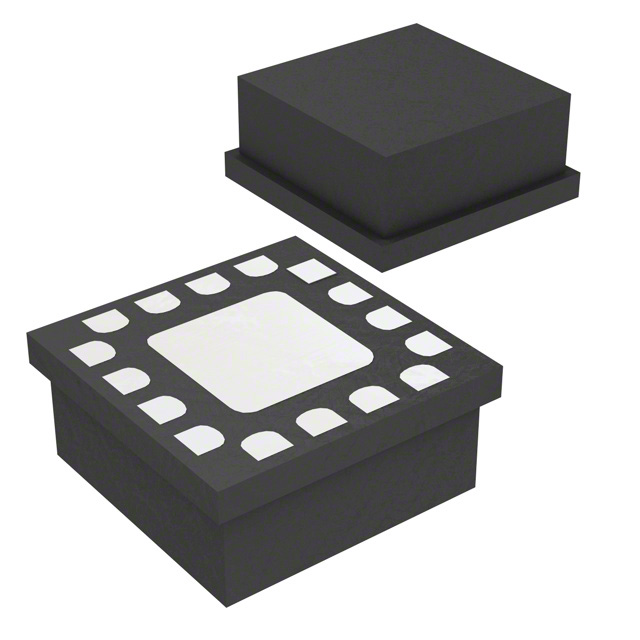
| Package / Case | 16-LFQFN Exposed Pad |
| Propagation Delay (Max) [Max] | 0.088 ns |
| Supplier Device Package | 16-SMT (3x3) |
| Voltage - Input Offset (Max) [Max] | 10 mV |
| Voltage - Supply, Single/Dual (±) | 3.3 V |
Pricing
Prices provided here are for design reference only. For realtime values and availability, please visit the distributors directly
| Distributor | Package | Quantity | $ | |
|---|---|---|---|---|
| Digikey | Tape & Reel (TR) | 500 | $ 94.23 | |
Description
General part information
HMC974 Series
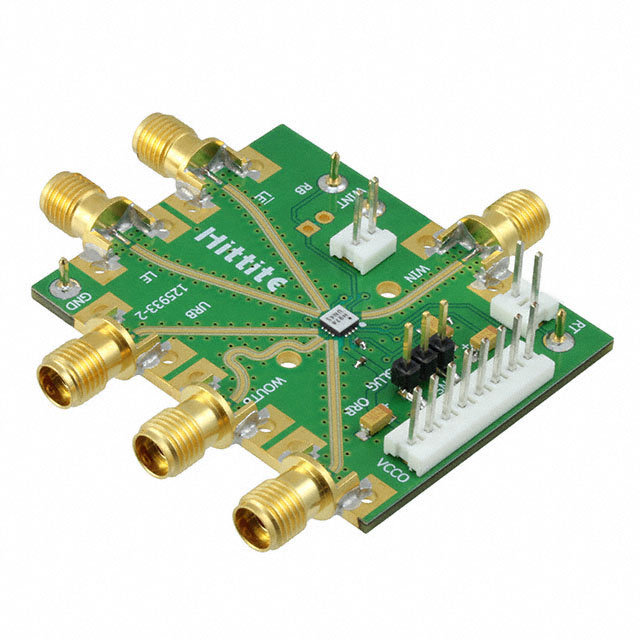
The HMC974LC3C is a silicon germanium (SiGe) monolithic, ultra fast window comparator that features reduced swing positive emitter-coupled logic (RSPECL) output drivers that are level latched. Three output ports detect whether an analog input signal is above, below, or between two reference levels supplied at the input.The outputs are single-ended negative logic. Incorporating two proven comparators at the input provides good dc and dynamic matching and reduces the input capacitance. The reduced swing output stages are designed to directly drive 400 mV into 50 Ω terminated to a voltage (VTERM= VCCO− 2 V).HMC974LC3C features high speed latches that can either be enabled to latch the output data or left in the track mode to implement a tracking window comparator.ApplicationsAutomatic test equipment (ATE)High speed instrumentationClock and data restorationSemiconductor test systemsThreshold detection in electronic warfare systems
Documents
Technical documentation and resources