Deep-Dive with AI
Search across all available documentation for this part.
DocumentsSY100EL29VZI-TR | cms-datasheet
Deep-Dive with AI
DocumentsSY100EL29VZI-TR | cms-datasheet
Technical Specifications
Parameters and characteristics for this part
| Specification | SY100EL29VZI-TR |
|---|---|
| Clock Frequency | 1.1 GHz |
| Current - Quiescent (Iq) | 50 mA |
| Function | Set(Preset) and Reset |
| Mounting Type | Surface Mount |
| Number of Bits per Element | 1 bits |
| Number of Elements | 2 |
| Operating Temperature (Max) | 85 °C |
| Operating Temperature (Min) | -40 °C |
| Output Type | Differential |
| Package Length | 0.295 in |
| Package Name | 20-SOIC |
| Package Width | 7.5 mm |
| Trigger Type | Positive Edge |
| Type | D-Type |
| Voltage - Supply (Maximum) | -3 V |
| Voltage - Supply (Minimum) | -5.5 V |
Pricing
Prices provided here are for design reference only. For realtime values and availability, please visit the distributors directly
| Distributor | Package | Quantity | $ | Updated |
|---|---|---|---|---|
| Digikey | Tape & Reel (TR) | 1000 | $ 3.88 | <2d |
CAD
3D models and CAD resources for this part
Description
General part information
100EL29 Series
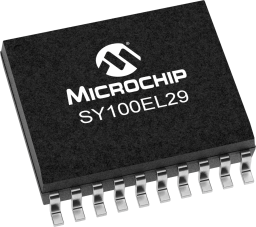
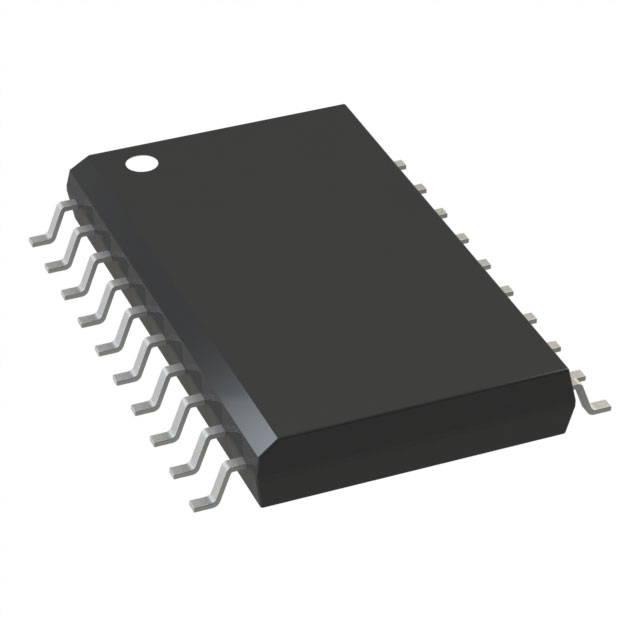
Flip Flop 2 Element D-Type 1 Bit Positive Edge 20-SOIC (0.295", 7.50mm Width)
Documents
Technical documentation and resources