


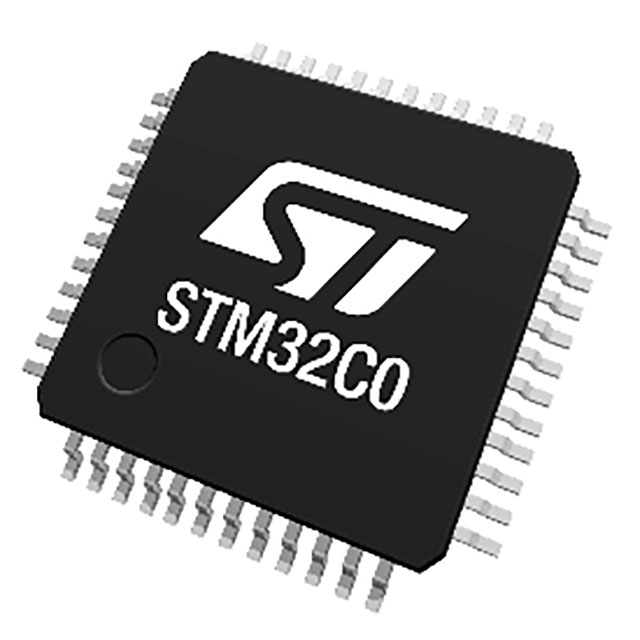
STM32C031K6T6
ActiveMAINSTREAM ARM CORTEX-M0+ MCU WITH 32 KBYTES OF FLASH MEMORY, 12 KBYTES RAM, 48 MHZ CPU, 2X USART, TIMERS, ADC, COMM. I/F, 2-3.6V
Deep-Dive with AI
Search across all available documentation for this part.
STM32C031K6T6
ActiveMAINSTREAM ARM CORTEX-M0+ MCU WITH 32 KBYTES OF FLASH MEMORY, 12 KBYTES RAM, 48 MHZ CPU, 2X USART, TIMERS, ADC, COMM. I/F, 2-3.6V
Deep-Dive with AI
Technical Specifications
Parameters and characteristics for this part
| Specification | STM32C031K6T6 |
|---|---|
| Connectivity | LINbus, I2C, IrDA, SPI, UART/USART |
| Core Processor | ARM® Cortex®-M0+ |
| Core Size | 32-Bit |
| Data Converters | 12 b, 18 channels |
| Data Converters | SAR |
| Mounting Type | Surface Mount |
| Number of I/O | 30 I/O |
| Operating Temperature [Max] | 85 °C |
| Operating Temperature [Min] | -40 °C |
| Oscillator Type | External, Internal |
| Package / Case | 32-LQFP |
| Peripherals | PWM, WDT, Brown-out Detect/Reset, POR, Temp Sensor |
| Program Memory Size | 32 KB |
| Program Memory Type | FLASH |
| RAM Size | 12 K |
| Speed | 48 MHz |
| Supplier Device Package | 32-LQFP (7x7) |
| Voltage - Supply (Vcc/Vdd) [Max] | 3.6 V |
| Voltage - Supply (Vcc/Vdd) [Min] | 2 V |
NUCLEO-C031C6 Series
Mainstream Arm Cortex-M0+ MCU with 16 Kbytes of Flash memory, 12 Kbytes RAM, 48 MHz CPU, 2x USART, timers, ADC, comm. I/F, 2-3.6V
| Part | Connectivity | Package / Case | Core Size | Operating Temperature [Max] | Operating Temperature [Min] | Voltage - Supply (Vcc/Vdd) [Min] | Voltage - Supply (Vcc/Vdd) [Max] | Speed | Program Memory Size | Oscillator Type | Number of I/O | Core Processor | Data Converters [custom] | Data Converters | Data Converters [custom] | Program Memory Type | Peripherals | Supplier Device Package | Mounting Type | RAM Size | Data Converters | Suggested Programming Environment | Platform | Board Type | Interconnect System | Type | Contents | Utilized IC / Part |
|---|---|---|---|---|---|---|---|---|---|---|---|---|---|---|---|---|---|---|---|---|---|---|---|---|---|---|---|---|
STMicroelectronics | I2C IrDA LINbus SPI UART/USART | 48-LQFP | 32-Bit | 85 °C | -40 °C | 2 V | 3.6 V | 48 MHz | 32 KB | External Internal | 45 | ARM® Cortex®-M0+ | 21 | SAR | 12 | FLASH | Brown-out Detect/Reset POR PWM Temp Sensor WDT | 48-LQFP (7x7) | Surface Mount | 12 K | ||||||||
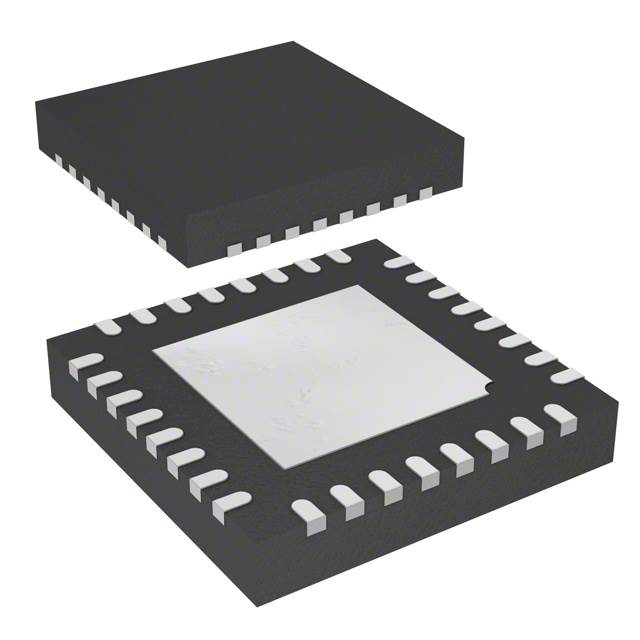 STMicroelectronics | I2C IrDA LINbus SMBus SPI UART/USART | 32-UFQFN Exposed Pad | 32-Bit | 85 °C | -40 °C | 2 V | 3.6 V | 48 MHz | 16 KB | External Internal | 30 I/O | ARM® Cortex®-M0+ | SAR | FLASH | Brown-out Detect/Reset POR PWM Temp Sensor WDT | 32-UFQFPN (5x5) | Surface Mount | 12 K | 12 b 18 channels | |||||||||
STMicroelectronics | I2C IrDA LINbus SPI UART/USART | 32-LQFP | 32-Bit | 85 °C | -40 °C | 2 V | 3.6 V | 48 MHz | 32 KB | External Internal | 30 I/O | ARM® Cortex®-M0+ | SAR | FLASH | Brown-out Detect/Reset POR PWM Temp Sensor WDT | 32-LQFP (7x7) | Surface Mount | 12 K | 12 b 18 channels | |||||||||
 STMicroelectronics | I2C IrDA LINbus SPI UART/USART | 32-UFQFN Exposed Pad | 32-Bit | 85 °C | -40 °C | 2 V | 3.6 V | 48 MHz | 32 KB | External Internal | 30 I/O | ARM® Cortex®-M0+ | SAR | FLASH | Brown-out Detect/Reset POR PWM Temp Sensor WDT | 32-UFQFPN (5x5) | Surface Mount | 12 K | 12 b 18 channels | |||||||||
STMicroelectronics | I2C IrDA LINbus SPI UART/USART | 28-UFQFN | 32-Bit | 85 °C | -40 °C | 2 V | 3.6 V | 48 MHz | 16 KB | External Internal | 26 I/O | ARM® Cortex®-M0+ | SAR | FLASH | Brown-out Detect/Reset POR PWM Temp Sensor WDT | 28-UFQFPN (4x4) | Surface Mount | 12 K | 12 b 17 | |||||||||
 STMicroelectronics | I2C IrDA LINbus SPI UART/USART | 48-UFQFN Exposed Pad | 32-Bit | 85 °C | -40 °C | 2 V | 3.6 V | 48 MHz | 16 KB | External Internal | 45 | ARM® Cortex®-M0+ | 21 | SAR | 12 | FLASH | Brown-out Detect/Reset POR PWM Temp Sensor WDT | 48-UFQFPN (7x7) | Surface Mount | 12 K | ||||||||
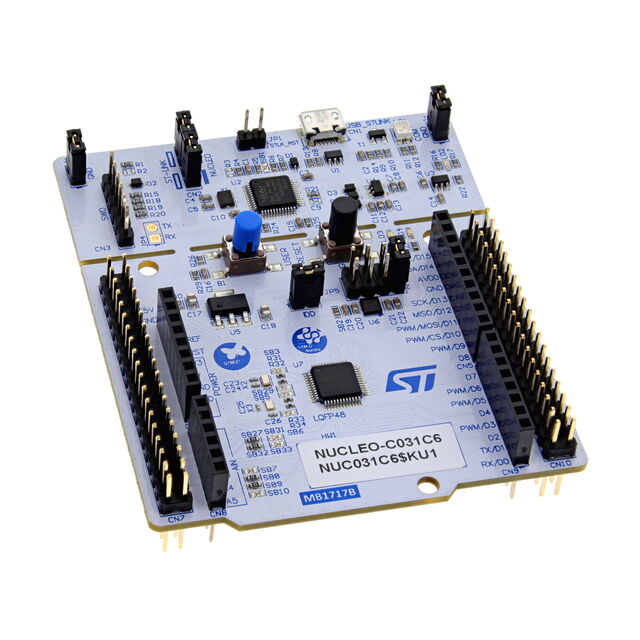 STMicroelectronics | ARM® Cortex®-M0+ | Fixed | IAR EW Keil MDK STM32Cube | Nucleo-64 | Evaluation Platform | Arduino R3 Shield ST Morpho | MCU 32-Bit | Board(s) | STM32C031 | |||||||||||||||||||
STMicroelectronics | I2C IrDA LINbus SPI UART/USART | 32-UFQFN Exposed Pad | 32-Bit | 85 °C | -40 °C | 2 V | 3.6 V | 48 MHz | 32 KB | External Internal | 30 I/O | ARM® Cortex®-M0+ | SAR | FLASH | Brown-out Detect/Reset POR PWM Temp Sensor WDT | 32-UFQFPN (5x5) | Surface Mount | 12 K | 12 b 18 channels | |||||||||
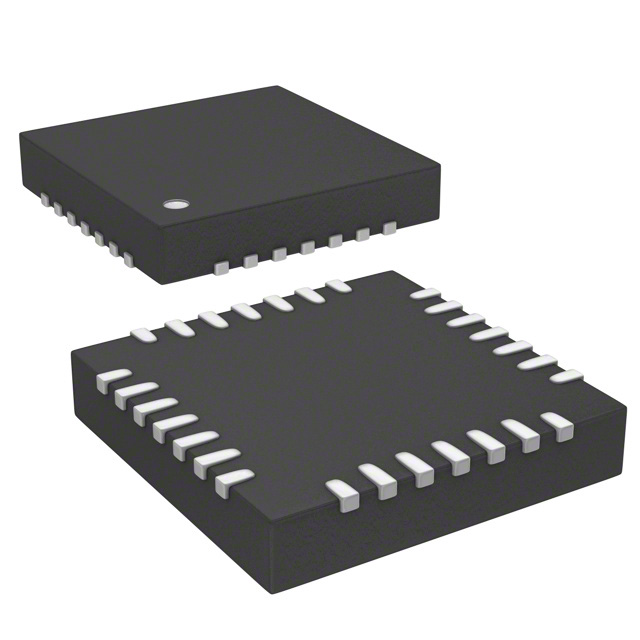 STMicroelectronics | I2C IrDA LINbus SPI UART/USART | 28-UFQFN | 32-Bit | 85 °C | -40 °C | 2 V | 3.6 V | 48 MHz | 32 KB | External Internal | 26 I/O | ARM® Cortex®-M0+ | SAR | FLASH | Brown-out Detect/Reset POR PWM Temp Sensor WDT | 28-UFQFPN (4x4) | Surface Mount | 12 K | 12 b 17 | |||||||||
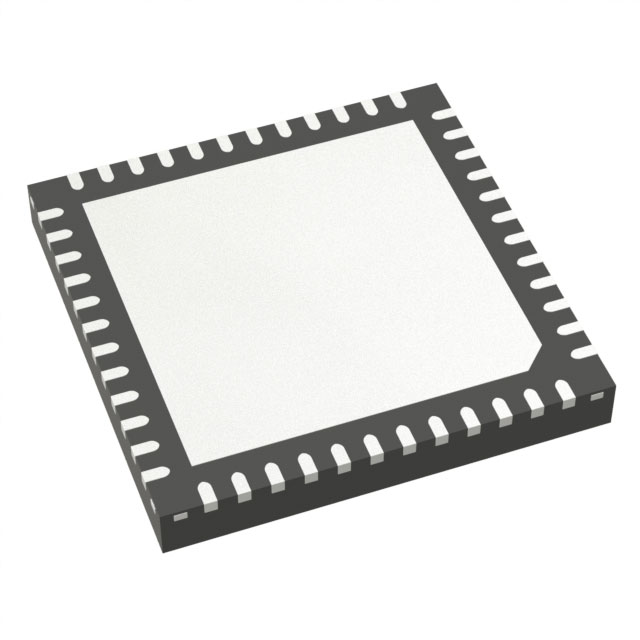 STMicroelectronics | I2C IrDA LINbus SPI UART/USART | 48-UFQFN Exposed Pad | 32-Bit | 85 °C | -40 °C | 2 V | 3.6 V | 48 MHz | 32 KB | External Internal | 45 | ARM® Cortex®-M0+ | 21 | SAR | 12 | FLASH | Brown-out Detect/Reset POR PWM Temp Sensor WDT | 48-UFQFPN (7x7) | Surface Mount | 12 K |
Pricing
Prices provided here are for design reference only. For realtime values and availability, please visit the distributors directly
Description
General part information
NUCLEO-C031C6 Series
The STM32C031x4/x6 mainstream microcontrollers are based on high-performance Arm®Cortex®-M0+ 32-bit RISC core operating at up to 48 MHz frequency. Offering a high level of integration, they are suitable for a wide range of applications in consumer, industrial and appliance domains and ready for the Internet of Things (IoT) solutions.
The devices incorporate a memory protection unit (MPU), high-speed embedded memories (12 Kbytes of SRAM and up to 32 Kbytes of flash program memory with read and write protection), DMA, an extensive range of system functions, enhanced I/Os, and peripherals. The devices offer standard communication interfaces (one I2Cs, one SPI / one I2S, and two USARTs), one 12-bit ADC (2.5 MSps) with up to 21 channels, a low-power RTC, an advanced control PWM timer, four general-purpose 16-bit timers, two watchdog timers, and a SysTick timer.
The devices operate within ambient temperatures from -40 to 125°C and with supply voltages from 2.0 V to 3.6 V. Optimized dynamic consumption combined with power-saving modes allows the design of low-power applications.
Documents
Technical documentation and resources