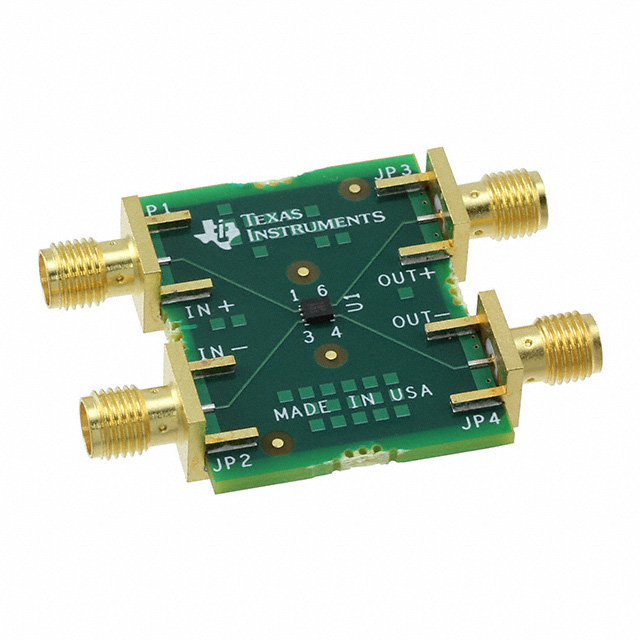
DS80EP100-EVK
ObsoleteEVAL MODULE FOR DS80EP100
Deep-Dive with AI
Search across all available documentation for this part.
DS80EP100-EVK
ObsoleteEVAL MODULE FOR DS80EP100
Deep-Dive with AI
Technical Specifications
Parameters and characteristics for this part
| Specification | DS80EP100-EVK |
|---|---|
| Function | Cable Equalizer |
| Supplied Contents | Board(s) |
| Type | Interface |
| Utilized IC / Part | DS80EP100 |
Pricing
Prices provided here are for design reference only. For realtime values and availability, please visit the distributors directly
| Distributor | Package | Quantity | $ | |
|---|---|---|---|---|
| Digikey | Box | 1 | $ 118.80 | |
Description
General part information
DS80EP100 Series
TI’s Power-saver equalizer compensates for transmission medium losses and minimizes medium-induced deterministic jitter. Performance is guaranteed over the full range of 5 to 12.5 Gbps. The DS80EP100 requires no power to operate. The equalizer operates anywhere in the data path to minimize media-induced deterministic jitter in both FR4 traces and cable applications. Symmetric I/O structures support full duplex or half duplex applications. Linear compensation is provided independent of line coding or protocol. The device is ideal for both bi-level and multi-level signaling.
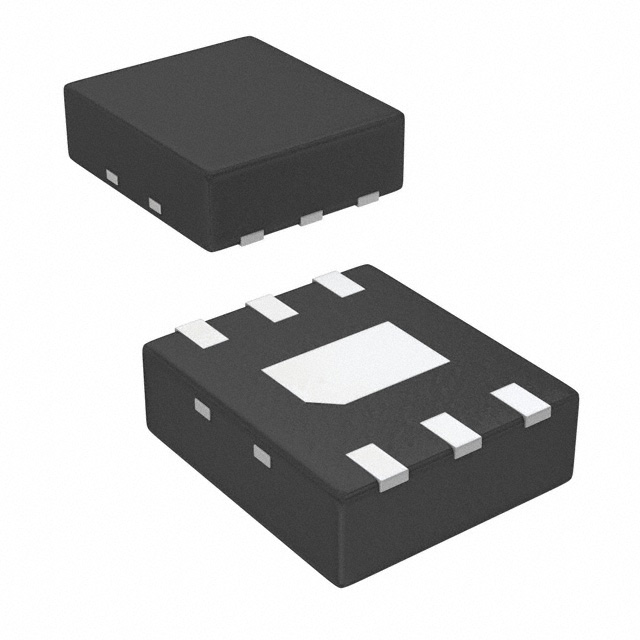
The equalizer is available in a 6 pin leadless WSON package with a space saving 2.2 mm X 2.5 mm footprint. This tiny package provides maximum flexibility in placement and routing of the Power-saver equalizer.
TI’s Power-saver equalizer compensates for transmission medium losses and minimizes medium-induced deterministic jitter. Performance is guaranteed over the full range of 5 to 12.5 Gbps. The DS80EP100 requires no power to operate. The equalizer operates anywhere in the data path to minimize media-induced deterministic jitter in both FR4 traces and cable applications. Symmetric I/O structures support full duplex or half duplex applications. Linear compensation is provided independent of line coding or protocol. The device is ideal for both bi-level and multi-level signaling.
Documents
Technical documentation and resources