T
Texas Instruments
| Series | Category | # Parts | Status | Description |
|---|---|---|---|---|
| Part | Spec A | Spec B | Spec C | Spec D | Description |
|---|---|---|---|---|---|



| Series | Category | # Parts | Status | Description |
|---|---|---|---|---|
| Part | Spec A | Spec B | Spec C | Spec D | Description |
|---|---|---|---|---|---|
| Part | Category | Description |
|---|---|---|
 Texas Instruments | Integrated Circuits (ICs) | BUS DRIVER, BCT/FBT SERIES |
 Texas Instruments | Integrated Circuits (ICs) | 12BIT 3.3V~3.6V 210MHZ PARALLEL VQFN-48-EP(7X7) ANALOG TO DIGITAL CONVERTERS (ADC) ROHS |
Texas Instruments | Integrated Circuits (ICs) | TMX320DRE311 179PIN UBGA 200MHZ |
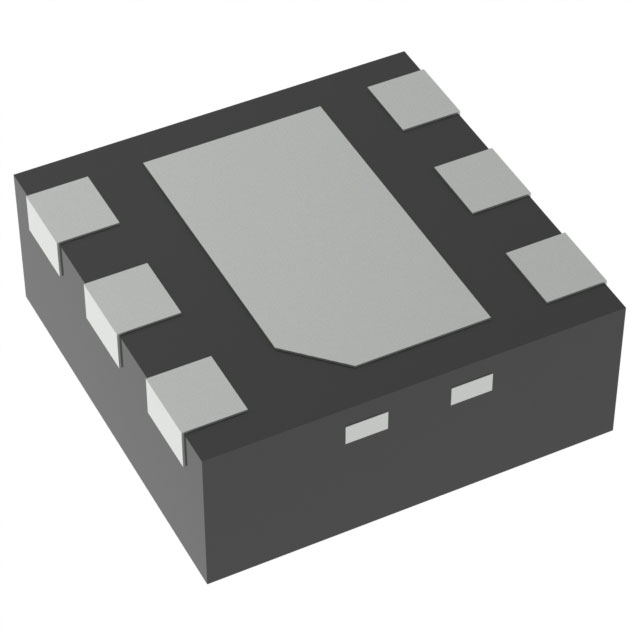 Texas Instruments TPS61040DRVTG4Unknown | Integrated Circuits (ICs) | IC LED DRV RGLTR PWM 350MA 6WSON |
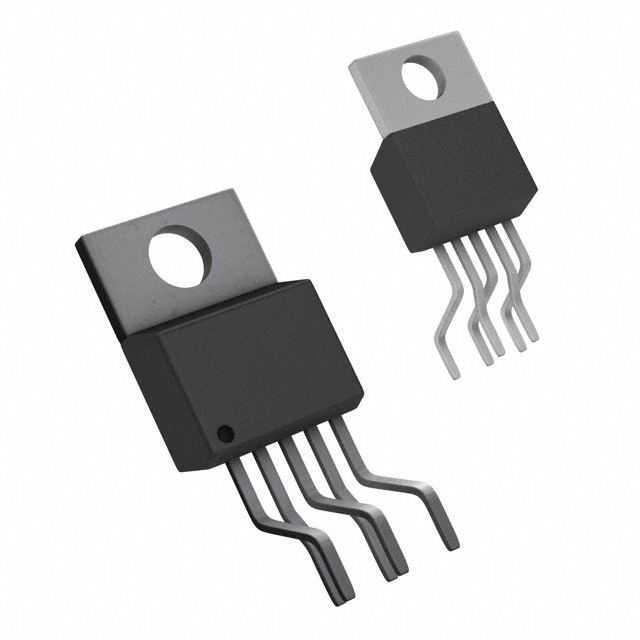 Texas Instruments LP3876ET-2.5Obsolete | Integrated Circuits (ICs) | IC REG LINEAR 2.5V 3A TO220-5 |
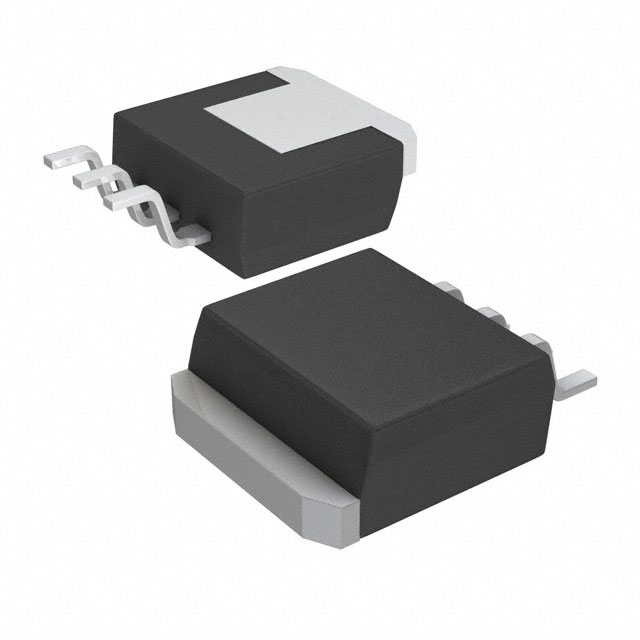 Texas Instruments LMS1585ACSX-ADJObsolete | Integrated Circuits (ICs) | IC REG LIN POS ADJ 5A DDPAK |
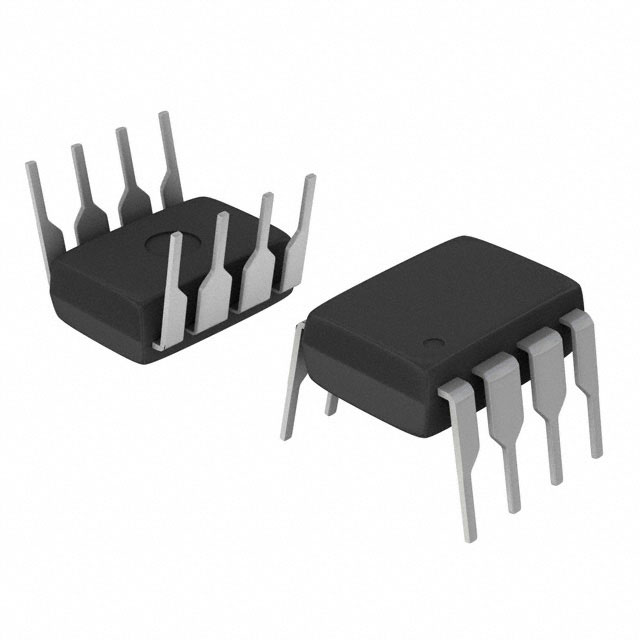 Texas Instruments INA111APG4Obsolete | Integrated Circuits (ICs) | IC INST AMP 1 CIRCUIT 8DIP |
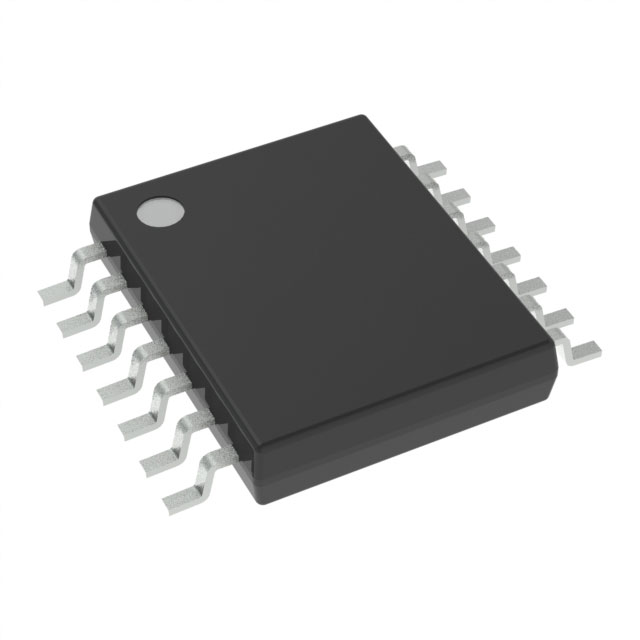 Texas Instruments | Integrated Circuits (ICs) | AUTOMOTIVE, QUAD 36V 1.2MHZ OPERATIONAL AMPLIFIER |
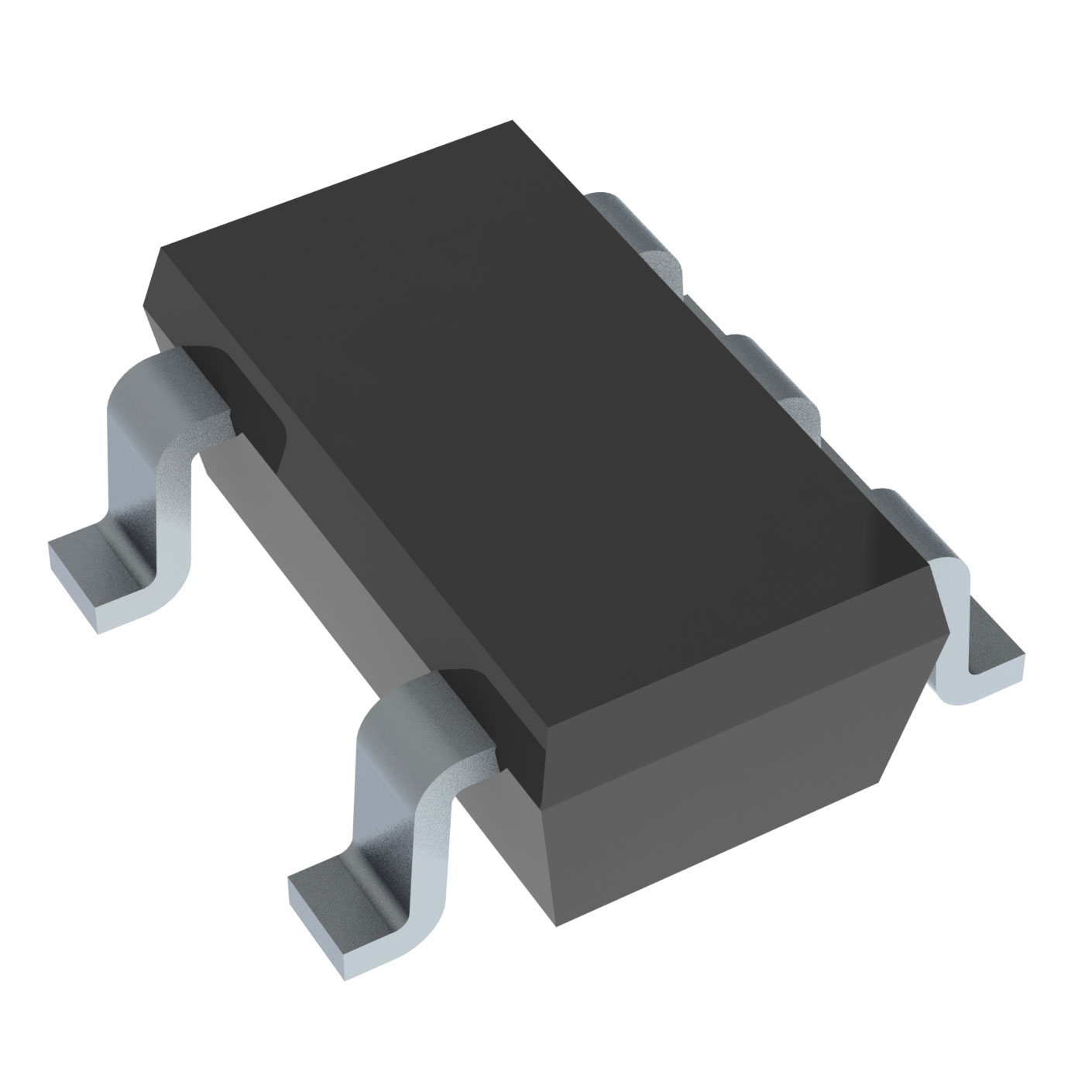 Texas Instruments OPA340NA/3KG4Unknown | Integrated Circuits (ICs) | IC OPAMP GP 1 CIRCUIT SOT23-5 |
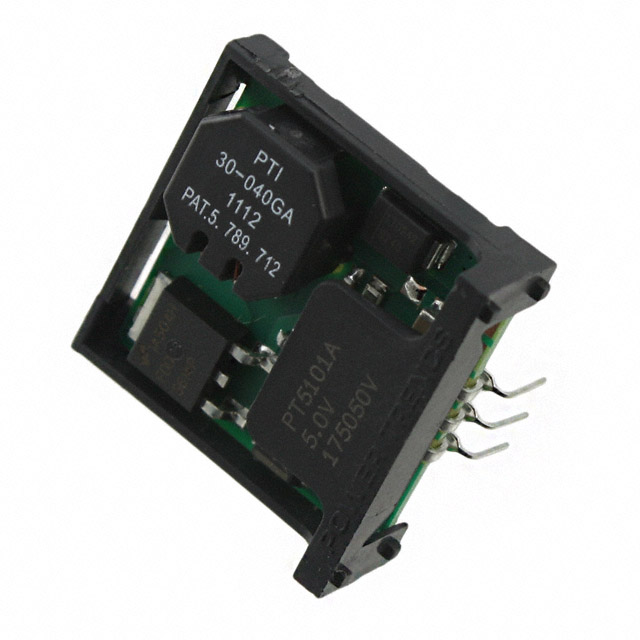 Texas Instruments PT5112AObsolete | Power Supplies - Board Mount | DC DC CONVERTER 8V 8W |
| Series | Category | # Parts | Status | Description |
|---|---|---|---|---|
| Instrumentation, Op Amps, Buffer Amps | 8 | Active | ||
OPA380Single, High-Speed Precision Transimpedance Amplifier | Instrumentation, Op Amps, Buffer Amps | 4 | Active | The OPA380 family of transimpedance amplifiers provides high-speed (90MHz Gain Bandwidth [GBW]) operation, with extremely high precision, excellent long-term stability, and very low 1/f noise. It is ideally suited for high-speed photodiode applications. The OPA380 features an offset voltage of 25µV, offset drift of 0.1µV/°C, and bias current of 50pA. The OPA380 far exceeds the offset, drift, and noise performance that conventional JFET op amps provide.
The signal bandwidth of a transimpedance amplifier depends largely on the GBW of the amplifier and the parasitic capacitance of the photodiode, as well as the feedback resistor. The 90MHz GBW of the OPA380 enables a transimpedance bandwidth of > 1MHz in most configurations. The OPA380 is ideally suited for fast control loops for power level on an optical fiber.
As a result of the high precision and low-noise characteristics of the OPA380, a dynamic range of 4 to 5 decades can be achieved. For example, this capability allows the measurement of signal currents on the order of 1nA, and up to 100µA in a single I/V conversion stage. In contrast to logarithmic amplifiers, the OPA380 provides very wide bandwidth throughout the full dynamic range. By using an external pull-down resistor to -5V, the output voltage range can be extended to include 0V.
The OPA380 (single) is available in MSOP-8 and SO-8 packages. The OPA2380 (dual) is available in the miniature MSOP-8 package. They are specified from -40°C to +125°C.
The OPA380 family of transimpedance amplifiers provides high-speed (90MHz Gain Bandwidth [GBW]) operation, with extremely high precision, excellent long-term stability, and very low 1/f noise. It is ideally suited for high-speed photodiode applications. The OPA380 features an offset voltage of 25µV, offset drift of 0.1µV/°C, and bias current of 50pA. The OPA380 far exceeds the offset, drift, and noise performance that conventional JFET op amps provide.
The signal bandwidth of a transimpedance amplifier depends largely on the GBW of the amplifier and the parasitic capacitance of the photodiode, as well as the feedback resistor. The 90MHz GBW of the OPA380 enables a transimpedance bandwidth of > 1MHz in most configurations. The OPA380 is ideally suited for fast control loops for power level on an optical fiber.
As a result of the high precision and low-noise characteristics of the OPA380, a dynamic range of 4 to 5 decades can be achieved. For example, this capability allows the measurement of signal currents on the order of 1nA, and up to 100µA in a single I/V conversion stage. In contrast to logarithmic amplifiers, the OPA380 provides very wide bandwidth throughout the full dynamic range. By using an external pull-down resistor to -5V, the output voltage range can be extended to include 0V.
The OPA380 (single) is available in MSOP-8 and SO-8 packages. The OPA2380 (dual) is available in the miniature MSOP-8 package. They are specified from -40°C to +125°C. |
OPA381Precision, Low Power, High-Speed Transimpedance Amplifier | Amplifiers | 2 | Active | The OPA381 family of transimpedance amplifiers provides 18MHz of Gain Bandwidth (GBW), with extremely high precision, excellent long-term stability, and very low 1/f noise. The OPA381 features an offset voltage of 25µV (max), offset drift of 0.1µV/°C (max), and bias current of 3pA. The OPA381 far exceeds the offset, drift, and noise performance that conventional JFET op amps provide.
The signal bandwidth of a transimpedance amplifier depends largely on the GBW of the amplifier and the parasitic capacitance of the photodiode, as well as the feedback resistor. The 18MHz GBW of the OPA381 enables a trans-impedance bandwidth of >: 250kHz in most configurations. The OPA381 is ideally suited for fast control loops for power level measurement on an optical fiber.
As a result of the high precision and low-noise characteristics of the OPA381, a dynamic range of 5 decades can be achieved. This capability allows the measurement of signal currents in the order of 10nA, and up to 1mA in a single I/V conversion stage. In contrast to logarithmic amplifiers, the OPA381 provides very wide bandwidth throughout the full dynamic range. By using an external pulldown resistor to –5V, the output voltage range can be extended to include 0V.
The OPA381 and OPA2381 are both available in MSOP-8 and DFN-8 (3mm x 3mm) packages. They are specified from –40°C to +125°C.
The OPA381 family of transimpedance amplifiers provides 18MHz of Gain Bandwidth (GBW), with extremely high precision, excellent long-term stability, and very low 1/f noise. The OPA381 features an offset voltage of 25µV (max), offset drift of 0.1µV/°C (max), and bias current of 3pA. The OPA381 far exceeds the offset, drift, and noise performance that conventional JFET op amps provide.
The signal bandwidth of a transimpedance amplifier depends largely on the GBW of the amplifier and the parasitic capacitance of the photodiode, as well as the feedback resistor. The 18MHz GBW of the OPA381 enables a trans-impedance bandwidth of >: 250kHz in most configurations. The OPA381 is ideally suited for fast control loops for power level measurement on an optical fiber.
As a result of the high precision and low-noise characteristics of the OPA381, a dynamic range of 5 decades can be achieved. This capability allows the measurement of signal currents in the order of 10nA, and up to 1mA in a single I/V conversion stage. In contrast to logarithmic amplifiers, the OPA381 provides very wide bandwidth throughout the full dynamic range. By using an external pulldown resistor to –5V, the output voltage range can be extended to include 0V.
The OPA381 and OPA2381 are both available in MSOP-8 and DFN-8 (3mm x 3mm) packages. They are specified from –40°C to +125°C. |
| Linear | 1 | Unknown | ||
OPA3832250MHz triple, low-power, high-speed, fixed-gain operational amplifier | Linear | 1 | Active | The OPA3832 is a triple, low-power, high-speed, fixed-gain amplifier designed to operate on a single +3V to +11V supply. Operation on ±1.5V to ±5.5V supplies is also supported. The input range extends below ground and to within 1.7V of the positive supply.
Using complementary common-emitter outputs provides an output swing to within 30mV of ground and 60mV of the positive supply. The high output drive current and low differential gain and phase errors also make it ideal for single-supply consumer video products.
Low distortion operation is ensured by high bandwidth (80MHz) and slew rate (350V/µs), making the OPA3832 an ideal input buffer stage to 3V and 5V CMOS converters. Unlike earlier low-power, single-supply amplifiers, distortion performance improves as the signal swing is decreased. A low 9.3nV/Hzinput voltage noise supports wide dynamic range operation.
The OPA3832 is available in an industry-standard SO-14 package or a small TSSOP-14 package.
The OPA3832 is a triple, low-power, high-speed, fixed-gain amplifier designed to operate on a single +3V to +11V supply. Operation on ±1.5V to ±5.5V supplies is also supported. The input range extends below ground and to within 1.7V of the positive supply.
Using complementary common-emitter outputs provides an output swing to within 30mV of ground and 60mV of the positive supply. The high output drive current and low differential gain and phase errors also make it ideal for single-supply consumer video products.
Low distortion operation is ensured by high bandwidth (80MHz) and slew rate (350V/µs), making the OPA3832 an ideal input buffer stage to 3V and 5V CMOS converters. Unlike earlier low-power, single-supply amplifiers, distortion performance improves as the signal swing is decreased. A low 9.3nV/Hzinput voltage noise supports wide dynamic range operation.
The OPA3832 is available in an industry-standard SO-14 package or a small TSSOP-14 package. |
OPA387Ultra-high precision (2 µV), zero-drift (0.003 µV/C), low-input-bias-current op amp (single) | Instrumentation, Op Amps, Buffer Amps | 2 | Active | The OPA387, OPA2387, and OPA4387 ( OPAx387) family of precision amplifiers offers state-of-the-art performance. With zero-drift technology, the OPAx387 offset voltage and offset drift provide unparalleled long-term stability. With a mere 570 µA of quiescent current, the OPAx387 are able to achieve 5.7 MHz of bandwidth, a broadband noise of 8.5 nV/√ Hz, and a 1/f noise at 177 nV PP. These specifications are crucial to achieve extremely-high precision and no degradation of linearity in 16-bit to 24-bit analog to digital converters (ADCs). The OPAx387 feature flat bias current over temperature; therefore, little to no calibration is needed in high input impedance applications over temperature.
All versions are specified over the industrial temperature range of –40°C to +125°C.
The OPA387, OPA2387, and OPA4387 ( OPAx387) family of precision amplifiers offers state-of-the-art performance. With zero-drift technology, the OPAx387 offset voltage and offset drift provide unparalleled long-term stability. With a mere 570 µA of quiescent current, the OPAx387 are able to achieve 5.7 MHz of bandwidth, a broadband noise of 8.5 nV/√ Hz, and a 1/f noise at 177 nV PP. These specifications are crucial to achieve extremely-high precision and no degradation of linearity in 16-bit to 24-bit analog to digital converters (ADCs). The OPAx387 feature flat bias current over temperature; therefore, little to no calibration is needed in high input impedance applications over temperature.
All versions are specified over the industrial temperature range of –40°C to +125°C. |
OPA3875Triple-channel, 700-MHz, op amp with 2:1 high-speed multiplexer | Interface | 1 | Active | The OPA3875 offers a very wideband, 3-channel, 2:1 multiplexer in a small SSOP-16 package. Using only 11mA/ch, the OPA3875 provides three, gain of +2, video amplifier channels with greater than 400MHz large-signal bandwidth (4VPP). Gain accuracy and switching glitch are improved over earlier solutions using a new (patented) input stage switching approach. This technique uses current steering as the input switch while maintaining an overall closed-loop design. Gain matching between each of the 3-channel pairs is also significantly improved using this technique (<0.2% gain mismatch). With greater than 700MHz small-signal bandwidth at a gain of 2, the OPA3875 gives a typical 0.1dB gain flatness to greater than 150MHz.
System power may be reduced using the chip enable feature for the OPA3875. Taking the chip enable line high powers down the OPA3875 to less than 900µA total supply current. Muxing multiple OPA3875 outputs together, then using the chip enable to select which channels are active, increases the number of possible inputs to the 3-channel outputs.
Where a single channel of the OPA3875 is required, consider the OPA875.
The OPA3875 offers a very wideband, 3-channel, 2:1 multiplexer in a small SSOP-16 package. Using only 11mA/ch, the OPA3875 provides three, gain of +2, video amplifier channels with greater than 400MHz large-signal bandwidth (4VPP). Gain accuracy and switching glitch are improved over earlier solutions using a new (patented) input stage switching approach. This technique uses current steering as the input switch while maintaining an overall closed-loop design. Gain matching between each of the 3-channel pairs is also significantly improved using this technique (<0.2% gain mismatch). With greater than 700MHz small-signal bandwidth at a gain of 2, the OPA3875 gives a typical 0.1dB gain flatness to greater than 150MHz.
System power may be reduced using the chip enable feature for the OPA3875. Taking the chip enable line high powers down the OPA3875 to less than 900µA total supply current. Muxing multiple OPA3875 outputs together, then using the chip enable to select which channels are active, increases the number of possible inputs to the 3-channel outputs.
Where a single channel of the OPA3875 is required, consider the OPA875. |
OPA388Single, 10-MHz, CMOS, zero-drift, zero-crossover, true RRIO precision operational amplifier | Instrumentation, Op Amps, Buffer Amps | 4 | Active | The OPAx388 (OPA388, OPA2388, and OPA4388) series of precision operational amplifiers are ultra-low noise, fast-settling, zero-drift, zero-crossover devices that provide rail-to-rail input and output operation. These features and excellent ac performance, combined with only 0.25 µV of offset and 0.005 µV/°C of drift over temperature, makes the OPAx388 a great choice for driving high-precision, analog-to-digital converters (ADCs) or buffering the output of high-resolution, digital-to-analog converters (DACs). This design results in excellent performance when driving analog-to-digital converters (ADCs) without degradation of linearity. The OPA388 (single version) is available in the VSSOP-8, SOT23-5, and SOIC-8 packages. The OPA2388 (dual version) is offered in the VSSOP-8 and SO-8 packages. The OPA4388 (quad version) is offered in the TSSOP-14 and SO-14 packages. All versions are specified over the industrial temperature range of –40°C to +125°C.
The OPAx388 (OPA388, OPA2388, and OPA4388) series of precision operational amplifiers are ultra-low noise, fast-settling, zero-drift, zero-crossover devices that provide rail-to-rail input and output operation. These features and excellent ac performance, combined with only 0.25 µV of offset and 0.005 µV/°C of drift over temperature, makes the OPAx388 a great choice for driving high-precision, analog-to-digital converters (ADCs) or buffering the output of high-resolution, digital-to-analog converters (DACs). This design results in excellent performance when driving analog-to-digital converters (ADCs) without degradation of linearity. The OPA388 (single version) is available in the VSSOP-8, SOT23-5, and SOIC-8 packages. The OPA2388 (dual version) is offered in the VSSOP-8 and SO-8 packages. The OPA4388 (quad version) is offered in the TSSOP-14 and SO-14 packages. All versions are specified over the industrial temperature range of –40°C to +125°C. |
OPA391Micropower, single, high-precision low-bias-current RRIO op amp with high speed-to-power ratio | Amplifiers | 1 | Active | The OPA391, OPA2391, and OPA4391 (OPAx391) devices feature a unique combination of high bandwidth (1MHz) along with very-low quiescent current (24µA) in high-precision amplifiers. These features combined with rail-to-rail input and output make these devices an exceptional choice in high-gain, low-power applications. Ultra-low input bias current of 10fA, only 45µV of offset (maximum), and 1.2µV/°C of drift over temperature help maintain high precision in ratiometric and amperometric sensor front ends that have demanding low-power requirements.
The OPAx391 use Texas Instruments’ proprietary e‑trim™ operational amplifier technology, enabling a unique combination of ultra-low offset and low input offset drift without the need for any input switching or auto-zero techniques. The CMOS-based technology platform also features a modern, robust output stage design that is tolerant of high output capacitance, alleviating stability problems that are common in typical low-power amplifiers.
The OPA391, OPA2391, and OPA4391 (OPAx391) devices feature a unique combination of high bandwidth (1MHz) along with very-low quiescent current (24µA) in high-precision amplifiers. These features combined with rail-to-rail input and output make these devices an exceptional choice in high-gain, low-power applications. Ultra-low input bias current of 10fA, only 45µV of offset (maximum), and 1.2µV/°C of drift over temperature help maintain high precision in ratiometric and amperometric sensor front ends that have demanding low-power requirements.
The OPAx391 use Texas Instruments’ proprietary e‑trim™ operational amplifier technology, enabling a unique combination of ultra-low offset and low input offset drift without the need for any input switching or auto-zero techniques. The CMOS-based technology platform also features a modern, robust output stage design that is tolerant of high output capacitance, alleviating stability problems that are common in typical low-power amplifiers. |
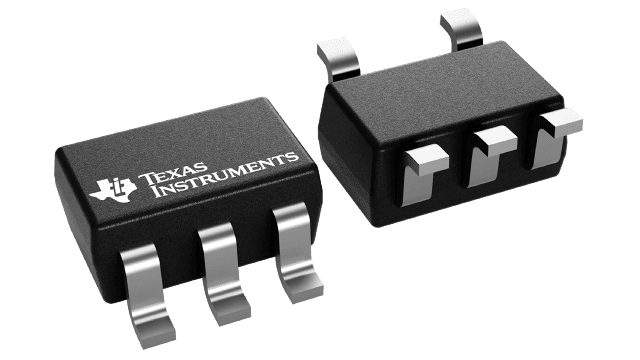
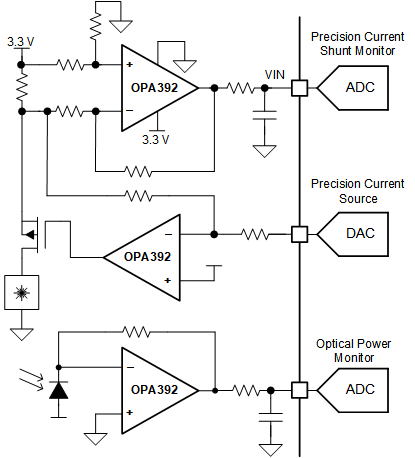
OPA392Single, low-offset (10 μV), low-noise (4.4 nV/rtHz @10kHz) femtoamp-bias-current e-trim™ op amp | Integrated Circuits (ICs) | 1 | Active | The OPAx392 family of operational amplifiers (OPA392, OPA2392, and OPA4392) features ultra-low offset, offset drift, and input bias current with rail-to-rail input and output operation. In addition to precision dc accuracy, the ac performance is optimized for low noise and fast-settling transient response. These features make the OPAx392 an excellent choice for driving high-precision analog-to-digital converters (ADCs) or buffering the output of high-resolution, digital-to-analog converters (DACs).
The OPAx392 feature TI’s e-trim™ operational amplifier technology to achieve ultra-low offset voltage and offset voltage drift without any input chopping or auto-zero techniques. This technique enables ultra-low input bias current for sensor inputs or photodiode current-to-voltage measurements, creating high-performance transimpedance stages for optical modules or medical instrumentation.
The OPAx392 family of operational amplifiers (OPA392, OPA2392, and OPA4392) features ultra-low offset, offset drift, and input bias current with rail-to-rail input and output operation. In addition to precision dc accuracy, the ac performance is optimized for low noise and fast-settling transient response. These features make the OPAx392 an excellent choice for driving high-precision analog-to-digital converters (ADCs) or buffering the output of high-resolution, digital-to-analog converters (DACs).
The OPAx392 feature TI’s e-trim™ operational amplifier technology to achieve ultra-low offset voltage and offset voltage drift without any input chopping or auto-zero techniques. This technique enables ultra-low input bias current for sensor inputs or photodiode current-to-voltage measurements, creating high-performance transimpedance stages for optical modules or medical instrumentation. |