LPV542Dual, 5.5-V, 8-kHz, ultra low quiescent current (480-nA), 1.6-V min supply, RRIO op amp | Instrumentation, Op Amps, Buffer Amps | 2 | Active | The LPV542 is an ultra-low-power, dual operational amplifier that provides 8kHz of bandwidth from 490nA of quiescent current making it well suited for battery-powered applications such as health and fitness wearables, building automation, and remote sensing nodes.
Each amplifier has a CMOS input stage with pico-amp bias currents which reduces errors commonly introduced in megaohm feedback resistance topologies such as photodiode and charge sense applications. In addition, the input common-mode range extends to the power supply rails and the output swings to within 3 mV of the rails, maintaining the widest dynamic range possible. Likewise, EMI protection is designed into the LPV542 in order to reduce system sensitivity to unwanted RF signals from mobile phones, WiFi, radio transmitters, and tag readers.
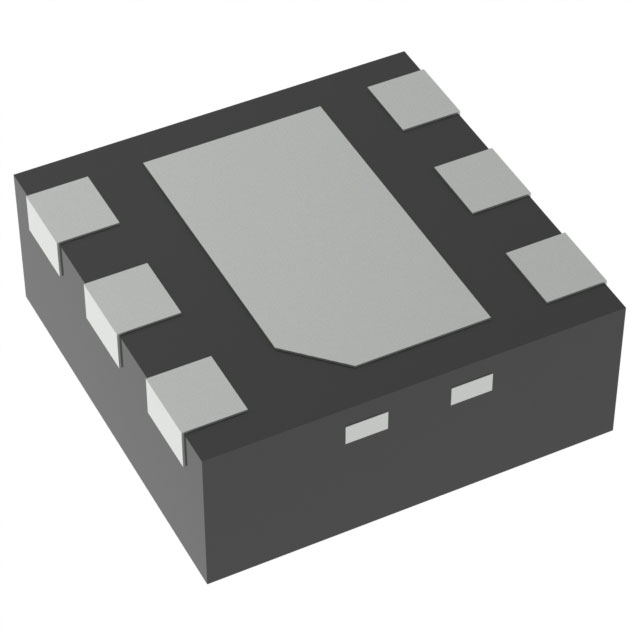
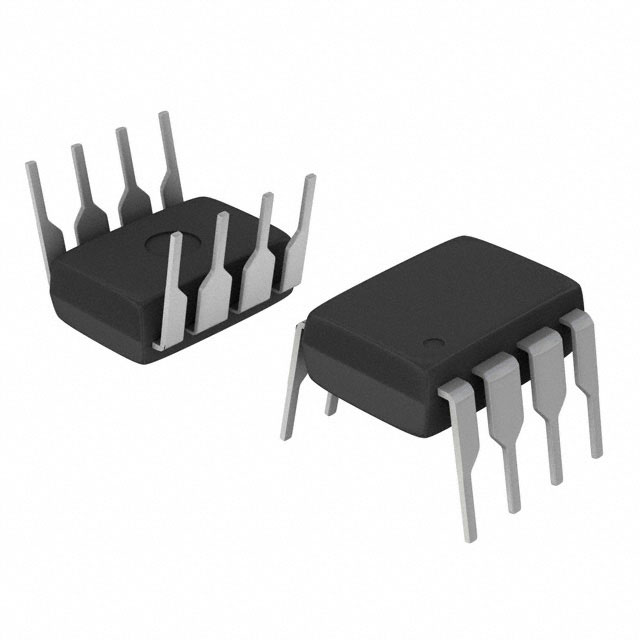
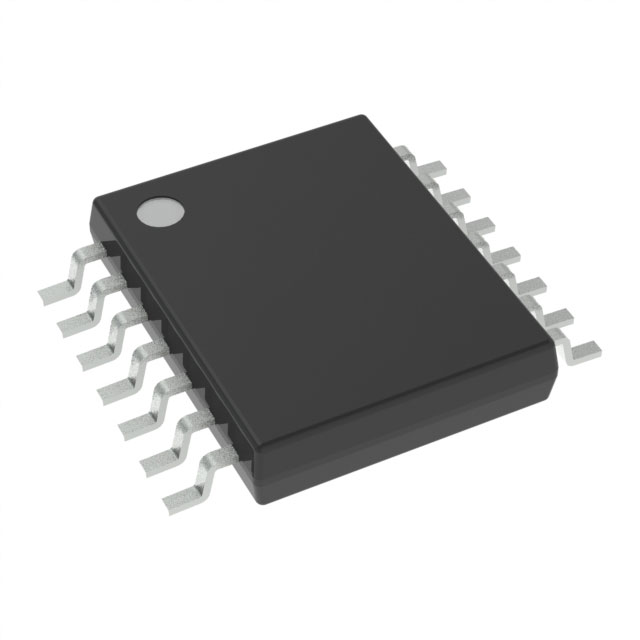
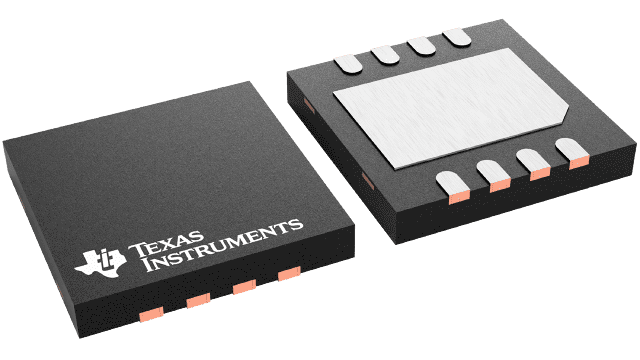
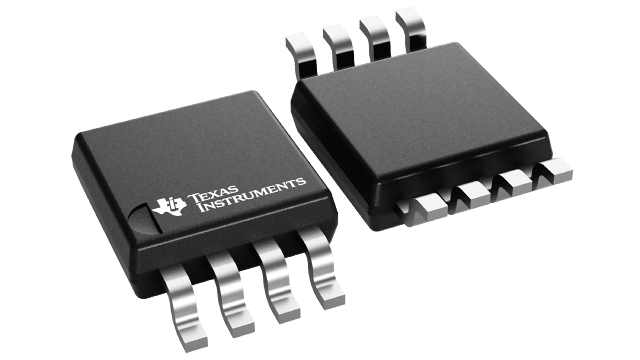
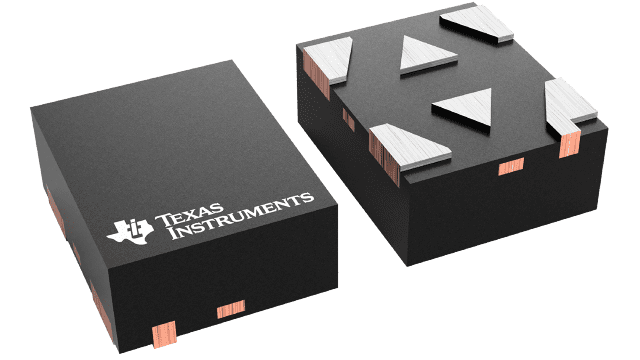
The LPV542 operates on a supply voltage as low as 1.6 V, ensuring continuous superior performance in low battery situations. The device is available in an 8-pad, low-profile, leadless 3 mm × 3 mm × 0.45 mm X1SON package and a standard 8 pin VSSOP.
The LPV542 is an ultra-low-power, dual operational amplifier that provides 8kHz of bandwidth from 490nA of quiescent current making it well suited for battery-powered applications such as health and fitness wearables, building automation, and remote sensing nodes.
Each amplifier has a CMOS input stage with pico-amp bias currents which reduces errors commonly introduced in megaohm feedback resistance topologies such as photodiode and charge sense applications. In addition, the input common-mode range extends to the power supply rails and the output swings to within 3 mV of the rails, maintaining the widest dynamic range possible. Likewise, EMI protection is designed into the LPV542 in order to reduce system sensitivity to unwanted RF signals from mobile phones, WiFi, radio transmitters, and tag readers.
The LPV542 operates on a supply voltage as low as 1.6 V, ensuring continuous superior performance in low battery situations. The device is available in an 8-pad, low-profile, leadless 3 mm × 3 mm × 0.45 mm X1SON package and a standard 8 pin VSSOP. |
LPV7215Nanopower, CMOS, single comparator | Integrated Circuits (ICs) | 3 | Active | The LPV7215 device is an ultra-low-power comparator with a typical power supply current of 580 nA. It has the best-in-class power supply current versus propagation delay performance available among TI’s low-power comparators. The propagation delay is as low as 4.5 µs with 100-mV overdrive at 1.8-V supply.
Designed to operate over a wide range of supply voltages, from 1.8 V to 5.5 V, with ensured operation at 1.8 V, 2.7 V, and 5 V, the LPV7215 is ideal for use in a variety of battery-powered applications. With rail-to-rail common-mode voltage range, the LPV7215 is well suited for single-supply operation.
Featuring a push-pull output stage, the LPV7215 allows for operation with absolute minimum power consumption when driving any capacitive or resistive load.
Available in a choice of space-saving packages, the LPV7215 is ideal for use in handheld electronics and mobile phone applications. The LPV7215 is manufactured with TI's advanced VIP50 process.
The LPV7215 device is an ultra-low-power comparator with a typical power supply current of 580 nA. It has the best-in-class power supply current versus propagation delay performance available among TI’s low-power comparators. The propagation delay is as low as 4.5 µs with 100-mV overdrive at 1.8-V supply.
Designed to operate over a wide range of supply voltages, from 1.8 V to 5.5 V, with ensured operation at 1.8 V, 2.7 V, and 5 V, the LPV7215 is ideal for use in a variety of battery-powered applications. With rail-to-rail common-mode voltage range, the LPV7215 is well suited for single-supply operation.
Featuring a push-pull output stage, the LPV7215 allows for operation with absolute minimum power consumption when driving any capacitive or resistive load.
Available in a choice of space-saving packages, the LPV7215 is ideal for use in handheld electronics and mobile phone applications. The LPV7215 is manufactured with TI's advanced VIP50 process. |
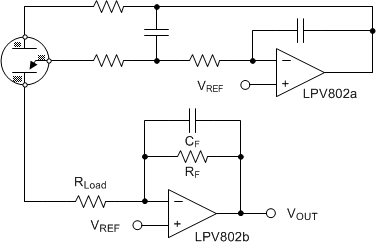
LPV801Single, 5.5-V, 8-kHz, ultra low quiescent current (450-nA), 1.6-V min supply, RRO op amp | Integrated Circuits (ICs) | 1 | Active | The LPV801 (single) and LPV802 (dual) comprise a family of ultra-low-power operational amplifiers for sensing applications in battery powered wireless and low power wired equipment. With 8kHz of bandwidth from 320nA of quiescent current, the LPV80x amplifiers minimize power consumption in equipment such as CO detectors, smoke detectors and PIR motion detectors where operational battery-life is critical.
In addition to being ultra-low-power, the LPV80x amplifiers have CMOS input stages with typically femto-amp bias currents. The LPV80x amplifiers also feature a negative-rail sensing input stage and a rail-to-rail output stage that is capable of swinging within millivolts of the rails, maintaining the widest dynamic range possible. EMI protection is designed into the LPV80x in order to reduce system sensitivity to unwanted RF signals from mobile phones, WiFi, radio transmitters and tag readers.
The LPV801 (single) and LPV802 (dual) comprise a family of ultra-low-power operational amplifiers for sensing applications in battery powered wireless and low power wired equipment. With 8kHz of bandwidth from 320nA of quiescent current, the LPV80x amplifiers minimize power consumption in equipment such as CO detectors, smoke detectors and PIR motion detectors where operational battery-life is critical.
In addition to being ultra-low-power, the LPV80x amplifiers have CMOS input stages with typically femto-amp bias currents. The LPV80x amplifiers also feature a negative-rail sensing input stage and a rail-to-rail output stage that is capable of swinging within millivolts of the rails, maintaining the widest dynamic range possible. EMI protection is designed into the LPV80x in order to reduce system sensitivity to unwanted RF signals from mobile phones, WiFi, radio transmitters and tag readers. |
LPV802Dual, 5.5-V, 8-kHz, ultra low quiescent current (320-nA), 1.6-V min supply, RRO op amp | Amplifiers | 2 | Active | The LPV801 (single) and LPV802 (dual) comprise a family of ultra-low-power operational amplifiers for sensing applications in battery powered wireless and low power wired equipment. With 8kHz of bandwidth from 320nA of quiescent current, the LPV80x amplifiers minimize power consumption in equipment such as CO detectors, smoke detectors and PIR motion detectors where operational battery-life is critical.
In addition to being ultra-low-power, the LPV80x amplifiers have CMOS input stages with typically femto-amp bias currents. The LPV80x amplifiers also feature a negative-rail sensing input stage and a rail-to-rail output stage that is capable of swinging within millivolts of the rails, maintaining the widest dynamic range possible. EMI protection is designed into the LPV80x in order to reduce system sensitivity to unwanted RF signals from mobile phones, WiFi, radio transmitters and tag readers.
The LPV801 (single) and LPV802 (dual) comprise a family of ultra-low-power operational amplifiers for sensing applications in battery powered wireless and low power wired equipment. With 8kHz of bandwidth from 320nA of quiescent current, the LPV80x amplifiers minimize power consumption in equipment such as CO detectors, smoke detectors and PIR motion detectors where operational battery-life is critical.
In addition to being ultra-low-power, the LPV80x amplifiers have CMOS input stages with typically femto-amp bias currents. The LPV80x amplifiers also feature a negative-rail sensing input stage and a rail-to-rail output stage that is capable of swinging within millivolts of the rails, maintaining the widest dynamic range possible. EMI protection is designed into the LPV80x in order to reduce system sensitivity to unwanted RF signals from mobile phones, WiFi, radio transmitters and tag readers. |
LPV811Single Channel 450nA Precision Nanopower Operational Amplifier | Integrated Circuits (ICs) | 2 | Active | The LPV811 (single) and LPV812 (dual) are a ultra-low-power precision operational amplifier family for "Always ON" sensing applications in battery powered wireless and low power wired equipment. With 8 kHz of bandwidth from 425 nA of quiescent current and a trimmed offset voltage to under 300µV, the LPV81x amplifiers provide the required precision while minimizing power consumption in equipment such as gas detectors and portable electronic devices where operational battery-life is critical.
In addition to being ultra-low-power, the LPV81x amplifiers have CMOS input stages with fempto-amp bias currents for impedance source applications. The LPV81x amplifiers also feature a negative-rail sensing input stage and a rail-to-rail output stage that swings within millivolts of the rails, maintaining the widest dynamic range possible. EMI protection is designed into the LPV81x in order to reduce system sensitivity to unwanted RF signals from mobile phones, WiFi, radio transmitters, and tag readers.
The LPV811 (single) and LPV812 (dual) are a ultra-low-power precision operational amplifier family for "Always ON" sensing applications in battery powered wireless and low power wired equipment. With 8 kHz of bandwidth from 425 nA of quiescent current and a trimmed offset voltage to under 300µV, the LPV81x amplifiers provide the required precision while minimizing power consumption in equipment such as gas detectors and portable electronic devices where operational battery-life is critical.
In addition to being ultra-low-power, the LPV81x amplifiers have CMOS input stages with fempto-amp bias currents for impedance source applications. The LPV81x amplifiers also feature a negative-rail sensing input stage and a rail-to-rail output stage that swings within millivolts of the rails, maintaining the widest dynamic range possible. EMI protection is designed into the LPV81x in order to reduce system sensitivity to unwanted RF signals from mobile phones, WiFi, radio transmitters, and tag readers. |
LPV812Dual Channel 425nA Precision Nanopower Operational Amplifiers | Integrated Circuits (ICs) | 2 | Active | The LPV811 (single) and LPV812 (dual) are a ultra-low-power precision operational amplifier family for "Always ON" sensing applications in battery powered wireless and low power wired equipment. With 8 kHz of bandwidth from 425 nA of quiescent current and a trimmed offset voltage to under 300µV, the LPV81x amplifiers provide the required precision while minimizing power consumption in equipment such as gas detectors and portable electronic devices where operational battery-life is critical.
In addition to being ultra-low-power, the LPV81x amplifiers have CMOS input stages with fempto-amp bias currents for impedance source applications. The LPV81x amplifiers also feature a negative-rail sensing input stage and a rail-to-rail output stage that swings within millivolts of the rails, maintaining the widest dynamic range possible. EMI protection is designed into the LPV81x in order to reduce system sensitivity to unwanted RF signals from mobile phones, WiFi, radio transmitters, and tag readers.
The LPV811 (single) and LPV812 (dual) are a ultra-low-power precision operational amplifier family for "Always ON" sensing applications in battery powered wireless and low power wired equipment. With 8 kHz of bandwidth from 425 nA of quiescent current and a trimmed offset voltage to under 300µV, the LPV81x amplifiers provide the required precision while minimizing power consumption in equipment such as gas detectors and portable electronic devices where operational battery-life is critical.
In addition to being ultra-low-power, the LPV81x amplifiers have CMOS input stages with fempto-amp bias currents for impedance source applications. The LPV81x amplifiers also feature a negative-rail sensing input stage and a rail-to-rail output stage that swings within millivolts of the rails, maintaining the widest dynamic range possible. EMI protection is designed into the LPV81x in order to reduce system sensitivity to unwanted RF signals from mobile phones, WiFi, radio transmitters, and tag readers. |
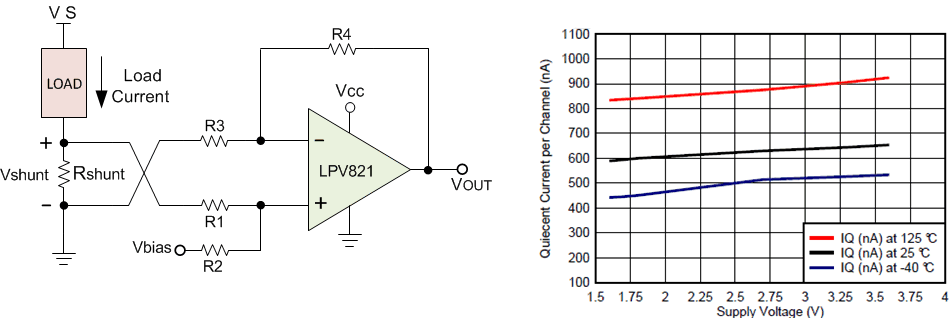
LPV821650nA, Precision Zero-Drift Nanopower Amplifier | Linear | 1 | Active | The LPV821 is a single-channel, nanopower, zero-drift operational amplifier for "Always ON" sensing applications in wireless and wired equipment where low input offset is required. With the combination of low initial offset, low offset drift, and 8 kHz of bandwidth from 650 nA of quiescent current, the LPV821 is the industry’s lowest power zero-drift amplifier that can be used for end equipment that monitor current consumption, temperature, gas, or strain gauges.
The LPV821 zero-drift operational amplifier uses a proprietary auto-calibration technique to simultaneously provide low offset voltage (10 µV, maximum) and minimal drift over time and temperature. In addition to having low offset and ultra-low quiescent current, the LPV821 amplifier has pico-amp bias currents which reduce errors commonly introduced in applications monitoring sensors with high output impedance and amplifier configurations with megaohm feedback resistors.
The LPV821 amplifier also features an input stage with rail-to-rail input common mode range and an output stage that swings within 12 mV of the rails, maintaining the widest dynamic range possible. The device is EMI hardened to reduce system sensitivity to unwanted RF signals from mobile phones, WiFi, radio transmitters, and tag readers.
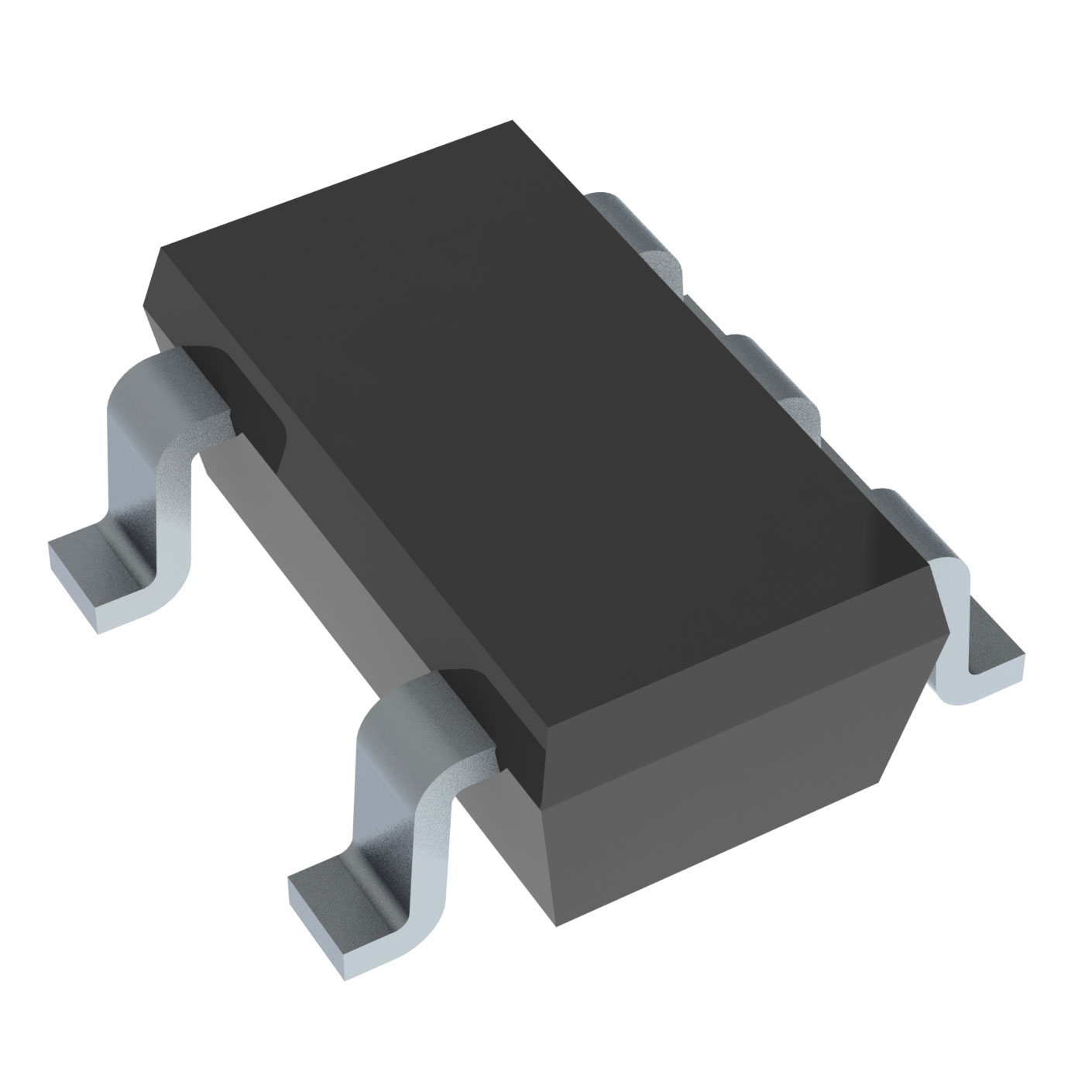
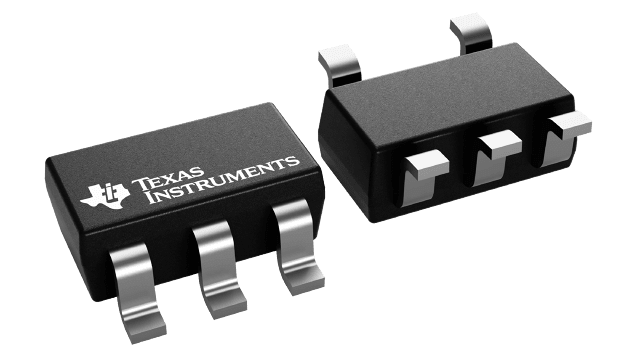
The LPV821 zero-drift amplifier operates with a single supply voltage as low as 1.7V, ensuring continuous performance in low battery situations over the extended temperature range of -40ºC to 125ºC. The LPV821 (single) is available in industry standard 5-pin SOT-23.
The LPV821 is a single-channel, nanopower, zero-drift operational amplifier for "Always ON" sensing applications in wireless and wired equipment where low input offset is required. With the combination of low initial offset, low offset drift, and 8 kHz of bandwidth from 650 nA of quiescent current, the LPV821 is the industry’s lowest power zero-drift amplifier that can be used for end equipment that monitor current consumption, temperature, gas, or strain gauges.
The LPV821 zero-drift operational amplifier uses a proprietary auto-calibration technique to simultaneously provide low offset voltage (10 µV, maximum) and minimal drift over time and temperature. In addition to having low offset and ultra-low quiescent current, the LPV821 amplifier has pico-amp bias currents which reduce errors commonly introduced in applications monitoring sensors with high output impedance and amplifier configurations with megaohm feedback resistors.
The LPV821 amplifier also features an input stage with rail-to-rail input common mode range and an output stage that swings within 12 mV of the rails, maintaining the widest dynamic range possible. The device is EMI hardened to reduce system sensitivity to unwanted RF signals from mobile phones, WiFi, radio transmitters, and tag readers.
The LPV821 zero-drift amplifier operates with a single supply voltage as low as 1.7V, ensuring continuous performance in low battery situations over the extended temperature range of -40ºC to 125ºC. The LPV821 (single) is available in industry standard 5-pin SOT-23. |
LSF0002Ultra-small auto-bidirectional translator for open-drain and push-pull applications | Logic | 1 | Active | The LSF0002 supports bidirectional voltage translation without the need for DIR pin, which minimizes system effort (for PMBus, I2C, SMBus, and so forth). The LSF family of devices supports up to 100MHz up translation and greater than 100MHz down translation at ≤ 30pF capacitive load and up to 40MHz up or down translation at 50pF capacitive load, which allows the LSF family to support more consumer or telecom interfaces (MDIO or SDIO).
LSF family supports 5V tolerance on I/O port, which makes it compatible with TTL levels in industrial and telecom applications. The LSF family can set up different voltage translation levels, which makes it very flexible.
Unlike the LSF0x0x family, the LSF0002 does not require VREF_A and VREF_B power supplies and the 200kΩ bias resistor. The LSF0002 utilizes the VBIAS pin that enables translation by being biased to the same voltage as the lower power supply at the I/Os that is being translated to and from.
The LSF0002 supports bidirectional voltage translation without the need for DIR pin, which minimizes system effort (for PMBus, I2C, SMBus, and so forth). The LSF family of devices supports up to 100MHz up translation and greater than 100MHz down translation at ≤ 30pF capacitive load and up to 40MHz up or down translation at 50pF capacitive load, which allows the LSF family to support more consumer or telecom interfaces (MDIO or SDIO).
LSF family supports 5V tolerance on I/O port, which makes it compatible with TTL levels in industrial and telecom applications. The LSF family can set up different voltage translation levels, which makes it very flexible.
Unlike the LSF0x0x family, the LSF0002 does not require VREF_A and VREF_B power supplies and the 200kΩ bias resistor. The LSF0002 utilizes the VBIAS pin that enables translation by being biased to the same voltage as the lower power supply at the I/Os that is being translated to and from. |
| Evaluation and Demonstration Boards and Kits | 1 | Obsolete | |
LSF0101Single bi-directional multi-voltage level translator | Logic | 2 | Active | The LSF family of devices supports bidirectional voltage translation without the need for DIR pin which minimizes system effort (for PMBus, I 2C, SMBus, and so forth). The LSF family of devices supports up to 100-MHz up translation and greater than 100-MHz down translation at ≤ 30 pF capacitive load and up to 40-MHz up or down translation at 50 pF capacitive load which allows the LSF family to support more consumer or telecom interfaces (MDIO or SDIO).
LSF family supports 5-V tolerance on I/O port which makes it compatible with TTL levels in industrial and telecom applications. The LSF family is able to set up different voltage translation levels which makes it very flexible.
The LSF family of devices supports bidirectional voltage translation without the need for DIR pin which minimizes system effort (for PMBus, I 2C, SMBus, and so forth). The LSF family of devices supports up to 100-MHz up translation and greater than 100-MHz down translation at ≤ 30 pF capacitive load and up to 40-MHz up or down translation at 50 pF capacitive load which allows the LSF family to support more consumer or telecom interfaces (MDIO or SDIO).
LSF family supports 5-V tolerance on I/O port which makes it compatible with TTL levels in industrial and telecom applications. The LSF family is able to set up different voltage translation levels which makes it very flexible. |