T
Texas Instruments
| Series | Category | # Parts | Status | Description |
|---|---|---|---|---|
| Part | Spec A | Spec B | Spec C | Spec D | Description |
|---|---|---|---|---|---|



| Series | Category | # Parts | Status | Description |
|---|---|---|---|---|
| Part | Spec A | Spec B | Spec C | Spec D | Description |
|---|---|---|---|---|---|
| Part | Category | Description |
|---|---|---|
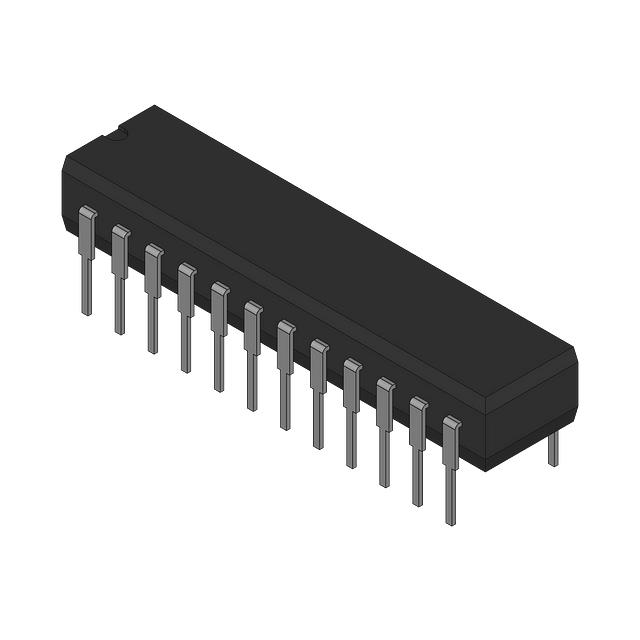 Texas Instruments | Integrated Circuits (ICs) | BUS DRIVER, BCT/FBT SERIES |
 Texas Instruments | Integrated Circuits (ICs) | 12BIT 3.3V~3.6V 210MHZ PARALLEL VQFN-48-EP(7X7) ANALOG TO DIGITAL CONVERTERS (ADC) ROHS |
Texas Instruments | Integrated Circuits (ICs) | TMX320DRE311 179PIN UBGA 200MHZ |
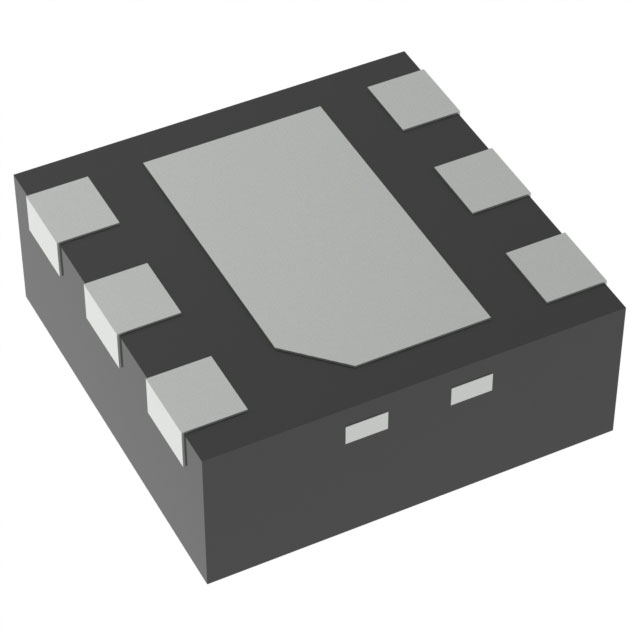 Texas Instruments TPS61040DRVTG4Unknown | Integrated Circuits (ICs) | IC LED DRV RGLTR PWM 350MA 6WSON |
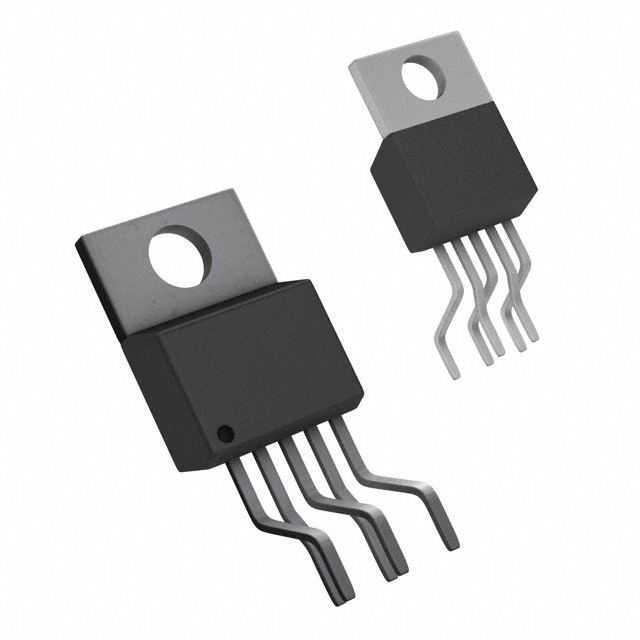 Texas Instruments LP3876ET-2.5Obsolete | Integrated Circuits (ICs) | IC REG LINEAR 2.5V 3A TO220-5 |
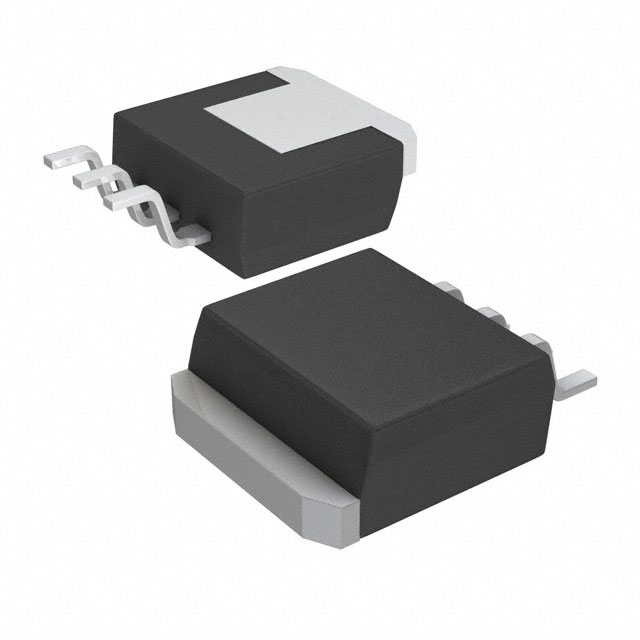 Texas Instruments LMS1585ACSX-ADJObsolete | Integrated Circuits (ICs) | IC REG LIN POS ADJ 5A DDPAK |
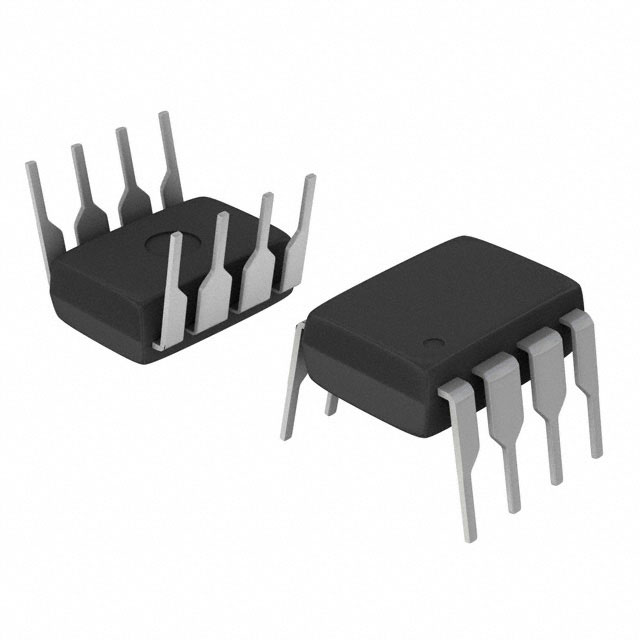 Texas Instruments INA111APG4Obsolete | Integrated Circuits (ICs) | IC INST AMP 1 CIRCUIT 8DIP |
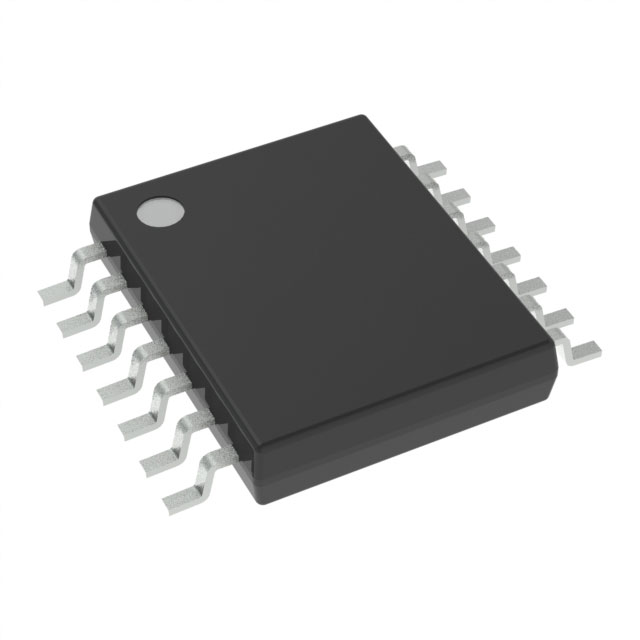 Texas Instruments | Integrated Circuits (ICs) | AUTOMOTIVE, QUAD 36V 1.2MHZ OPERATIONAL AMPLIFIER |
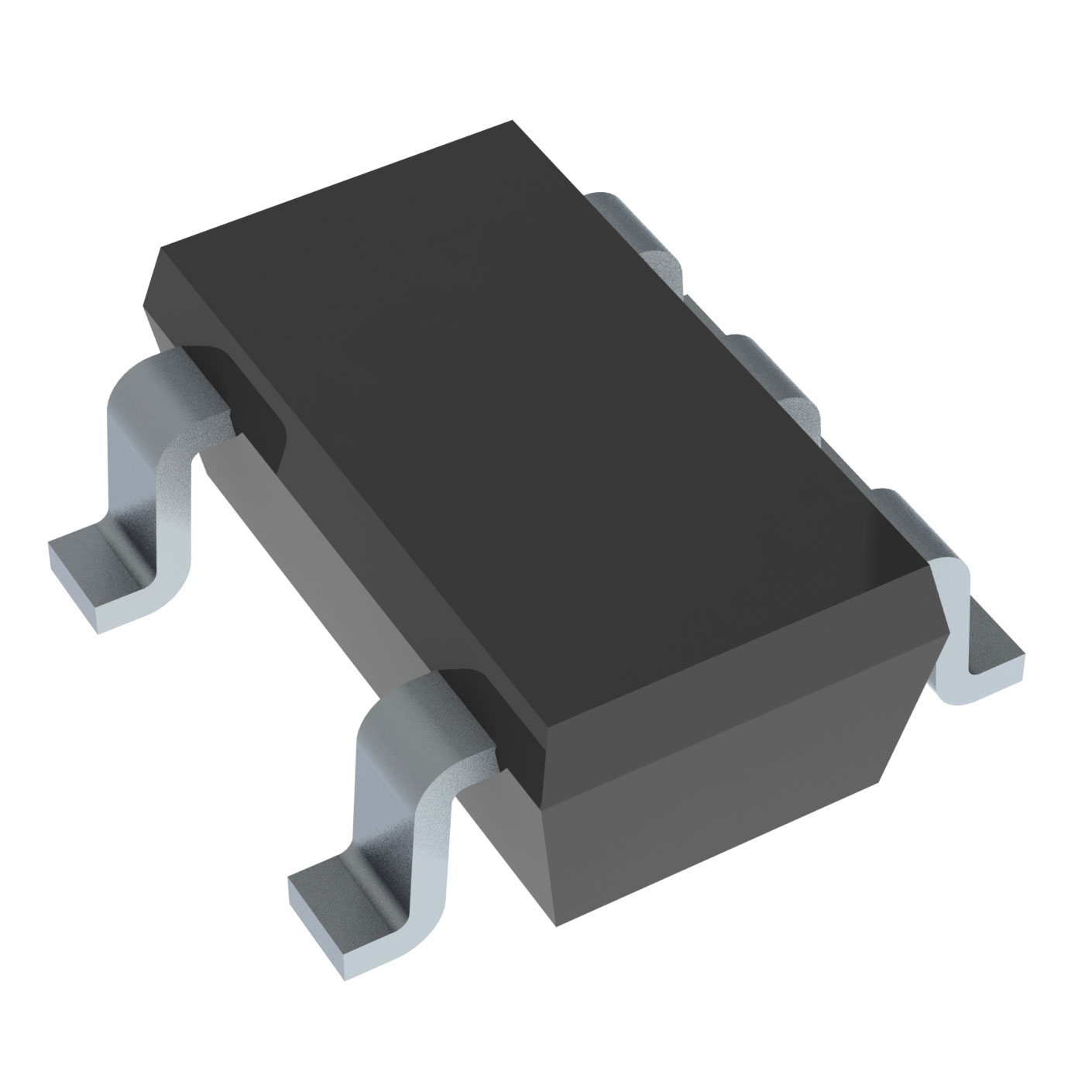 Texas Instruments OPA340NA/3KG4Unknown | Integrated Circuits (ICs) | IC OPAMP GP 1 CIRCUIT SOT23-5 |
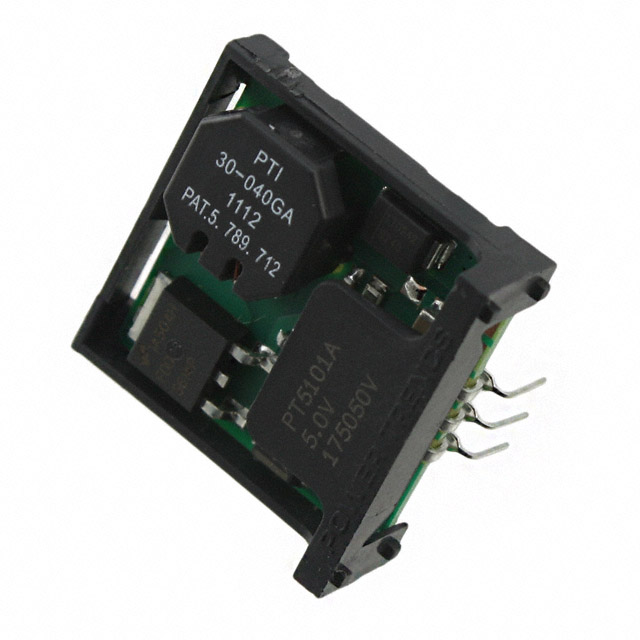 Texas Instruments PT5112AObsolete | Power Supplies - Board Mount | DC DC CONVERTER 8V 8W |
| Series | Category | # Parts | Status | Description |
|---|---|---|---|---|
DCV012415DMiniature, 1W, 1500Vrms Isolated Unregulated DC/DC Converters | Power Supplies - Board Mount | 1 | Active | The DCV01 series is a family of 1-W, 1500-Vrms isolated, unregulated DC/DC converter modules. Requiring a minimum of external components and including on-chip device protection, the DCV01 series of devices provide extra features such as output disable and synchronization of switching frequencies.
This combination of features and small size makes the DCV01 series of devices suitable for a wide range of applications, and is an easy-to-use solution in applications requiring signal path isolation.
The DCV01 series is a family of 1-W, 1500-Vrms isolated, unregulated DC/DC converter modules. Requiring a minimum of external components and including on-chip device protection, the DCV01 series of devices provide extra features such as output disable and synchronization of switching frequencies.
This combination of features and small size makes the DCV01 series of devices suitable for a wide range of applications, and is an easy-to-use solution in applications requiring signal path isolation. |
| Data Acquisition | 2 | Active | ||
| Development Boards, Kits, Programmers | 1 | Active | ||
DDC112Dual Current Input 20-Bit Analog-To-Digital Converter | Analog to Digital Converters (ADC) | 8 | Active | The DDC112 is a dual input, wide dynamic range, charge-digitizing analog-to-digital (A/D) converter with 20-bit resolution. Low-level current output devices, such as photosensors, can be directly connected to its inputs. Charge integration is continuous as each input uses two integrators; while one is being digitized, the other is integrating.
For each of its two inputs, the DDC112 combines current-to-voltage conversion, continuous integration, programmable full-scale range, A/D conversion, and digital filtering to achieve a precision, wide dynamic range digital result. In addition to the internal programmable full-scale ranges, external integrating capacitors allow an additional user-settable full-scale range of up to 1000pC.
To provide single-supply operation, the internal A/D converter utilizes a differential input, with the positive input tied to VREF. When the integration capacitor is reset at the beginning of each integration cycle, the capacitor charges to VREF. This charge is removed in proportion to the input current. At the end of the integration cycle, the remaining voltage is compared to VREF.
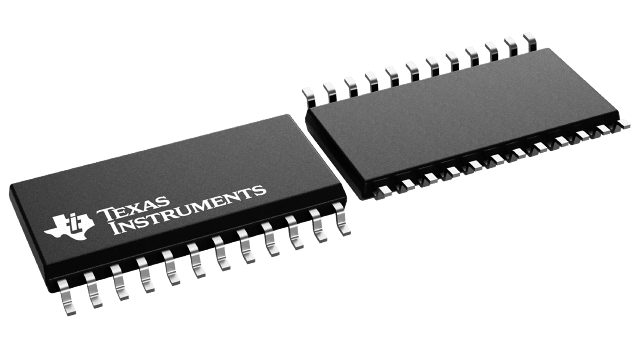
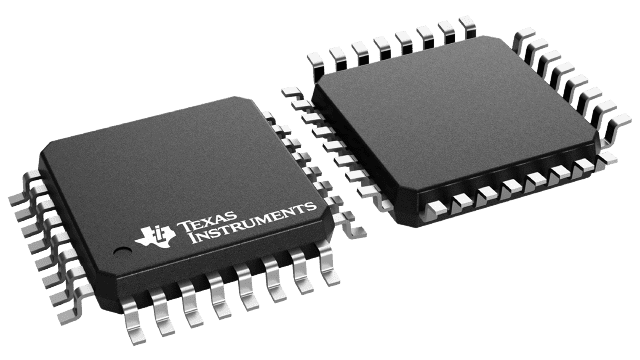
The high-speed serial shift register which holds the result of the last conversion can be configured to allow multiple DDC112 units to be cascaded, minimizing interconnections. The DDC112 is available in a SO-28 or TQFP-32 package and is offered in two performance grades.
The DDC112 is a dual input, wide dynamic range, charge-digitizing analog-to-digital (A/D) converter with 20-bit resolution. Low-level current output devices, such as photosensors, can be directly connected to its inputs. Charge integration is continuous as each input uses two integrators; while one is being digitized, the other is integrating.
For each of its two inputs, the DDC112 combines current-to-voltage conversion, continuous integration, programmable full-scale range, A/D conversion, and digital filtering to achieve a precision, wide dynamic range digital result. In addition to the internal programmable full-scale ranges, external integrating capacitors allow an additional user-settable full-scale range of up to 1000pC.
To provide single-supply operation, the internal A/D converter utilizes a differential input, with the positive input tied to VREF. When the integration capacitor is reset at the beginning of each integration cycle, the capacitor charges to VREF. This charge is removed in proportion to the input current. At the end of the integration cycle, the remaining voltage is compared to VREF.
The high-speed serial shift register which holds the result of the last conversion can be configured to allow multiple DDC112 units to be cascaded, minimizing interconnections. The DDC112 is available in a SO-28 or TQFP-32 package and is offered in two performance grades. |
| Analog to Digital Converters (ADC) | 1 | Active | ||
DDC114DDC114: Quad Current Input 20-Bit Analog-To-Digital Converter | Data Acquisition | 1 | Active | The DDC114 is a 20-bit quad channel, current-input analog-to-digital (A/D) converter. It combines both current-to-voltage and A/D conversion so that four low-level current output devices, such as photodiodes, can be directly connected to its inputs and digitized.
For each of the four inputs, the DDC114 provides a dual-switched integrator front-end. This design allows for continuous current integration: while one integrator is being digitized by the onboard A/D converter, the other is integrating the input current. Adjustable full-scale ranges from 12pC to 350pC and adjustable integration times from 50µs to 1s allow currents from fAs to µAs to be measured with outstanding precision. Low-level linearity is ±0.5ppm of the full-scale range and noise is 5.2ppm of the full-scale range.
Two modes of operation are provided. In Low-Power mode, total power dissipation is only 13.5mW per channel with a maximum data rate of 2.5kSPS. High-Speed mode supports data rates up to 3.125kSPS with a corresponding dissipation of 18mW per channel.
The DDC114 has a serial interface designed for daisy-chaining in multi-device systems. Simply connect the output of one device to the input of the next to create the chain. Common clocking feeds all the devices in the chain so that the digital overhead in a multi-DDC114 system is minimal.
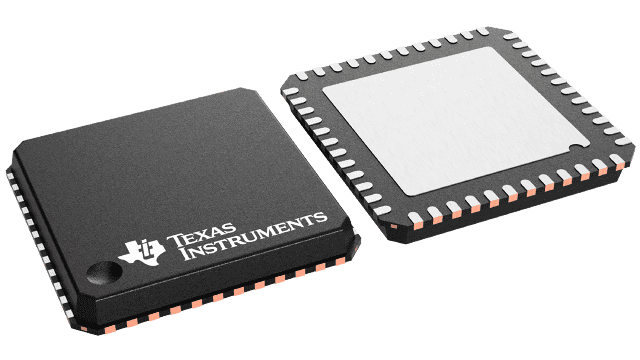
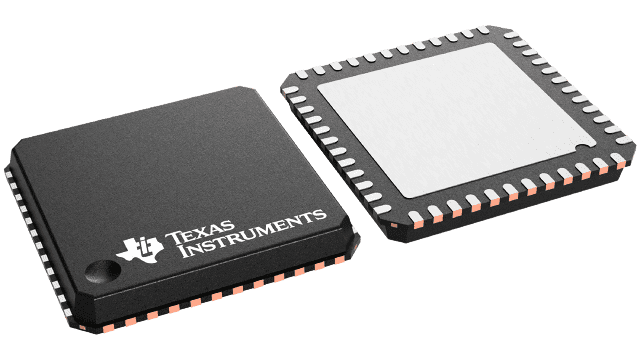
The DDC114 is a single-supply device using a +5V analog supply and supporting a +2.7V to +5.25V digital supply. Operating over the industrial temperature range of -40°C to 85°C, the DDC114 is offered in a QFN-48 package.
The DDC114 is a 20-bit quad channel, current-input analog-to-digital (A/D) converter. It combines both current-to-voltage and A/D conversion so that four low-level current output devices, such as photodiodes, can be directly connected to its inputs and digitized.
For each of the four inputs, the DDC114 provides a dual-switched integrator front-end. This design allows for continuous current integration: while one integrator is being digitized by the onboard A/D converter, the other is integrating the input current. Adjustable full-scale ranges from 12pC to 350pC and adjustable integration times from 50µs to 1s allow currents from fAs to µAs to be measured with outstanding precision. Low-level linearity is ±0.5ppm of the full-scale range and noise is 5.2ppm of the full-scale range.
Two modes of operation are provided. In Low-Power mode, total power dissipation is only 13.5mW per channel with a maximum data rate of 2.5kSPS. High-Speed mode supports data rates up to 3.125kSPS with a corresponding dissipation of 18mW per channel.
The DDC114 has a serial interface designed for daisy-chaining in multi-device systems. Simply connect the output of one device to the input of the next to create the chain. Common clocking feeds all the devices in the chain so that the digital overhead in a multi-DDC114 system is minimal.
The DDC114 is a single-supply device using a +5V analog supply and supporting a +2.7V to +5.25V digital supply. Operating over the industrial temperature range of -40°C to 85°C, the DDC114 is offered in a QFN-48 package. |
DDC118Octal Current-Input 20-Bit Analog-to-Digital Converter | Analog to Digital Converters (ADC) | 2 | Active | The DDC118 is a 20-bit octal channel, current-input analog-to-digital (A/D) converter. It combines both current-to-voltage and A/D conversion so that eight low-level current output devices, such as photodiodes, can be directly connected to its inputs and digitized.
For each of the eight inputs, the DDC118 provides a dual-switched integrator front-end. This design allows for continuous current integration: while one integrator is being digitized by the onboard A/D converter, the other is integrating the input current. Adjustable full-scale ranges from 12pC to 350pC and adjustable integration times from 50µs to 1s allow currents from fAs to µAs to be measured with outstanding precision. Low-level linearity is ±0.5ppm of the full-scale range and noise is 5.2ppm of the full-scale range.
Two modes of operation are provided. In Low-Power mode, total power dissipation is only 13.5mW per channel with a maximum data rate of 2.5kSPS. High-Speed mode supports data rates up to 3.125kSPS with a corresponding dissipation of 18mW per channel.
The DDC118 has a serial interface designed for daisy-chaining in multi-device systems. Simply connect the output of one device to the input of the next to create the chain. Common clocking feeds all the devices in the chain so that the digital overhead in a multi-DDC118 system is minimal.
The DDC118 is a single-supply device using a +5V analog supply and supporting a +2.7V to +5.25V digital supply. Operating over the industrial temperature range of -40°C to 85°C, the DDC118 is offered in a QFN-48 package.
The DDC118 is a 20-bit octal channel, current-input analog-to-digital (A/D) converter. It combines both current-to-voltage and A/D conversion so that eight low-level current output devices, such as photodiodes, can be directly connected to its inputs and digitized.
For each of the eight inputs, the DDC118 provides a dual-switched integrator front-end. This design allows for continuous current integration: while one integrator is being digitized by the onboard A/D converter, the other is integrating the input current. Adjustable full-scale ranges from 12pC to 350pC and adjustable integration times from 50µs to 1s allow currents from fAs to µAs to be measured with outstanding precision. Low-level linearity is ±0.5ppm of the full-scale range and noise is 5.2ppm of the full-scale range.
Two modes of operation are provided. In Low-Power mode, total power dissipation is only 13.5mW per channel with a maximum data rate of 2.5kSPS. High-Speed mode supports data rates up to 3.125kSPS with a corresponding dissipation of 18mW per channel.
The DDC118 has a serial interface designed for daisy-chaining in multi-device systems. Simply connect the output of one device to the input of the next to create the chain. Common clocking feeds all the devices in the chain so that the digital overhead in a multi-DDC118 system is minimal.
The DDC118 is a single-supply device using a +5V analog supply and supporting a +2.7V to +5.25V digital supply. Operating over the industrial temperature range of -40°C to 85°C, the DDC118 is offered in a QFN-48 package. |
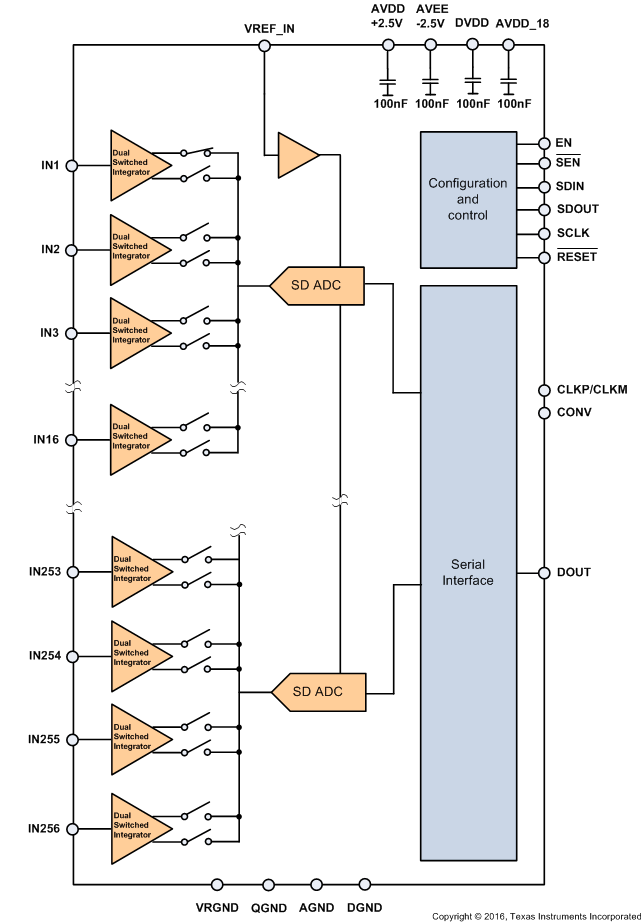
DDC2256A256-Channel, Current-Input Analog-To-Digital Converter | Integrated Circuits (ICs) | 1 | Active | The DDC2256A is a 24-bit, 256-channel, current-input analog-to-digital (A/D) converter. It combines both current-to-voltage integration and A/D conversion so that 256 individual low-level current output devices, such as photodiodes, can be directly connected to its inputs and digitized in parallel (simultaneously).
For each of the inputs, the DDC2256A has one low noise/low power integrator designed to capture all the charge from the sensor. The integration time is adjustable from 58.8μs to 100 ms, allowing currents from fA to µA to be continuously measured with outstanding precision. The outputs of the integrators are digitized by sixteen 24-bit low power ADCs and all the resulting data is output over a single LVDS serial interface pair designed to minimize noise coupling in environments with high channel count.
The DDC2256A operates from ±2.5-V analog supply, 1.8-V analog supply (AVDD_18) and 1.8-V digital supply (DVDD). The device is specified from 0°C to 70°C operating temperature and available in a 14 × 16 mm2323-ball 0.8 mm-pitch BGA. Finally, the on board reference buffer and bypass capacitors help minimize the external component requirements and further reduce board space.
To request a full data sheet or other design resources:request DDC2256A
The DDC2256A is a 24-bit, 256-channel, current-input analog-to-digital (A/D) converter. It combines both current-to-voltage integration and A/D conversion so that 256 individual low-level current output devices, such as photodiodes, can be directly connected to its inputs and digitized in parallel (simultaneously).
For each of the inputs, the DDC2256A has one low noise/low power integrator designed to capture all the charge from the sensor. The integration time is adjustable from 58.8μs to 100 ms, allowing currents from fA to µA to be continuously measured with outstanding precision. The outputs of the integrators are digitized by sixteen 24-bit low power ADCs and all the resulting data is output over a single LVDS serial interface pair designed to minimize noise coupling in environments with high channel count.
The DDC2256A operates from ±2.5-V analog supply, 1.8-V analog supply (AVDD_18) and 1.8-V digital supply (DVDD). The device is specified from 0°C to 70°C operating temperature and available in a 14 × 16 mm2323-ball 0.8 mm-pitch BGA. Finally, the on board reference buffer and bypass capacitors help minimize the external component requirements and further reduce board space.
To request a full data sheet or other design resources:request DDC2256A |
DDC23232 Channel Current-Input 20-bit ADC | Data Acquisition | 5 | Active | The DDC232 is a 20-bit, 32-channel, current-input analog-to-digital (A/D) converter. It combines both current-to-voltage and A/D conversion so that 32 separate low-level current output devices, such as photodiodes, can be directly connected to its inputs and digitized.
For each of the 32 inputs, the DDC232 provides a dual-switched integrator front-end. This configuration allows for continuous current integration: while one integrator is being digitized by the onboard A/D converter, the other is integrating the input current. Adjustable integration times range from 166µs to 1s, allowing currents from fAs to µAs to be continuously measured with outstanding precision.
The DDC232 has a serial interface designed for daisy-chaining in multi-device systems. Simply connect the output of one device to the input of the next to create the chain. Common clocking feeds all the devices in the chain so that the digital overhead in a multi-DDC232 system is minimal.
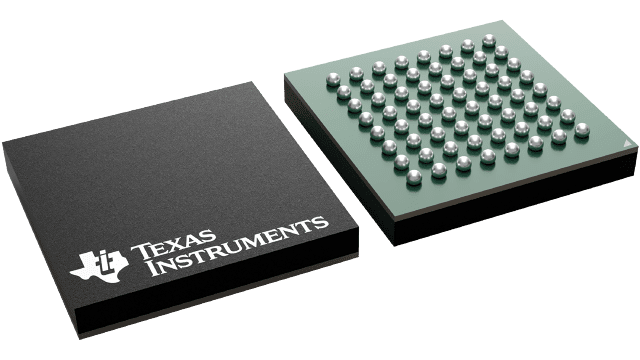
The DDC232 uses a +5V analog supply and a +2.7V to +3.6V digital supply. Operating over the temperature range of 0°C to +70°C, the DDC232 BGA-64 package is offered in two versions: the DDC232C for low-power applications, and the DDC232CK when higher speeds are required.
The DDC232 is a 20-bit, 32-channel, current-input analog-to-digital (A/D) converter. It combines both current-to-voltage and A/D conversion so that 32 separate low-level current output devices, such as photodiodes, can be directly connected to its inputs and digitized.
For each of the 32 inputs, the DDC232 provides a dual-switched integrator front-end. This configuration allows for continuous current integration: while one integrator is being digitized by the onboard A/D converter, the other is integrating the input current. Adjustable integration times range from 166µs to 1s, allowing currents from fAs to µAs to be continuously measured with outstanding precision.
The DDC232 has a serial interface designed for daisy-chaining in multi-device systems. Simply connect the output of one device to the input of the next to create the chain. Common clocking feeds all the devices in the chain so that the digital overhead in a multi-DDC232 system is minimal.
The DDC232 uses a +5V analog supply and a +2.7V to +3.6V digital supply. Operating over the temperature range of 0°C to +70°C, the DDC232 BGA-64 package is offered in two versions: the DDC232C for low-power applications, and the DDC232CK when higher speeds are required. |
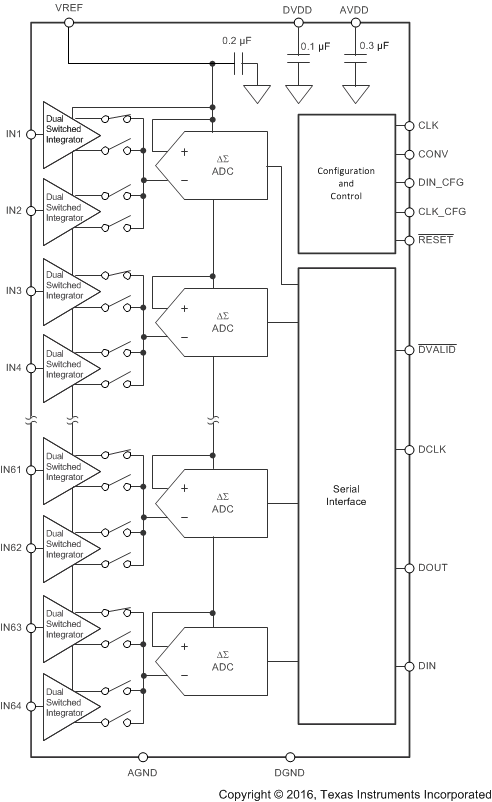
DDC26464-Channel, Current-Input Analog-to-Digital Converter | Evaluation Boards | 5 | Active | The DDC264 is a 20-bit, 64-channel, current-input analog-to-digital (A/D) converter. It combines both current-to-voltage and A/D conversion so that 64 separate low-level current output devices, such as photodiodes, can be directly connected to its inputs and digitized.
For each of the 64 inputs, the DDC264 uses the proven dual switched integrator front-end. This configuration allows for continuous current integration: while one integrator is being digitized by the onboard A/D converter, the other is integrating the input current. This architecture provides both a very stable offset and a loss-less collection of the input current. Adjustable integration times range from 160 µs to 1 s, allowing currents from fAs to µAs to be continuously measured with outstanding precision.
The DDC264 has a serial interface designed for daisy-chaining in multi-device systems. Simply connect the output of one device to the input of the next to create the chain. Common clocking feeds all the devices in the chain so that the digital overhead in a multi-DDC264 system is minimal.
The DDC264 uses a 5-V analog supply and a 2.7-V to 3.6-V digital supply. Bypass capacitors within the DDC264 package help minimize the external component requirements. Operating over the temperature range of 0°C to 70°C, the DDC264 100-pin NFBGA package is offered in two versions: the DDC264C for low-power applications, and the DDC264CK when higher speeds are required.
The DDC264 is a 20-bit, 64-channel, current-input analog-to-digital (A/D) converter. It combines both current-to-voltage and A/D conversion so that 64 separate low-level current output devices, such as photodiodes, can be directly connected to its inputs and digitized.
For each of the 64 inputs, the DDC264 uses the proven dual switched integrator front-end. This configuration allows for continuous current integration: while one integrator is being digitized by the onboard A/D converter, the other is integrating the input current. This architecture provides both a very stable offset and a loss-less collection of the input current. Adjustable integration times range from 160 µs to 1 s, allowing currents from fAs to µAs to be continuously measured with outstanding precision.
The DDC264 has a serial interface designed for daisy-chaining in multi-device systems. Simply connect the output of one device to the input of the next to create the chain. Common clocking feeds all the devices in the chain so that the digital overhead in a multi-DDC264 system is minimal.
The DDC264 uses a 5-V analog supply and a 2.7-V to 3.6-V digital supply. Bypass capacitors within the DDC264 package help minimize the external component requirements. Operating over the temperature range of 0°C to 70°C, the DDC264 100-pin NFBGA package is offered in two versions: the DDC264C for low-power applications, and the DDC264CK when higher speeds are required. |