T
Texas Instruments
| Series | Category | # Parts | Status | Description |
|---|---|---|---|---|
| Part | Spec A | Spec B | Spec C | Spec D | Description |
|---|---|---|---|---|---|



| Series | Category | # Parts | Status | Description |
|---|---|---|---|---|
| Part | Spec A | Spec B | Spec C | Spec D | Description |
|---|---|---|---|---|---|
| Part | Category | Description |
|---|---|---|
 Texas Instruments | Integrated Circuits (ICs) | BUS DRIVER, BCT/FBT SERIES |
 Texas Instruments | Integrated Circuits (ICs) | 12BIT 3.3V~3.6V 210MHZ PARALLEL VQFN-48-EP(7X7) ANALOG TO DIGITAL CONVERTERS (ADC) ROHS |
Texas Instruments | Integrated Circuits (ICs) | TMX320DRE311 179PIN UBGA 200MHZ |
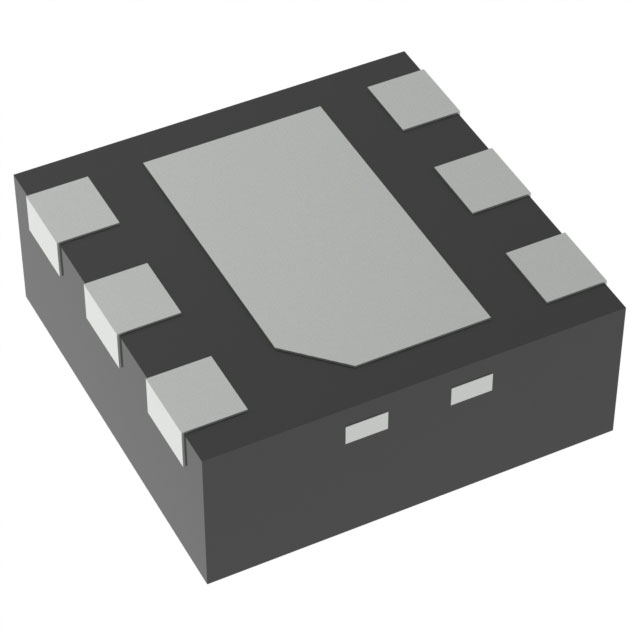 Texas Instruments TPS61040DRVTG4Unknown | Integrated Circuits (ICs) | IC LED DRV RGLTR PWM 350MA 6WSON |
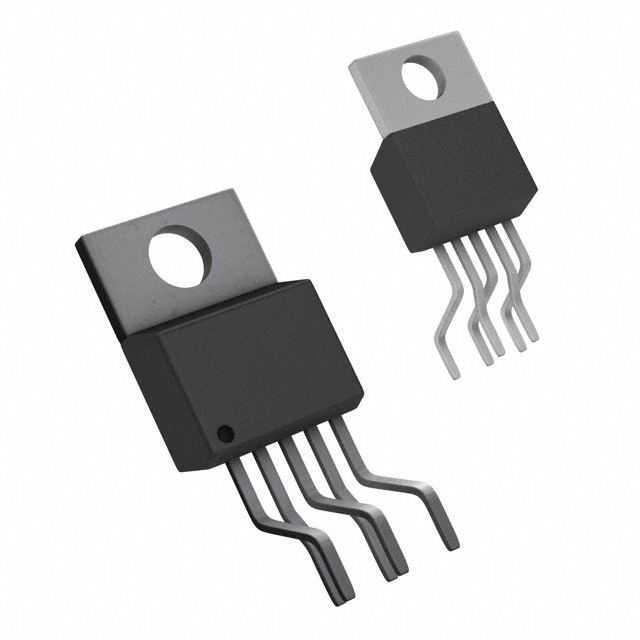 Texas Instruments LP3876ET-2.5Obsolete | Integrated Circuits (ICs) | IC REG LINEAR 2.5V 3A TO220-5 |
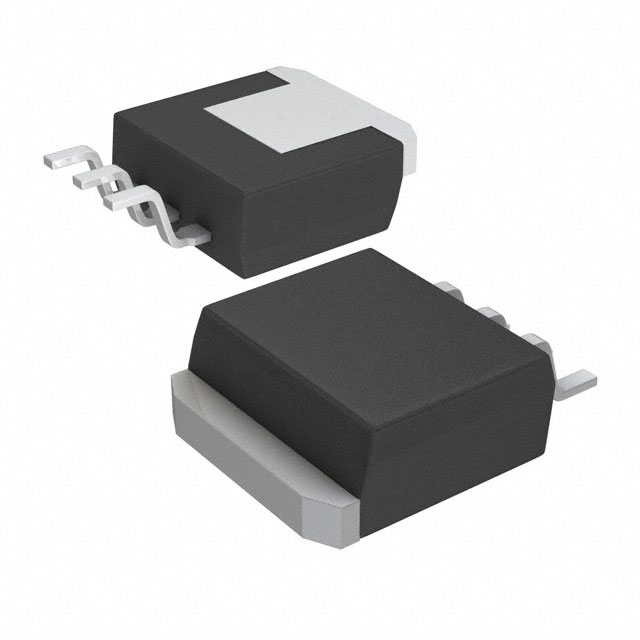 Texas Instruments LMS1585ACSX-ADJObsolete | Integrated Circuits (ICs) | IC REG LIN POS ADJ 5A DDPAK |
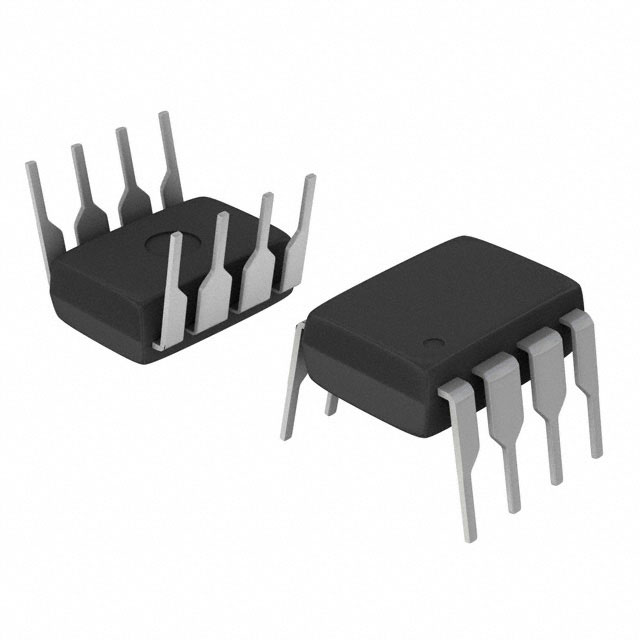 Texas Instruments INA111APG4Obsolete | Integrated Circuits (ICs) | IC INST AMP 1 CIRCUIT 8DIP |
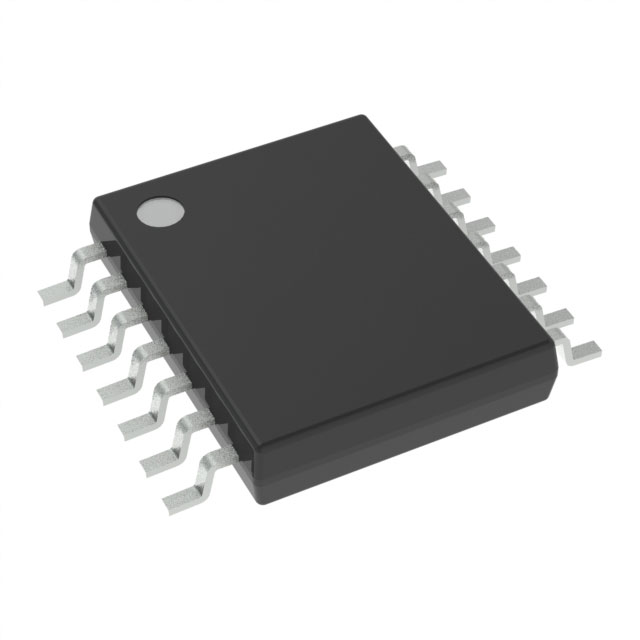 Texas Instruments | Integrated Circuits (ICs) | AUTOMOTIVE, QUAD 36V 1.2MHZ OPERATIONAL AMPLIFIER |
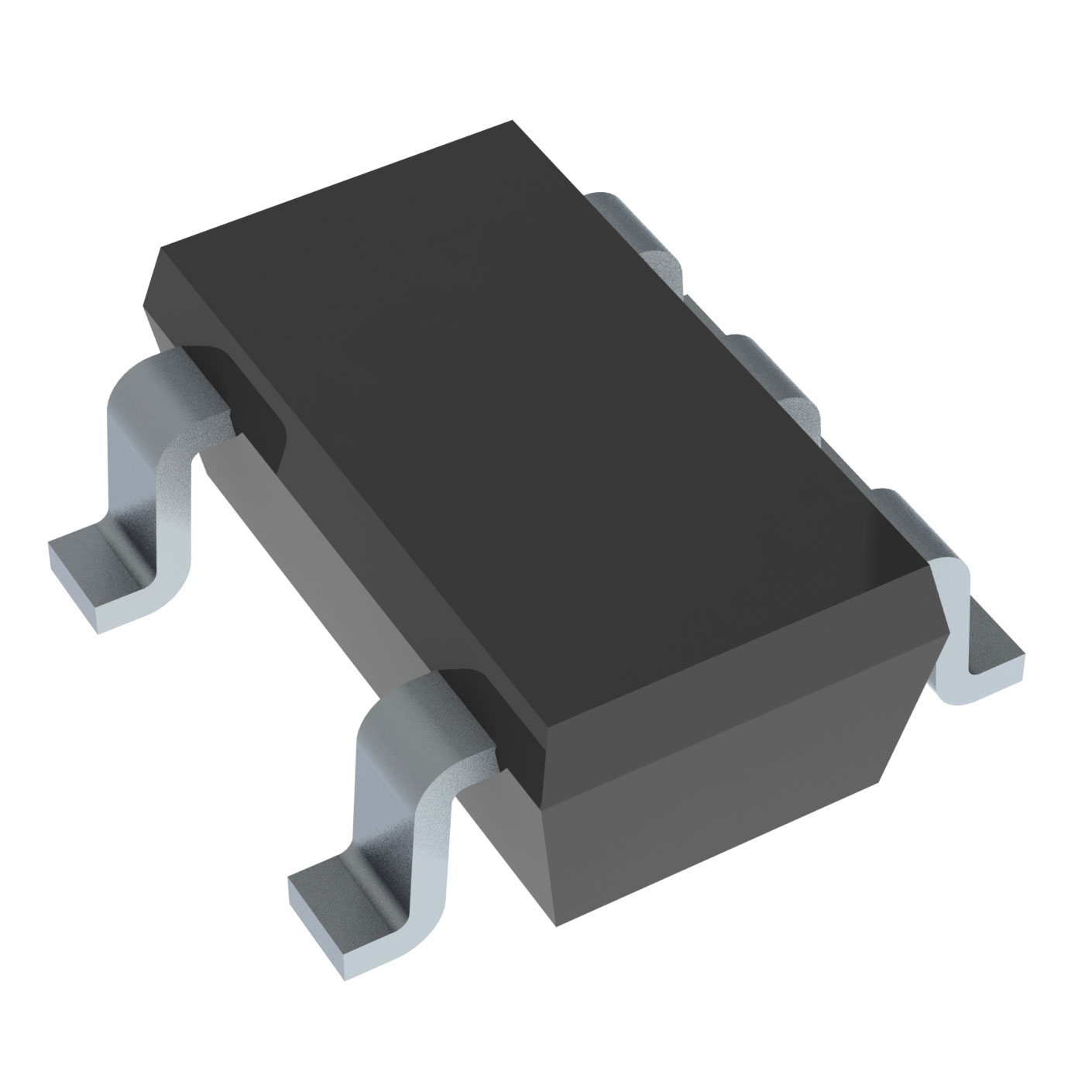 Texas Instruments OPA340NA/3KG4Unknown | Integrated Circuits (ICs) | IC OPAMP GP 1 CIRCUIT SOT23-5 |
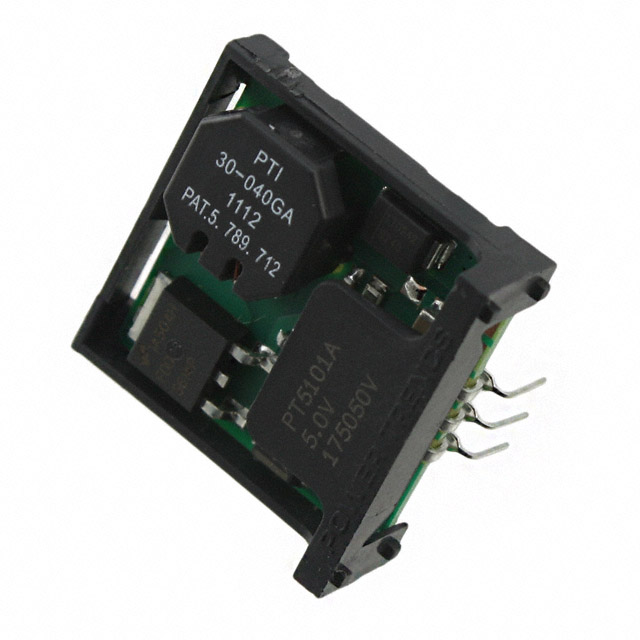 Texas Instruments PT5112AObsolete | Power Supplies - Board Mount | DC DC CONVERTER 8V 8W |
| Series | Category | # Parts | Status | Description |
|---|---|---|---|---|
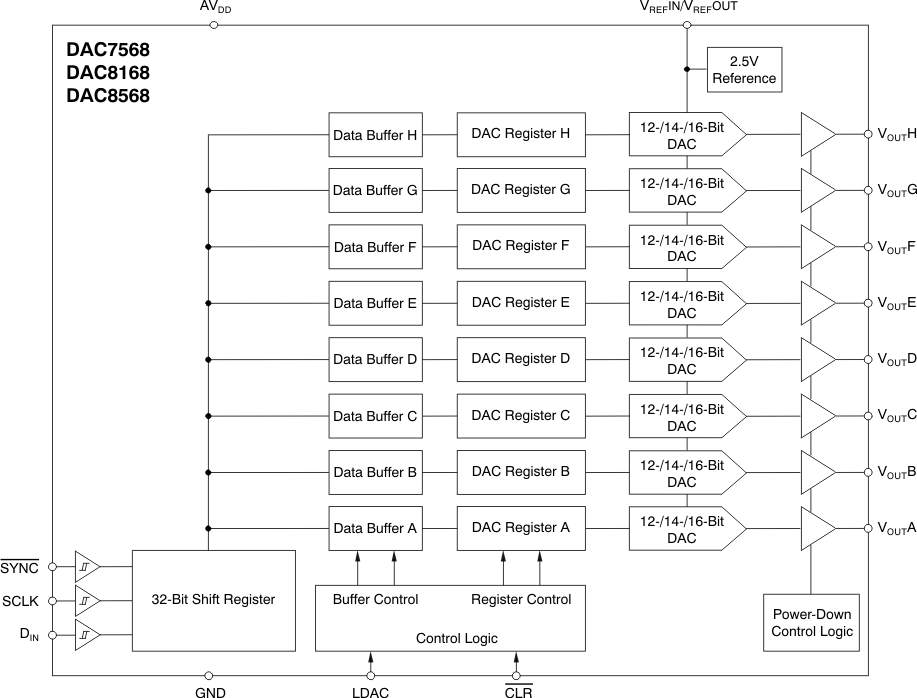
DAC816814-Bit, Octal Channel, Ultra-Low Glitch, Voltage Output DAC with 2.5V, 2ppm/°C Internal Reference | Digital to Analog Converters (DAC) | 4 | Active | The DAC7568, DAC8168, and DAC8568 are low-power, voltage-output, eight-channel, 12-, 14-, and 16-bit digital-to-analog converters (DACs), respectively. These devices include a 2.5V, 2ppm/°C internal reference (disabled by default), giving a full-scale output voltage range of 2.5V or 5V. The internal reference has an initial accuracy of 0.004% and can source up to 20mA at the VREFIN/VREFOUT pin. These devices are monotonic, providing excellent linearity and minimizing undesired code-to-code transient voltages (glitch). They use a versatile 3-wire serial interface that operates at clock rates up to 50MHz. The interface is compatible with standard SPI™, QSPI™, Microwire™, and digital signal processor (DSP) interfaces.
The DAC7568, DAC8168, and DAC8568 incorporate a power-on-reset circuit that ensures the DAC output powers up at either zero scale or midscale until a valid code is written to the device. These devices contain a power-down feature, accessed over the serial interface, that reduces current consumption to typically 0.18µA at 5V. Power consumption (including internal reference) is typically 2.9mW at 3V, reducing to less than 1µW in power-down mode. The low power consumption, internal reference, and small footprint make these devices ideal for portable, battery-operated equipment.
TheDAC7568,DAC8168, andDAC8568are drop-in and function-compatible with each other, and are available in TSSOP-16 and TSSOP-14 packages.
The DAC7568, DAC8168, and DAC8568 are low-power, voltage-output, eight-channel, 12-, 14-, and 16-bit digital-to-analog converters (DACs), respectively. These devices include a 2.5V, 2ppm/°C internal reference (disabled by default), giving a full-scale output voltage range of 2.5V or 5V. The internal reference has an initial accuracy of 0.004% and can source up to 20mA at the VREFIN/VREFOUT pin. These devices are monotonic, providing excellent linearity and minimizing undesired code-to-code transient voltages (glitch). They use a versatile 3-wire serial interface that operates at clock rates up to 50MHz. The interface is compatible with standard SPI™, QSPI™, Microwire™, and digital signal processor (DSP) interfaces.
The DAC7568, DAC8168, and DAC8568 incorporate a power-on-reset circuit that ensures the DAC output powers up at either zero scale or midscale until a valid code is written to the device. These devices contain a power-down feature, accessed over the serial interface, that reduces current consumption to typically 0.18µA at 5V. Power consumption (including internal reference) is typically 2.9mW at 3V, reducing to less than 1µW in power-down mode. The low power consumption, internal reference, and small footprint make these devices ideal for portable, battery-operated equipment.
TheDAC7568,DAC8168, andDAC8568are drop-in and function-compatible with each other, and are available in TSSOP-16 and TSSOP-14 packages. |
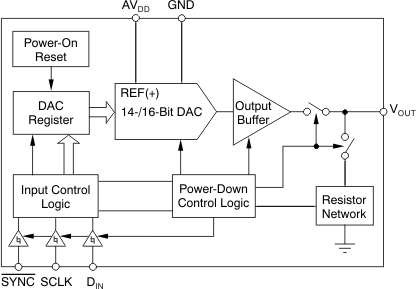
DAC82001One-channel, 16-bit, low-glitch-noise, unbuffered-voltage-output digital-to-analog converter (DAC) | Integrated Circuits (ICs) | 1 | Active | The 16-bit DAC82001 is a highly accurate, low-power, single-channel digital-to-analog converter (DAC) with an unbuffered voltage output.
The DAC82001 works with 3.3-V and 5-V supplies and offers linearity of 1‑LSB DNL and 2‑LSB INL. The high accuracy combined with a tiny package make the device an excellent choice for applications such as gain and offset calibration, voltage set point generation, and power-supply control. The DAC82001 incorporates a power-on-reset (POR) circuit. The POR circuit makes sure that the DAC output powers up at zero scale or midscale based on the status of RSTSEL pin, and remains at that scale until a valid code is written to the device. All internal registers are asynchronously reset after theRESETpin is pulled low.
The DAC82001 uses a versatile, three-wire serial peripheral interface (SPI) that operates at clock rates of up to 50 MHz.
The 16-bit DAC82001 is a highly accurate, low-power, single-channel digital-to-analog converter (DAC) with an unbuffered voltage output.
The DAC82001 works with 3.3-V and 5-V supplies and offers linearity of 1‑LSB DNL and 2‑LSB INL. The high accuracy combined with a tiny package make the device an excellent choice for applications such as gain and offset calibration, voltage set point generation, and power-supply control. The DAC82001 incorporates a power-on-reset (POR) circuit. The POR circuit makes sure that the DAC output powers up at zero scale or midscale based on the status of RSTSEL pin, and remains at that scale until a valid code is written to the device. All internal registers are asynchronously reset after theRESETpin is pulled low.
The DAC82001 uses a versatile, three-wire serial peripheral interface (SPI) that operates at clock rates of up to 50 MHz. |
DAC82002Dual-channel, 16-bit, low-glitch-noise, unbuffered-voltage-output digital-to-analog converter (DAC) | Digital to Analog Converters (DAC) | 1 | Active | The 16-bit DAC82002 is a highly accurate, low-power, dual-channel digital-to-analog converter (DAC) with an unbuffered voltage output.
The DAC82002 works with 3.3-V and 5-V supplies and offers linearity of 1‑LSB DNL and 2‑LSB INL. The high accuracy combined with a tiny package make the device an excellent choice for applications such as gain and offset calibration, voltage set point generation, and power-supply control. The DAC82002 incorporates a power-on-reset circuit to make sure that the DAC output powers up at zero scale or midscale based on the status of RSTSEL pin, and remains at that scale until a valid code is written to the device. All internal registers are asynchronously reset after theRESETpin is pulled low.
The DAC82002 uses a versatile, three-wire serial peripheral interface (SPI) that operates at clock rates of up to 50 MHz.
The 16-bit DAC82002 is a highly accurate, low-power, dual-channel digital-to-analog converter (DAC) with an unbuffered voltage output.
The DAC82002 works with 3.3-V and 5-V supplies and offers linearity of 1‑LSB DNL and 2‑LSB INL. The high accuracy combined with a tiny package make the device an excellent choice for applications such as gain and offset calibration, voltage set point generation, and power-supply control. The DAC82002 incorporates a power-on-reset circuit to make sure that the DAC output powers up at zero scale or midscale based on the status of RSTSEL pin, and remains at that scale until a valid code is written to the device. All internal registers are asynchronously reset after theRESETpin is pulled low.
The DAC82002 uses a versatile, three-wire serial peripheral interface (SPI) that operates at clock rates of up to 50 MHz. |
DAC8218Octal, Low power ,14-bit, +/-16.5V Output Serial Input Digital-to-Analog Converter | Digital to Analog Converters (DACs) Evaluation Boards | 5 | Active | The DAC8218 is a low-power, octal, 14-bit digital-to-analog converter (DAC). With a 5V reference, the output can either be a bipolar ±15V voltage when operating from dual ±15.5V (or higher) power supplies, or a unipolar 0V to +30V voltage when operating from a +30.5V (or higher) power supply. With a 5.5V reference, the output can either be a bipolar ±16.5V voltage when operating from dual ±17V (or higher) power supplies, or a unipolar 0V to +33V voltage when operating from a +33.5V (or higher) power supply. This DAC provides low-power operation, good linearity, and low glitch over the specified temperature range of –40°C to +105°C. This device is trimmed in manufacturing and has very low zero-code and gain error. In addition, system level calibration can be performed to achieve ±1 LSB bipolar zero/full-scale error with bipolar supplies, or ±1 LSB zero code/full-scale error with a unipolar supply, over the entire signal chain. The output range can be offset by using the DAC offset register.
The DAC8218 features a standard, high-speed serial peripheral interface (SPI) that operates at up to 50MHz and is 1.8V, 3V, and 5V logic compatible, to communicate with a DSP or microprocessor. The input data of the device are double-buffered. An asynchronous load input (LDAC) transfers data from the DAC data register to the DAC latch. The asynchronousCLRinput sets the output of all eight DACs to AGND. The VMONpin is a monitor output that connects to the individual analog outputs, the offset DAC, the reference buffer outputs, and two external inputs through a multiplexer (mux).
The DAC8218 is pin-to-pin and function-compatible with the DAC8718 (16-bit) and the DAC7718 (12-bit).
The DAC8218 is a low-power, octal, 14-bit digital-to-analog converter (DAC). With a 5V reference, the output can either be a bipolar ±15V voltage when operating from dual ±15.5V (or higher) power supplies, or a unipolar 0V to +30V voltage when operating from a +30.5V (or higher) power supply. With a 5.5V reference, the output can either be a bipolar ±16.5V voltage when operating from dual ±17V (or higher) power supplies, or a unipolar 0V to +33V voltage when operating from a +33.5V (or higher) power supply. This DAC provides low-power operation, good linearity, and low glitch over the specified temperature range of –40°C to +105°C. This device is trimmed in manufacturing and has very low zero-code and gain error. In addition, system level calibration can be performed to achieve ±1 LSB bipolar zero/full-scale error with bipolar supplies, or ±1 LSB zero code/full-scale error with a unipolar supply, over the entire signal chain. The output range can be offset by using the DAC offset register.
The DAC8218 features a standard, high-speed serial peripheral interface (SPI) that operates at up to 50MHz and is 1.8V, 3V, and 5V logic compatible, to communicate with a DSP or microprocessor. The input data of the device are double-buffered. An asynchronous load input (LDAC) transfers data from the DAC data register to the DAC latch. The asynchronousCLRinput sets the output of all eight DACs to AGND. The VMONpin is a monitor output that connects to the individual analog outputs, the offset DAC, the reference buffer outputs, and two external inputs through a multiplexer (mux).
The DAC8218 is pin-to-pin and function-compatible with the DAC8718 (16-bit) and the DAC7718 (12-bit). |
DAC8228Octal, Low Power, 14-Bit, +/-16.5V Output Parallel Input Digital-To-Analog Converter | Digital to Analog Converters (DAC) | 4 | Active | The DAC8228 is a low-power, octal, 14-bit digital-to-analog converter (DAC). With a 5V reference, the output can either be a bipolar ±15V voltage when operating from a dual ±15.5V (or higher) power supply, or a unipolar 0V to +30V voltage when operating from a +30.5V power supply. With a 5.5V reference, the output can be ±16.5V for a dual ±17V (or higher) power supply, or a unipolar 0V to +33V voltage when operating from a +33.5V (or higher) power supply. This DAC provides low-power operation, good linearity, and low glitch over the specified temperature range of –40°C to +105°C. This device is trimmed in manufacturing and has very low zero and full-scale error. In addition, user calibration can be performed to achieve ±1 LSB bipolar zero/full-scale error for a bipolar supply, or ±1 LSB zero-code/full-scale error for a unipolar supply over the entire signal chain. The output range can be offset by using the DAC Offset Register.
The DAC8228 features a standard, high-speed, 14-bit parallel interface that operates at up to 50MHz and is 1.8V, 3V, and 5V logic compatible, to communicate with a DSP or microprocessor. The eight DACs and the auxiliary registers are addressed with five address lines. The device features double-buffered interface logic. An asynchronous load input (LDAC) transfers data from the DAC data register to the DAC latch. The asynchronousCLRinput sets the output of all eight DACs to AGND. The VMONpin is a monitor output that connects to the individual analog outputs, the offset DAC, and the reference buffer outputs through a multiplexer (mux).
The DAC8228 is pin-to-pin compatible with the DAC8728 (16-bit) and the DAC7728 (12-bit).
The DAC8228 is a low-power, octal, 14-bit digital-to-analog converter (DAC). With a 5V reference, the output can either be a bipolar ±15V voltage when operating from a dual ±15.5V (or higher) power supply, or a unipolar 0V to +30V voltage when operating from a +30.5V power supply. With a 5.5V reference, the output can be ±16.5V for a dual ±17V (or higher) power supply, or a unipolar 0V to +33V voltage when operating from a +33.5V (or higher) power supply. This DAC provides low-power operation, good linearity, and low glitch over the specified temperature range of –40°C to +105°C. This device is trimmed in manufacturing and has very low zero and full-scale error. In addition, user calibration can be performed to achieve ±1 LSB bipolar zero/full-scale error for a bipolar supply, or ±1 LSB zero-code/full-scale error for a unipolar supply over the entire signal chain. The output range can be offset by using the DAC Offset Register.
The DAC8228 features a standard, high-speed, 14-bit parallel interface that operates at up to 50MHz and is 1.8V, 3V, and 5V logic compatible, to communicate with a DSP or microprocessor. The eight DACs and the auxiliary registers are addressed with five address lines. The device features double-buffered interface logic. An asynchronous load input (LDAC) transfers data from the DAC data register to the DAC latch. The asynchronousCLRinput sets the output of all eight DACs to AGND. The VMONpin is a monitor output that connects to the individual analog outputs, the offset DAC, and the reference buffer outputs through a multiplexer (mux).
The DAC8228 is pin-to-pin compatible with the DAC8728 (16-bit) and the DAC7728 (12-bit). |
DAC8234Quad 14-Bit High Accuracy +/-16.5 V Output Serial Input Digital-To-Analog Converter | Data Acquisition | 4 | Active | The DAC8234 is a high-accuracy, quad-channel, 14-bit digital-to-analog converter (DAC) that operates from supply voltages of ±5V to ±18V in bipolar output mode, and from ±5V to +24V/-12V in unipolar mode. With a 5V reference, the DAC8234 can be configured to output ±10V, ±5V, 0V to 20V, or 0V to 10V. The DAC8234 provides 14-bit monotonicity, excellent integral nonlinearity (INL) error of ±0.5 LSB, low glitch, and low noise over the operating temperature range of -40°C to +105°C. This device is trimmed in production for very low zero and gain errors. In addition, the DAC8234 implements a user-programmable system-level calibration function to achieve ±0.031 LSB zero error and ±0.25 LSB gain error.
The DAC8234 has integrated reference buffers and output buffers. It features a standard high-speed 1.8V, 3V, or 5V serial peripheral interface (SPI) that operates at clock rates of up to 50MHz to communicate with a DSP or microprocessor. The four DAC channels and the auxiliary registers are addressed with four address bits. The device features double-buffered interface logic for simultaneous updates of all DACs. An asynchronous load input (LDAC) transfers data from the input data register to the DAC latch, and the contents of the DAC latch set the output voltage. The asynchronousRSTinput sets the output of all four DACs to 0V. The VMONpin is an analog monitor output that multiplexes the individual DAC outputs or the AIN pin.
The DAC8234 is pin-compatible with the DAC8734 (16-bit) and the DAC7716 (12-bit).
The DAC8234 is a high-accuracy, quad-channel, 14-bit digital-to-analog converter (DAC) that operates from supply voltages of ±5V to ±18V in bipolar output mode, and from ±5V to +24V/-12V in unipolar mode. With a 5V reference, the DAC8234 can be configured to output ±10V, ±5V, 0V to 20V, or 0V to 10V. The DAC8234 provides 14-bit monotonicity, excellent integral nonlinearity (INL) error of ±0.5 LSB, low glitch, and low noise over the operating temperature range of -40°C to +105°C. This device is trimmed in production for very low zero and gain errors. In addition, the DAC8234 implements a user-programmable system-level calibration function to achieve ±0.031 LSB zero error and ±0.25 LSB gain error.
The DAC8234 has integrated reference buffers and output buffers. It features a standard high-speed 1.8V, 3V, or 5V serial peripheral interface (SPI) that operates at clock rates of up to 50MHz to communicate with a DSP or microprocessor. The four DAC channels and the auxiliary registers are addressed with four address bits. The device features double-buffered interface logic for simultaneous updates of all DACs. An asynchronous load input (LDAC) transfers data from the input data register to the DAC latch, and the contents of the DAC latch set the output voltage. The asynchronousRSTinput sets the output of all four DACs to 0V. The VMONpin is an analog monitor output that multiplexes the individual DAC outputs or the AIN pin.
The DAC8234 is pin-compatible with the DAC8734 (16-bit) and the DAC7716 (12-bit). |
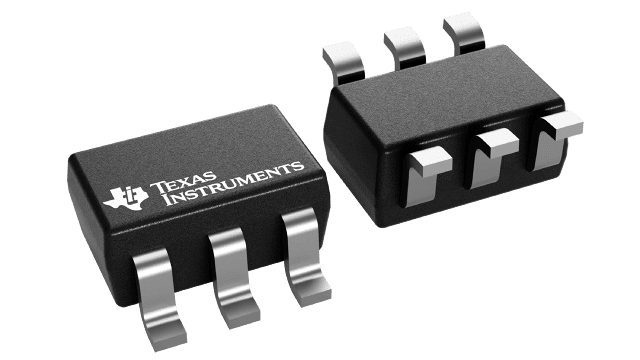
DAC831114bit, Single Channel, 80uA, 2.0V-5.5V DAC in SC70 Package | Development Boards, Kits, Programmers | 3 | Active | The DAC8311 (14-bit) and DAC8411 (16-bit) devices are low-power, single-channel, voltage output digital-to-analog converters (DAC). They provide excellent linearity and minimize undesired code-to-code transient voltages while offering an easy upgrade path within a pin-compatible family. All devices use a versatile, 3-wire serial interface that operates at clock rates of up to 50 MHz and is compatible with standard SPI, QSPI, Microwire, and digital signal processor (DSP) interfaces.
All devices use an external power supply as a reference voltage to set the output range. The devices incorporate a power-on reset (POR) circuit that ensures the DAC output powers up at 0 V and remains there until a valid write to the device occurs. The DAC8311 and DAC8411 contain a power-down feature, accessed over the serial interface, that reduces current consumption of the device to 0.1 µA at 2 V in power down mode. The low power consumption of these devices in normal operation makes it ideally suited for portable, battery-operated equipment. The power consumption is 0.55 mW at 5 V, reducing to 2.5 µW in power-down mode.
These devices are pin-compatible with the DAC5311, DAC6311, and DAC7311, offering an easy upgrade path from 8-, 10-, and 12-bit resolution to 14- and 16-bit. All devices are available in a small, 6-pin, SC70 package. This package offers a flexible, pin-compatible, and functionally-compatible drop-in solution within the family over an extended temperature range of –40°C to 125°C.
The DAC8311 (14-bit) and DAC8411 (16-bit) devices are low-power, single-channel, voltage output digital-to-analog converters (DAC). They provide excellent linearity and minimize undesired code-to-code transient voltages while offering an easy upgrade path within a pin-compatible family. All devices use a versatile, 3-wire serial interface that operates at clock rates of up to 50 MHz and is compatible with standard SPI, QSPI, Microwire, and digital signal processor (DSP) interfaces.
All devices use an external power supply as a reference voltage to set the output range. The devices incorporate a power-on reset (POR) circuit that ensures the DAC output powers up at 0 V and remains there until a valid write to the device occurs. The DAC8311 and DAC8411 contain a power-down feature, accessed over the serial interface, that reduces current consumption of the device to 0.1 µA at 2 V in power down mode. The low power consumption of these devices in normal operation makes it ideally suited for portable, battery-operated equipment. The power consumption is 0.55 mW at 5 V, reducing to 2.5 µW in power-down mode.
These devices are pin-compatible with the DAC5311, DAC6311, and DAC7311, offering an easy upgrade path from 8-, 10-, and 12-bit resolution to 14- and 16-bit. All devices are available in a small, 6-pin, SC70 package. This package offers a flexible, pin-compatible, and functionally-compatible drop-in solution within the family over an extended temperature range of –40°C to 125°C. |
| Digital to Analog Converters (DAC) | 4 | Active | ||
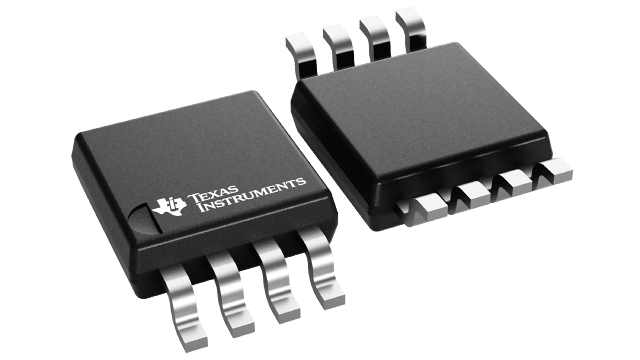
DAC8501Multiplying, Low-Power, Rail-to-Rail Output, 16-Bit Serial Input Digital-to-Analog Converter | Integrated Circuits (ICs) | 3 | Active | The DAC8501 is a low-power, single, 16-bit buffered voltage output Digital-to-Analog Converter (DAC) optimized for multiplying operation. Its on-chip precision output amplifier allows rail-to-rail output swing to be achieved. The DAC8501 uses a versatile 3-wire serial interface that operates at clock rates up to 30MHz and is compatible with standard SPI™, QSPI™, Microwire™, and Digital Signal Processor (DSP) interfaces.
The DAC8501 requires an external reference voltage to set the output range of the DAC. The DAC8501 incorporates a power-on reset circuit that ensures that the DAC output powers up at 0V and remains there until a valid write takes place to the device. The DAC8501 contains a power-down feature, accessed over the serial interface, that reduces the current consumption of the device to 200nA at 5V.
The low-power consumption of this part in normal operation makes it ideally suited to portable battery-operated equipment. The power consumption is 1.2mW at 5V reducing to 1µW in power-down mode.
The DAC8501 is available in an MSOP-8 package.
The DAC8501 is a low-power, single, 16-bit buffered voltage output Digital-to-Analog Converter (DAC) optimized for multiplying operation. Its on-chip precision output amplifier allows rail-to-rail output swing to be achieved. The DAC8501 uses a versatile 3-wire serial interface that operates at clock rates up to 30MHz and is compatible with standard SPI™, QSPI™, Microwire™, and Digital Signal Processor (DSP) interfaces.
The DAC8501 requires an external reference voltage to set the output range of the DAC. The DAC8501 incorporates a power-on reset circuit that ensures that the DAC output powers up at 0V and remains there until a valid write takes place to the device. The DAC8501 contains a power-down feature, accessed over the serial interface, that reduces the current consumption of the device to 200nA at 5V.
The low-power consumption of this part in normal operation makes it ideally suited to portable battery-operated equipment. The power consumption is 1.2mW at 5V reducing to 1µW in power-down mode.
The DAC8501 is available in an MSOP-8 package. |
| Digital to Analog Converters (DACs) Evaluation Boards | 5 | Active | ||