| Development Boards, Kits, Programmers | 12 | Active | |
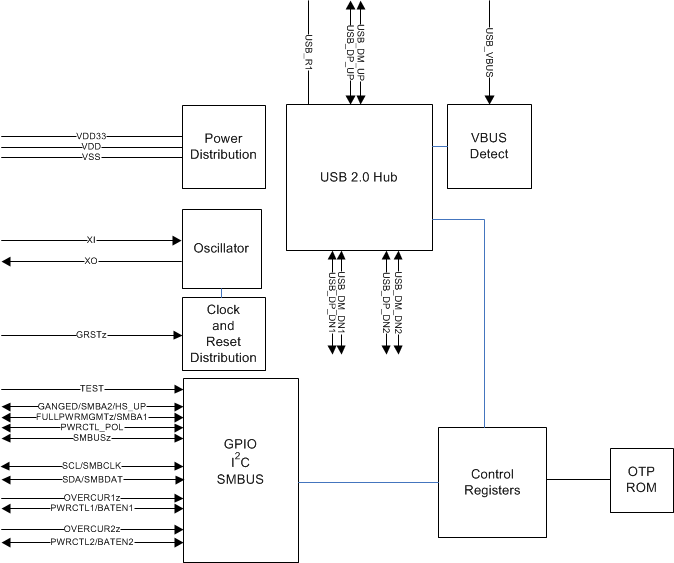
TUSB4020Two-Port High-Speed 480Mbps USB 2.0 Hub | Controllers | 4 | Active | The TUSB4020BI-Q1 is a two-port USB 2.0 hub, which provides USB high-speed/full-speed connections on the upstream port and high-speed, full-speed, or low-speed connections on the two downstream ports. When the upstream port is connected to an electrical environment that supports high-speed and full-speed/low-speed connections, high-speed and full-speed/low-speed USB connectivity is enabled on the downstream ports. When the upstream port is connected to an electrical environment that only supports full-speed/low-speed connections, high-speed connectivity are disabled on the downstream ports.
The TUSB4020BI-Q1 supports per port or ganged power switching and overcurrent protection.
An individually port power controlled hub switches power on or off to each downstream port as requested by the USB host. Also when an individually port power controlled hub senses an overcurrent event, only power to the affected downstream port is switched off.
A ganged hub switches on power to all the downstream ports when power is required to be on for any port. The power to the downstream ports is not switched off unless all ports are in a state that allows power to be removed. Also when a ganged hub senses an overcurrent event, power to all downstream ports is switched off.
The TUSB4020BI-Q1 provides terminal strap configuration for some features (including battery charging support) and customization through OTP ROM, I2C EEPROM or an I2C/SMBus target interface for PID, VID, custom port and phy configurations. Custom string support is also available when using an I2C EEPROM or the I2C/SMBus target interface.
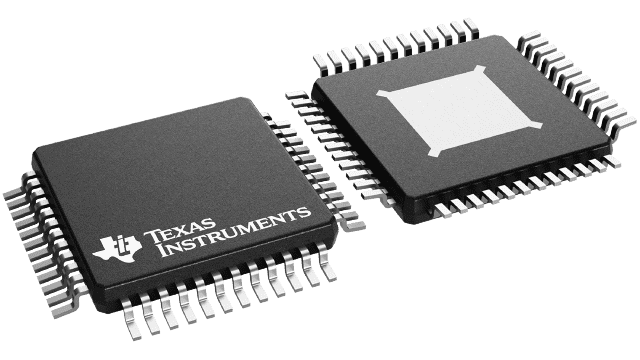
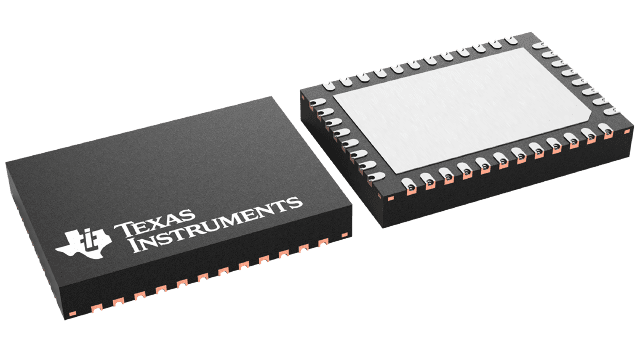
The device is available in a 48-pin HTQFP package and is designed for operation over the industrial temperature range of –40°C to 85°C.
The TUSB4020BI-Q1 is a two-port USB 2.0 hub, which provides USB high-speed/full-speed connections on the upstream port and high-speed, full-speed, or low-speed connections on the two downstream ports. When the upstream port is connected to an electrical environment that supports high-speed and full-speed/low-speed connections, high-speed and full-speed/low-speed USB connectivity is enabled on the downstream ports. When the upstream port is connected to an electrical environment that only supports full-speed/low-speed connections, high-speed connectivity are disabled on the downstream ports.
The TUSB4020BI-Q1 supports per port or ganged power switching and overcurrent protection.
An individually port power controlled hub switches power on or off to each downstream port as requested by the USB host. Also when an individually port power controlled hub senses an overcurrent event, only power to the affected downstream port is switched off.
A ganged hub switches on power to all the downstream ports when power is required to be on for any port. The power to the downstream ports is not switched off unless all ports are in a state that allows power to be removed. Also when a ganged hub senses an overcurrent event, power to all downstream ports is switched off.
The TUSB4020BI-Q1 provides terminal strap configuration for some features (including battery charging support) and customization through OTP ROM, I2C EEPROM or an I2C/SMBus target interface for PID, VID, custom port and phy configurations. Custom string support is also available when using an I2C EEPROM or the I2C/SMBus target interface.
The device is available in a 48-pin HTQFP package and is designed for operation over the industrial temperature range of –40°C to 85°C. |
| Interface | 2 | Active | |
TUSB4041Automotive 4-port high-speed 480-Mbps USB 2.0 hub | Controllers | 5 | Active | The TUSB4041I-Q1 device is a four-port USB 2.0 hub. The device provides USB high-speed or full-speed connections on the upstream port. The device also provides USB high-speed, full-speed, or low-speed connections on the downstream ports. When the upstream port is connected to an electrical environment that only supports high-speed, full-speed, and low-speed connections, the USB high-speed, full-speed and low-speed connectivity is enabled on the downstream ports. When the upstream port is connected to an electrical environment that only supports full-speed or low-speed connections, the USB high-speed connectivity are disabled on the downstream ports.
The TUSB4041I-Q1 device supports per-port or ganged power switching and overcurrent protection. The device also supports battery charging applications.
An individually port-power-controlled hub switches power on or off to each downstream port as requested by the USB host. Also when an individually port-power-controlled hub senses an overcurrent event, only power to the affected downstream port is switched off.
A ganged hub switches on power to all of the downstream ports when power is required to be on for any port. The power to the downstream ports is not switched off unless all ports are in a state that allows power to be removed. Also, when a ganged hub senses an overcurrent event, power to all downstream ports are switched off.
The TUSB4041I-Q1 device downstream ports provide support for battery charging applications by providing USB battery charging downstream-port (CDP) handshaking support. The device also supports a dedicated charging-port (DCP) mode when the upstream port is not connected. The DCP mode is compliant with the USB battery charging specification and Chinese Telecommunications Industry Standard YD/T 1591-2009. Also, an automatic mode provides transparent support for BC devices and devices supporting divider-mode charging solutions when the upstream port unconnected.
The TUSB4041I-Q1 device provides pin-strap configuration for some features including battery charging support, and also provides customization though OTP ROM, I2C EEPROM, or through an I2C and SMBus target interface for PID, VID, and custom port and phy configurations. Custom string support is also available when using an I2C EEPROM or the I2C and SMBus target interface.
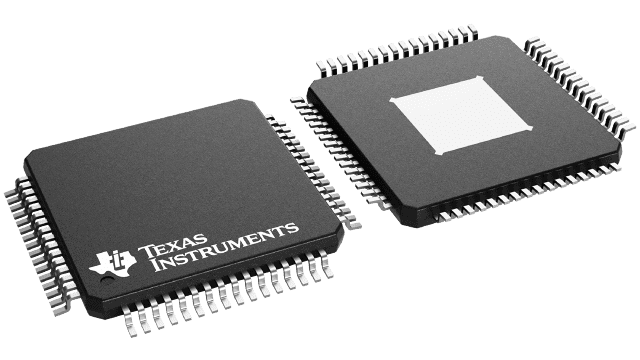
The device is available in a 64-pin PAP package and is offered in a industrial version for operation over the temperature range of –40°C to 85°C.
The TUSB4041I-Q1 device is a four-port USB 2.0 hub. The device provides USB high-speed or full-speed connections on the upstream port. The device also provides USB high-speed, full-speed, or low-speed connections on the downstream ports. When the upstream port is connected to an electrical environment that only supports high-speed, full-speed, and low-speed connections, the USB high-speed, full-speed and low-speed connectivity is enabled on the downstream ports. When the upstream port is connected to an electrical environment that only supports full-speed or low-speed connections, the USB high-speed connectivity are disabled on the downstream ports.
The TUSB4041I-Q1 device supports per-port or ganged power switching and overcurrent protection. The device also supports battery charging applications.
An individually port-power-controlled hub switches power on or off to each downstream port as requested by the USB host. Also when an individually port-power-controlled hub senses an overcurrent event, only power to the affected downstream port is switched off.
A ganged hub switches on power to all of the downstream ports when power is required to be on for any port. The power to the downstream ports is not switched off unless all ports are in a state that allows power to be removed. Also, when a ganged hub senses an overcurrent event, power to all downstream ports are switched off.
The TUSB4041I-Q1 device downstream ports provide support for battery charging applications by providing USB battery charging downstream-port (CDP) handshaking support. The device also supports a dedicated charging-port (DCP) mode when the upstream port is not connected. The DCP mode is compliant with the USB battery charging specification and Chinese Telecommunications Industry Standard YD/T 1591-2009. Also, an automatic mode provides transparent support for BC devices and devices supporting divider-mode charging solutions when the upstream port unconnected.
The TUSB4041I-Q1 device provides pin-strap configuration for some features including battery charging support, and also provides customization though OTP ROM, I2C EEPROM, or through an I2C and SMBus target interface for PID, VID, and custom port and phy configurations. Custom string support is also available when using an I2C EEPROM or the I2C and SMBus target interface.
The device is available in a 64-pin PAP package and is offered in a industrial version for operation over the temperature range of –40°C to 85°C. |
TUSB4041I4-port high-speed 480-Mbps USB 2.0 hub | Integrated Circuits (ICs) | 1 | Active | The TUSB4041I device is a four-port USB 2.0 hub. The device provides USB high-speed or full-speed connections on the upstream port. The device also provides USB high-speed, full-speed, or low-speed connections on the downstream ports. When the upstream port is connected to an electrical environment that only supports high-speed, full-speed, and low-speed connections, the USB high-speed, full-speed and low-speed connectivity is enabled on the downstream ports. When the upstream port is connected to an electrical environment that only supports full-speed or low-speed connections, the USB high-speed connectivity are disabled on the downstream ports.
The TUSB4041I device supports per-port or ganged power switching and overcurrent protection. The device also supports battery charging applications.
An individually port-power-controlled hub switches power on or off to each downstream port as requested by the USB host. Also when an individually port-power-controlled hub senses an overcurrent event, only power to the affected downstream port is switched off.
A ganged hub switches on power to all of the downstream ports when power is required to be on for any port. The power to the downstream ports is not switched off unless all ports are in a state that allows power to be removed. Also, when a ganged hub senses an overcurrent event, power to all downstream ports are switched off.
The TUSB4041I device downstream ports provide support for battery charging applications by providing USB battery charging downstream-port (CDP) handshaking support. The device also supports a dedicated charging-port (DCP) mode when the upstream port is not connected. The DCP mode is compliant with the USB battery charging specification and Chinese Telecommunications Industry Standard YD/T 1591-2009. Also, an automatic mode provides transparent support for BC devices and devices supporting divider-mode charging solutions when the upstream port unconnected.
The TUSB4041I device provides pin-strap configuration for some features including battery charging support, and also provides customization though OTP ROM, I2C EEPROM, or through an I2C and SMBus slave interface for PID, VID, and custom port and phy configurations. Custom string support is also available when using an I2C EEPROM or the I2C and SMBus slave interface.
The device is available in a 64-pin PAP package and is offered in a industrial version for operation over the temperature range of –40°C to 85°C.
The TUSB4041I device is a four-port USB 2.0 hub. The device provides USB high-speed or full-speed connections on the upstream port. The device also provides USB high-speed, full-speed, or low-speed connections on the downstream ports. When the upstream port is connected to an electrical environment that only supports high-speed, full-speed, and low-speed connections, the USB high-speed, full-speed and low-speed connectivity is enabled on the downstream ports. When the upstream port is connected to an electrical environment that only supports full-speed or low-speed connections, the USB high-speed connectivity are disabled on the downstream ports.
The TUSB4041I device supports per-port or ganged power switching and overcurrent protection. The device also supports battery charging applications.
An individually port-power-controlled hub switches power on or off to each downstream port as requested by the USB host. Also when an individually port-power-controlled hub senses an overcurrent event, only power to the affected downstream port is switched off.
A ganged hub switches on power to all of the downstream ports when power is required to be on for any port. The power to the downstream ports is not switched off unless all ports are in a state that allows power to be removed. Also, when a ganged hub senses an overcurrent event, power to all downstream ports are switched off.
The TUSB4041I device downstream ports provide support for battery charging applications by providing USB battery charging downstream-port (CDP) handshaking support. The device also supports a dedicated charging-port (DCP) mode when the upstream port is not connected. The DCP mode is compliant with the USB battery charging specification and Chinese Telecommunications Industry Standard YD/T 1591-2009. Also, an automatic mode provides transparent support for BC devices and devices supporting divider-mode charging solutions when the upstream port unconnected.
The TUSB4041I device provides pin-strap configuration for some features including battery charging support, and also provides customization though OTP ROM, I2C EEPROM, or through an I2C and SMBus slave interface for PID, VID, and custom port and phy configurations. Custom string support is also available when using an I2C EEPROM or the I2C and SMBus slave interface.
The device is available in a 64-pin PAP package and is offered in a industrial version for operation over the temperature range of –40°C to 85°C. |
TUSB422USB PD TCPCi Port Controller | Interface | 2 | Active | TUSB422 is a USB PD PHY that enables a USBType-C port with the Configuration Channel (CC) logic needed for USB Type-C ecosystems. It integrates the physical layer of the USB BMC power delivery (PD) protocol to allow up to 100-W of power and support for alternate mode interfaces. An external microprocessor, containing USB Type-C Port Manager (TCPM), communicates with the TUSB422 through an I2C interface.
Under control of the TCPM, TUSB422 uses the CC pins to determine port attach/detach, cable orientation, role detection, and port control for USB Type-C current mode. The TUSB422 can be configured as DFP, UFP, or DRP, depending on the application. The TUSB422 implements VBUS detection and discharge for the implementation of a compliant USB Type-C port.
The TUSB422 integrates 2.5 Watt switch to provide VCONN power for an active cable. The device also provides VCONN discharge function. The TUSB422 also supports USB Type-C optional features such as audio and debug accessory.
The device operates over a wide supply-range and has low power consumption. The TUSB422 is available in industrial temperature ranges.
TUSB422 is a USB PD PHY that enables a USBType-C port with the Configuration Channel (CC) logic needed for USB Type-C ecosystems. It integrates the physical layer of the USB BMC power delivery (PD) protocol to allow up to 100-W of power and support for alternate mode interfaces. An external microprocessor, containing USB Type-C Port Manager (TCPM), communicates with the TUSB422 through an I2C interface.
Under control of the TCPM, TUSB422 uses the CC pins to determine port attach/detach, cable orientation, role detection, and port control for USB Type-C current mode. The TUSB422 can be configured as DFP, UFP, or DRP, depending on the application. The TUSB422 implements VBUS detection and discharge for the implementation of a compliant USB Type-C port.
The TUSB422 integrates 2.5 Watt switch to provide VCONN power for an active cable. The device also provides VCONN discharge function. The TUSB422 also supports USB Type-C optional features such as audio and debug accessory.
The device operates over a wide supply-range and has low power consumption. The TUSB422 is available in industrial temperature ranges. |
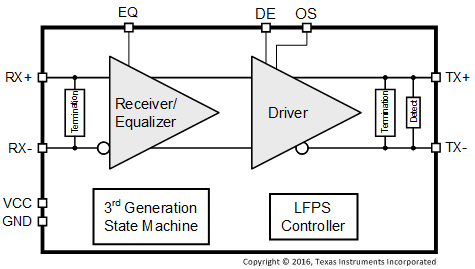
TUSB501USB 3.0 5Gbps Single-Channel redriver | Interface | 2 | Active | The TUSB501 is a 3rdgeneration 3.3-V USB 3.0 single-channel redriver. When 5 Gbps SuperSpeed USB signals travel across a PCB or cable, signal integrity degrades due to loss and inter-symbol interference. The TUSB501 recovers incoming data by applying equalization that compensates channel loss, and drives out signals with a high differential voltage. This extends the possible channel length, and enables systems to pass USB 3.0 compliance. The TUSB501 advanced state machine makes it transparent to hosts and devices.
After power up, the TUSB501 periodically performs receiver detection on the TX pair. If it detects a SuperSpeed USB receiver, RX termination becomes enabled, and the TUSB501 is ready to redrive.
The receiver equalizer has three gain settings that are controlled by pin EQ: 3 dB, 6 dB, and 9 dB. This should be set based on amount of loss before the TUSB501. Likewise, the output driver supports configuration of De-Emphasis and Output Swing (pins DE and OS). These settings allow the TUSB501 to be flexibly placed in the SuperSpeed USB path, with optimal performance.
Over previous generations, the TUSB501 features reduced power in all link states, a stronger OS option, improved receiver equalization settings, and an intelligent LFPS Controller. This controller senses the low frequency signals and automatically disables driver de-emphasis, for full USB 3.0 compliance.
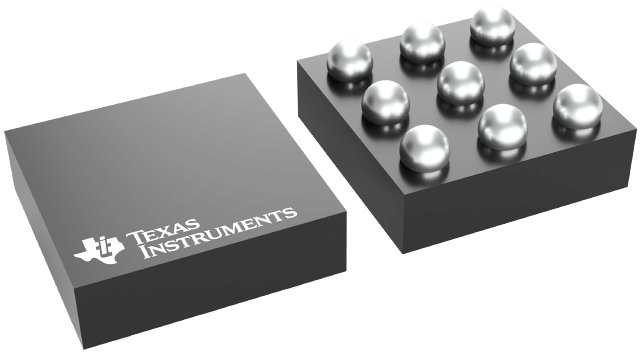
The TUSB501 is packaged in a small 2 × 2 mm QFN, and operates through an industrial temperature range of –40°C to 85°C.
The TUSB501 is a 3rdgeneration 3.3-V USB 3.0 single-channel redriver. When 5 Gbps SuperSpeed USB signals travel across a PCB or cable, signal integrity degrades due to loss and inter-symbol interference. The TUSB501 recovers incoming data by applying equalization that compensates channel loss, and drives out signals with a high differential voltage. This extends the possible channel length, and enables systems to pass USB 3.0 compliance. The TUSB501 advanced state machine makes it transparent to hosts and devices.
After power up, the TUSB501 periodically performs receiver detection on the TX pair. If it detects a SuperSpeed USB receiver, RX termination becomes enabled, and the TUSB501 is ready to redrive.
The receiver equalizer has three gain settings that are controlled by pin EQ: 3 dB, 6 dB, and 9 dB. This should be set based on amount of loss before the TUSB501. Likewise, the output driver supports configuration of De-Emphasis and Output Swing (pins DE and OS). These settings allow the TUSB501 to be flexibly placed in the SuperSpeed USB path, with optimal performance.
Over previous generations, the TUSB501 features reduced power in all link states, a stronger OS option, improved receiver equalization settings, and an intelligent LFPS Controller. This controller senses the low frequency signals and automatically disables driver de-emphasis, for full USB 3.0 compliance.
The TUSB501 is packaged in a small 2 × 2 mm QFN, and operates through an industrial temperature range of –40°C to 85°C. |
| Interface | 1 | Obsolete | |
| Interface | 1 | Obsolete | |
TUSB521-Q1Automotive USB Type-C®5Gbps linear redriver mux and demux | Interface | 2 | Active | The TUSB521-Q1 is a linear redriver with 1:2 DeMUX or 2:1 MUX function for USB Type-C applications. The TUSB521-Q1 is intended to reside between a Host and a USB-C receptacle or between a USB device and a USB-C receptacle. The TUSB521-Q1 supports USB 3.2 data rates up to 5Gbps and supports USB 3.2 low power states (Disconnect, U1, U2, and U3)
The TUSB521-Q1 provides sixteen levels of receive linear equalization to compensate for inter symbol interference (ISI) due to cable and board trace loss. The device operates on a single 3.3V supply and comes in an automotive grade 2 temperature range.
The TUSB521-Q1 is a linear redriver with 1:2 DeMUX or 2:1 MUX function for USB Type-C applications. The TUSB521-Q1 is intended to reside between a Host and a USB-C receptacle or between a USB device and a USB-C receptacle. The TUSB521-Q1 supports USB 3.2 data rates up to 5Gbps and supports USB 3.2 low power states (Disconnect, U1, U2, and U3)
The TUSB521-Q1 provides sixteen levels of receive linear equalization to compensate for inter symbol interference (ISI) due to cable and board trace loss. The device operates on a single 3.3V supply and comes in an automotive grade 2 temperature range. |