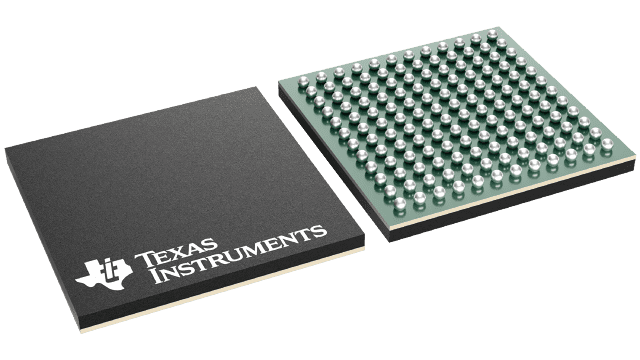
T
Texas Instruments
| Series | Category | # Parts | Status | Description |
|---|---|---|---|---|
| Part | Spec A | Spec B | Spec C | Spec D | Description |
|---|---|---|---|---|---|



| Series | Category | # Parts | Status | Description |
|---|---|---|---|---|
| Part | Spec A | Spec B | Spec C | Spec D | Description |
|---|---|---|---|---|---|
| Part | Category | Description |
|---|---|---|
 Texas Instruments | Integrated Circuits (ICs) | BUS DRIVER, BCT/FBT SERIES |
 Texas Instruments | Integrated Circuits (ICs) | 12BIT 3.3V~3.6V 210MHZ PARALLEL VQFN-48-EP(7X7) ANALOG TO DIGITAL CONVERTERS (ADC) ROHS |
Texas Instruments | Integrated Circuits (ICs) | TMX320DRE311 179PIN UBGA 200MHZ |
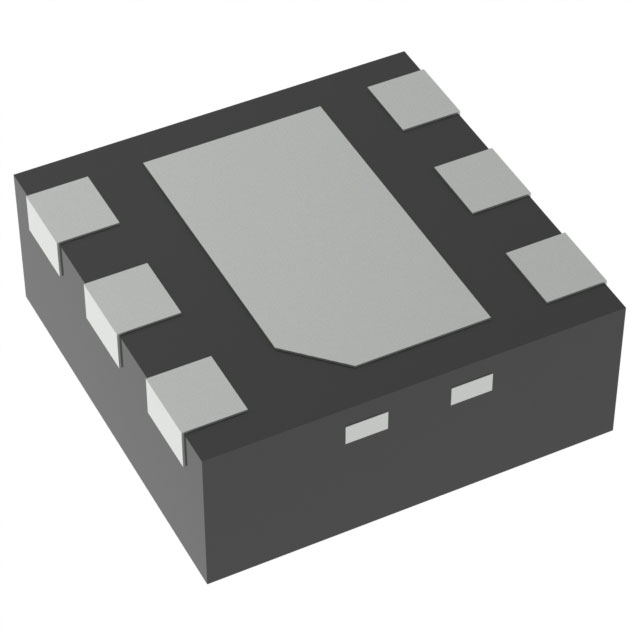 Texas Instruments TPS61040DRVTG4Unknown | Integrated Circuits (ICs) | IC LED DRV RGLTR PWM 350MA 6WSON |
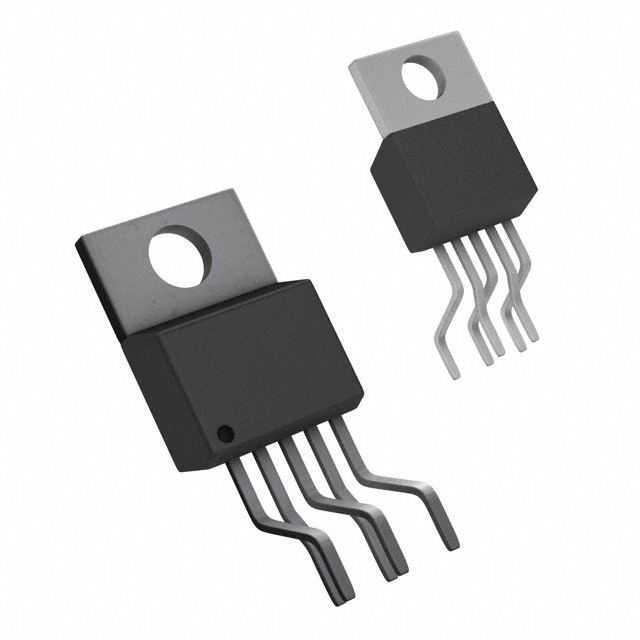 Texas Instruments LP3876ET-2.5Obsolete | Integrated Circuits (ICs) | IC REG LINEAR 2.5V 3A TO220-5 |
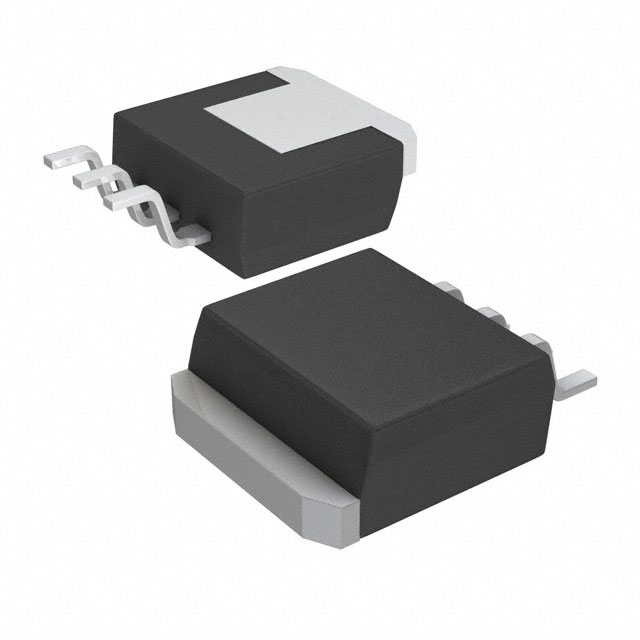 Texas Instruments LMS1585ACSX-ADJObsolete | Integrated Circuits (ICs) | IC REG LIN POS ADJ 5A DDPAK |
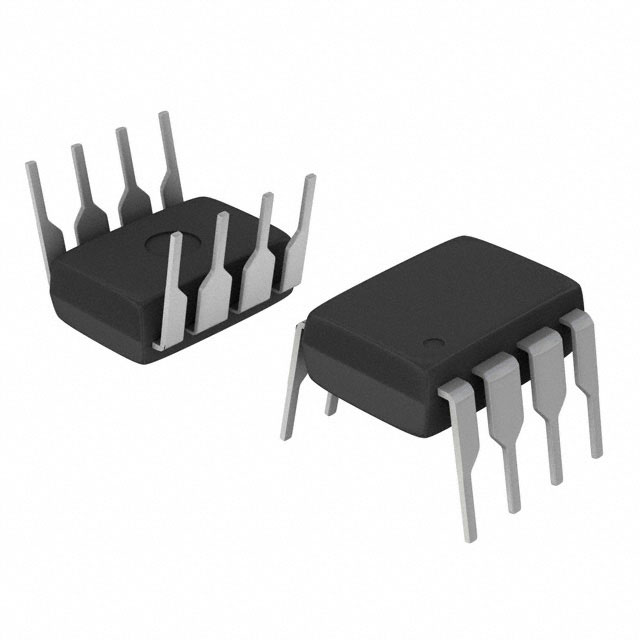 Texas Instruments INA111APG4Obsolete | Integrated Circuits (ICs) | IC INST AMP 1 CIRCUIT 8DIP |
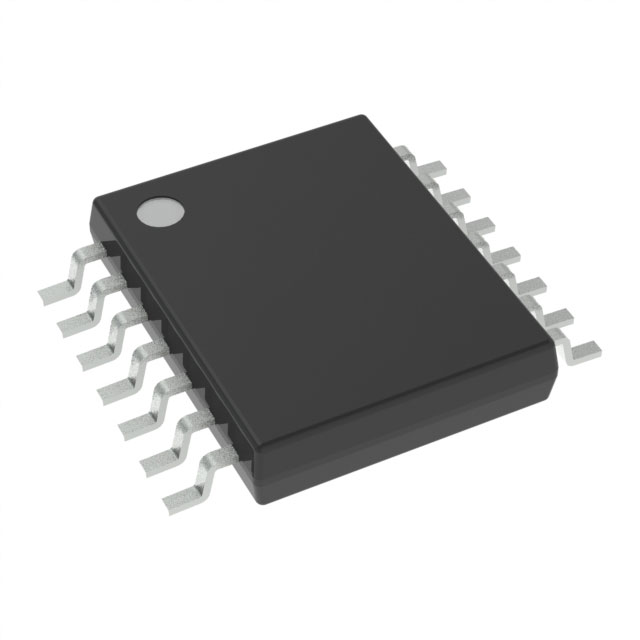 Texas Instruments | Integrated Circuits (ICs) | AUTOMOTIVE, QUAD 36V 1.2MHZ OPERATIONAL AMPLIFIER |
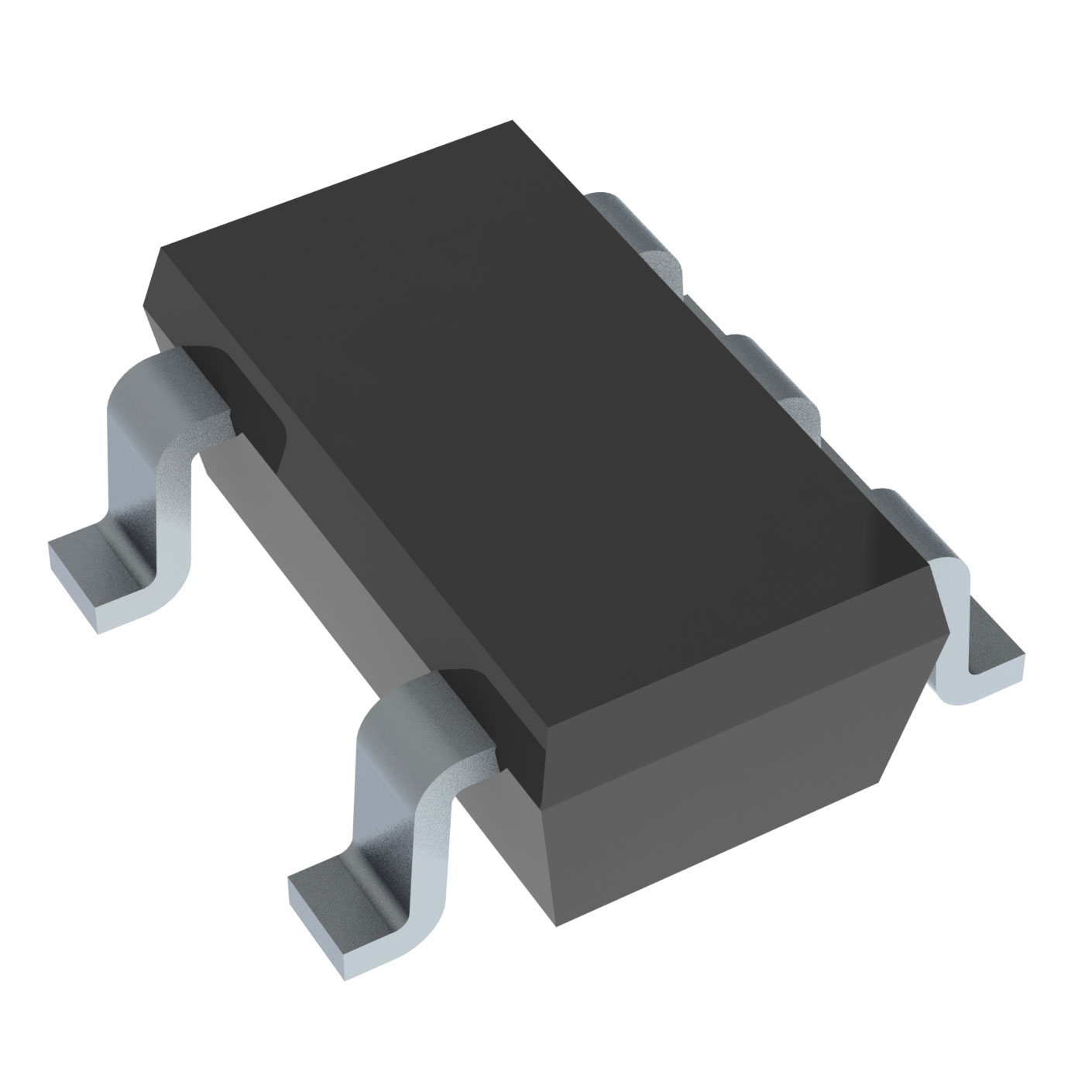 Texas Instruments OPA340NA/3KG4Unknown | Integrated Circuits (ICs) | IC OPAMP GP 1 CIRCUIT SOT23-5 |
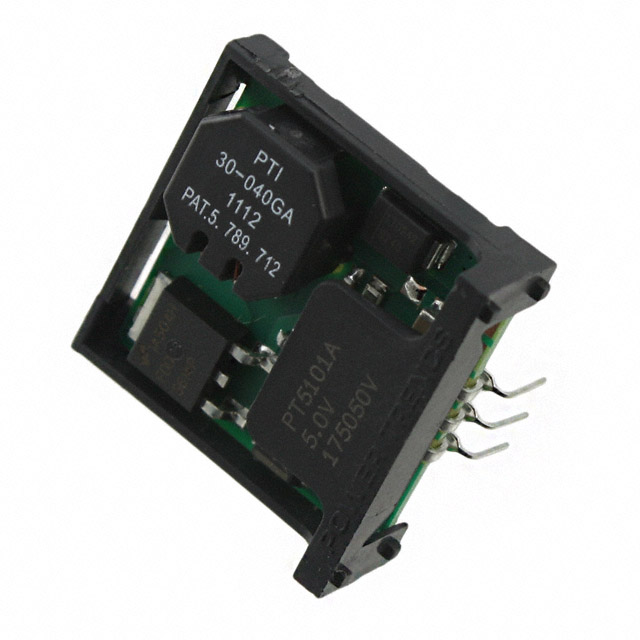 Texas Instruments PT5112AObsolete | Power Supplies - Board Mount | DC DC CONVERTER 8V 8W |
| Series | Category | # Parts | Status | Description |
|---|---|---|---|---|
| PMIC | 2 | Active | ||
TWL6030Fully Integrated Power Management IC (PMIC) with Switch Mode Charger | Power Management (PMIC) | 7 | Active | The TWL6030 device is an integrated power-management integrated circuit (IC) for applications powered by a rechargeable battery. The device provides seven configurable step-down converters with up to 1.6A capability for memory, processor core, I/O, auxiliary, preregulation for LDOs, etc. The device also contains 11 LDO regulators that can be supplied from a battery or a preregulated supply. Power-up/power-down controller is configurable and can support any power-up/power-down sequences (EPROM based). The real-time clock (RTC) provides a 32-kHz output buffer, second/minute/hour/day/month/year information, and alarm wake up. The TWL6030 supports 32-kHz clock generation based on a crystal oscillator. The device integrates a switched-mode charger allowing faster battery charge, higher efficiency, and less power dissipation.
The TWL6030 device generates power supplies for OMAP™ 4 processors and operates together with the TWL6040 device, which includes all audio and related detection features. For audio IC parameters, see the TWL6040 datasheet. In addition, the TWL6030 device can be used as a power management multichannel IC (PMIC) for several other processors, thanks to the programmable startup/shutdown controller and default supply voltage levels. The TWL6030 is available in an nFBGA package, 7.0 mm x 7.0 mm, with a 0.4-mm ball pitch.
shows the TWL6030 block diagram.
The TWL6030 device is an integrated power-management integrated circuit (IC) for applications powered by a rechargeable battery. The device provides seven configurable step-down converters with up to 1.6A capability for memory, processor core, I/O, auxiliary, preregulation for LDOs, etc. The device also contains 11 LDO regulators that can be supplied from a battery or a preregulated supply. Power-up/power-down controller is configurable and can support any power-up/power-down sequences (EPROM based). The real-time clock (RTC) provides a 32-kHz output buffer, second/minute/hour/day/month/year information, and alarm wake up. The TWL6030 supports 32-kHz clock generation based on a crystal oscillator. The device integrates a switched-mode charger allowing faster battery charge, higher efficiency, and less power dissipation.
The TWL6030 device generates power supplies for OMAP™ 4 processors and operates together with the TWL6040 device, which includes all audio and related detection features. For audio IC parameters, see the TWL6040 datasheet. In addition, the TWL6030 device can be used as a power management multichannel IC (PMIC) for several other processors, thanks to the programmable startup/shutdown controller and default supply voltage levels. The TWL6030 is available in an nFBGA package, 7.0 mm x 7.0 mm, with a 0.4-mm ball pitch.
shows the TWL6030 block diagram. |
| Integrated Circuits (ICs) | 15 | Active | ||
TWL60408-Channel High Quality Low-Power Audio Codec For Portable Applications | Interface | 6 | NRND | The TWL6040 device is an audio coder/decoder (codec) with a high level of integration providing analog audio codec functions for portable applications, as shown in . The device contains multiple audio analog inputs and outputs, as well as microphone biases and accessory detection. The device is connected to the OMAP 4 host processor through a proprietary PDM interface for audio data communication enabling partitioning with optimized power consumption and performance. Multichannel audio data is multiplexed to a single wire for downlink (PDML) and uplink (PDMUL).
The OMAP4 device provides the TWL6040 device with five PDM audio-input channels (DL0–DL4). Channels DL0–DL3 are connected to four parallel DAC channels multiplexed to stereo headphone (HSL, HSR), stereo speaker (HFL, HFR), and earpiece (EAR) or stereo line outputs (AUXL, AUXR).
The stereo headphone path has a low-power (LP) mode operating from a 32-kHz sleep clock to enable more than 100 hours of MP3 playback time. Very-high dynamic range of 104 dBA is achieved when using the system clock input and DAC path high-performance (HP) mode. Class-AB headphone drivers provide a 1-Vrmscapability output and are ground centered for capless connection to a headphone, thus enabling system size and cost reduction. The earpiece driver is a differential class-AB driver with 2 Vrmscapability to a typical 32-Ω load or 1.4 Vrmsto a typical 16-Ω load.
Stereo speaker path has filterless class-D outputs with 1.5-W capability per channel. Output power maximization supply connections to an external boost is supported. Speaker drivers also support hearing aid coil loads. For vibrator and haptic feedback support, the TWL6040 has two PWM channels with independent input signals from DL4 or inter-integrated circuit (I2C).
Vibrator drivers are differential H-bridge outputs, enabling fast acceleration and deceleration of vibrator motor. An external driver for a hearing aid coil or a piezo speaker requiring high voltage can be connected to line outputs.
The TWL6040 supports three differential microphone inputs (MMIC, HMIC, and SMIC) and a stereo line-input (AFML, AFMR) multiplexed to two parallel ADCs. The PDM output from the ADCs is transmitted to the OMAP4 processor through UL0 and UL1. AFML, AFMR inputs can also be looped to analog outputs (LB0, LB1).
Two LDOs provide a voltage of 2.1 V to bias analog microphones (MBIAS and HBIAS). The maximum output current is 2 mA for each analog bias, allowing up to two microphones on one bias. Two LDOs provide a voltage of 1.8 V/1.85 V to bias digital microphones (DBIAS1 and DBIAS2). One bias generator can bias several digital microphones at the same time, with a total maximum output current of 10 mA.
The TWL6040 has an integrated negative charge pump (NCP) and two LDOs (HS LDO and LS LDO) for high PSRR. The only external supply needed is 2.1 V, which is available from the 2.1-V DC-DC of the TWL6030 power-management IC (PMIC) in the OMAP4 system. By powering audio from low-noise 2.1-V DC-DC of low power consumption, high dynamic range and high output swing at headset output are achieved. All other supply inputs can be directly connected to battery or system 1.8-V I/O.
Two integrated PLLs enable operation from a 12-, 19.2-, 26-, and 38.4-MHz system clock (MCLK) or, in LP playback mode, from a 32-kHz sleep clock (CLK32K). The frequency plan is based on a 48-kS/s audio data rate for all channels, and host processor uses sample-rate converters to interface with different sample rates (for example, 44.1 kHz). In the specific case of low-power audio playback, the TWL6040 supports the 44.1-kS/s and 48-kS/s rates. Transitions between sample rates or input clocks are seamless.
Accessory plug and unplug detections are supported (PLUGDET). Some headsets have a manual switch for submitting send/end signal to the terminal through the microphone input pin. This feature is supported by a periodic accessory button press detection to minimize current consumption in sleep mode. Detection cycle properties can be programmed according to system requirements.
The TWL6040 device is an audio coder/decoder (codec) with a high level of integration providing analog audio codec functions for portable applications, as shown in . The device contains multiple audio analog inputs and outputs, as well as microphone biases and accessory detection. The device is connected to the OMAP 4 host processor through a proprietary PDM interface for audio data communication enabling partitioning with optimized power consumption and performance. Multichannel audio data is multiplexed to a single wire for downlink (PDML) and uplink (PDMUL).
The OMAP4 device provides the TWL6040 device with five PDM audio-input channels (DL0–DL4). Channels DL0–DL3 are connected to four parallel DAC channels multiplexed to stereo headphone (HSL, HSR), stereo speaker (HFL, HFR), and earpiece (EAR) or stereo line outputs (AUXL, AUXR).
The stereo headphone path has a low-power (LP) mode operating from a 32-kHz sleep clock to enable more than 100 hours of MP3 playback time. Very-high dynamic range of 104 dBA is achieved when using the system clock input and DAC path high-performance (HP) mode. Class-AB headphone drivers provide a 1-Vrmscapability output and are ground centered for capless connection to a headphone, thus enabling system size and cost reduction. The earpiece driver is a differential class-AB driver with 2 Vrmscapability to a typical 32-Ω load or 1.4 Vrmsto a typical 16-Ω load.
Stereo speaker path has filterless class-D outputs with 1.5-W capability per channel. Output power maximization supply connections to an external boost is supported. Speaker drivers also support hearing aid coil loads. For vibrator and haptic feedback support, the TWL6040 has two PWM channels with independent input signals from DL4 or inter-integrated circuit (I2C).
Vibrator drivers are differential H-bridge outputs, enabling fast acceleration and deceleration of vibrator motor. An external driver for a hearing aid coil or a piezo speaker requiring high voltage can be connected to line outputs.
The TWL6040 supports three differential microphone inputs (MMIC, HMIC, and SMIC) and a stereo line-input (AFML, AFMR) multiplexed to two parallel ADCs. The PDM output from the ADCs is transmitted to the OMAP4 processor through UL0 and UL1. AFML, AFMR inputs can also be looped to analog outputs (LB0, LB1).
Two LDOs provide a voltage of 2.1 V to bias analog microphones (MBIAS and HBIAS). The maximum output current is 2 mA for each analog bias, allowing up to two microphones on one bias. Two LDOs provide a voltage of 1.8 V/1.85 V to bias digital microphones (DBIAS1 and DBIAS2). One bias generator can bias several digital microphones at the same time, with a total maximum output current of 10 mA.
The TWL6040 has an integrated negative charge pump (NCP) and two LDOs (HS LDO and LS LDO) for high PSRR. The only external supply needed is 2.1 V, which is available from the 2.1-V DC-DC of the TWL6030 power-management IC (PMIC) in the OMAP4 system. By powering audio from low-noise 2.1-V DC-DC of low power consumption, high dynamic range and high output swing at headset output are achieved. All other supply inputs can be directly connected to battery or system 1.8-V I/O.
Two integrated PLLs enable operation from a 12-, 19.2-, 26-, and 38.4-MHz system clock (MCLK) or, in LP playback mode, from a 32-kHz sleep clock (CLK32K). The frequency plan is based on a 48-kS/s audio data rate for all channels, and host processor uses sample-rate converters to interface with different sample rates (for example, 44.1 kHz). In the specific case of low-power audio playback, the TWL6040 supports the 44.1-kS/s and 48-kS/s rates. Transitions between sample rates or input clocks are seamless.
Accessory plug and unplug detections are supported (PLUGDET). Some headsets have a manual switch for submitting send/end signal to the terminal through the microphone input pin. This feature is supported by a periodic accessory button press detection to minimize current consumption in sleep mode. Detection cycle properties can be programmed according to system requirements. |
TWL60418-Channel High Quality Low-Power Audio Codec For Portable Applications | Interface | 2 | Active | The TWL6041 is an audio codec with a high level of integration providing analog audio codec functions for portable applications, as shown in . The device contains multiple audio analog inputs and outputs, as well as microphone biases and accessory detection. The device is connected to the OMAP 4 host processor through a proprietary PDM interface for audio data communication enabling partitioning with optimized power consumption and performance. Multichannel audio data is multiplexed to a single wire for downlink (PDML) and uplink (PDMUL).
The OMAP4 device provides the TWL6041 device with five PDM audio-input channels (DL0–DL4). Channels DL0–DL3 are connected to four parallel DAC channels multiplexed to stereo headphone (HSL, HSR), stereo speaker (HFL, HFR), and earpiece (EAR) or stereo line outputs (AUXL, AUXR).
The stereo headphone path has a low-power (LP) mode operating from a 32-kHz sleep clock to enable more than 100 hours of MP3 playback time. Very-high dynamic range of 104 dBA is achieved when using the system clock input and DAC path high-performance (HP) mode. Class-AB headphone drivers provide a 1-Vrms output and are ground centered for capless connection to a headphone, thus enabling system size and cost reduction. The earpiece driver is a differential class-AB driver with 2-Vrms capability to a typical 32-Ω load or 1.4-Vrms to a typical 16-Ω load.
Stereo speaker path has filterless class-D outputs with 1.5-W capability per channel. Additionally, the 4-Ω load is supported. For output-power maximization, supply connection to an external boost is supported. Speaker drivers also support hearing aid coil loads.
For vibrator and haptic feedback support, the TWL6041 device has two PWM channels with independent input signals from DL4 or I2C. Vibra drivers are differential H-bridge outputs, enabling fast acceleration and deceleration of vibra motor. An external driver for a hearing aid coil or a piezo speaker requiring high voltage can be connected to line outputs.
The TWL6041 supports three differential microphone inputs (MMIC, HMIC, and SMIC) and a stereo line-input (AFML, AFMR) multiplexed to two parallel ADCs. The PDM output from the ADCs is transmitted to the OMAP4 processor through UL0 and UL1. AFML, AFMR inputs can also be looped to analog outputs (LB0, LB1).
Two LDOs provide a voltage of 2.1 V to bias analog microphones (MBIAS and HBIAS). The maximum output current is 2 mA for each analog bias, allowing up to two microphones on one bias. Two LDOs provide a voltage of 1.8 V to 1.85 V to bias digital microphones (DBIAS1 and DBIAS2). One bias generator can bias several digital microphones at the same time, with a total maximum output current of 10 mA.
The TWL6041 device has an integrated negative charge pump and two LDOs (HS LDO and LS LDO) for high PSRR. The only external supply needed is 2.1 V, which is available from the 2.1-V DC-DC of TWL6030/6032 power-management IC (PMIC) in the OMAP4 system. By powering audio from low-noise 2.1-V DC-DC of low power consumption, high dynamic range and high output swing at the headset output are achieved. All other supply inputs can be directly connected to battery or system 1.8-V I/O.
Two integrated PLLs enable operation from a 12-, 19.2-, 26-, and 38.4-MHz system clock (MCLK) or, in LP playback mode, from a 32-kHz sleep clock (CLK32K). The frequency plan is based on a 48-kS/s audio data rate for all channels, and the host processor uses sample-rate converters to interface with different sample rates (for example, 44.1 kHz). In the specific case of low-power audio playback, the TWL6041 supports the 44.1-kS/s and 48-kS/s rates. Transitions between sample rates or input clocks are seamless.
Accessory plug and unplug detections are supported (PLUGDET). Some headsets have a manual switch for submitting send/end signal to the terminal through the microphone input pin. This feature is supported by a periodic accessory button press detection to minimize current consumption in sleep mode. Detection cycle properties can be programmed according to system requirements.
The TWL6041BSRS, when connected to OMAP4 and OMAP5 platform, includes SRS Audio Effects, SRS pre-processing solutions and SRS TruMedia as standard feature for Android ICS.
The TWL6041 is an audio codec with a high level of integration providing analog audio codec functions for portable applications, as shown in . The device contains multiple audio analog inputs and outputs, as well as microphone biases and accessory detection. The device is connected to the OMAP 4 host processor through a proprietary PDM interface for audio data communication enabling partitioning with optimized power consumption and performance. Multichannel audio data is multiplexed to a single wire for downlink (PDML) and uplink (PDMUL).
The OMAP4 device provides the TWL6041 device with five PDM audio-input channels (DL0–DL4). Channels DL0–DL3 are connected to four parallel DAC channels multiplexed to stereo headphone (HSL, HSR), stereo speaker (HFL, HFR), and earpiece (EAR) or stereo line outputs (AUXL, AUXR).
The stereo headphone path has a low-power (LP) mode operating from a 32-kHz sleep clock to enable more than 100 hours of MP3 playback time. Very-high dynamic range of 104 dBA is achieved when using the system clock input and DAC path high-performance (HP) mode. Class-AB headphone drivers provide a 1-Vrms output and are ground centered for capless connection to a headphone, thus enabling system size and cost reduction. The earpiece driver is a differential class-AB driver with 2-Vrms capability to a typical 32-Ω load or 1.4-Vrms to a typical 16-Ω load.
Stereo speaker path has filterless class-D outputs with 1.5-W capability per channel. Additionally, the 4-Ω load is supported. For output-power maximization, supply connection to an external boost is supported. Speaker drivers also support hearing aid coil loads.
For vibrator and haptic feedback support, the TWL6041 device has two PWM channels with independent input signals from DL4 or I2C. Vibra drivers are differential H-bridge outputs, enabling fast acceleration and deceleration of vibra motor. An external driver for a hearing aid coil or a piezo speaker requiring high voltage can be connected to line outputs.
The TWL6041 supports three differential microphone inputs (MMIC, HMIC, and SMIC) and a stereo line-input (AFML, AFMR) multiplexed to two parallel ADCs. The PDM output from the ADCs is transmitted to the OMAP4 processor through UL0 and UL1. AFML, AFMR inputs can also be looped to analog outputs (LB0, LB1).
Two LDOs provide a voltage of 2.1 V to bias analog microphones (MBIAS and HBIAS). The maximum output current is 2 mA for each analog bias, allowing up to two microphones on one bias. Two LDOs provide a voltage of 1.8 V to 1.85 V to bias digital microphones (DBIAS1 and DBIAS2). One bias generator can bias several digital microphones at the same time, with a total maximum output current of 10 mA.
The TWL6041 device has an integrated negative charge pump and two LDOs (HS LDO and LS LDO) for high PSRR. The only external supply needed is 2.1 V, which is available from the 2.1-V DC-DC of TWL6030/6032 power-management IC (PMIC) in the OMAP4 system. By powering audio from low-noise 2.1-V DC-DC of low power consumption, high dynamic range and high output swing at the headset output are achieved. All other supply inputs can be directly connected to battery or system 1.8-V I/O.
Two integrated PLLs enable operation from a 12-, 19.2-, 26-, and 38.4-MHz system clock (MCLK) or, in LP playback mode, from a 32-kHz sleep clock (CLK32K). The frequency plan is based on a 48-kS/s audio data rate for all channels, and the host processor uses sample-rate converters to interface with different sample rates (for example, 44.1 kHz). In the specific case of low-power audio playback, the TWL6041 supports the 44.1-kS/s and 48-kS/s rates. Transitions between sample rates or input clocks are seamless.
Accessory plug and unplug detections are supported (PLUGDET). Some headsets have a manual switch for submitting send/end signal to the terminal through the microphone input pin. This feature is supported by a periodic accessory button press detection to minimize current consumption in sleep mode. Detection cycle properties can be programmed according to system requirements.
The TWL6041BSRS, when connected to OMAP4 and OMAP5 platform, includes SRS Audio Effects, SRS pre-processing solutions and SRS TruMedia as standard feature for Android ICS. |
| Interface | 2 | Obsolete | ||
| Sensor and Detector Interfaces | 1 | Obsolete | ||
| Sensors, Transducers | 1 | Obsolete | ||
| Integrated Circuits (ICs) | 2 | Active | ||
| Integrated Circuits (ICs) | 1 | Active | ||