T
Texas Instruments
| Series | Category | # Parts | Status | Description |
|---|---|---|---|---|
| Part | Spec A | Spec B | Spec C | Spec D | Description |
|---|---|---|---|---|---|



| Series | Category | # Parts | Status | Description |
|---|---|---|---|---|
| Part | Spec A | Spec B | Spec C | Spec D | Description |
|---|---|---|---|---|---|
| Part | Category | Description |
|---|---|---|
 Texas Instruments | Integrated Circuits (ICs) | BUS DRIVER, BCT/FBT SERIES |
 Texas Instruments | Integrated Circuits (ICs) | 12BIT 3.3V~3.6V 210MHZ PARALLEL VQFN-48-EP(7X7) ANALOG TO DIGITAL CONVERTERS (ADC) ROHS |
Texas Instruments | Integrated Circuits (ICs) | TMX320DRE311 179PIN UBGA 200MHZ |
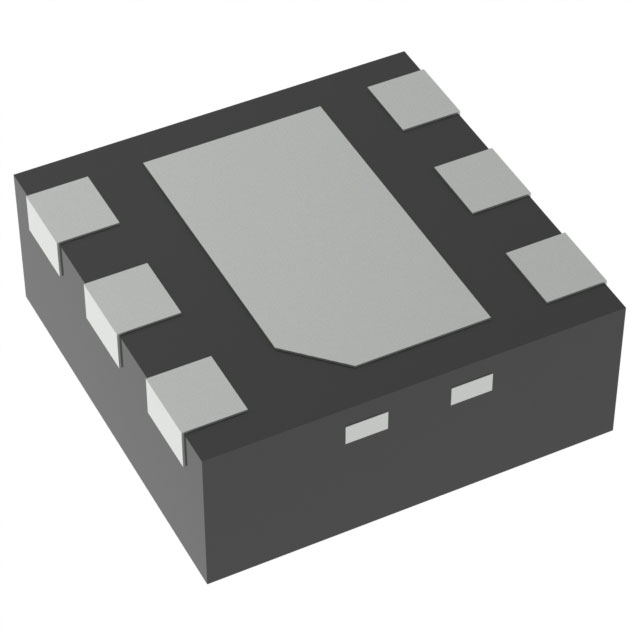 Texas Instruments TPS61040DRVTG4Unknown | Integrated Circuits (ICs) | IC LED DRV RGLTR PWM 350MA 6WSON |
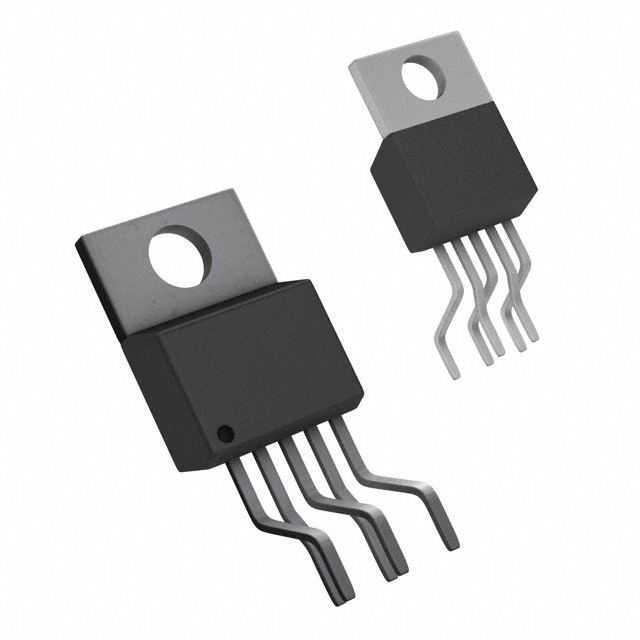 Texas Instruments LP3876ET-2.5Obsolete | Integrated Circuits (ICs) | IC REG LINEAR 2.5V 3A TO220-5 |
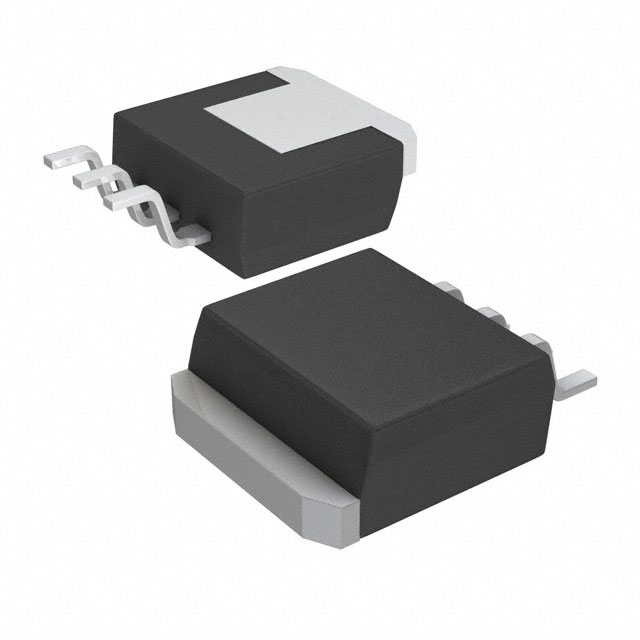 Texas Instruments LMS1585ACSX-ADJObsolete | Integrated Circuits (ICs) | IC REG LIN POS ADJ 5A DDPAK |
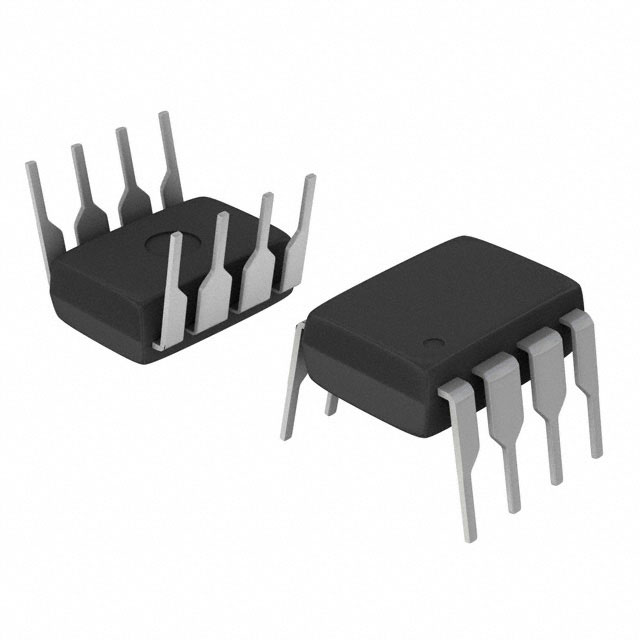 Texas Instruments INA111APG4Obsolete | Integrated Circuits (ICs) | IC INST AMP 1 CIRCUIT 8DIP |
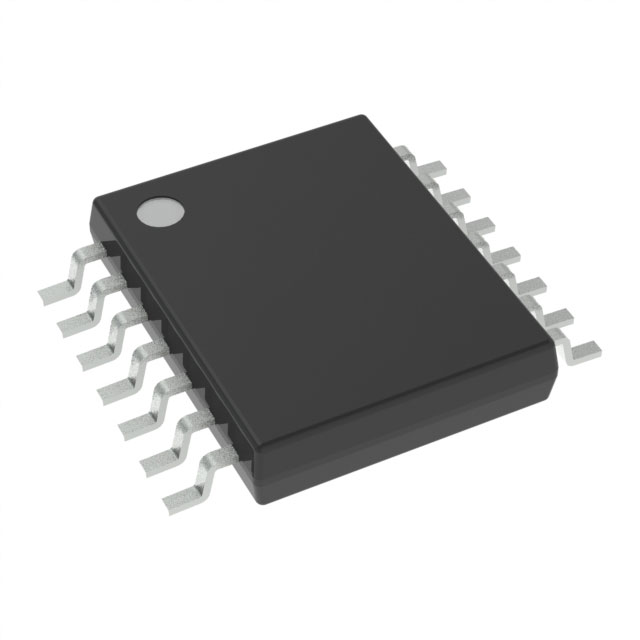 Texas Instruments | Integrated Circuits (ICs) | AUTOMOTIVE, QUAD 36V 1.2MHZ OPERATIONAL AMPLIFIER |
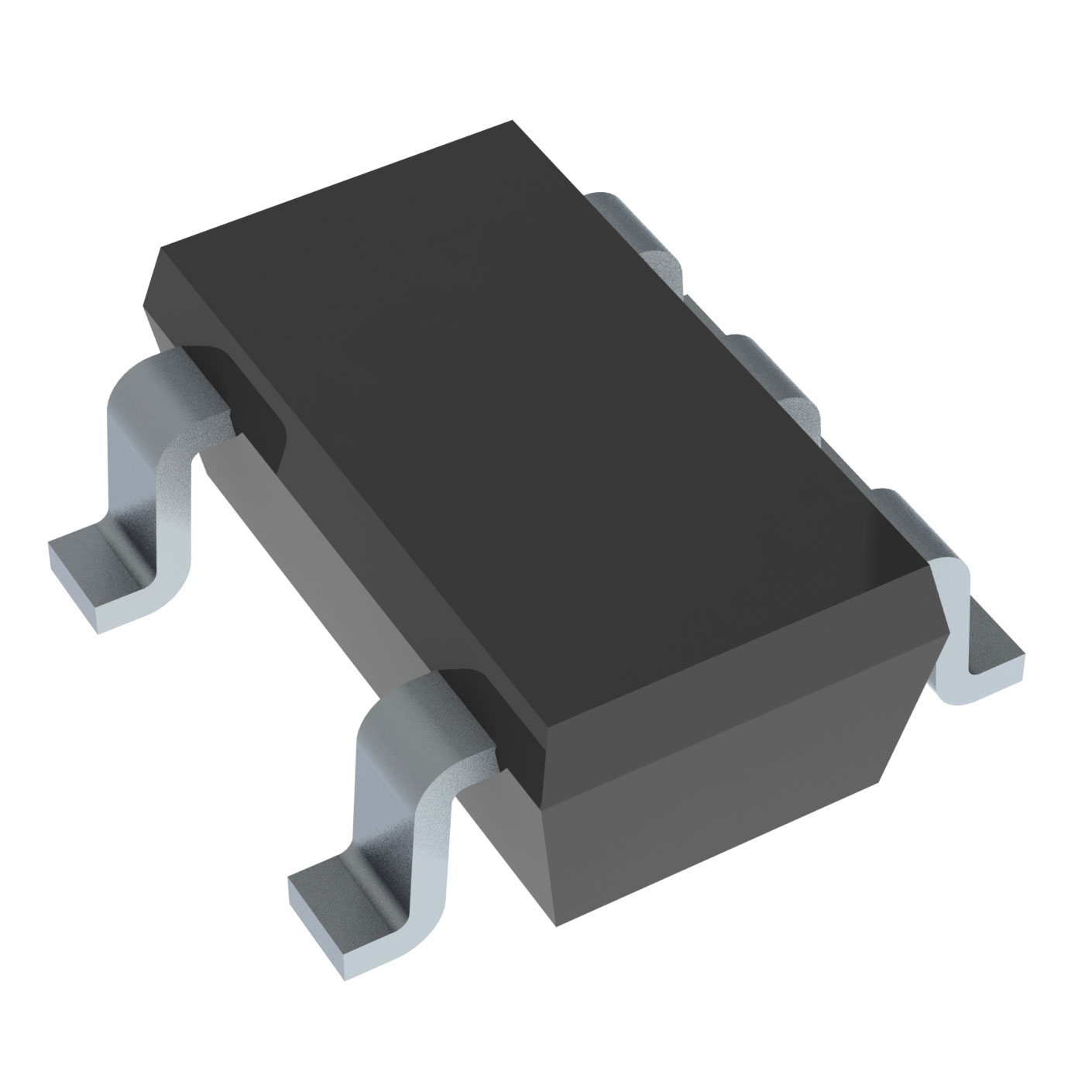 Texas Instruments OPA340NA/3KG4Unknown | Integrated Circuits (ICs) | IC OPAMP GP 1 CIRCUIT SOT23-5 |
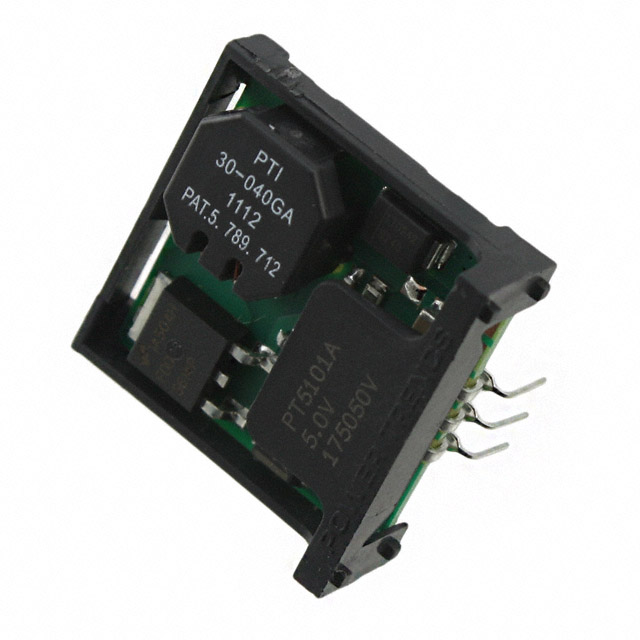 Texas Instruments PT5112AObsolete | Power Supplies - Board Mount | DC DC CONVERTER 8V 8W |
| Series | Category | # Parts | Status | Description |
|---|---|---|---|---|
TPS77733750-mA, 10-V, low-dropout voltage regulator with enable & RESET with delay | Voltage Regulators - Linear, Low Drop Out (LDO) Regulators | 15 | Active | TPS777xx and TPS778xx are designed to have a fast transient response and be stable with a 10-µF low ESR capacitors. This combination provides high performance at a reasonable cost.
Because the PMOS device behaves as a low-value resistor, the dropout voltage is very low (typically 260 mV at an output current of 750 mA for the TPS77x33) and is directly proportional to the output current. Additionally, since the PMOS pass element is a voltage-driven device, the quiescent current is very low and independent of output loading (typically 85 µA over the full range of output current, 0 mA to 750 mA). These two key specifications yield a significant improvement in operating life for battery-powered systems. This LDO family also features a sleep mode; applying a TTL high signal to EN\ (enable) shuts down the regulator, reducing the quiescent current to 1 µA at TJ= 25°C.
The RESET\ output of the TPS777xx initiates a reset in microcomputer and microprocessor systems in the event of an undervoltage condition. An internal comparator in the TPS777xx monitors the output voltage of the regulator to detect an undervoltage condition on the regulated output voltage.
Power good (PG) of the TPS778xx is an active high output, which can be used to implement a power-on reset or a low-battery indicator.
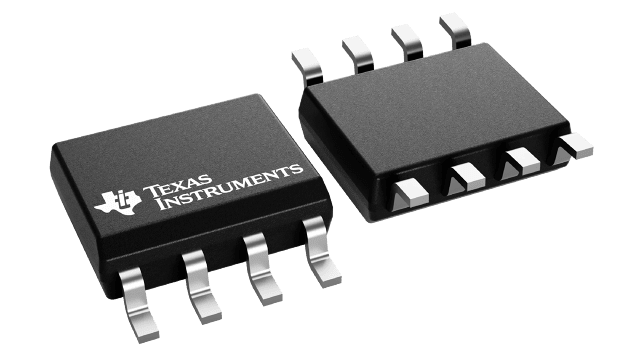
The TPS777xx and TPS778xx are offered in 1.5-V, 1.8-V, 2.5-V, and 3.3-V fixed-voltage versions and in an adjustable version (programmable over the range of 1.5 V to 5.5 V for TPS77701 option and 1.2 V to 5.5 V for TPS77801 option). Output voltage tolerance is specified as a maximum of 2% over line, load, and temperature ranges. The TPS777xx and TPS778xx families are available in 8 pin SOIC and 20 pin PWP packages.
TPS777xx and TPS778xx are designed to have a fast transient response and be stable with a 10-µF low ESR capacitors. This combination provides high performance at a reasonable cost.
Because the PMOS device behaves as a low-value resistor, the dropout voltage is very low (typically 260 mV at an output current of 750 mA for the TPS77x33) and is directly proportional to the output current. Additionally, since the PMOS pass element is a voltage-driven device, the quiescent current is very low and independent of output loading (typically 85 µA over the full range of output current, 0 mA to 750 mA). These two key specifications yield a significant improvement in operating life for battery-powered systems. This LDO family also features a sleep mode; applying a TTL high signal to EN\ (enable) shuts down the regulator, reducing the quiescent current to 1 µA at TJ= 25°C.
The RESET\ output of the TPS777xx initiates a reset in microcomputer and microprocessor systems in the event of an undervoltage condition. An internal comparator in the TPS777xx monitors the output voltage of the regulator to detect an undervoltage condition on the regulated output voltage.
Power good (PG) of the TPS778xx is an active high output, which can be used to implement a power-on reset or a low-battery indicator.
The TPS777xx and TPS778xx are offered in 1.5-V, 1.8-V, 2.5-V, and 3.3-V fixed-voltage versions and in an adjustable version (programmable over the range of 1.5 V to 5.5 V for TPS77701 option and 1.2 V to 5.5 V for TPS77801 option). Output voltage tolerance is specified as a maximum of 2% over line, load, and temperature ranges. The TPS777xx and TPS778xx families are available in 8 pin SOIC and 20 pin PWP packages. |
TPS77818750-mA, 10-V, low-dropout voltage regulator with power good & enable | Power Management (PMIC) | 13 | Active | TPS777xx and TPS778xx are designed to have a fast transient response and be stable with a 10-µF low ESR capacitors. This combination provides high performance at a reasonable cost.
Because the PMOS device behaves as a low-value resistor, the dropout voltage is very low (typically 260 mV at an output current of 750 mA for the TPS77x33) and is directly proportional to the output current. Additionally, since the PMOS pass element is a voltage-driven device, the quiescent current is very low and independent of output loading (typically 85 µA over the full range of output current, 0 mA to 750 mA). These two key specifications yield a significant improvement in operating life for battery-powered systems. This LDO family also features a sleep mode; applying a TTL high signal to EN\ (enable) shuts down the regulator, reducing the quiescent current to 1 µA at TJ= 25°C.
The RESET\ output of the TPS777xx initiates a reset in microcomputer and microprocessor systems in the event of an undervoltage condition. An internal comparator in the TPS777xx monitors the output voltage of the regulator to detect an undervoltage condition on the regulated output voltage.
Power good (PG) of the TPS778xx is an active high output, which can be used to implement a power-on reset or a low-battery indicator.
The TPS777xx and TPS778xx are offered in 1.5-V, 1.8-V, 2.5-V, and 3.3-V fixed-voltage versions and in an adjustable version (programmable over the range of 1.5 V to 5.5 V for TPS77701 option and 1.2 V to 5.5 V for TPS77801 option). Output voltage tolerance is specified as a maximum of 2% over line, load, and temperature ranges. The TPS777xx and TPS778xx families are available in 8 pin SOIC and 20 pin PWP packages.
TPS777xx and TPS778xx are designed to have a fast transient response and be stable with a 10-µF low ESR capacitors. This combination provides high performance at a reasonable cost.
Because the PMOS device behaves as a low-value resistor, the dropout voltage is very low (typically 260 mV at an output current of 750 mA for the TPS77x33) and is directly proportional to the output current. Additionally, since the PMOS pass element is a voltage-driven device, the quiescent current is very low and independent of output loading (typically 85 µA over the full range of output current, 0 mA to 750 mA). These two key specifications yield a significant improvement in operating life for battery-powered systems. This LDO family also features a sleep mode; applying a TTL high signal to EN\ (enable) shuts down the regulator, reducing the quiescent current to 1 µA at TJ= 25°C.
The RESET\ output of the TPS777xx initiates a reset in microcomputer and microprocessor systems in the event of an undervoltage condition. An internal comparator in the TPS777xx monitors the output voltage of the regulator to detect an undervoltage condition on the regulated output voltage.
Power good (PG) of the TPS778xx is an active high output, which can be used to implement a power-on reset or a low-battery indicator.
The TPS777xx and TPS778xx are offered in 1.5-V, 1.8-V, 2.5-V, and 3.3-V fixed-voltage versions and in an adjustable version (programmable over the range of 1.5 V to 5.5 V for TPS77701 option and 1.2 V to 5.5 V for TPS77801 option). Output voltage tolerance is specified as a maximum of 2% over line, load, and temperature ranges. The TPS777xx and TPS778xx families are available in 8 pin SOIC and 20 pin PWP packages. |
| Integrated Circuits (ICs) | 2 | Active | ||
| Integrated Circuits (ICs) | 2 | Active | ||
TPS77901250-mA, 10-V, low-dropout voltage regulator withenable & RESET with delay | Integrated Circuits (ICs) | 5 | Active | The TPS779xx is a low-dropout regulator with integrated power-on reset. The device is capable of supplying 250 mA of output current with a dropout of 200 mV (TPS77930). Quiescent current is 92 uA at full load dropping down to 1 uA when the device is disabled. The device is optimized to be stable with a wide range of output capacitors including low ESR ceramic (10uF) or low capacitance (1uF) tantalum capacitors. The device has extremely low noise output performance (55 uVrms) without using any added filter capacitors. TPS779xx is designed to have a fast transient response for larger load current changes.
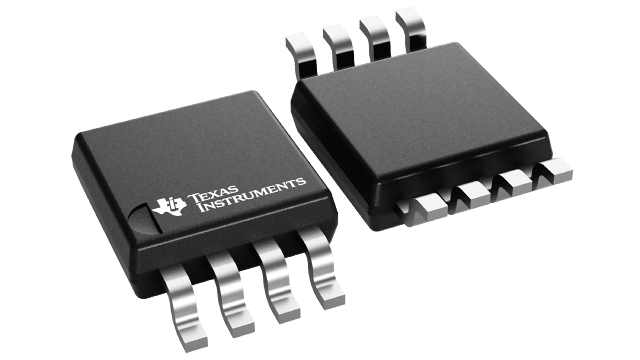
The TPS779xx is offered in 1.8-V, 2.5-V, and 3-V fixed-voltage versions and in an adjustable version (programmable over the range of 1.5 V to 5.5 V). Output voltage tolerance is 2% over line, load, and temperature ranges. The TPS779xx family is available in 8-pin MSOP (DGK) packages.
Because the PMOS device behaves as a low-value resistor, the dropout voltage is very low (typically 200 mV at an output current of 250 mA for 3.3 volt option) and is directly proportional to the output current. Additionally, since the PMOS pass element is a voltage-driven device, the quiescent current is very low and independent of output loading (typically 92 uA over the full range of output current, 0 mA to 250 mA). These two key specifications yield a significant improvement in operating life for battery-powered systems.
The device is enabled when the EN pin is connected to a high-level input voltage. This LDO family also features a sleep mode; applying a TTL low signal to EN (enable) shuts down the regulator, reducing the quiescent current to less than 1 uA at TJ= 25°C.
The TPS779xx features an integrated power-on reset, commonly used as a supply voltage supervisor (SVS), or reset output voltage. The RESET\ output of the TPS779xx initiates a reset in DSP, microcomputer, or microprocessor systems at power-up and in the event of an undervoltage condition. An internal comparator in the TPS779xx monitors the output voltage of the regulator to detect an undervoltage condition on the regulated output voltage. When OUTreaches 95% of its regulated voltage, RESET\ will go to a high-impedance state after a 220 ms delay. RESET\ will go to low-impedance state when OUTis pulled below 95% (i.e. over load condition) of its regulated voltage.
The TPS779xx is a low-dropout regulator with integrated power-on reset. The device is capable of supplying 250 mA of output current with a dropout of 200 mV (TPS77930). Quiescent current is 92 uA at full load dropping down to 1 uA when the device is disabled. The device is optimized to be stable with a wide range of output capacitors including low ESR ceramic (10uF) or low capacitance (1uF) tantalum capacitors. The device has extremely low noise output performance (55 uVrms) without using any added filter capacitors. TPS779xx is designed to have a fast transient response for larger load current changes.
The TPS779xx is offered in 1.8-V, 2.5-V, and 3-V fixed-voltage versions and in an adjustable version (programmable over the range of 1.5 V to 5.5 V). Output voltage tolerance is 2% over line, load, and temperature ranges. The TPS779xx family is available in 8-pin MSOP (DGK) packages.
Because the PMOS device behaves as a low-value resistor, the dropout voltage is very low (typically 200 mV at an output current of 250 mA for 3.3 volt option) and is directly proportional to the output current. Additionally, since the PMOS pass element is a voltage-driven device, the quiescent current is very low and independent of output loading (typically 92 uA over the full range of output current, 0 mA to 250 mA). These two key specifications yield a significant improvement in operating life for battery-powered systems.
The device is enabled when the EN pin is connected to a high-level input voltage. This LDO family also features a sleep mode; applying a TTL low signal to EN (enable) shuts down the regulator, reducing the quiescent current to less than 1 uA at TJ= 25°C.
The TPS779xx features an integrated power-on reset, commonly used as a supply voltage supervisor (SVS), or reset output voltage. The RESET\ output of the TPS779xx initiates a reset in DSP, microcomputer, or microprocessor systems at power-up and in the event of an undervoltage condition. An internal comparator in the TPS779xx monitors the output voltage of the regulator to detect an undervoltage condition on the regulated output voltage. When OUTreaches 95% of its regulated voltage, RESET\ will go to a high-impedance state after a 220 ms delay. RESET\ will go to low-impedance state when OUTis pulled below 95% (i.e. over load condition) of its regulated voltage. |
| Power Management (PMIC) | 1 | Unknown | ||
| Voltage Regulators - Linear, Low Drop Out (LDO) Regulators | 1 | Obsolete | ||
TPS780180300150-mA, nano-IQ, low-dropout voltage regulator with pin-selectable, dual-level output voltage | Evaluation Boards | 10 | Active | The TPS780 family of low-dropout (LDO) regulators offer the benefits of ultralow power, miniaturized packaging, and selectable dual-level output voltage levels with the VSETpin.
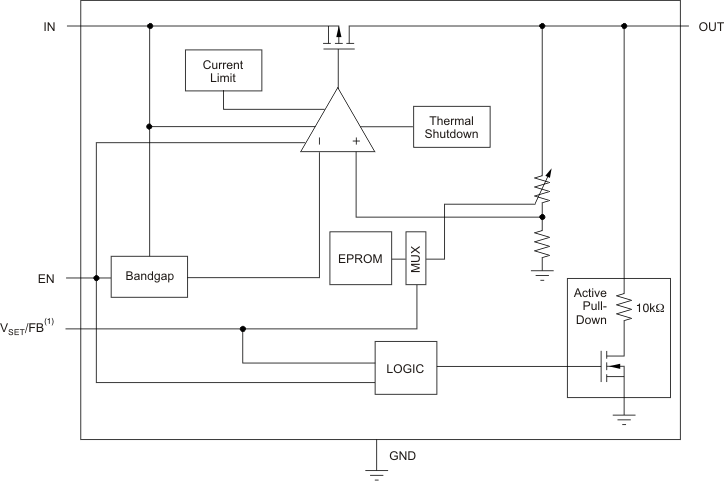
The ultralow-power and dynamic voltage scaling (DVS) capability which provides dual-level output voltages let designers customize power consumption for specific applications. Designers can now shift to a lower voltage level in a battery-powered design when the microprocessor is in sleep mode, further reducing overall system power consumption. The two voltage levels are preset at the factory and are stored using EPROM and are available on fixed output voltage devices.
The TPS780 series of LDOs are designed to be compatible with the TI MSP430 and other similar products. The enable pin is compatible with standard CMOS logic. The TPS780 series also come with thermal shutdown and current limit to protect the device during fault conditions. All packages have an operating temperature range of TJ= –40°C to 125°C. For more cost-sensitive applications requiring a dual-level voltage option and onlyon parIQ, consider the TPS781 series, with an IQof 1.0 µA and dynamic voltage scaling.
The TPS780 family of low-dropout (LDO) regulators offer the benefits of ultralow power, miniaturized packaging, and selectable dual-level output voltage levels with the VSETpin.
The ultralow-power and dynamic voltage scaling (DVS) capability which provides dual-level output voltages let designers customize power consumption for specific applications. Designers can now shift to a lower voltage level in a battery-powered design when the microprocessor is in sleep mode, further reducing overall system power consumption. The two voltage levels are preset at the factory and are stored using EPROM and are available on fixed output voltage devices.
The TPS780 series of LDOs are designed to be compatible with the TI MSP430 and other similar products. The enable pin is compatible with standard CMOS logic. The TPS780 series also come with thermal shutdown and current limit to protect the device during fault conditions. All packages have an operating temperature range of TJ= –40°C to 125°C. For more cost-sensitive applications requiring a dual-level voltage option and onlyon parIQ, consider the TPS781 series, with an IQof 1.0 µA and dynamic voltage scaling. |
| Integrated Circuits (ICs) | 2 | Active | ||
| Voltage Regulators - Linear, Low Drop Out (LDO) Regulators | 3 | Active | ||