T
Texas Instruments
| Series | Category | # Parts | Status | Description |
|---|---|---|---|---|
| Part | Spec A | Spec B | Spec C | Spec D | Description |
|---|---|---|---|---|---|



| Series | Category | # Parts | Status | Description |
|---|---|---|---|---|
| Part | Spec A | Spec B | Spec C | Spec D | Description |
|---|---|---|---|---|---|
| Series | Category | # Parts | Status | Description |
|---|---|---|---|---|
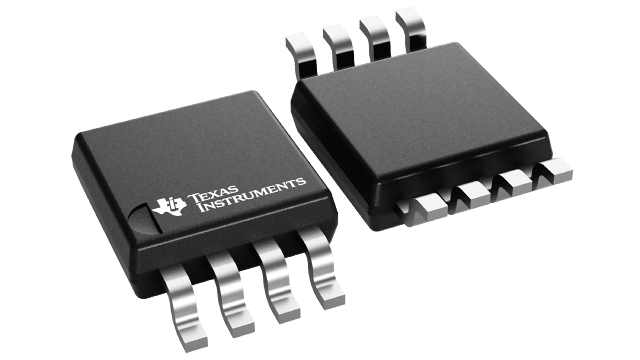
TCA4311A2-bit bidirectional 2.7- to 5.5-V hot swappable 400-kHz I2C/SMBus buffer | Integrated Circuits (ICs) | 4 | Active | The TCA4311A is a hot-swappable I2C bus buffer that supports I/O card insertion into a live backplane without corruption of the data and clock busses. Control circuitry prevents the backplane from being connected to the card until a stop command or bus idle occurs on the backplane without bus contention on the card. When the connection is made, this device provides bidirectional buffering, keeping the backplane and card capacitances isolated. During insertion, the SDA and SCL lines are pre-charged to 1 V to minimize the current required to charge the parasitic capacitance of the chip.
When the I2C bus is idle, the TCA4311A can be put into shutdown mode by setting the EN pin low. When EN is high, the TCA4311A resumes normal operation. It also includes an open drain READY output pin, which indicates that the backplane and card sides are connected together. When READY is high, the SDAIN and SCLIN are connected to SDAOUT and SCLOUT. When the two sides are disconnected, READY is low.
Both the backplane and card may be powered with supply voltages ranging from 2.7 V to 5.5 V, with no restrictions on which supply voltage is higher.
The TCA4311A has standard open-drain I/Os. The size of the pull-up resistors to the I/Os depends on the system, but each side of this buffer must have a pull-up resistor. The device is designed to work with Standard Mode and Fast Mode I2C devices in addition to SMBus devices. Standard Mode I2C devices only specify 3 mA in a generic I2C system where Standard Mode devices and multiple masters are possible. Under certain conditions, high termination currents can be used.
The TCA4311A is a hot-swappable I2C bus buffer that supports I/O card insertion into a live backplane without corruption of the data and clock busses. Control circuitry prevents the backplane from being connected to the card until a stop command or bus idle occurs on the backplane without bus contention on the card. When the connection is made, this device provides bidirectional buffering, keeping the backplane and card capacitances isolated. During insertion, the SDA and SCL lines are pre-charged to 1 V to minimize the current required to charge the parasitic capacitance of the chip.
When the I2C bus is idle, the TCA4311A can be put into shutdown mode by setting the EN pin low. When EN is high, the TCA4311A resumes normal operation. It also includes an open drain READY output pin, which indicates that the backplane and card sides are connected together. When READY is high, the SDAIN and SCLIN are connected to SDAOUT and SCLOUT. When the two sides are disconnected, READY is low.
Both the backplane and card may be powered with supply voltages ranging from 2.7 V to 5.5 V, with no restrictions on which supply voltage is higher.
The TCA4311A has standard open-drain I/Os. The size of the pull-up resistors to the I/Os depends on the system, but each side of this buffer must have a pull-up resistor. The device is designed to work with Standard Mode and Fast Mode I2C devices in addition to SMBus devices. Standard Mode I2C devices only specify 3 mA in a generic I2C system where Standard Mode devices and multiple masters are possible. Under certain conditions, high termination currents can be used. |
| Development Boards, Kits, Programmers | 1 | Obsolete | ||
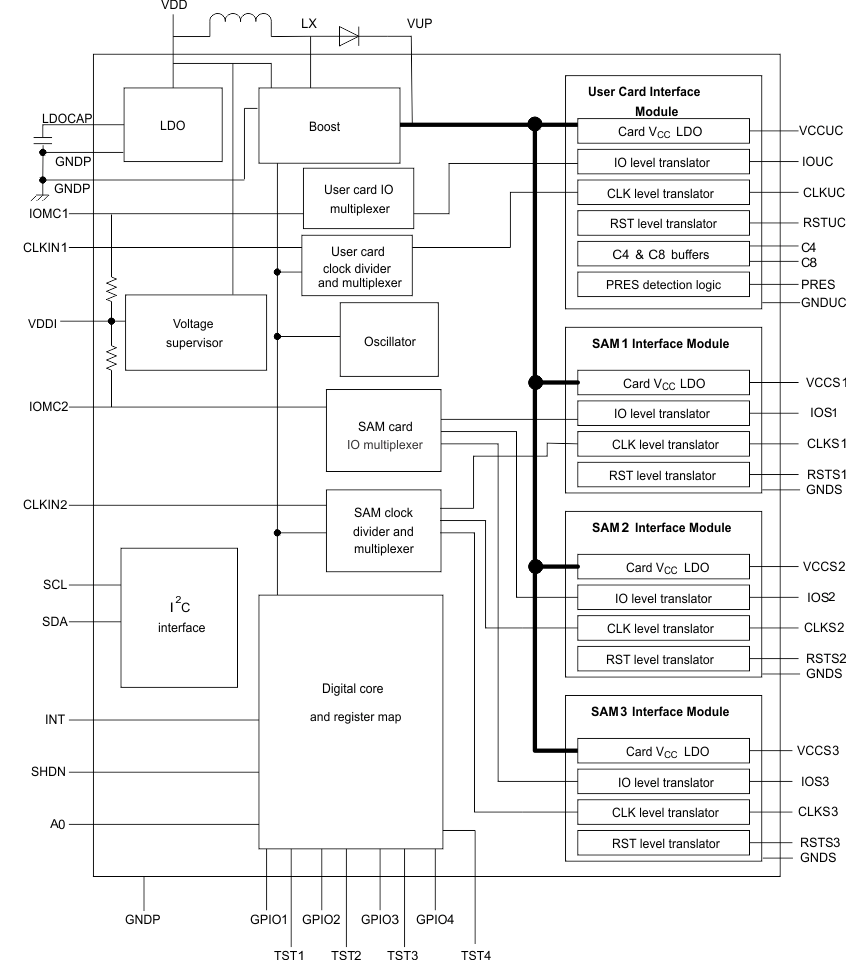
TCA5013Smart card interface IC for 1 user card + 3 SAMs | Integrated Circuits (ICs) | 1 | Active | TCA5013 is a smartcard interface IC that is targeted for use in Point of Sale (POS) terminals. The device enables POS terminals to interface with EMV4.3, ISO7816-3 and ISO7816-10 compliant cards. It supports up to 3 Secure Access Module (SAM) cards in addition to 1 user card. It operates from a single supply and generates all the card voltages. The device is controlled by a standard I2C interface and is capable of card activation and deactivation per EMV4.3 and ISO7816-3 standards. In addition it also supports ISO7816-10 synchronous cards. It has a 4-byte FIFO that stores the ATR (Answer to Reset) sequence in ISO7816-10 type 1 cards. Synchronous cards (ISO7816-10 type 1 and type 2) can be set up for automatic activation or manual activation. The device has multiple power saving modes and also supports power saving in the smartcard itself by "clock stop" or lowering clock frequency to lowest allowable levels per the ISO7816 - 3 standard. TCA5013 has IEC 61000-4-2 8kV contact discharge on all pins that interface with smartcards. This enables the system to be resistant to ESD in the field without the need for external ESD devices. It is available in an 5 mm x 5 mm BGA package. The pin out of the device is such that all the IO pins are securely surrounded by other pins. This prevents the secure pins from being probed during device operation.
TCA5013 is a smartcard interface IC that is targeted for use in Point of Sale (POS) terminals. The device enables POS terminals to interface with EMV4.3, ISO7816-3 and ISO7816-10 compliant cards. It supports up to 3 Secure Access Module (SAM) cards in addition to 1 user card. It operates from a single supply and generates all the card voltages. The device is controlled by a standard I2C interface and is capable of card activation and deactivation per EMV4.3 and ISO7816-3 standards. In addition it also supports ISO7816-10 synchronous cards. It has a 4-byte FIFO that stores the ATR (Answer to Reset) sequence in ISO7816-10 type 1 cards. Synchronous cards (ISO7816-10 type 1 and type 2) can be set up for automatic activation or manual activation. The device has multiple power saving modes and also supports power saving in the smartcard itself by "clock stop" or lowering clock frequency to lowest allowable levels per the ISO7816 - 3 standard. TCA5013 has IEC 61000-4-2 8kV contact discharge on all pins that interface with smartcards. This enables the system to be resistant to ESD in the field without the need for external ESD devices. It is available in an 5 mm x 5 mm BGA package. The pin out of the device is such that all the IO pins are securely surrounded by other pins. This prevents the secure pins from being probed during device operation. |
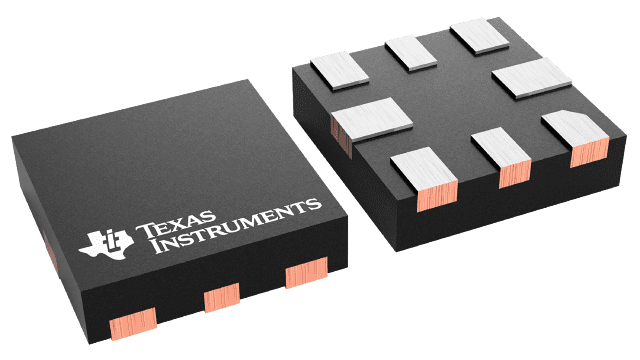
TCA54055-bit self-timed 1.65- to 3.6-V single-wire output expander | Interface | 1 | Active | The TCA5405 is a 5-bit output expander controlled using a single wire input. This device is ideal for portable applications as it has a wide VCC range of 1.65V to 3.6 V. The TCA5405 uses a self-timed serial data protocol with a single data input driven by a master device synchronized to an internal clock of that device. During a Setup phase, the bit period is sampled, then the TCA5405 generates its own internal clock synchronized to that of the Master device to sample the input over a five-bit-period Data Transfer phase and writes the bit states on the parallel outputs after the last bit is sampled. The TCA5405 is available in an 8-pin 1.5mm × 1.5mm RUG uQFN package.
The TCA5405 is a 5-bit output expander controlled using a single wire input. This device is ideal for portable applications as it has a wide VCC range of 1.65V to 3.6 V. The TCA5405 uses a self-timed serial data protocol with a single data input driven by a master device synchronized to an internal clock of that device. During a Setup phase, the bit period is sampled, then the TCA5405 generates its own internal clock synchronized to that of the Master device to sample the input over a five-bit-period Data Transfer phase and writes the bit states on the parallel outputs after the last bit is sampled. The TCA5405 is available in an 8-pin 1.5mm × 1.5mm RUG uQFN package. |
| Interface | 4 | Obsolete | ||
TCA6408A-Q18-bit translating 1.65- to 5.5-V I2C/SMBus I/O expander with interrupt, reset & config registers | I/O Expanders | 3 | Active | The TCA6408A-Q1 is a 16-pin device that provides 8-bits of general purpose parallel input and output (I/O) expansion for the two-line bidirectional I2C bus (or SMBus) protocol. This device can operate with a power supply voltage ranging from 1.65 V to 3.6 V on both the I2C bus side (VCCI) and on the P-port side (VCCP). This allows the TCA6408A-Q1 to interface with next-generation microprocessors and microcontrollers on the SDA/SCL side, where supply levels are dropping down to conserve power. In contrast to the dropping power supplies of microprocessors and microcontrollers, some PCB components such as LEDs remain at a higher power supply.
The device supports both 100-kHz (Standard-mode) and 400-kHz (Fast-mode) clock frequencies. I/O expanders such as the TCA6408A-Q1 provide a simple solution when additional I/Os are needed for switches, sensors, push-buttons, LEDs, fans, and so forth.
The TCA6408A-Q1 is a 16-pin device that provides 8-bits of general purpose parallel input and output (I/O) expansion for the two-line bidirectional I2C bus (or SMBus) protocol. This device can operate with a power supply voltage ranging from 1.65 V to 3.6 V on both the I2C bus side (VCCI) and on the P-port side (VCCP). This allows the TCA6408A-Q1 to interface with next-generation microprocessors and microcontrollers on the SDA/SCL side, where supply levels are dropping down to conserve power. In contrast to the dropping power supplies of microprocessors and microcontrollers, some PCB components such as LEDs remain at a higher power supply.
The device supports both 100-kHz (Standard-mode) and 400-kHz (Fast-mode) clock frequencies. I/O expanders such as the TCA6408A-Q1 provide a simple solution when additional I/Os are needed for switches, sensors, push-buttons, LEDs, fans, and so forth. |
| Interface | 2 | Obsolete | ||
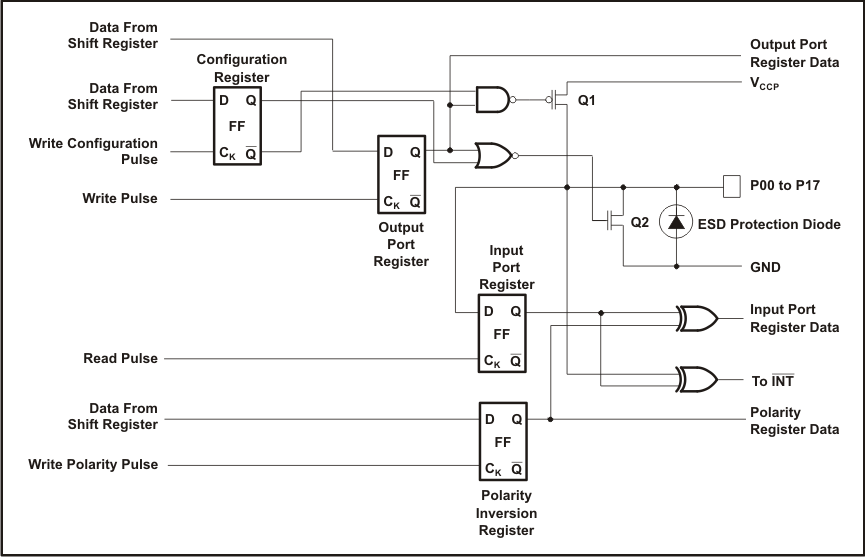
TCA6416A16-bit translating 1.65- to 5.5-V I2C/SMBus I/O expander with interrupt, reset & config registers | Interface | 7 | Active | This 16-bit I/O expander for the two-line bidirectional bus (I2C) is designed to provide general-purpose remote I/O expansion for most microcontroller families via the I2C interface [serial clock (SCL) and serial data (SDA)].
The major benefit of this device is its wide VCCrange. It can operate from 1.65 V to 5.5 V on the P-port side and on the SDA/SCL side. This allows the TCA6416 to interface with next-generation microprocessors and microcontrollers on the SDA/SCL side, where supply levels are dropping down to conserve power. In contrast to the dropping power supplies of microprocessors and microcontrollers, some PCB components, such as LEDs, remain at a 5-V power supply.
The bidirectional voltage level translation in the TCA6416 is provided through VCCI. VCCIshould be connected to the VCCof the external SCL/SDA lines. This indicates the VCClevel of the I2C bus to the TCA6416. The voltage level on the P-port of the TCA6416 is determined by the VCCP.
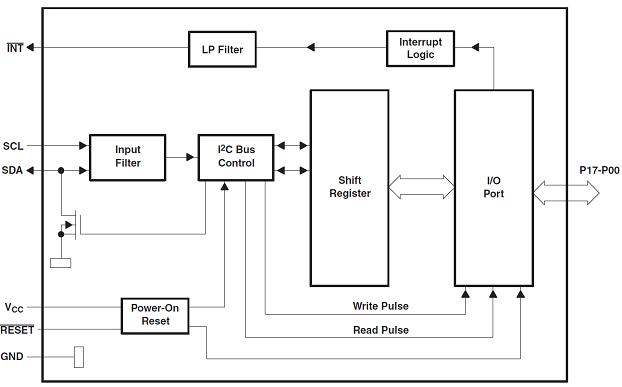
The TCA6416 consists of two 8-bit Configuration (input or output selection), Input, Output, and Polarity Inversion (active high) registers. At power on, the I/Os are configured as inputs. However, the system master can enable the I/Os as either inputs or outputs by writing to the I/O configuration bits. The data for each input or output is kept in the corresponding input or output register. The polarity of the Input Port register can be inverted with the Polarity Inversion register. All registers can be read by the system master.
The system master can reset the TCA6416 in the event of a timeout or other improper operation by asserting a low in theRESETinput. The power-on reset puts the registers in their default state and initializes the I2C/SMBus state machine. TheRESETpin causes the same reset/initialization to occur without depowering the part.
The TCA6416 open-drain interrupt (INT) output is activated when any input state differs from its corresponding Input Port register state and is used to indicate to the system master that an input state has changed.
INTcan be connected to the interrupt input of a microcontroller. By sending an interrupt signal on this line, the remote I/O can inform the microcontroller if there is incoming data on its ports without having to communicate via the I2C bus. Thus, the TCA6416 can remain a simple slave device.
The device P-port outputs have high-current sink capabilities for directly driving LEDs while consuming low device current.
One hardware pin (ADDR) can be used to program and vary the fixed I2C address and allow up to two devices to share the same I2C bus or SMBus.
This 16-bit I/O expander for the two-line bidirectional bus (I2C) is designed to provide general-purpose remote I/O expansion for most microcontroller families via the I2C interface [serial clock (SCL) and serial data (SDA)].
The major benefit of this device is its wide VCCrange. It can operate from 1.65 V to 5.5 V on the P-port side and on the SDA/SCL side. This allows the TCA6416 to interface with next-generation microprocessors and microcontrollers on the SDA/SCL side, where supply levels are dropping down to conserve power. In contrast to the dropping power supplies of microprocessors and microcontrollers, some PCB components, such as LEDs, remain at a 5-V power supply.
The bidirectional voltage level translation in the TCA6416 is provided through VCCI. VCCIshould be connected to the VCCof the external SCL/SDA lines. This indicates the VCClevel of the I2C bus to the TCA6416. The voltage level on the P-port of the TCA6416 is determined by the VCCP.
The TCA6416 consists of two 8-bit Configuration (input or output selection), Input, Output, and Polarity Inversion (active high) registers. At power on, the I/Os are configured as inputs. However, the system master can enable the I/Os as either inputs or outputs by writing to the I/O configuration bits. The data for each input or output is kept in the corresponding input or output register. The polarity of the Input Port register can be inverted with the Polarity Inversion register. All registers can be read by the system master.
The system master can reset the TCA6416 in the event of a timeout or other improper operation by asserting a low in theRESETinput. The power-on reset puts the registers in their default state and initializes the I2C/SMBus state machine. TheRESETpin causes the same reset/initialization to occur without depowering the part.
The TCA6416 open-drain interrupt (INT) output is activated when any input state differs from its corresponding Input Port register state and is used to indicate to the system master that an input state has changed.
INTcan be connected to the interrupt input of a microcontroller. By sending an interrupt signal on this line, the remote I/O can inform the microcontroller if there is incoming data on its ports without having to communicate via the I2C bus. Thus, the TCA6416 can remain a simple slave device.
The device P-port outputs have high-current sink capabilities for directly driving LEDs while consuming low device current.
One hardware pin (ADDR) can be used to program and vary the fixed I2C address and allow up to two devices to share the same I2C bus or SMBus. |
TCA6418E18-bit 1.65- to 3.6-V I2C/SMBus I/O expander with interrupt, reset & config registers | I/O Expanders | 1 | Active | The TCA6418E is a 18 channel GPIO expansion device with integrated ESD protection. It can operate from 1.65 V to 3.6 V and has 18 general purpose inputs/outputs (GPIO) that can be used via the I2C interface [serial clock (SCL), serial data (SDA)].
The major benefit of this device is it frees up the processor from having to individually monitor changes in multiple inputs and also frees up the GPIOs on the processor to drive other outputs.. This provides power and bandwidth savings. The TCA6418E is also ideal for usage with processors that have limited GPIOs.
The TCA6418E is a 18 channel GPIO expansion device with integrated ESD protection. It can operate from 1.65 V to 3.6 V and has 18 general purpose inputs/outputs (GPIO) that can be used via the I2C interface [serial clock (SCL), serial data (SDA)].
The major benefit of this device is it frees up the processor from having to individually monitor changes in multiple inputs and also frees up the GPIOs on the processor to drive other outputs.. This provides power and bandwidth savings. The TCA6418E is also ideal for usage with processors that have limited GPIOs. |
TCA6424A24-bit translating 1.65- to 5.5-V I2C/SMBus I/O expander with interrupt, reset & config registers | I/O Expanders | 2 | Active | This 24-bit I/O expander for the two-line bidirectional bus (I2C) is designed to provide general-purpose remote I/O expansion for most microcontroller families via the I2C interface [serial clock (SCL) and serial data (SDA)].
The major benefit of this device is its wide VCCrange. It can operate from 1.65 V to 5.5 V on the P-port side and on the SDA/SCL side. This allows the TCA6424 to interface with next-generation microprocessors and microcontrollers on the SDA/SCL side, where supply levels are dropping down to conserve power. In contrast to the dropping power supplies of microprocessors and microcontrollers, some PCB components, such as LEDs, remain at a 5-V power supply.
The bidirectional voltage level translation in the TCA6424 is provided through VCCI. VCCIshould be connected to the VCCof the external SCL/SDA lines. This indicates the VCClevel of the I2C bus to the TCA6424. The voltage level on the P-port of the TCA6424 is determined by the VCCP.
The TCA6424 consists of three 8-bit Configuration (input or output selection), Input, Output, and Polarity Inversion (active high) registers. At power on, the I/Os are configured as inputs. However, the system master can enable the I/Os as either inputs or outputs by writing to the I/O configuration bits. The data for each input or output is kept in the corresponding input or output register. The polarity of the Input Port register can be inverted with the Polarity Inversion register. All registers can be read by the system master.
The system master can reset the TCA6424 in the event of a timeout or other improper operation by asserting a low in theRESETinput. The power-on reset puts the registers in their default state and initializes the I2C/SMBus state machine. TheRESETpin causes the same reset/initialization to occur without depowering the part.
The TCA6424 open-drain interrupt (INT) output is activated when any input state differs from its corresponding Input Port register state and is used to indicate to the system master that an input state has changed.
INTcan be connected to the interrupt input of a microcontroller. By sending an interrupt signal on this line, the remote I/O can inform the microcontroller if there is incoming data on its ports without having to communicate via the I2C bus. Thus, the TCA6424 can remain a simple slave device.
The device P-port outputs have high-current sink capabilities for directly driving LEDs while consuming low device current.
One hardware pin (ADDR) can be used to program and vary the fixed I2C address and allow up to two devices to share the same I2C bus or SMBus.
This 24-bit I/O expander for the two-line bidirectional bus (I2C) is designed to provide general-purpose remote I/O expansion for most microcontroller families via the I2C interface [serial clock (SCL) and serial data (SDA)].
The major benefit of this device is its wide VCCrange. It can operate from 1.65 V to 5.5 V on the P-port side and on the SDA/SCL side. This allows the TCA6424 to interface with next-generation microprocessors and microcontrollers on the SDA/SCL side, where supply levels are dropping down to conserve power. In contrast to the dropping power supplies of microprocessors and microcontrollers, some PCB components, such as LEDs, remain at a 5-V power supply.
The bidirectional voltage level translation in the TCA6424 is provided through VCCI. VCCIshould be connected to the VCCof the external SCL/SDA lines. This indicates the VCClevel of the I2C bus to the TCA6424. The voltage level on the P-port of the TCA6424 is determined by the VCCP.
The TCA6424 consists of three 8-bit Configuration (input or output selection), Input, Output, and Polarity Inversion (active high) registers. At power on, the I/Os are configured as inputs. However, the system master can enable the I/Os as either inputs or outputs by writing to the I/O configuration bits. The data for each input or output is kept in the corresponding input or output register. The polarity of the Input Port register can be inverted with the Polarity Inversion register. All registers can be read by the system master.
The system master can reset the TCA6424 in the event of a timeout or other improper operation by asserting a low in theRESETinput. The power-on reset puts the registers in their default state and initializes the I2C/SMBus state machine. TheRESETpin causes the same reset/initialization to occur without depowering the part.
The TCA6424 open-drain interrupt (INT) output is activated when any input state differs from its corresponding Input Port register state and is used to indicate to the system master that an input state has changed.
INTcan be connected to the interrupt input of a microcontroller. By sending an interrupt signal on this line, the remote I/O can inform the microcontroller if there is incoming data on its ports without having to communicate via the I2C bus. Thus, the TCA6424 can remain a simple slave device.
The device P-port outputs have high-current sink capabilities for directly driving LEDs while consuming low device current.
One hardware pin (ADDR) can be used to program and vary the fixed I2C address and allow up to two devices to share the same I2C bus or SMBus. |
| Part | Category | Description |
|---|---|---|
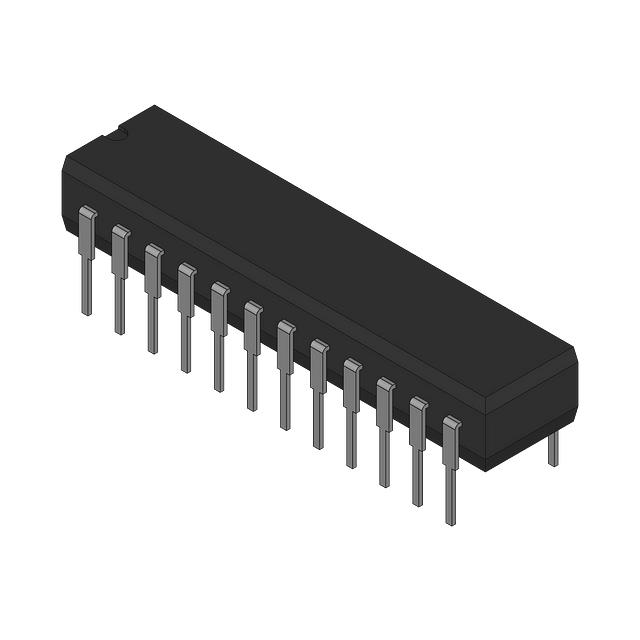 Texas Instruments | Integrated Circuits (ICs) | BUS DRIVER, BCT/FBT SERIES |
 Texas Instruments | Integrated Circuits (ICs) | 12BIT 3.3V~3.6V 210MHZ PARALLEL VQFN-48-EP(7X7) ANALOG TO DIGITAL CONVERTERS (ADC) ROHS |
Texas Instruments | Integrated Circuits (ICs) | TMX320DRE311 179PIN UBGA 200MHZ |
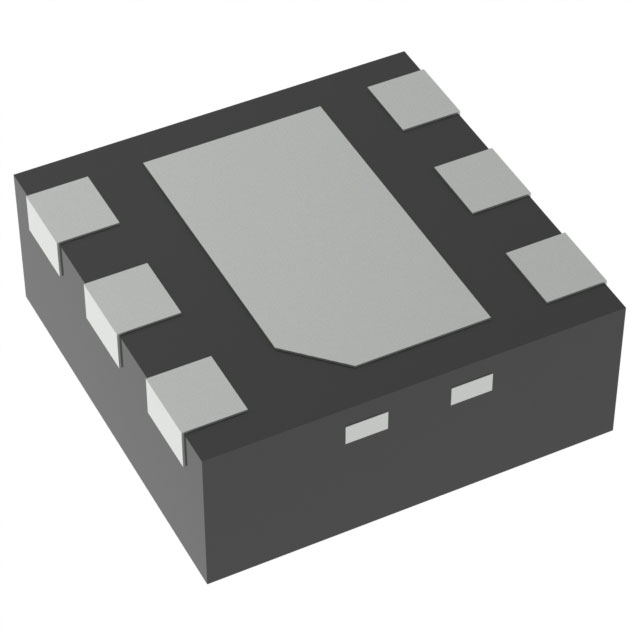 Texas Instruments TPS61040DRVTG4Unknown | Integrated Circuits (ICs) | IC LED DRV RGLTR PWM 350MA 6WSON |
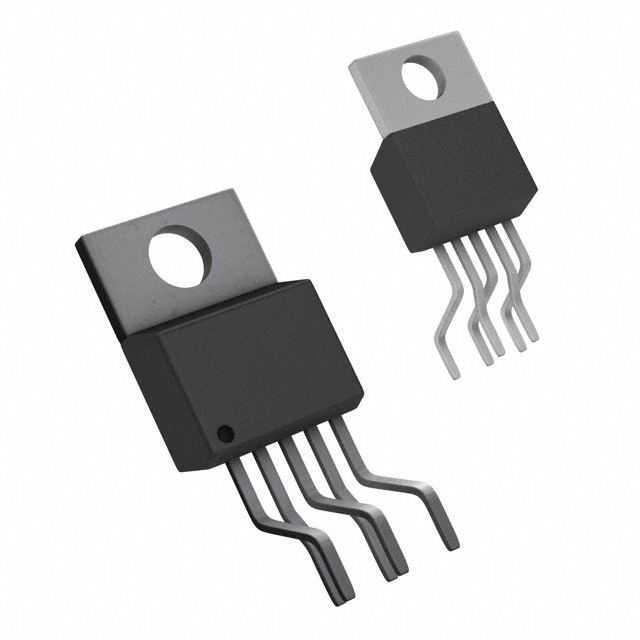 Texas Instruments LP3876ET-2.5Obsolete | Integrated Circuits (ICs) | IC REG LINEAR 2.5V 3A TO220-5 |
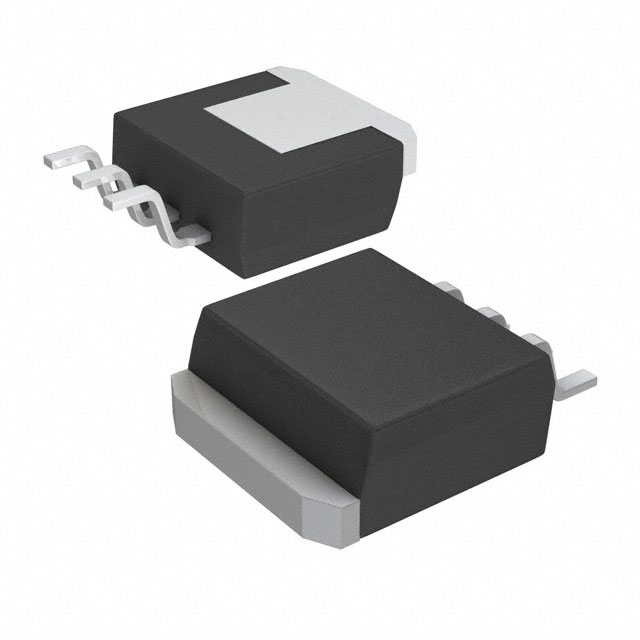 Texas Instruments LMS1585ACSX-ADJObsolete | Integrated Circuits (ICs) | IC REG LIN POS ADJ 5A DDPAK |
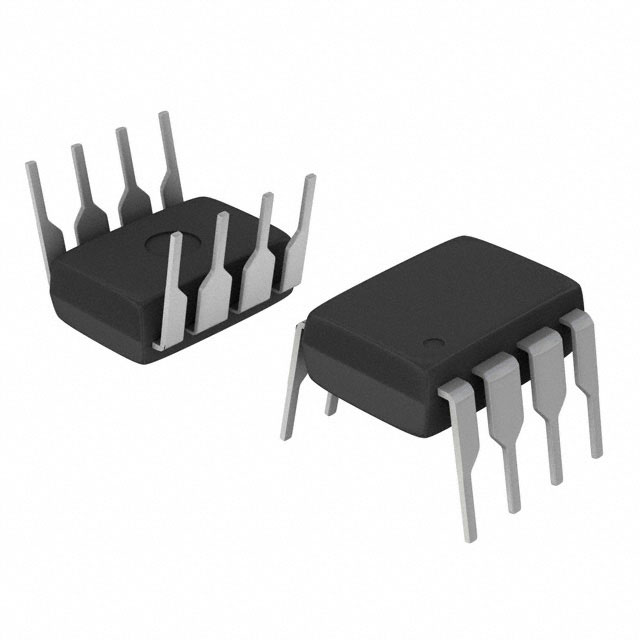 Texas Instruments INA111APG4Obsolete | Integrated Circuits (ICs) | IC INST AMP 1 CIRCUIT 8DIP |
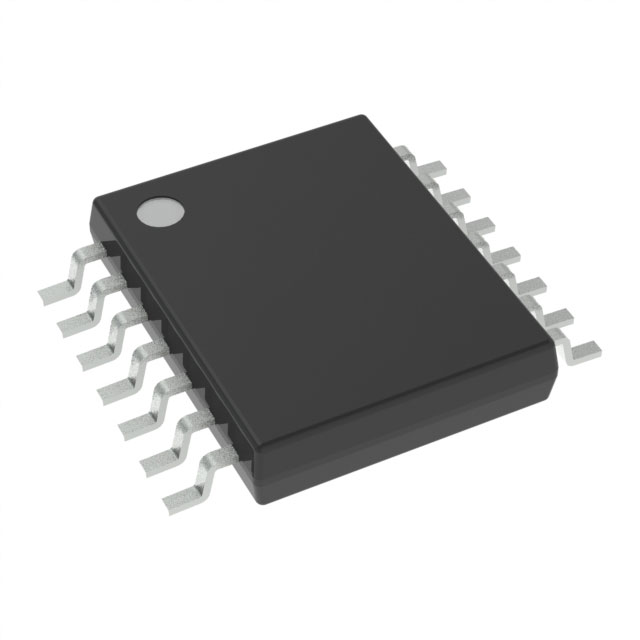 Texas Instruments | Integrated Circuits (ICs) | AUTOMOTIVE, QUAD 36V 1.2MHZ OPERATIONAL AMPLIFIER |
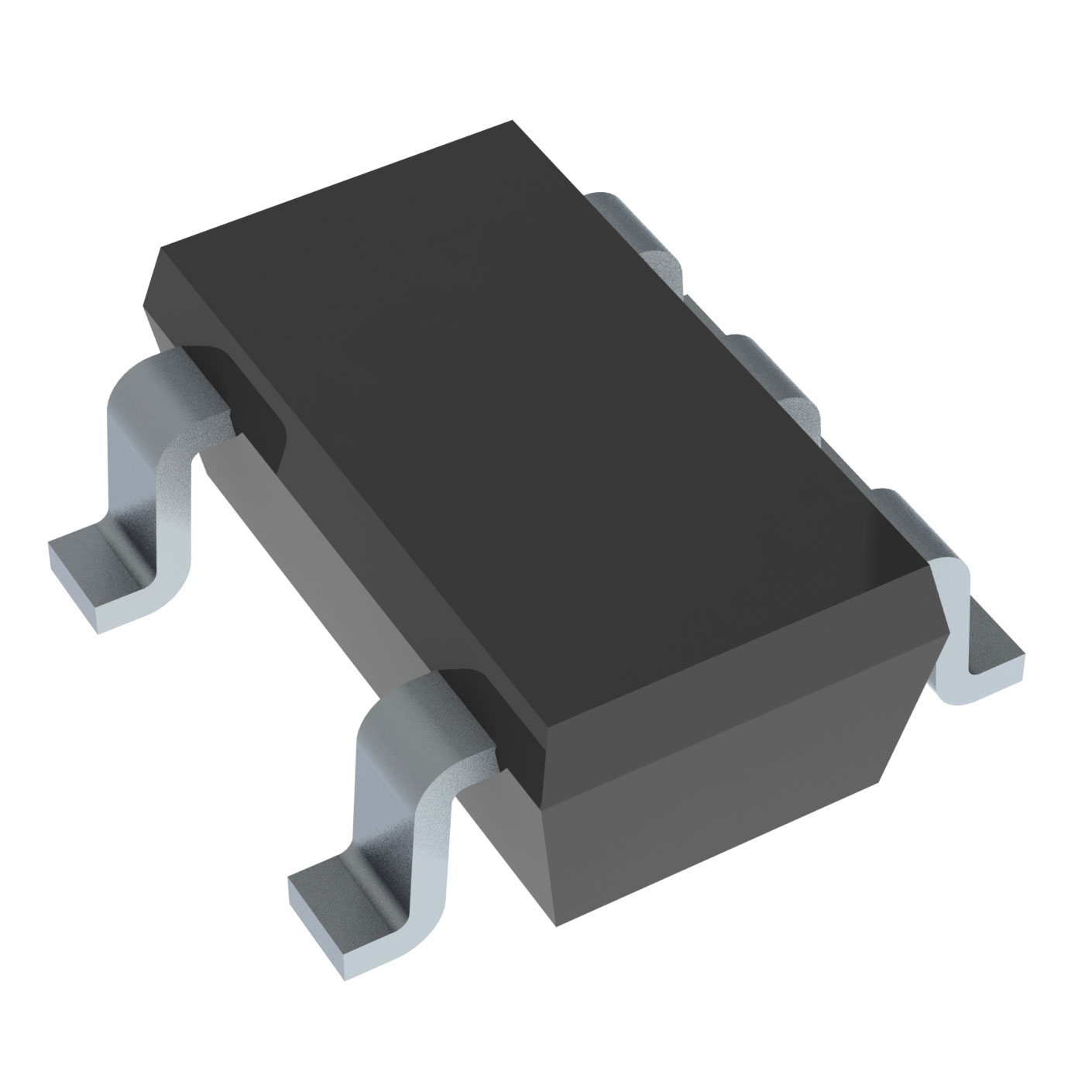 Texas Instruments OPA340NA/3KG4Unknown | Integrated Circuits (ICs) | IC OPAMP GP 1 CIRCUIT SOT23-5 |
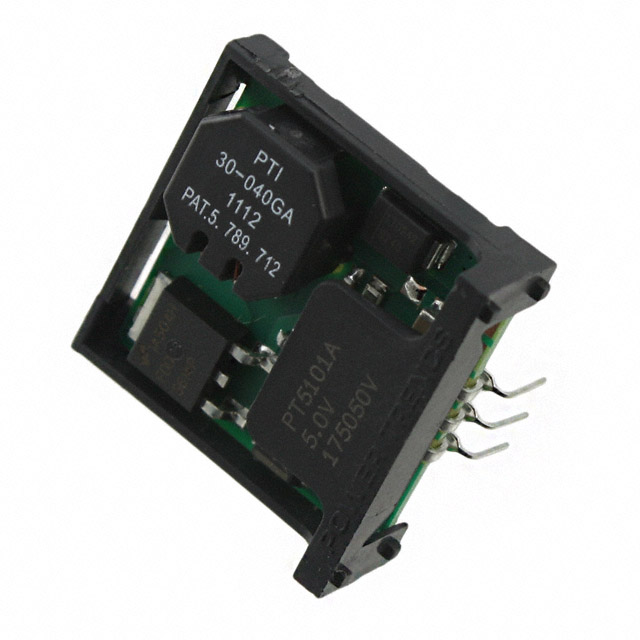 Texas Instruments PT5112AObsolete | Power Supplies - Board Mount | DC DC CONVERTER 8V 8W |