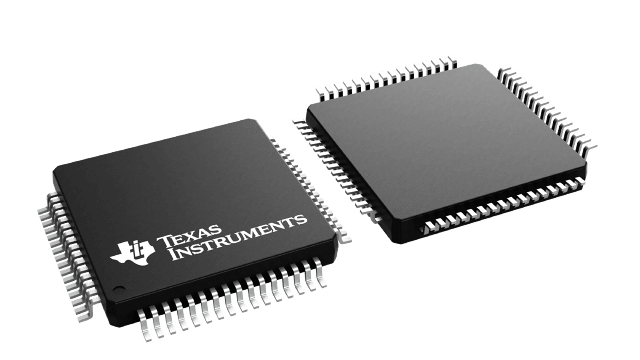
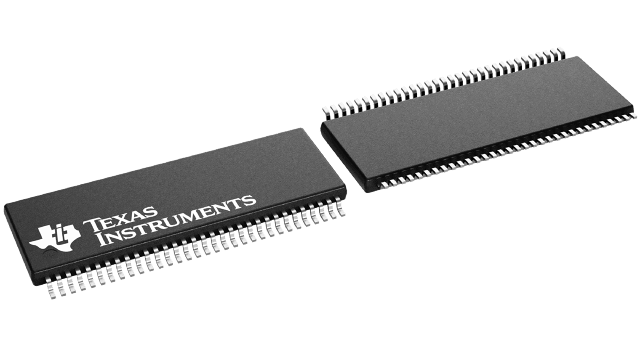
T
Texas Instruments
| Series | Category | # Parts | Status | Description |
|---|---|---|---|---|
| Part | Spec A | Spec B | Spec C | Spec D | Description |
|---|---|---|---|---|---|



| Series | Category | # Parts | Status | Description |
|---|---|---|---|---|
| Part | Spec A | Spec B | Spec C | Spec D | Description |
|---|---|---|---|---|---|
| Series | Category | # Parts | Status | Description |
|---|---|---|---|---|
SN74LVTH182504A3.3-V ABT Scan Test Devices With 20-Bit Universal Bus Transceivers | Integrated Circuits (ICs) | 2 | Active | The 'LVTH18504A and 'LVTH182504A scan test devices with 20-bit universal bus transceivers are members of the Texas Instruments (TI) SCOPE testability integrated-circuit family. This family of devices supports IEEE Std 1149.1-1990 boundary scan to facilitate testing of complex circuit-board assemblies. Scan access to the test circuitry is accomplished via the 4-wire test access port (TAP) interface.
Additionally, these devices are designed specifically for low-voltage (3.3-V) VCCoperation, but with the capability to provide a TTL interface to a 5-V system environment.
In the normal mode, these devices are 20-bit universal bus transceivers that combine D-type latches and D-type flip-flops to allow data flow in transparent, latched, or clocked modes. The test circuitry can be activated by the TAP to take snapshot samples of the data appearing at the device pins or to perform a self-test on the boundary-test cells. Activating the TAP in the normal mode does not affect the functional operation of the SCOPE universal bus transceivers.
Data flow in each direction is controlled by output-enable (and), latch-enable (LEAB and LEBA), clock-enable (and), and clock (CLKAB and CLKBA) inputs. For A-to-B data flow, the device operates in the transparent mode when LEAB is high. When LEAB is low, the A-bus data is latched whileis high and/or CLKAB is held at a static low or high logic level. Otherwise, if LEAB is low andis low, A-bus data is stored on a low-to-high transition of CLKAB. Whenis low, the B outputs are active. Whenis high, the B outputs are in the high-impedance state. B-to-A data flow is similar to A-to-B data flow, but uses the, LEBA,, and CLKBA inputs.
In the test mode, the normal operation of the SCOPE universal bus transceivers is inhibited, and the test circuitry is enabled to observe and control the I/O boundary of the device. When enabled, the test circuitry performs boundary-scan test operations according to the protocol described in IEEE Std 1149.1-1990.
Four dedicated test pins are used to observe and control the operation of the test circuitry: test data input (TDI), test data output (TDO), test mode select (TMS), and test clock (TCK). Additionally, the test circuitry performs other testing functions, such as parallel-signature analysis (PSA) on data inputs and pseudo-random pattern generation (PRPG) from data outputs. All testing and scan operations are synchronized to the TAP interface.
Active bus-hold circuitry is provided to hold unused or floating data inputs at a valid logic level.
The B-port outputs of 'LVTH182504A, which are designed to source or sink up to 12 mA, include equivalent 25-series resistors to reduce overshoot and undershoot.
The SN54LVTH18504A and SN54LVTH182504A are characterized for operation over the full military temperature range of -55°C to 125°C. The SN74LVTH18504A and SN74LVTH182504A are characterized for operation from -40°C to 85°C.
The 'LVTH18504A and 'LVTH182504A scan test devices with 20-bit universal bus transceivers are members of the Texas Instruments (TI) SCOPE testability integrated-circuit family. This family of devices supports IEEE Std 1149.1-1990 boundary scan to facilitate testing of complex circuit-board assemblies. Scan access to the test circuitry is accomplished via the 4-wire test access port (TAP) interface.
Additionally, these devices are designed specifically for low-voltage (3.3-V) VCCoperation, but with the capability to provide a TTL interface to a 5-V system environment.
In the normal mode, these devices are 20-bit universal bus transceivers that combine D-type latches and D-type flip-flops to allow data flow in transparent, latched, or clocked modes. The test circuitry can be activated by the TAP to take snapshot samples of the data appearing at the device pins or to perform a self-test on the boundary-test cells. Activating the TAP in the normal mode does not affect the functional operation of the SCOPE universal bus transceivers.
Data flow in each direction is controlled by output-enable (and), latch-enable (LEAB and LEBA), clock-enable (and), and clock (CLKAB and CLKBA) inputs. For A-to-B data flow, the device operates in the transparent mode when LEAB is high. When LEAB is low, the A-bus data is latched whileis high and/or CLKAB is held at a static low or high logic level. Otherwise, if LEAB is low andis low, A-bus data is stored on a low-to-high transition of CLKAB. Whenis low, the B outputs are active. Whenis high, the B outputs are in the high-impedance state. B-to-A data flow is similar to A-to-B data flow, but uses the, LEBA,, and CLKBA inputs.
In the test mode, the normal operation of the SCOPE universal bus transceivers is inhibited, and the test circuitry is enabled to observe and control the I/O boundary of the device. When enabled, the test circuitry performs boundary-scan test operations according to the protocol described in IEEE Std 1149.1-1990.
Four dedicated test pins are used to observe and control the operation of the test circuitry: test data input (TDI), test data output (TDO), test mode select (TMS), and test clock (TCK). Additionally, the test circuitry performs other testing functions, such as parallel-signature analysis (PSA) on data inputs and pseudo-random pattern generation (PRPG) from data outputs. All testing and scan operations are synchronized to the TAP interface.
Active bus-hold circuitry is provided to hold unused or floating data inputs at a valid logic level.
The B-port outputs of 'LVTH182504A, which are designed to source or sink up to 12 mA, include equivalent 25-series resistors to reduce overshoot and undershoot.
The SN54LVTH18504A and SN54LVTH182504A are characterized for operation over the full military temperature range of -55°C to 125°C. The SN74LVTH18504A and SN74LVTH182504A are characterized for operation from -40°C to 85°C. |
SN74LVTH1825123.3-V ABT Scan Test Devices With 18-Bit Universal Bus Transceivers | Specialty Logic | 1 | Active | The 'LVTH18512 and 'LVTH182512 scan test devices with 18-bit universal bus transceivers are members of the Texas Instruments SCOPETMtestability integrated-circuit family. This family of devices supports IEEE Std 1149.1-1990 boundary scan to facilitate testing of complex circuit-board assemblies. Scan access to the test circuitry is accomplished via the 4-wire test access port (TAP) interface.
Additionally, these devices are designed specifically for low-voltage (3.3-V) VCCoperation, but with the capability to provide a TTL interface to a 5-V system environment.
In the normal mode, these devices are 18-bit universal bus transceivers that combine D-type latches and D-type flip-flops to allow data flow in transparent, latched, or clocked modes. They can be used either as two 9-bit transceivers or one 18-bit transceiver. The test circuitry can be activated by the TAP to take snapshot samples of the data appearing at the device pins or to perform a self test on the boundary-test cells. Activating the TAP in the normal mode does not affect the functional operation of the SCOPETMuniversal bus transceivers.
Data flow in each direction is controlled by output-enable (OEAB\ and OEBA\), latch-enable (LEAB and LEBA), and clock (CLKAB and CLKBA) inputs. For A-to-B data flow, the devices operate in the transparent mode when LEAB is high. When LEAB is low, the A data is latched while CLKAB is held at a static low or high logic level. Otherwise, if LEAB is low, A data is stored on a low-to-high transition of CLKAB. When OEAB\ is low, the B outputs are active. When OEAB\ is high, the B outputs are in the high-impedance state. B-to-A data flow is similar to A-to-B data flow but uses the OEBA\, LEBA, and CLKBA inputs.
In the test mode, the normal operation of the SCOPETMuniversal bus transceivers is inhibited, and the test circuitry is enabled to observe and control the I/O boundary of the device. When enabled, the test circuitry performs boundary-scan test operations according to the protocol described in IEEE Std 1149.1-1990.
Four dedicated test pins are used to observe and control the operation of the test circuitry: test data input (TDI), test data output (TDO), test mode select (TMS), and test clock (TCK). Additionally, the test circuitry performs other testing functions such as parallel-signature analysis (PSA) on data inputs and pseudo-random pattern generation (PRPG) from data outputs. All testing and scan operations are synchronized to the TAP interface.
Active bus-hold circuitry is provided to hold unused or floating data inputs at a valid logic level.
The B-port outputs of 'LVTH182512, which are designed to source or sink up to 12 mA, include equivalent 25- series resistors to reduce overshoot and undershoot.
The SN54LVTH18512 and SN54LVTH182512 are characterized for operation over the full military temperature range of -55°C to 125°C. The SN74LVTH18512 and SN74LVTH182512 are characterized for operation from -40°C to 85°C.
The 'LVTH18512 and 'LVTH182512 scan test devices with 18-bit universal bus transceivers are members of the Texas Instruments SCOPETMtestability integrated-circuit family. This family of devices supports IEEE Std 1149.1-1990 boundary scan to facilitate testing of complex circuit-board assemblies. Scan access to the test circuitry is accomplished via the 4-wire test access port (TAP) interface.
Additionally, these devices are designed specifically for low-voltage (3.3-V) VCCoperation, but with the capability to provide a TTL interface to a 5-V system environment.
In the normal mode, these devices are 18-bit universal bus transceivers that combine D-type latches and D-type flip-flops to allow data flow in transparent, latched, or clocked modes. They can be used either as two 9-bit transceivers or one 18-bit transceiver. The test circuitry can be activated by the TAP to take snapshot samples of the data appearing at the device pins or to perform a self test on the boundary-test cells. Activating the TAP in the normal mode does not affect the functional operation of the SCOPETMuniversal bus transceivers.
Data flow in each direction is controlled by output-enable (OEAB\ and OEBA\), latch-enable (LEAB and LEBA), and clock (CLKAB and CLKBA) inputs. For A-to-B data flow, the devices operate in the transparent mode when LEAB is high. When LEAB is low, the A data is latched while CLKAB is held at a static low or high logic level. Otherwise, if LEAB is low, A data is stored on a low-to-high transition of CLKAB. When OEAB\ is low, the B outputs are active. When OEAB\ is high, the B outputs are in the high-impedance state. B-to-A data flow is similar to A-to-B data flow but uses the OEBA\, LEBA, and CLKBA inputs.
In the test mode, the normal operation of the SCOPETMuniversal bus transceivers is inhibited, and the test circuitry is enabled to observe and control the I/O boundary of the device. When enabled, the test circuitry performs boundary-scan test operations according to the protocol described in IEEE Std 1149.1-1990.
Four dedicated test pins are used to observe and control the operation of the test circuitry: test data input (TDI), test data output (TDO), test mode select (TMS), and test clock (TCK). Additionally, the test circuitry performs other testing functions such as parallel-signature analysis (PSA) on data inputs and pseudo-random pattern generation (PRPG) from data outputs. All testing and scan operations are synchronized to the TAP interface.
Active bus-hold circuitry is provided to hold unused or floating data inputs at a valid logic level.
The B-port outputs of 'LVTH182512, which are designed to source or sink up to 12 mA, include equivalent 25- series resistors to reduce overshoot and undershoot.
The SN54LVTH18512 and SN54LVTH182512 are characterized for operation over the full military temperature range of -55°C to 125°C. The SN74LVTH18512 and SN74LVTH182512 are characterized for operation from -40°C to 85°C. |
SN74LVTH182512-EPEnhanced Product 3.3-V Abt Scan Test Devices With 18-Bit Universal Bus Transceivers | Logic | 2 | Active | The SN74LVTH18512 and SN74LVTH182512 scan test devices with 18-bit universal bus transceivers are members of the Texas Instruments SCOPE™ testability integrated-circuit family. This family of devices supports IEEE Std 1149.1-1990 boundary scan to facilitate testing of complex circuit-board assemblies. Scan access to the test circuitry is accomplished via the 4-wire test access port (TAP) interface.
Additionally, these devices are designed specifically for low-voltage (3.3-V) VCCoperation, but with the capability to provide a TTL interface to a 5-V system environment.
In the normal mode, these devices are 18-bit universal bus transceivers that combine D-type latches and D-type flip-flops to allow data flow in transparent, latched, or clocked modes. They can be used either as two 9-bit transceivers or one 18-bit transceiver. The test circuitry can be activated by the TAP to take snapshot samples of the data appearing at the device pins or to perform a self test on the boundary-test cells. Activating the TAP in the normal mode does not affect the functional operation of the SCOPE™ universal bus transceivers.
Data flow in each direction is controlled by output-enable (OEAB\ and OEBA\), latch-enable (LEAB and LEBA), and clock (CLKAB and CLKBA) inputs. For A-to-B data flow, the devices operate in the transparent mode when LEAB is high. When LEAB is low, the A data is latched while CLKAB is held at a static low or high logic level. Otherwise, if LEAB is low, A data is stored on a low-to-high transition of CLKAB. When OEAB\ is low, the B outputs are active. When OEAB\ is high, the B outputs are in the high-impedance state. B-to-A data flow is similar to A-to-B data flow but uses the OEBA\, LEBA, and CLKBA inputs.
In the test mode, the normal operation of the SCOPE™ universal bus transceivers is inhibited, and the test circuitry is enabled to observe and control the I/O boundary of the device. When enabled, the test circuitry performs boundary-scan test operations according to the protocol described in IEEE Std 1149.1-1990.
Four dedicated test pins are used to observe and control the operation of the test circuitry: test data input (TDI), test data output (TDO), test mode select (TMS), and test clock (TCK). Additionally, the test circuitry performs other testing functions such as parallel-signature analysis (PSA) on data inputs and pseudo-random pattern generation (PRPG) from data outputs. All testing and scan operations are synchronized to the TAP interface.
Active bus-hold circuitry is provided to hold unused or floating data inputs at a valid logic level.
The B-port outputs of SN74LVTH182512, which are designed to source or sink up to 12 mA, include equivalent 25-series resistors to reduce overshoot and undershoot.
The SN74LVTH18512 and SN74LVTH182512 scan test devices with 18-bit universal bus transceivers are members of the Texas Instruments SCOPE™ testability integrated-circuit family. This family of devices supports IEEE Std 1149.1-1990 boundary scan to facilitate testing of complex circuit-board assemblies. Scan access to the test circuitry is accomplished via the 4-wire test access port (TAP) interface.
Additionally, these devices are designed specifically for low-voltage (3.3-V) VCCoperation, but with the capability to provide a TTL interface to a 5-V system environment.
In the normal mode, these devices are 18-bit universal bus transceivers that combine D-type latches and D-type flip-flops to allow data flow in transparent, latched, or clocked modes. They can be used either as two 9-bit transceivers or one 18-bit transceiver. The test circuitry can be activated by the TAP to take snapshot samples of the data appearing at the device pins or to perform a self test on the boundary-test cells. Activating the TAP in the normal mode does not affect the functional operation of the SCOPE™ universal bus transceivers.
Data flow in each direction is controlled by output-enable (OEAB\ and OEBA\), latch-enable (LEAB and LEBA), and clock (CLKAB and CLKBA) inputs. For A-to-B data flow, the devices operate in the transparent mode when LEAB is high. When LEAB is low, the A data is latched while CLKAB is held at a static low or high logic level. Otherwise, if LEAB is low, A data is stored on a low-to-high transition of CLKAB. When OEAB\ is low, the B outputs are active. When OEAB\ is high, the B outputs are in the high-impedance state. B-to-A data flow is similar to A-to-B data flow but uses the OEBA\, LEBA, and CLKBA inputs.
In the test mode, the normal operation of the SCOPE™ universal bus transceivers is inhibited, and the test circuitry is enabled to observe and control the I/O boundary of the device. When enabled, the test circuitry performs boundary-scan test operations according to the protocol described in IEEE Std 1149.1-1990.
Four dedicated test pins are used to observe and control the operation of the test circuitry: test data input (TDI), test data output (TDO), test mode select (TMS), and test clock (TCK). Additionally, the test circuitry performs other testing functions such as parallel-signature analysis (PSA) on data inputs and pseudo-random pattern generation (PRPG) from data outputs. All testing and scan operations are synchronized to the TAP interface.
Active bus-hold circuitry is provided to hold unused or floating data inputs at a valid logic level.
The B-port outputs of SN74LVTH182512, which are designed to source or sink up to 12 mA, include equivalent 25-series resistors to reduce overshoot and undershoot. |
SN74LVTH182646A3.3-V ABT Scan Test Devices With 18-Bit Transceivers And Registers | Integrated Circuits (ICs) | 1 | Active | The 'LVTH18646A and 'LVTH182646A scan test devices with 18-bit bus transceivers and registers are members of the Texas Instruments (TI) SCOPE testability integrated-circuit family. This family of devices supports IEEE Std 1149.1-1990 boundary scan to facilitate testing of complex circuit board assemblies. Scan access to the test circuitry is accomplished via the 4-wire test access port (TAP) interface.
Additionally, these devices are designed specifically for low-voltage (3.3-V) VCCoperation, but with the capability to provide a TTL interface to a 5-V system environment.
In the normal mode, these devices are 18-bit bus transceivers and registers that allow for multiplexed transmission of data directly from the input bus or from the internal registers. They can be used either as two 9-bit transceivers or one 18-bit transceiver. The test circuitry can be activated by the TAP to take snapshot samples of the data appearing at the device pins or to perform a self test on the boundary-test cells. Activating the TAP in the normal mode does not affect the functional operation of the SCOPE bus transceivers and registers.
Transceiver function is controlled by output-enable (OE\) and direction (DIR) inputs. When OE\ is low, the transceiver is active and operates in the A-to-B direction when DIR is high or in the B-to-A direction when DIR is low. When OE\ is high, both the A and B outputs are in the high-impedance state, effectively isolating both buses.
Data flow is controlled by clock (CLKAB and CLKBA) and select (SAB and SBA) inputs. Data on the A bus is clocked into the associated registers on the low-to-high transition of CLKAB. When SAB is low, real-time A data is selected for presentation to the B bus (transparent mode). When SAB is high, stored A data is selected for presentation to the B bus (registered mode). The function of the CLKBA and SBA inputs mirrors that of CLKAB and SAB, respectively. Figure 1 shows the four fundamental bus-management functions that can be performed with the 'LVTH18646A and 'LVTH182646A.
In the test mode, the normal operation of the SCOPE bus transceivers and registers is inhibited, and the test circuitry is enabled to observe and control the I/O boundary of the device. When enabled, the test circuitry performs boundary-scan test operations according to the protocol described in IEEE Std 1149.1-1990.
Four dedicated test pins are used to observe and control the operation of the test circuitry: test data input (TDI), test data output (TDO), test mode select (TMS), and test clock (TCK). Additionally, the test circuitry performs other testing functions such as parallel-signature analysis (PSA) on data inputs and pseudo-random pattern generation (PRPG) from data outputs. All testing and scan operations are synchronized to the TAP interface.
Active bus-hold circuitry is provided to hold unused or floating data inputs at a valid logic level.
The B-port outputs of 'LVTH182646A, which are designed to source or sink up to 12 mA, include equivalent 25- series resistors to reduce overshoot and undershoot.
The SN54LVT18646 and SN54LVTH182646A are characterized for operation over the full military temperature range of -55°C to 125°C. The SN74LVTH18646A and SN74LVTH182646A are characterized for operation from -40°C to 85°C.
The 'LVTH18646A and 'LVTH182646A scan test devices with 18-bit bus transceivers and registers are members of the Texas Instruments (TI) SCOPE testability integrated-circuit family. This family of devices supports IEEE Std 1149.1-1990 boundary scan to facilitate testing of complex circuit board assemblies. Scan access to the test circuitry is accomplished via the 4-wire test access port (TAP) interface.
Additionally, these devices are designed specifically for low-voltage (3.3-V) VCCoperation, but with the capability to provide a TTL interface to a 5-V system environment.
In the normal mode, these devices are 18-bit bus transceivers and registers that allow for multiplexed transmission of data directly from the input bus or from the internal registers. They can be used either as two 9-bit transceivers or one 18-bit transceiver. The test circuitry can be activated by the TAP to take snapshot samples of the data appearing at the device pins or to perform a self test on the boundary-test cells. Activating the TAP in the normal mode does not affect the functional operation of the SCOPE bus transceivers and registers.
Transceiver function is controlled by output-enable (OE\) and direction (DIR) inputs. When OE\ is low, the transceiver is active and operates in the A-to-B direction when DIR is high or in the B-to-A direction when DIR is low. When OE\ is high, both the A and B outputs are in the high-impedance state, effectively isolating both buses.
Data flow is controlled by clock (CLKAB and CLKBA) and select (SAB and SBA) inputs. Data on the A bus is clocked into the associated registers on the low-to-high transition of CLKAB. When SAB is low, real-time A data is selected for presentation to the B bus (transparent mode). When SAB is high, stored A data is selected for presentation to the B bus (registered mode). The function of the CLKBA and SBA inputs mirrors that of CLKAB and SAB, respectively. Figure 1 shows the four fundamental bus-management functions that can be performed with the 'LVTH18646A and 'LVTH182646A.
In the test mode, the normal operation of the SCOPE bus transceivers and registers is inhibited, and the test circuitry is enabled to observe and control the I/O boundary of the device. When enabled, the test circuitry performs boundary-scan test operations according to the protocol described in IEEE Std 1149.1-1990.
Four dedicated test pins are used to observe and control the operation of the test circuitry: test data input (TDI), test data output (TDO), test mode select (TMS), and test clock (TCK). Additionally, the test circuitry performs other testing functions such as parallel-signature analysis (PSA) on data inputs and pseudo-random pattern generation (PRPG) from data outputs. All testing and scan operations are synchronized to the TAP interface.
Active bus-hold circuitry is provided to hold unused or floating data inputs at a valid logic level.
The B-port outputs of 'LVTH182646A, which are designed to source or sink up to 12 mA, include equivalent 25- series resistors to reduce overshoot and undershoot.
The SN54LVT18646 and SN54LVTH182646A are characterized for operation over the full military temperature range of -55°C to 125°C. The SN74LVTH18646A and SN74LVTH182646A are characterized for operation from -40°C to 85°C. |
SN74LVTH182652A3.3-V ABT Scan Test Devices With 18-Bit Transceivers And Registers | Specialty Logic | 1 | Active | The 'LVTH18652A and 'LVTH182652A scan test devices with 18-bit bus transceivers and registers are members of the Texas Instruments (TI) SCOPE testability integrated-circuit family. This family of devices supports IEEE Std 1149.1-1990 boundary scan to facilitate testing of complex circuit board assemblies. Scan access to the test circuitry is accomplished via the 4-wire test access port (TAP) interface.
Additionally, these devices are designed specifically for low-voltage (3.3-V) VCCoperation, but with the capability to provide a TTL interface to a 5-V system environment.
In the normal mode, these devices are 18-bit bus transceivers and registers that allow for multiplexed transmission of data directly from the input bus or from the internal registers. They can be used either as two 9-bit transceivers or one 18-bit transceiver. The test circuitry can be activated by the TAP to take snapshot samples of the data appearing at the device pins or to perform a self test on the boundary-test cells. Activating the TAP in the normal mode does not affect the functional operation of the SCOPE bus transceivers and registers.
Data flow in each direction is controlled by clock (CLKAB and CLKBA), select (SAB and SBA), and output-enable (OEAB and OEBA\) inputs. For A-to-B data flow, data on the A bus is clocked into the associated registers on the low-to-high transition of CLKAB. When SAB is low, real-time A data is selected for presentation to the B bus (transparent mode). When SAB is high, stored A data is selected for presentation to the B bus (registered mode). When OEAB is high, the B outputs are active. When OEAB is low, the B outputs are in the high-impedance state.
Control for B-to-A data flow is similar to that for A-to-B data flow but uses CLKBA, SBA, and OEBA\ inputs. Since the OEBA\ input is active-low, the A outputs are active when OEBA\ is low and are in the high-impedance state when OEBA\ is high. Figure 1 illustrates the four fundamental bus-management functions that can be performed with the 'LVTH18652A and 'LVTH182652A.
In the test mode, the normal operation of the SCOPE bus transceivers and registers is inhibited, and the test circuitry is enabled to observe and control the I/O boundary of the device. When enabled, the test circuitry performs boundary-scan test operations according to the protocol described in IEEE Std 1149.1-1990.
Four dedicated test pins are used to observe and control the operation of the test circuitry: test data input (TDI), test data output (TDO), test mode select (TMS), and test clock (TCK). Additionally, the test circuitry performs other testing functions such as parallel-signature analysis (PSA) on data inputs and pseudo-random pattern generation (PRPG) from data outputs. All testing and scan operations are synchronized to the TAP interface.
Active bus-hold circuitry is provided to hold unused or floating data inputs at a valid logic level.
The B-port outputs of 'LVTH182652A, which are designed to source or sink up to 12 mA, include equivalent 25- series resistors to reduce overshoot and undershoot.
The SN54LVTH18652A and SN54LVTH182652A are characterized for operation over the full military temperature range of -55°C to 125°C. The SN74LVTH18652A and SN74LVTH182652A are characterized for operation from -40°C to 85°C.
The 'LVTH18652A and 'LVTH182652A scan test devices with 18-bit bus transceivers and registers are members of the Texas Instruments (TI) SCOPE testability integrated-circuit family. This family of devices supports IEEE Std 1149.1-1990 boundary scan to facilitate testing of complex circuit board assemblies. Scan access to the test circuitry is accomplished via the 4-wire test access port (TAP) interface.
Additionally, these devices are designed specifically for low-voltage (3.3-V) VCCoperation, but with the capability to provide a TTL interface to a 5-V system environment.
In the normal mode, these devices are 18-bit bus transceivers and registers that allow for multiplexed transmission of data directly from the input bus or from the internal registers. They can be used either as two 9-bit transceivers or one 18-bit transceiver. The test circuitry can be activated by the TAP to take snapshot samples of the data appearing at the device pins or to perform a self test on the boundary-test cells. Activating the TAP in the normal mode does not affect the functional operation of the SCOPE bus transceivers and registers.
Data flow in each direction is controlled by clock (CLKAB and CLKBA), select (SAB and SBA), and output-enable (OEAB and OEBA\) inputs. For A-to-B data flow, data on the A bus is clocked into the associated registers on the low-to-high transition of CLKAB. When SAB is low, real-time A data is selected for presentation to the B bus (transparent mode). When SAB is high, stored A data is selected for presentation to the B bus (registered mode). When OEAB is high, the B outputs are active. When OEAB is low, the B outputs are in the high-impedance state.
Control for B-to-A data flow is similar to that for A-to-B data flow but uses CLKBA, SBA, and OEBA\ inputs. Since the OEBA\ input is active-low, the A outputs are active when OEBA\ is low and are in the high-impedance state when OEBA\ is high. Figure 1 illustrates the four fundamental bus-management functions that can be performed with the 'LVTH18652A and 'LVTH182652A.
In the test mode, the normal operation of the SCOPE bus transceivers and registers is inhibited, and the test circuitry is enabled to observe and control the I/O boundary of the device. When enabled, the test circuitry performs boundary-scan test operations according to the protocol described in IEEE Std 1149.1-1990.
Four dedicated test pins are used to observe and control the operation of the test circuitry: test data input (TDI), test data output (TDO), test mode select (TMS), and test clock (TCK). Additionally, the test circuitry performs other testing functions such as parallel-signature analysis (PSA) on data inputs and pseudo-random pattern generation (PRPG) from data outputs. All testing and scan operations are synchronized to the TAP interface.
Active bus-hold circuitry is provided to hold unused or floating data inputs at a valid logic level.
The B-port outputs of 'LVTH182652A, which are designed to source or sink up to 12 mA, include equivalent 25- series resistors to reduce overshoot and undershoot.
The SN54LVTH18652A and SN54LVTH182652A are characterized for operation over the full military temperature range of -55°C to 125°C. The SN74LVTH18652A and SN74LVTH182652A are characterized for operation from -40°C to 85°C. |
SN74LVTH18502A3.3-V ABT Scan Test Devices With 18-Bit Universal Bus Transceivers | Universal Bus Functions | 3 | Active | The ’LVTH18502A and ’LVTH182502A scan test devices with 18-bit universal bus transceivers are members of the Texas Instruments SCOPE™ testability integrated-circuit family. This family of devices supports IEEE Standard 1149.1-1990 boundary scan to facilitate testing of complex circuit-board assemblies. Scan access to the test circuitry is accomplished via the 4-wire test access port (TAP) interface.
Additionally, these devices are designed specifically for low-voltage (3.3-V) VCCoperation, but with the capability to provide a TTL interface to a 5-V system environment.
In the normal mode, these devices are 18-bit universal bus transceivers, that combine with D-type latches and D-type flip-flops, they allow data to flow in the transparent, latched, or clocked modes. Another use is as two 9-bit transceivers or one 18-bit transceiver. The test circuitry can be activated by the TAP to take snapshot samples of the data appearing at the device pins or to perform a self test on the boundary-test cells. Activating the TAP in the normal mode does not affect the functional operation of the SCOPE universal bus transceivers.
Data flow in each direction is controlled by output-enable (OEAB\ and OEBA\), latch-enable (LEAB and LEBA), and clock (CLKAB and CLKBA) inputs. For A-to-B data flow, the device operates in the transparent mode when LEAB is high. When LEAB is low, the A-bus data is latched while CLKAB is held at a static low or high logic level. Otherwise, if LEAB is low, A-bus data is stored on a low-to-high transition of CLKAB. When OEAB\ is low, the B outputs are active. When OEAB\ is high, the B outputs are in the high-impedance state. B-to-A data flow is similar to A-to-B data flow, but uses the OEBA\, LEBA, and CLKBA inputs.
In the test mode, the normal operation of the SCOPE universal bus transceivers is inhibited, and the test circuitry is enabled to observe and control the I/O boundary of the device. When enabled, the test circuitry performs boundary-scan test operations according to the protocol described in IEEE Standard 1149.1-1990.
Four dedicated test pins are used to observe and control the operation of the test circuitry: test data input (TDI), test data output (TDO), test mode select (TMS), and test clock (TCK). Additionally, the test circuitry performs other testing functions such as parallel-signature analysis (PSA) on data inputs and pseudorandom pattern generation (PRPG) from data outputs. All testing and scan operations are synchronized to the TAP interface.
Active bus-hold circuitry is provided to hold unused or floating data inputs at a valid logic level.
The B-port outputs of ’LVTH182502A, which are designed to source or sink up to 12 mA, include 25-series resistors to reduce overshoot and undershoot.
The SN54LVTH18502A and SN54LVTH182502A are characterized for operation over the full military temperature range of –55°C to 125°C. The SN74LVTH18502A and SN74LVTH182502A are characterized for operation from –40°C to 85°C.
The ’LVTH18502A and ’LVTH182502A scan test devices with 18-bit universal bus transceivers are members of the Texas Instruments SCOPE™ testability integrated-circuit family. This family of devices supports IEEE Standard 1149.1-1990 boundary scan to facilitate testing of complex circuit-board assemblies. Scan access to the test circuitry is accomplished via the 4-wire test access port (TAP) interface.
Additionally, these devices are designed specifically for low-voltage (3.3-V) VCCoperation, but with the capability to provide a TTL interface to a 5-V system environment.
In the normal mode, these devices are 18-bit universal bus transceivers, that combine with D-type latches and D-type flip-flops, they allow data to flow in the transparent, latched, or clocked modes. Another use is as two 9-bit transceivers or one 18-bit transceiver. The test circuitry can be activated by the TAP to take snapshot samples of the data appearing at the device pins or to perform a self test on the boundary-test cells. Activating the TAP in the normal mode does not affect the functional operation of the SCOPE universal bus transceivers.
Data flow in each direction is controlled by output-enable (OEAB\ and OEBA\), latch-enable (LEAB and LEBA), and clock (CLKAB and CLKBA) inputs. For A-to-B data flow, the device operates in the transparent mode when LEAB is high. When LEAB is low, the A-bus data is latched while CLKAB is held at a static low or high logic level. Otherwise, if LEAB is low, A-bus data is stored on a low-to-high transition of CLKAB. When OEAB\ is low, the B outputs are active. When OEAB\ is high, the B outputs are in the high-impedance state. B-to-A data flow is similar to A-to-B data flow, but uses the OEBA\, LEBA, and CLKBA inputs.
In the test mode, the normal operation of the SCOPE universal bus transceivers is inhibited, and the test circuitry is enabled to observe and control the I/O boundary of the device. When enabled, the test circuitry performs boundary-scan test operations according to the protocol described in IEEE Standard 1149.1-1990.
Four dedicated test pins are used to observe and control the operation of the test circuitry: test data input (TDI), test data output (TDO), test mode select (TMS), and test clock (TCK). Additionally, the test circuitry performs other testing functions such as parallel-signature analysis (PSA) on data inputs and pseudorandom pattern generation (PRPG) from data outputs. All testing and scan operations are synchronized to the TAP interface.
Active bus-hold circuitry is provided to hold unused or floating data inputs at a valid logic level.
The B-port outputs of ’LVTH182502A, which are designed to source or sink up to 12 mA, include 25-series resistors to reduce overshoot and undershoot.
The SN54LVTH18502A and SN54LVTH182502A are characterized for operation over the full military temperature range of –55°C to 125°C. The SN74LVTH18502A and SN74LVTH182502A are characterized for operation from –40°C to 85°C. |
SN74LVTH18504A3.3-V ABT Scan Test Devices With 20-Bit Universal Bus Transceivers | Logic | 1 | Active | The 'LVTH18504A and 'LVTH182504A scan test devices with 20-bit universal bus transceivers are members of the Texas Instruments (TI) SCOPE testability integrated-circuit family. This family of devices supports IEEE Std 1149.1-1990 boundary scan to facilitate testing of complex circuit-board assemblies. Scan access to the test circuitry is accomplished via the 4-wire test access port (TAP) interface.
Additionally, these devices are designed specifically for low-voltage (3.3-V) VCCoperation, but with the capability to provide a TTL interface to a 5-V system environment.
In the normal mode, these devices are 20-bit universal bus transceivers that combine D-type latches and D-type flip-flops to allow data flow in transparent, latched, or clocked modes. The test circuitry can be activated by the TAP to take snapshot samples of the data appearing at the device pins or to perform a self-test on the boundary-test cells. Activating the TAP in the normal mode does not affect the functional operation of the SCOPE universal bus transceivers.
Data flow in each direction is controlled by output-enable (and), latch-enable (LEAB and LEBA), clock-enable (and), and clock (CLKAB and CLKBA) inputs. For A-to-B data flow, the device operates in the transparent mode when LEAB is high. When LEAB is low, the A-bus data is latched whileis high and/or CLKAB is held at a static low or high logic level. Otherwise, if LEAB is low andis low, A-bus data is stored on a low-to-high transition of CLKAB. Whenis low, the B outputs are active. Whenis high, the B outputs are in the high-impedance state. B-to-A data flow is similar to A-to-B data flow, but uses the, LEBA,, and CLKBA inputs.
In the test mode, the normal operation of the SCOPE universal bus transceivers is inhibited, and the test circuitry is enabled to observe and control the I/O boundary of the device. When enabled, the test circuitry performs boundary-scan test operations according to the protocol described in IEEE Std 1149.1-1990.
Four dedicated test pins are used to observe and control the operation of the test circuitry: test data input (TDI), test data output (TDO), test mode select (TMS), and test clock (TCK). Additionally, the test circuitry performs other testing functions, such as parallel-signature analysis (PSA) on data inputs and pseudo-random pattern generation (PRPG) from data outputs. All testing and scan operations are synchronized to the TAP interface.
Active bus-hold circuitry is provided to hold unused or floating data inputs at a valid logic level.
The B-port outputs of 'LVTH182504A, which are designed to source or sink up to 12 mA, include equivalent 25-series resistors to reduce overshoot and undershoot.
The SN54LVTH18504A and SN54LVTH182504A are characterized for operation over the full military temperature range of -55°C to 125°C. The SN74LVTH18504A and SN74LVTH182504A are characterized for operation from -40°C to 85°C.
The 'LVTH18504A and 'LVTH182504A scan test devices with 20-bit universal bus transceivers are members of the Texas Instruments (TI) SCOPE testability integrated-circuit family. This family of devices supports IEEE Std 1149.1-1990 boundary scan to facilitate testing of complex circuit-board assemblies. Scan access to the test circuitry is accomplished via the 4-wire test access port (TAP) interface.
Additionally, these devices are designed specifically for low-voltage (3.3-V) VCCoperation, but with the capability to provide a TTL interface to a 5-V system environment.
In the normal mode, these devices are 20-bit universal bus transceivers that combine D-type latches and D-type flip-flops to allow data flow in transparent, latched, or clocked modes. The test circuitry can be activated by the TAP to take snapshot samples of the data appearing at the device pins or to perform a self-test on the boundary-test cells. Activating the TAP in the normal mode does not affect the functional operation of the SCOPE universal bus transceivers.
Data flow in each direction is controlled by output-enable (and), latch-enable (LEAB and LEBA), clock-enable (and), and clock (CLKAB and CLKBA) inputs. For A-to-B data flow, the device operates in the transparent mode when LEAB is high. When LEAB is low, the A-bus data is latched whileis high and/or CLKAB is held at a static low or high logic level. Otherwise, if LEAB is low andis low, A-bus data is stored on a low-to-high transition of CLKAB. Whenis low, the B outputs are active. Whenis high, the B outputs are in the high-impedance state. B-to-A data flow is similar to A-to-B data flow, but uses the, LEBA,, and CLKBA inputs.
In the test mode, the normal operation of the SCOPE universal bus transceivers is inhibited, and the test circuitry is enabled to observe and control the I/O boundary of the device. When enabled, the test circuitry performs boundary-scan test operations according to the protocol described in IEEE Std 1149.1-1990.
Four dedicated test pins are used to observe and control the operation of the test circuitry: test data input (TDI), test data output (TDO), test mode select (TMS), and test clock (TCK). Additionally, the test circuitry performs other testing functions, such as parallel-signature analysis (PSA) on data inputs and pseudo-random pattern generation (PRPG) from data outputs. All testing and scan operations are synchronized to the TAP interface.
Active bus-hold circuitry is provided to hold unused or floating data inputs at a valid logic level.
The B-port outputs of 'LVTH182504A, which are designed to source or sink up to 12 mA, include equivalent 25-series resistors to reduce overshoot and undershoot.
The SN54LVTH18504A and SN54LVTH182504A are characterized for operation over the full military temperature range of -55°C to 125°C. The SN74LVTH18504A and SN74LVTH182504A are characterized for operation from -40°C to 85°C. |
SN74LVTH185123.3-V ABT Scan Test Devices With 18-Bit Universal Bus Transceivers | Universal Bus Functions | 1 | Active | The 'LVTH18512 and 'LVTH182512 scan test devices with 18-bit universal bus transceivers are members of the Texas Instruments SCOPETMtestability integrated-circuit family. This family of devices supports IEEE Std 1149.1-1990 boundary scan to facilitate testing of complex circuit-board assemblies. Scan access to the test circuitry is accomplished via the 4-wire test access port (TAP) interface.
Additionally, these devices are designed specifically for low-voltage (3.3-V) VCCoperation, but with the capability to provide a TTL interface to a 5-V system environment.
In the normal mode, these devices are 18-bit universal bus transceivers that combine D-type latches and D-type flip-flops to allow data flow in transparent, latched, or clocked modes. They can be used either as two 9-bit transceivers or one 18-bit transceiver. The test circuitry can be activated by the TAP to take snapshot samples of the data appearing at the device pins or to perform a self test on the boundary-test cells. Activating the TAP in the normal mode does not affect the functional operation of the SCOPETMuniversal bus transceivers.
Data flow in each direction is controlled by output-enable (OEAB\ and OEBA\), latch-enable (LEAB and LEBA), and clock (CLKAB and CLKBA) inputs. For A-to-B data flow, the devices operate in the transparent mode when LEAB is high. When LEAB is low, the A data is latched while CLKAB is held at a static low or high logic level. Otherwise, if LEAB is low, A data is stored on a low-to-high transition of CLKAB. When OEAB\ is low, the B outputs are active. When OEAB\ is high, the B outputs are in the high-impedance state. B-to-A data flow is similar to A-to-B data flow but uses the OEBA\, LEBA, and CLKBA inputs.
In the test mode, the normal operation of the SCOPETMuniversal bus transceivers is inhibited, and the test circuitry is enabled to observe and control the I/O boundary of the device. When enabled, the test circuitry performs boundary-scan test operations according to the protocol described in IEEE Std 1149.1-1990.
Four dedicated test pins are used to observe and control the operation of the test circuitry: test data input (TDI), test data output (TDO), test mode select (TMS), and test clock (TCK). Additionally, the test circuitry performs other testing functions such as parallel-signature analysis (PSA) on data inputs and pseudo-random pattern generation (PRPG) from data outputs. All testing and scan operations are synchronized to the TAP interface.
Active bus-hold circuitry is provided to hold unused or floating data inputs at a valid logic level.
The B-port outputs of 'LVTH182512, which are designed to source or sink up to 12 mA, include equivalent 25- series resistors to reduce overshoot and undershoot.
The SN54LVTH18512 and SN54LVTH182512 are characterized for operation over the full military temperature range of -55°C to 125°C. The SN74LVTH18512 and SN74LVTH182512 are characterized for operation from -40°C to 85°C.
The 'LVTH18512 and 'LVTH182512 scan test devices with 18-bit universal bus transceivers are members of the Texas Instruments SCOPETMtestability integrated-circuit family. This family of devices supports IEEE Std 1149.1-1990 boundary scan to facilitate testing of complex circuit-board assemblies. Scan access to the test circuitry is accomplished via the 4-wire test access port (TAP) interface.
Additionally, these devices are designed specifically for low-voltage (3.3-V) VCCoperation, but with the capability to provide a TTL interface to a 5-V system environment.
In the normal mode, these devices are 18-bit universal bus transceivers that combine D-type latches and D-type flip-flops to allow data flow in transparent, latched, or clocked modes. They can be used either as two 9-bit transceivers or one 18-bit transceiver. The test circuitry can be activated by the TAP to take snapshot samples of the data appearing at the device pins or to perform a self test on the boundary-test cells. Activating the TAP in the normal mode does not affect the functional operation of the SCOPETMuniversal bus transceivers.
Data flow in each direction is controlled by output-enable (OEAB\ and OEBA\), latch-enable (LEAB and LEBA), and clock (CLKAB and CLKBA) inputs. For A-to-B data flow, the devices operate in the transparent mode when LEAB is high. When LEAB is low, the A data is latched while CLKAB is held at a static low or high logic level. Otherwise, if LEAB is low, A data is stored on a low-to-high transition of CLKAB. When OEAB\ is low, the B outputs are active. When OEAB\ is high, the B outputs are in the high-impedance state. B-to-A data flow is similar to A-to-B data flow but uses the OEBA\, LEBA, and CLKBA inputs.
In the test mode, the normal operation of the SCOPETMuniversal bus transceivers is inhibited, and the test circuitry is enabled to observe and control the I/O boundary of the device. When enabled, the test circuitry performs boundary-scan test operations according to the protocol described in IEEE Std 1149.1-1990.
Four dedicated test pins are used to observe and control the operation of the test circuitry: test data input (TDI), test data output (TDO), test mode select (TMS), and test clock (TCK). Additionally, the test circuitry performs other testing functions such as parallel-signature analysis (PSA) on data inputs and pseudo-random pattern generation (PRPG) from data outputs. All testing and scan operations are synchronized to the TAP interface.
Active bus-hold circuitry is provided to hold unused or floating data inputs at a valid logic level.
The B-port outputs of 'LVTH182512, which are designed to source or sink up to 12 mA, include equivalent 25- series resistors to reduce overshoot and undershoot.
The SN54LVTH18512 and SN54LVTH182512 are characterized for operation over the full military temperature range of -55°C to 125°C. The SN74LVTH18512 and SN74LVTH182512 are characterized for operation from -40°C to 85°C. |
SN74LVTH18646A3.3-V ABT Scan Test Devices With 18-Bit Transceivers And Registers | Specialty Logic | 2 | Active | The 'LVTH18646A and 'LVTH182646A scan test devices with 18-bit bus transceivers and registers are members of the Texas Instruments (TI) SCOPE testability integrated-circuit family. This family of devices supports IEEE Std 1149.1-1990 boundary scan to facilitate testing of complex circuit board assemblies. Scan access to the test circuitry is accomplished via the 4-wire test access port (TAP) interface.
Additionally, these devices are designed specifically for low-voltage (3.3-V) VCCoperation, but with the capability to provide a TTL interface to a 5-V system environment.
In the normal mode, these devices are 18-bit bus transceivers and registers that allow for multiplexed transmission of data directly from the input bus or from the internal registers. They can be used either as two 9-bit transceivers or one 18-bit transceiver. The test circuitry can be activated by the TAP to take snapshot samples of the data appearing at the device pins or to perform a self test on the boundary-test cells. Activating the TAP in the normal mode does not affect the functional operation of the SCOPE bus transceivers and registers.
Transceiver function is controlled by output-enable (OE\) and direction (DIR) inputs. When OE\ is low, the transceiver is active and operates in the A-to-B direction when DIR is high or in the B-to-A direction when DIR is low. When OE\ is high, both the A and B outputs are in the high-impedance state, effectively isolating both buses.
Data flow is controlled by clock (CLKAB and CLKBA) and select (SAB and SBA) inputs. Data on the A bus is clocked into the associated registers on the low-to-high transition of CLKAB. When SAB is low, real-time A data is selected for presentation to the B bus (transparent mode). When SAB is high, stored A data is selected for presentation to the B bus (registered mode). The function of the CLKBA and SBA inputs mirrors that of CLKAB and SAB, respectively. Figure 1 shows the four fundamental bus-management functions that can be performed with the 'LVTH18646A and 'LVTH182646A.
In the test mode, the normal operation of the SCOPE bus transceivers and registers is inhibited, and the test circuitry is enabled to observe and control the I/O boundary of the device. When enabled, the test circuitry performs boundary-scan test operations according to the protocol described in IEEE Std 1149.1-1990.
Four dedicated test pins are used to observe and control the operation of the test circuitry: test data input (TDI), test data output (TDO), test mode select (TMS), and test clock (TCK). Additionally, the test circuitry performs other testing functions such as parallel-signature analysis (PSA) on data inputs and pseudo-random pattern generation (PRPG) from data outputs. All testing and scan operations are synchronized to the TAP interface.
Active bus-hold circuitry is provided to hold unused or floating data inputs at a valid logic level.
The B-port outputs of 'LVTH182646A, which are designed to source or sink up to 12 mA, include equivalent 25- series resistors to reduce overshoot and undershoot.
The SN54LVT18646 and SN54LVTH182646A are characterized for operation over the full military temperature range of -55°C to 125°C. The SN74LVTH18646A and SN74LVTH182646A are characterized for operation from -40°C to 85°C.
The 'LVTH18646A and 'LVTH182646A scan test devices with 18-bit bus transceivers and registers are members of the Texas Instruments (TI) SCOPE testability integrated-circuit family. This family of devices supports IEEE Std 1149.1-1990 boundary scan to facilitate testing of complex circuit board assemblies. Scan access to the test circuitry is accomplished via the 4-wire test access port (TAP) interface.
Additionally, these devices are designed specifically for low-voltage (3.3-V) VCCoperation, but with the capability to provide a TTL interface to a 5-V system environment.
In the normal mode, these devices are 18-bit bus transceivers and registers that allow for multiplexed transmission of data directly from the input bus or from the internal registers. They can be used either as two 9-bit transceivers or one 18-bit transceiver. The test circuitry can be activated by the TAP to take snapshot samples of the data appearing at the device pins or to perform a self test on the boundary-test cells. Activating the TAP in the normal mode does not affect the functional operation of the SCOPE bus transceivers and registers.
Transceiver function is controlled by output-enable (OE\) and direction (DIR) inputs. When OE\ is low, the transceiver is active and operates in the A-to-B direction when DIR is high or in the B-to-A direction when DIR is low. When OE\ is high, both the A and B outputs are in the high-impedance state, effectively isolating both buses.
Data flow is controlled by clock (CLKAB and CLKBA) and select (SAB and SBA) inputs. Data on the A bus is clocked into the associated registers on the low-to-high transition of CLKAB. When SAB is low, real-time A data is selected for presentation to the B bus (transparent mode). When SAB is high, stored A data is selected for presentation to the B bus (registered mode). The function of the CLKBA and SBA inputs mirrors that of CLKAB and SAB, respectively. Figure 1 shows the four fundamental bus-management functions that can be performed with the 'LVTH18646A and 'LVTH182646A.
In the test mode, the normal operation of the SCOPE bus transceivers and registers is inhibited, and the test circuitry is enabled to observe and control the I/O boundary of the device. When enabled, the test circuitry performs boundary-scan test operations according to the protocol described in IEEE Std 1149.1-1990.
Four dedicated test pins are used to observe and control the operation of the test circuitry: test data input (TDI), test data output (TDO), test mode select (TMS), and test clock (TCK). Additionally, the test circuitry performs other testing functions such as parallel-signature analysis (PSA) on data inputs and pseudo-random pattern generation (PRPG) from data outputs. All testing and scan operations are synchronized to the TAP interface.
Active bus-hold circuitry is provided to hold unused or floating data inputs at a valid logic level.
The B-port outputs of 'LVTH182646A, which are designed to source or sink up to 12 mA, include equivalent 25- series resistors to reduce overshoot and undershoot.
The SN54LVT18646 and SN54LVTH182646A are characterized for operation over the full military temperature range of -55°C to 125°C. The SN74LVTH18646A and SN74LVTH182646A are characterized for operation from -40°C to 85°C. |
SN74LVTH18652A3.3-V ABT Scan Test Devices With 18-Bit Transceivers And Registers | Specialty Logic | 1 | Active | The 'LVTH18652A and 'LVTH182652A scan test devices with 18-bit bus transceivers and registers are members of the Texas Instruments (TI) SCOPE testability integrated-circuit family. This family of devices supports IEEE Std 1149.1-1990 boundary scan to facilitate testing of complex circuit board assemblies. Scan access to the test circuitry is accomplished via the 4-wire test access port (TAP) interface.
Additionally, these devices are designed specifically for low-voltage (3.3-V) VCCoperation, but with the capability to provide a TTL interface to a 5-V system environment.
In the normal mode, these devices are 18-bit bus transceivers and registers that allow for multiplexed transmission of data directly from the input bus or from the internal registers. They can be used either as two 9-bit transceivers or one 18-bit transceiver. The test circuitry can be activated by the TAP to take snapshot samples of the data appearing at the device pins or to perform a self test on the boundary-test cells. Activating the TAP in the normal mode does not affect the functional operation of the SCOPE bus transceivers and registers.
Data flow in each direction is controlled by clock (CLKAB and CLKBA), select (SAB and SBA), and output-enable (OEAB and OEBA\) inputs. For A-to-B data flow, data on the A bus is clocked into the associated registers on the low-to-high transition of CLKAB. When SAB is low, real-time A data is selected for presentation to the B bus (transparent mode). When SAB is high, stored A data is selected for presentation to the B bus (registered mode). When OEAB is high, the B outputs are active. When OEAB is low, the B outputs are in the high-impedance state.
Control for B-to-A data flow is similar to that for A-to-B data flow but uses CLKBA, SBA, and OEBA\ inputs. Since the OEBA\ input is active-low, the A outputs are active when OEBA\ is low and are in the high-impedance state when OEBA\ is high. Figure 1 illustrates the four fundamental bus-management functions that can be performed with the 'LVTH18652A and 'LVTH182652A.
In the test mode, the normal operation of the SCOPE bus transceivers and registers is inhibited, and the test circuitry is enabled to observe and control the I/O boundary of the device. When enabled, the test circuitry performs boundary-scan test operations according to the protocol described in IEEE Std 1149.1-1990.
Four dedicated test pins are used to observe and control the operation of the test circuitry: test data input (TDI), test data output (TDO), test mode select (TMS), and test clock (TCK). Additionally, the test circuitry performs other testing functions such as parallel-signature analysis (PSA) on data inputs and pseudo-random pattern generation (PRPG) from data outputs. All testing and scan operations are synchronized to the TAP interface.
Active bus-hold circuitry is provided to hold unused or floating data inputs at a valid logic level.
The B-port outputs of 'LVTH182652A, which are designed to source or sink up to 12 mA, include equivalent 25- series resistors to reduce overshoot and undershoot.
The SN54LVTH18652A and SN54LVTH182652A are characterized for operation over the full military temperature range of -55°C to 125°C. The SN74LVTH18652A and SN74LVTH182652A are characterized for operation from -40°C to 85°C.
The 'LVTH18652A and 'LVTH182652A scan test devices with 18-bit bus transceivers and registers are members of the Texas Instruments (TI) SCOPE testability integrated-circuit family. This family of devices supports IEEE Std 1149.1-1990 boundary scan to facilitate testing of complex circuit board assemblies. Scan access to the test circuitry is accomplished via the 4-wire test access port (TAP) interface.
Additionally, these devices are designed specifically for low-voltage (3.3-V) VCCoperation, but with the capability to provide a TTL interface to a 5-V system environment.
In the normal mode, these devices are 18-bit bus transceivers and registers that allow for multiplexed transmission of data directly from the input bus or from the internal registers. They can be used either as two 9-bit transceivers or one 18-bit transceiver. The test circuitry can be activated by the TAP to take snapshot samples of the data appearing at the device pins or to perform a self test on the boundary-test cells. Activating the TAP in the normal mode does not affect the functional operation of the SCOPE bus transceivers and registers.
Data flow in each direction is controlled by clock (CLKAB and CLKBA), select (SAB and SBA), and output-enable (OEAB and OEBA\) inputs. For A-to-B data flow, data on the A bus is clocked into the associated registers on the low-to-high transition of CLKAB. When SAB is low, real-time A data is selected for presentation to the B bus (transparent mode). When SAB is high, stored A data is selected for presentation to the B bus (registered mode). When OEAB is high, the B outputs are active. When OEAB is low, the B outputs are in the high-impedance state.
Control for B-to-A data flow is similar to that for A-to-B data flow but uses CLKBA, SBA, and OEBA\ inputs. Since the OEBA\ input is active-low, the A outputs are active when OEBA\ is low and are in the high-impedance state when OEBA\ is high. Figure 1 illustrates the four fundamental bus-management functions that can be performed with the 'LVTH18652A and 'LVTH182652A.
In the test mode, the normal operation of the SCOPE bus transceivers and registers is inhibited, and the test circuitry is enabled to observe and control the I/O boundary of the device. When enabled, the test circuitry performs boundary-scan test operations according to the protocol described in IEEE Std 1149.1-1990.
Four dedicated test pins are used to observe and control the operation of the test circuitry: test data input (TDI), test data output (TDO), test mode select (TMS), and test clock (TCK). Additionally, the test circuitry performs other testing functions such as parallel-signature analysis (PSA) on data inputs and pseudo-random pattern generation (PRPG) from data outputs. All testing and scan operations are synchronized to the TAP interface.
Active bus-hold circuitry is provided to hold unused or floating data inputs at a valid logic level.
The B-port outputs of 'LVTH182652A, which are designed to source or sink up to 12 mA, include equivalent 25- series resistors to reduce overshoot and undershoot.
The SN54LVTH18652A and SN54LVTH182652A are characterized for operation over the full military temperature range of -55°C to 125°C. The SN74LVTH18652A and SN74LVTH182652A are characterized for operation from -40°C to 85°C. |
| Part | Category | Description |
|---|---|---|
 Texas Instruments | Integrated Circuits (ICs) | BUS DRIVER, BCT/FBT SERIES |
 Texas Instruments | Integrated Circuits (ICs) | 12BIT 3.3V~3.6V 210MHZ PARALLEL VQFN-48-EP(7X7) ANALOG TO DIGITAL CONVERTERS (ADC) ROHS |
Texas Instruments | Integrated Circuits (ICs) | TMX320DRE311 179PIN UBGA 200MHZ |
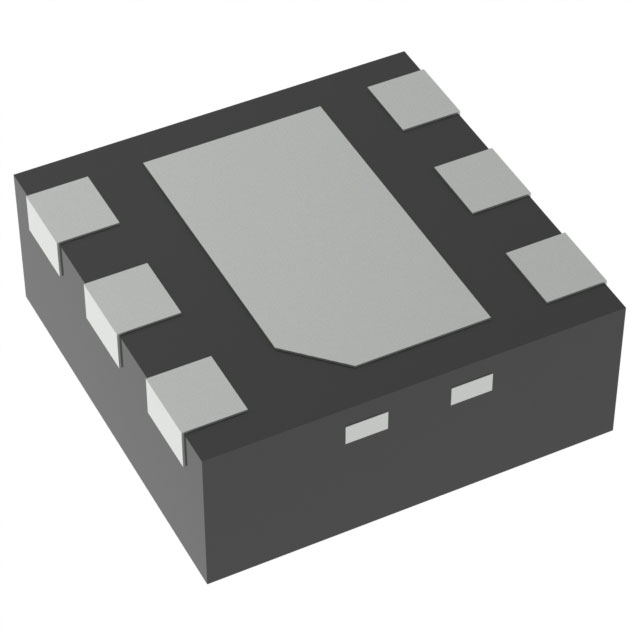 Texas Instruments TPS61040DRVTG4Unknown | Integrated Circuits (ICs) | IC LED DRV RGLTR PWM 350MA 6WSON |
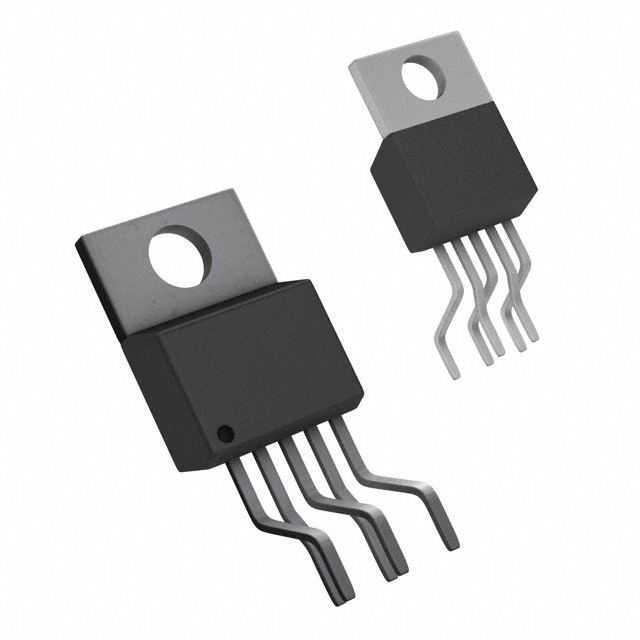 Texas Instruments LP3876ET-2.5Obsolete | Integrated Circuits (ICs) | IC REG LINEAR 2.5V 3A TO220-5 |
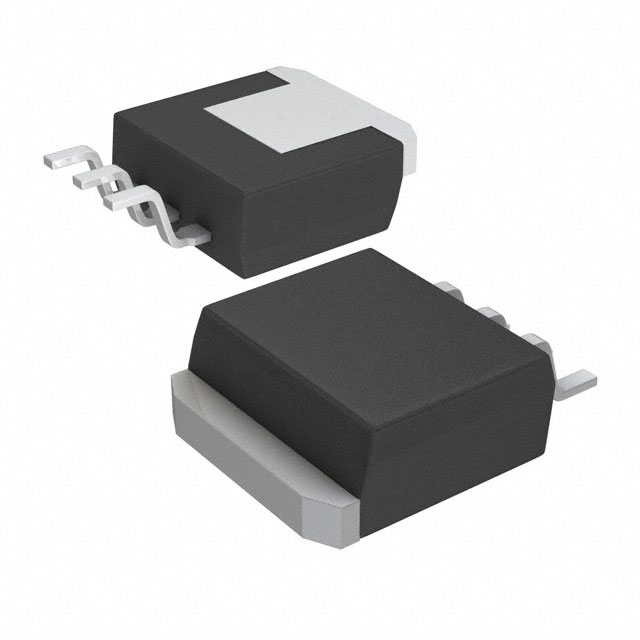 Texas Instruments LMS1585ACSX-ADJObsolete | Integrated Circuits (ICs) | IC REG LIN POS ADJ 5A DDPAK |
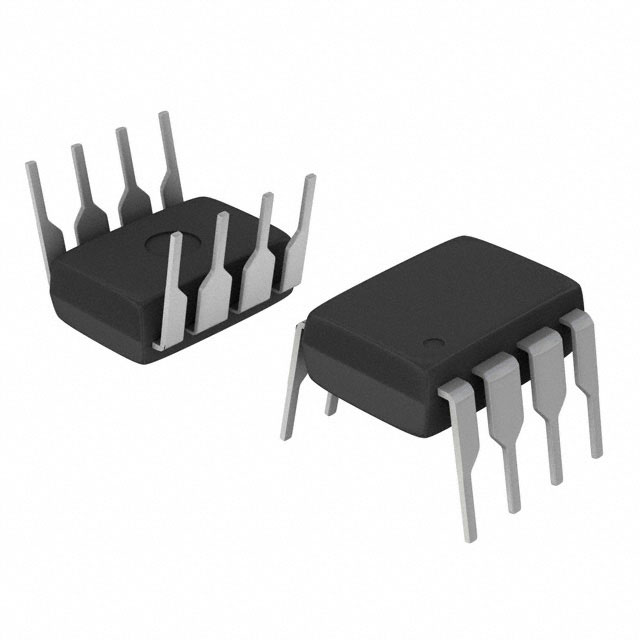 Texas Instruments INA111APG4Obsolete | Integrated Circuits (ICs) | IC INST AMP 1 CIRCUIT 8DIP |
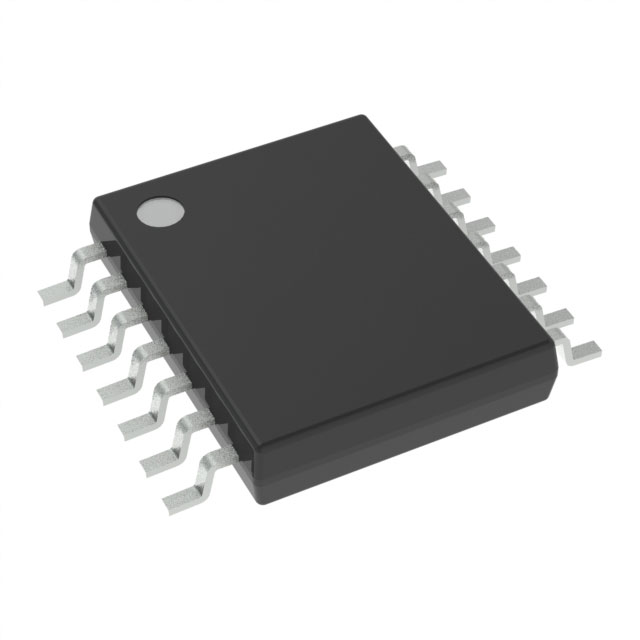 Texas Instruments | Integrated Circuits (ICs) | AUTOMOTIVE, QUAD 36V 1.2MHZ OPERATIONAL AMPLIFIER |
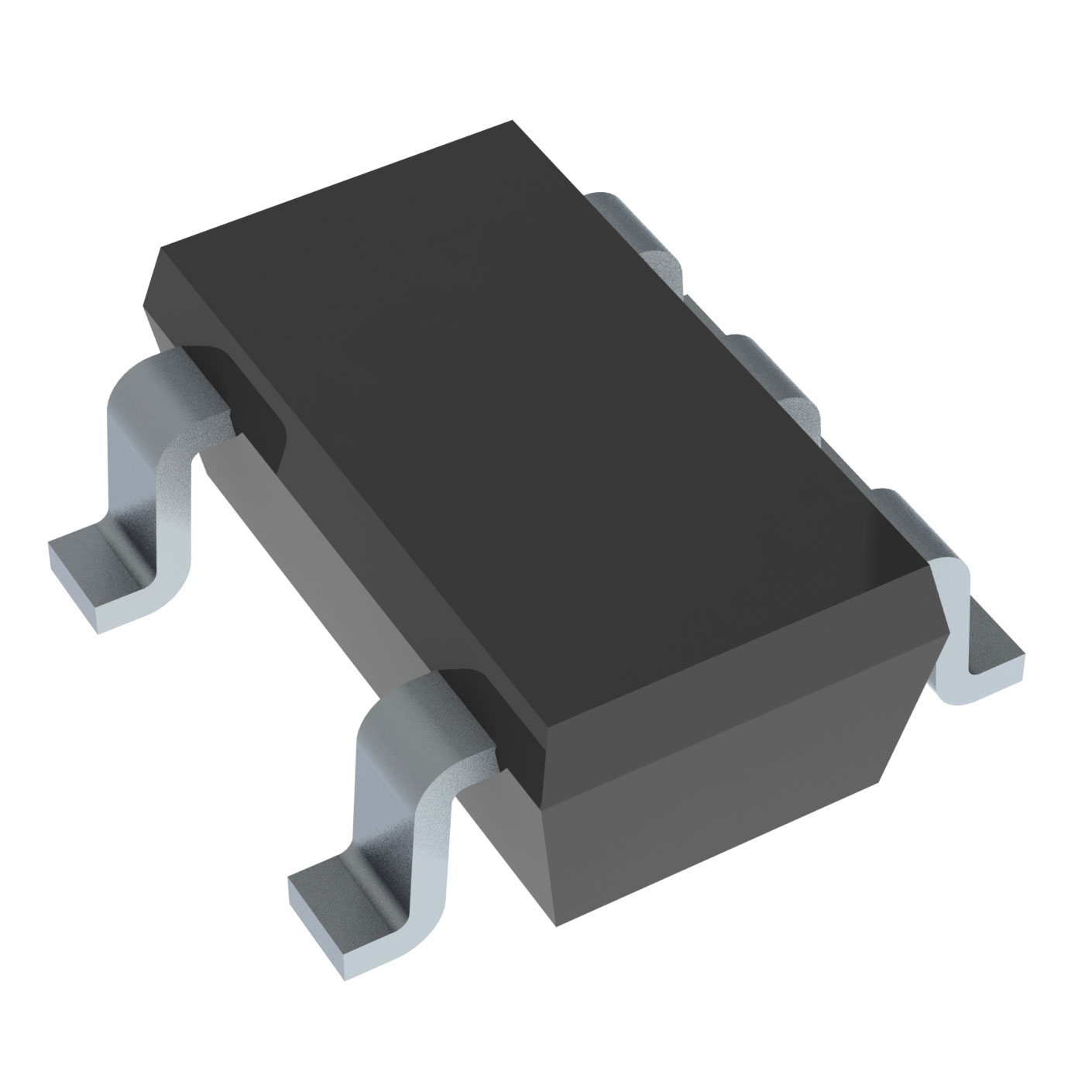 Texas Instruments OPA340NA/3KG4Unknown | Integrated Circuits (ICs) | IC OPAMP GP 1 CIRCUIT SOT23-5 |
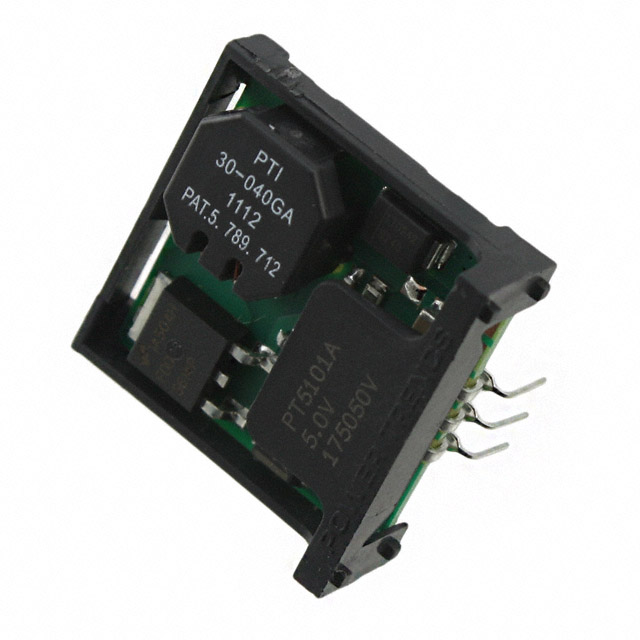 Texas Instruments PT5112AObsolete | Power Supplies - Board Mount | DC DC CONVERTER 8V 8W |