T
Texas Instruments
| Series | Category | # Parts | Status | Description |
|---|---|---|---|---|
| Part | Spec A | Spec B | Spec C | Spec D | Description |
|---|---|---|---|---|---|



| Series | Category | # Parts | Status | Description |
|---|---|---|---|---|
| Part | Spec A | Spec B | Spec C | Spec D | Description |
|---|---|---|---|---|---|
| Part | Category | Description |
|---|---|---|
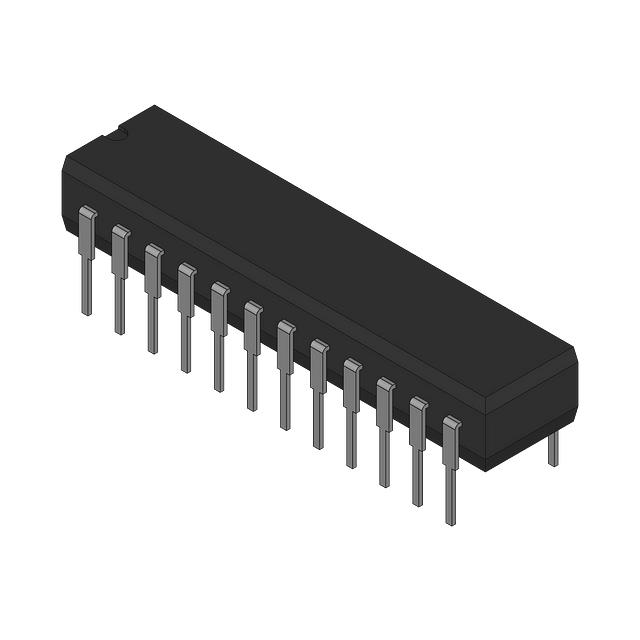 Texas Instruments | Integrated Circuits (ICs) | BUS DRIVER, BCT/FBT SERIES |
 Texas Instruments | Integrated Circuits (ICs) | 12BIT 3.3V~3.6V 210MHZ PARALLEL VQFN-48-EP(7X7) ANALOG TO DIGITAL CONVERTERS (ADC) ROHS |
Texas Instruments | Integrated Circuits (ICs) | TMX320DRE311 179PIN UBGA 200MHZ |
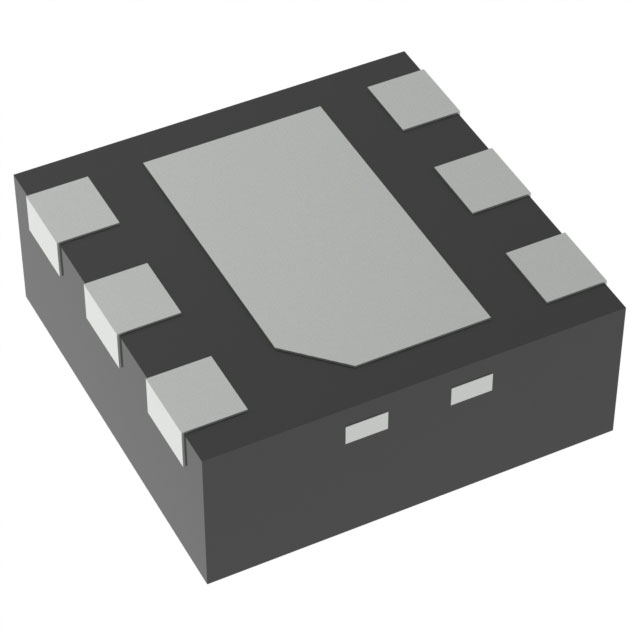 Texas Instruments TPS61040DRVTG4Unknown | Integrated Circuits (ICs) | IC LED DRV RGLTR PWM 350MA 6WSON |
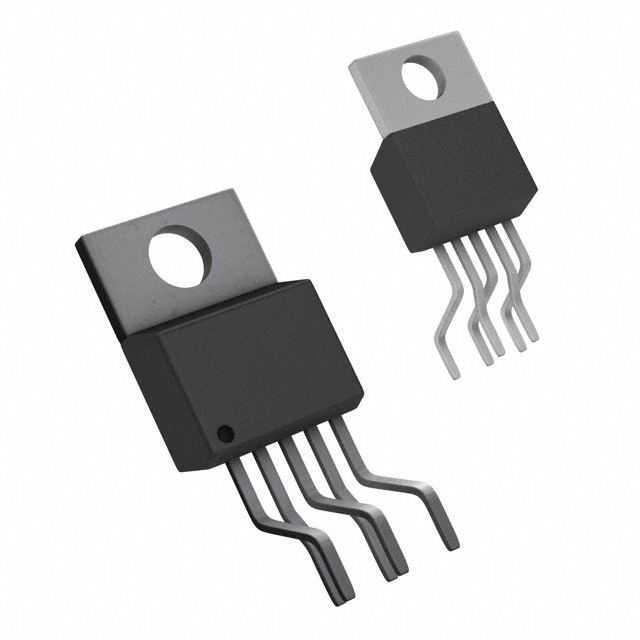 Texas Instruments LP3876ET-2.5Obsolete | Integrated Circuits (ICs) | IC REG LINEAR 2.5V 3A TO220-5 |
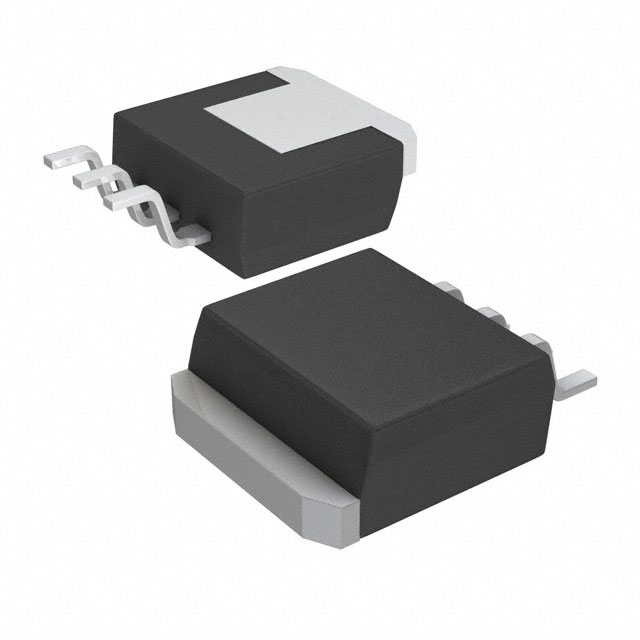 Texas Instruments LMS1585ACSX-ADJObsolete | Integrated Circuits (ICs) | IC REG LIN POS ADJ 5A DDPAK |
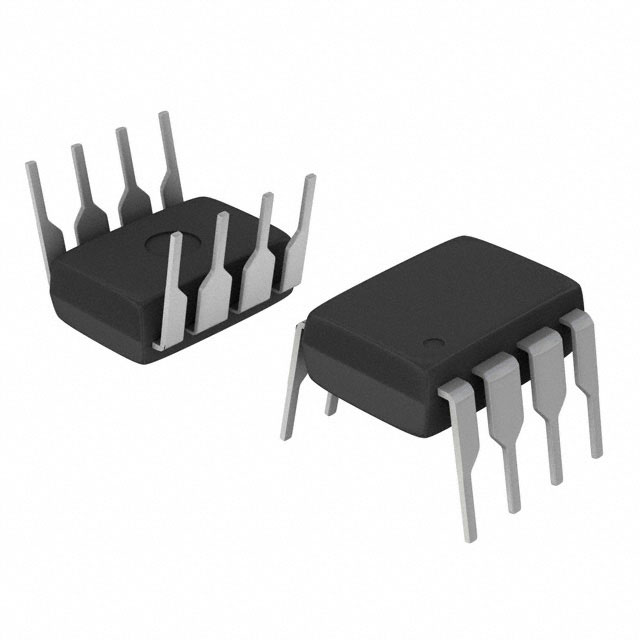 Texas Instruments INA111APG4Obsolete | Integrated Circuits (ICs) | IC INST AMP 1 CIRCUIT 8DIP |
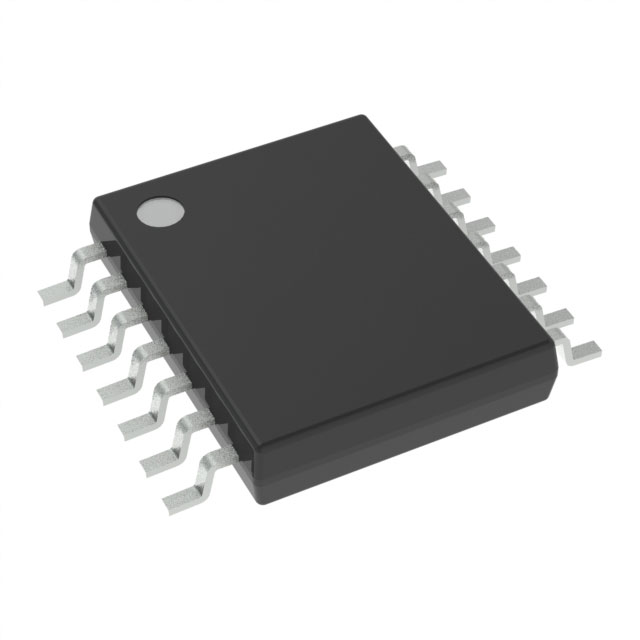 Texas Instruments | Integrated Circuits (ICs) | AUTOMOTIVE, QUAD 36V 1.2MHZ OPERATIONAL AMPLIFIER |
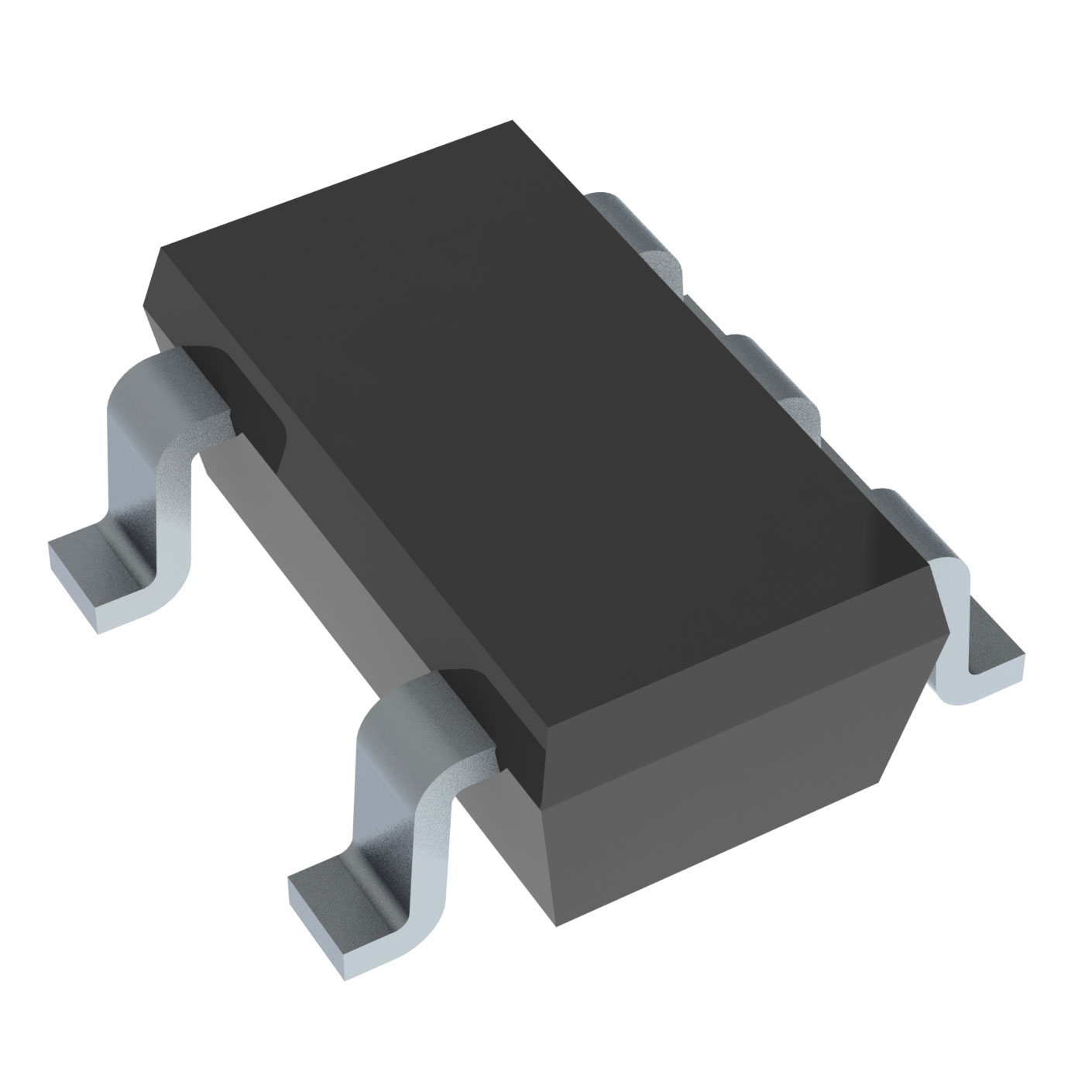 Texas Instruments OPA340NA/3KG4Unknown | Integrated Circuits (ICs) | IC OPAMP GP 1 CIRCUIT SOT23-5 |
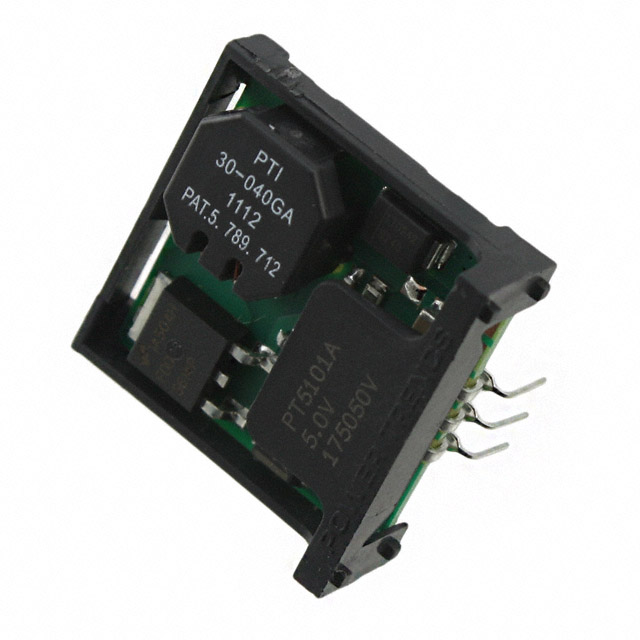 Texas Instruments PT5112AObsolete | Power Supplies - Board Mount | DC DC CONVERTER 8V 8W |
| Series | Category | # Parts | Status | Description |
|---|---|---|---|---|
SN65HVD61ControlNet™ Transceiver | Interface | 1 | Active | The SN65HVD61 is designed to meet the requirements for the driver and receiver circuitry of the ControlNet coaxial-based physical layer.
These devices are single-channel circuits with one transceiver for single node operation or distributed stand-alone applications.
The pull-or-pull transmitter circuit is designed to sink current from a center-tapped transformer, providing galvanic isolation from the shared bus.
These devices incorporate a differential receiver (RX) with the 120 mV sensitivity needed by ControlNet industrial applications.
A secondary receiver (CD) detects the presence of a valid positive differential signal.
The third signal receiver function (SIG) provides a scaled analog output which is proportional to the differential voltage between XF1 and XF3. This output can be used for diagnostic purposes.
The SN65HVD61 is designed to meet the requirements for the driver and receiver circuitry of the ControlNet coaxial-based physical layer.
These devices are single-channel circuits with one transceiver for single node operation or distributed stand-alone applications.
The pull-or-pull transmitter circuit is designed to sink current from a center-tapped transformer, providing galvanic isolation from the shared bus.
These devices incorporate a differential receiver (RX) with the 120 mV sensitivity needed by ControlNet industrial applications.
A secondary receiver (CD) detects the presence of a valid positive differential signal.
The third signal receiver function (SIG) provides a scaled analog output which is proportional to the differential voltage between XF1 and XF3. This output can be used for diagnostic purposes. |
SN65HVD62AISG® 2.0 on and off keying coax modem transceiver | Evaluation and Demonstration Boards and Kits | 3 | Active | These transceivers modulate and demodulate signals between the logic (baseband) and a frequency suitable for long coaxial media.
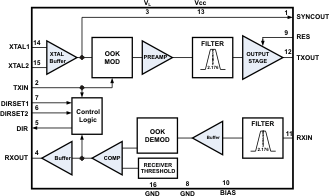
The HVD62 is an integrated AISG transceiver designed to be compliant with Antenna Interface Standards Group v2.0 specification.
The HVD62 receiver integrates an active bandpass filter to enable demodulation of signals even in the presence of spurious frequency components. The filter has a 2.176 MHz center frequency.
The transmitter supports adjustable output power levels varying from +0dBm to +6dBm delivered to the 50 Ω coax cable. The HVD62 transmitter is compliant with the spectrum emission requirement provided by the AISG standard.
A direction control output is provided which facilitates bus arbitration for an RS-485 interface. These devices integrate an oscillator input for a crystal, and also accept standard clock inputs to the oscillator.
These transceivers modulate and demodulate signals between the logic (baseband) and a frequency suitable for long coaxial media.
The HVD62 is an integrated AISG transceiver designed to be compliant with Antenna Interface Standards Group v2.0 specification.
The HVD62 receiver integrates an active bandpass filter to enable demodulation of signals even in the presence of spurious frequency components. The filter has a 2.176 MHz center frequency.
The transmitter supports adjustable output power levels varying from +0dBm to +6dBm delivered to the 50 Ω coax cable. The HVD62 transmitter is compliant with the spectrum emission requirement provided by the AISG standard.
A direction control output is provided which facilitates bus arbitration for an RS-485 interface. These devices integrate an oscillator input for a crystal, and also accept standard clock inputs to the oscillator. |
SN65HVD63AISG® 3.0 on and off keying coax modem transceiver | Drivers, Receivers, Transceivers | 1 | Active | The SN65HVD63 transceiver modulates and demodulates signals between a logic (baseband) interface and a frequency suitable for long coaxial media, to facilitate wired data transfer among radio equipment.
The SN65HVD63 device is an integrated AISG transceiver designed to meet the requirements of the upcoming Antenna Interface Standards Group v3.0 specification.
The SN65HVD63 receiver integrates an active bandpass filter to enable demodulation of signals even in the presence of spurious frequency components. The filter has a 2.176-MHz center frequency.
The transmitter supports adjustable output power levels from 0 dBm to 6 dBm delivered to the 50-Ω coax cable. The SN65HVD63 transmitter is compliant with the spectrum emission requirement provided by the AISG standard.
A direction control output facilitates bus arbitration for an RS-485 interface. This device integrates an oscillator input for a crystal, and also accepts standard clock inputs to the oscillator.
The SN65HVD63 transceiver modulates and demodulates signals between a logic (baseband) interface and a frequency suitable for long coaxial media, to facilitate wired data transfer among radio equipment.
The SN65HVD63 device is an integrated AISG transceiver designed to meet the requirements of the upcoming Antenna Interface Standards Group v3.0 specification.
The SN65HVD63 receiver integrates an active bandpass filter to enable demodulation of signals even in the presence of spurious frequency components. The filter has a 2.176-MHz center frequency.
The transmitter supports adjustable output power levels from 0 dBm to 6 dBm delivered to the 50-Ω coax cable. The SN65HVD63 transmitter is compliant with the spectrum emission requirement provided by the AISG standard.
A direction control output facilitates bus arbitration for an RS-485 interface. This device integrates an oscillator input for a crystal, and also accepts standard clock inputs to the oscillator. |
SN65HVD703.3V, Full-Duplex RS-485, 12kV IEC ESD, 400kbps data rate, w/Enables | Drivers, Receivers, Transceivers | 3 | Active | These devices extend the RS-485 portfolio with a family of full-duplex transceivers with robust 3.3-V drivers and receivers and high levels of ESD protection. The ESD protection includes > ±30-kV HBM and > ±12-kV IEC61000-4-2 contact discharge. The large receiver hysteresis of the SN65HVD7x devices provides immunity to conducted differential noise and the wide operating temperature enables reliability in harsh operating environments. The SN65HVD7x devices are offered in a standard SOIC package as well as in a small-footprint MSOP package.
These devices each combine a differential driver and a differential receiver, which operate from a single 3.3-V power supply. Each driver and receiver has separate input and output pins for full-duplex bus communication designs. These devices all feature a wide common-mode voltage range which makes the devices suitable for multi-point applications over long cable runs.
The SN65HVD71, SN65HVD74, and SN65HVD77 devices are fully enabled with no external enabling pins.
The SN65HVD70, SN65HVD73, and SN65HVD76 devices have active-high driver enables and active-low receiver enables. A low, less than 5-µA standby current can be achieved by disabling both the driver and receiver.
These devices are characterized from –40°C to 125°C.
These devices extend the RS-485 portfolio with a family of full-duplex transceivers with robust 3.3-V drivers and receivers and high levels of ESD protection. The ESD protection includes > ±30-kV HBM and > ±12-kV IEC61000-4-2 contact discharge. The large receiver hysteresis of the SN65HVD7x devices provides immunity to conducted differential noise and the wide operating temperature enables reliability in harsh operating environments. The SN65HVD7x devices are offered in a standard SOIC package as well as in a small-footprint MSOP package.
These devices each combine a differential driver and a differential receiver, which operate from a single 3.3-V power supply. Each driver and receiver has separate input and output pins for full-duplex bus communication designs. These devices all feature a wide common-mode voltage range which makes the devices suitable for multi-point applications over long cable runs.
The SN65HVD71, SN65HVD74, and SN65HVD77 devices are fully enabled with no external enabling pins.
The SN65HVD70, SN65HVD73, and SN65HVD76 devices have active-high driver enables and active-low receiver enables. A low, less than 5-µA standby current can be achieved by disabling both the driver and receiver.
These devices are characterized from –40°C to 125°C. |
SN65HVD713.3V, Full-Duplex RS-485, 12kV IEC ESD, 400kbps data rate, No Enables | Integrated Circuits (ICs) | 3 | Active | These devices extend the RS-485 portfolio with a family of full-duplex transceivers with robust 3.3-V drivers and receivers and high levels of ESD protection. The ESD protection includes > ±30-kV HBM and > ±12-kV IEC61000-4-2 contact discharge. The large receiver hysteresis of the SN65HVD7x devices provides immunity to conducted differential noise and the wide operating temperature enables reliability in harsh operating environments. The SN65HVD7x devices are offered in a standard SOIC package as well as in a small-footprint MSOP package.
These devices each combine a differential driver and a differential receiver, which operate from a single 3.3-V power supply. Each driver and receiver has separate input and output pins for full-duplex bus communication designs. These devices all feature a wide common-mode voltage range which makes the devices suitable for multi-point applications over long cable runs.
The SN65HVD71, SN65HVD74, and SN65HVD77 devices are fully enabled with no external enabling pins.
The SN65HVD70, SN65HVD73, and SN65HVD76 devices have active-high driver enables and active-low receiver enables. A low, less than 5-µA standby current can be achieved by disabling both the driver and receiver.
These devices are characterized from –40°C to 125°C.
These devices extend the RS-485 portfolio with a family of full-duplex transceivers with robust 3.3-V drivers and receivers and high levels of ESD protection. The ESD protection includes > ±30-kV HBM and > ±12-kV IEC61000-4-2 contact discharge. The large receiver hysteresis of the SN65HVD7x devices provides immunity to conducted differential noise and the wide operating temperature enables reliability in harsh operating environments. The SN65HVD7x devices are offered in a standard SOIC package as well as in a small-footprint MSOP package.
These devices each combine a differential driver and a differential receiver, which operate from a single 3.3-V power supply. Each driver and receiver has separate input and output pins for full-duplex bus communication designs. These devices all feature a wide common-mode voltage range which makes the devices suitable for multi-point applications over long cable runs.
The SN65HVD71, SN65HVD74, and SN65HVD77 devices are fully enabled with no external enabling pins.
The SN65HVD70, SN65HVD73, and SN65HVD76 devices have active-high driver enables and active-low receiver enables. A low, less than 5-µA standby current can be achieved by disabling both the driver and receiver.
These devices are characterized from –40°C to 125°C. |
SN65HVD723.3-V half-duplex RS-485 with IEC ESD, 250 kbps | Evaluation Boards | 3 | Active | These devices have robust 3.3-V drivers and receivers in a small package for demanding industrial applications. The bus pins are robust to ESD events with high levels of protection to Human-Body Model and IEC Contact Discharge specifications.
Each of these devices combines a differential driver and a differential receiver which operate from a single 3.3-V power supply. The driver differential outputs and the receiver differential inputs are connected internally to form a bus port suitable for half-duplex (two-wire bus) communication. These devices feature a wide common-mode voltage range making the devices suitable for multi-point applications over long cable runs. These devices are characterized from –40°C to 125°C.
These devices have robust 3.3-V drivers and receivers in a small package for demanding industrial applications. The bus pins are robust to ESD events with high levels of protection to Human-Body Model and IEC Contact Discharge specifications.
Each of these devices combines a differential driver and a differential receiver which operate from a single 3.3-V power supply. The driver differential outputs and the receiver differential inputs are connected internally to form a bus port suitable for half-duplex (two-wire bus) communication. These devices feature a wide common-mode voltage range making the devices suitable for multi-point applications over long cable runs. These devices are characterized from –40°C to 125°C. |
SN65HVD733.3V, Full-Duplex RS-485, 12kV IEC ESD, 20Mbps data rate, w/Enables | Integrated Circuits (ICs) | 2 | Active | These devices extend the RS-485 portfolio with a family of full-duplex transceivers with robust 3.3-V drivers and receivers and high levels of ESD protection. The ESD protection includes > ±30-kV HBM and > ±12-kV IEC61000-4-2 contact discharge. The large receiver hysteresis of the SN65HVD7x devices provides immunity to conducted differential noise and the wide operating temperature enables reliability in harsh operating environments. The SN65HVD7x devices are offered in a standard SOIC package as well as in a small-footprint MSOP package.
These devices each combine a differential driver and a differential receiver, which operate from a single 3.3-V power supply. Each driver and receiver has separate input and output pins for full-duplex bus communication designs. These devices all feature a wide common-mode voltage range which makes the devices suitable for multi-point applications over long cable runs.
The SN65HVD71, SN65HVD74, and SN65HVD77 devices are fully enabled with no external enabling pins.
The SN65HVD70, SN65HVD73, and SN65HVD76 devices have active-high driver enables and active-low receiver enables. A low, less than 5-µA standby current can be achieved by disabling both the driver and receiver.
These devices are characterized from –40°C to 125°C.
These devices extend the RS-485 portfolio with a family of full-duplex transceivers with robust 3.3-V drivers and receivers and high levels of ESD protection. The ESD protection includes > ±30-kV HBM and > ±12-kV IEC61000-4-2 contact discharge. The large receiver hysteresis of the SN65HVD7x devices provides immunity to conducted differential noise and the wide operating temperature enables reliability in harsh operating environments. The SN65HVD7x devices are offered in a standard SOIC package as well as in a small-footprint MSOP package.
These devices each combine a differential driver and a differential receiver, which operate from a single 3.3-V power supply. Each driver and receiver has separate input and output pins for full-duplex bus communication designs. These devices all feature a wide common-mode voltage range which makes the devices suitable for multi-point applications over long cable runs.
The SN65HVD71, SN65HVD74, and SN65HVD77 devices are fully enabled with no external enabling pins.
The SN65HVD70, SN65HVD73, and SN65HVD76 devices have active-high driver enables and active-low receiver enables. A low, less than 5-µA standby current can be achieved by disabling both the driver and receiver.
These devices are characterized from –40°C to 125°C. |
SN65HVD743.3V, Full-Duplex RS-485, 12kV IEC ESD, 20Mbps data rate, No Enables | Drivers, Receivers, Transceivers | 4 | Active | These devices extend the RS-485 portfolio with a family of full-duplex transceivers with robust 3.3-V drivers and receivers and high levels of ESD protection. The ESD protection includes > ±30-kV HBM and > ±12-kV IEC61000-4-2 contact discharge. The large receiver hysteresis of the SN65HVD7x devices provides immunity to conducted differential noise and the wide operating temperature enables reliability in harsh operating environments. The SN65HVD7x devices are offered in a standard SOIC package as well as in a small-footprint MSOP package.
These devices each combine a differential driver and a differential receiver, which operate from a single 3.3-V power supply. Each driver and receiver has separate input and output pins for full-duplex bus communication designs. These devices all feature a wide common-mode voltage range which makes the devices suitable for multi-point applications over long cable runs.
The SN65HVD71, SN65HVD74, and SN65HVD77 devices are fully enabled with no external enabling pins.
The SN65HVD70, SN65HVD73, and SN65HVD76 devices have active-high driver enables and active-low receiver enables. A low, less than 5-µA standby current can be achieved by disabling both the driver and receiver.
These devices are characterized from –40°C to 125°C.
These devices extend the RS-485 portfolio with a family of full-duplex transceivers with robust 3.3-V drivers and receivers and high levels of ESD protection. The ESD protection includes > ±30-kV HBM and > ±12-kV IEC61000-4-2 contact discharge. The large receiver hysteresis of the SN65HVD7x devices provides immunity to conducted differential noise and the wide operating temperature enables reliability in harsh operating environments. The SN65HVD7x devices are offered in a standard SOIC package as well as in a small-footprint MSOP package.
These devices each combine a differential driver and a differential receiver, which operate from a single 3.3-V power supply. Each driver and receiver has separate input and output pins for full-duplex bus communication designs. These devices all feature a wide common-mode voltage range which makes the devices suitable for multi-point applications over long cable runs.
The SN65HVD71, SN65HVD74, and SN65HVD77 devices are fully enabled with no external enabling pins.
The SN65HVD70, SN65HVD73, and SN65HVD76 devices have active-high driver enables and active-low receiver enables. A low, less than 5-µA standby current can be achieved by disabling both the driver and receiver.
These devices are characterized from –40°C to 125°C. |
SN65HVD753.3-V half-duplex RS-485 transceiver with IEC ESD, 20 Mbps | Integrated Circuits (ICs) | 5 | Active | These devices have robust 3.3-V drivers and receivers in a small package for demanding industrial applications. The bus pins are robust to ESD events with high levels of protection to Human-Body Model and IEC Contact Discharge specifications.
Each of these devices combines a differential driver and a differential receiver which operate from a single 3.3-V power supply. The driver differential outputs and the receiver differential inputs are connected internally to form a bus port suitable for half-duplex (two-wire bus) communication. These devices feature a wide common-mode voltage range making the devices suitable for multi-point applications over long cable runs. These devices are characterized from –40°C to 125°C.
These devices have robust 3.3-V drivers and receivers in a small package for demanding industrial applications. The bus pins are robust to ESD events with high levels of protection to Human-Body Model and IEC Contact Discharge specifications.
Each of these devices combines a differential driver and a differential receiver which operate from a single 3.3-V power supply. The driver differential outputs and the receiver differential inputs are connected internally to form a bus port suitable for half-duplex (two-wire bus) communication. These devices feature a wide common-mode voltage range making the devices suitable for multi-point applications over long cable runs. These devices are characterized from –40°C to 125°C. |
SN65HVD763.3V, Full-Duplex RS-485, 12kV IEC ESD, 50Mbps data rate, w/Enables | Interface | 4 | Active | These devices extend the RS-485 portfolio with a family of full-duplex transceivers with robust 3.3-V drivers and receivers and high levels of ESD protection. The ESD protection includes > ±30-kV HBM and > ±12-kV IEC61000-4-2 contact discharge. The large receiver hysteresis of the SN65HVD7x devices provides immunity to conducted differential noise and the wide operating temperature enables reliability in harsh operating environments. The SN65HVD7x devices are offered in a standard SOIC package as well as in a small-footprint MSOP package.
These devices each combine a differential driver and a differential receiver, which operate from a single 3.3-V power supply. Each driver and receiver has separate input and output pins for full-duplex bus communication designs. These devices all feature a wide common-mode voltage range which makes the devices suitable for multi-point applications over long cable runs.
The SN65HVD71, SN65HVD74, and SN65HVD77 devices are fully enabled with no external enabling pins.
The SN65HVD70, SN65HVD73, and SN65HVD76 devices have active-high driver enables and active-low receiver enables. A low, less than 5-µA standby current can be achieved by disabling both the driver and receiver.
These devices are characterized from –40°C to 125°C.
These devices extend the RS-485 portfolio with a family of full-duplex transceivers with robust 3.3-V drivers and receivers and high levels of ESD protection. The ESD protection includes > ±30-kV HBM and > ±12-kV IEC61000-4-2 contact discharge. The large receiver hysteresis of the SN65HVD7x devices provides immunity to conducted differential noise and the wide operating temperature enables reliability in harsh operating environments. The SN65HVD7x devices are offered in a standard SOIC package as well as in a small-footprint MSOP package.
These devices each combine a differential driver and a differential receiver, which operate from a single 3.3-V power supply. Each driver and receiver has separate input and output pins for full-duplex bus communication designs. These devices all feature a wide common-mode voltage range which makes the devices suitable for multi-point applications over long cable runs.
The SN65HVD71, SN65HVD74, and SN65HVD77 devices are fully enabled with no external enabling pins.
The SN65HVD70, SN65HVD73, and SN65HVD76 devices have active-high driver enables and active-low receiver enables. A low, less than 5-µA standby current can be achieved by disabling both the driver and receiver.
These devices are characterized from –40°C to 125°C. |