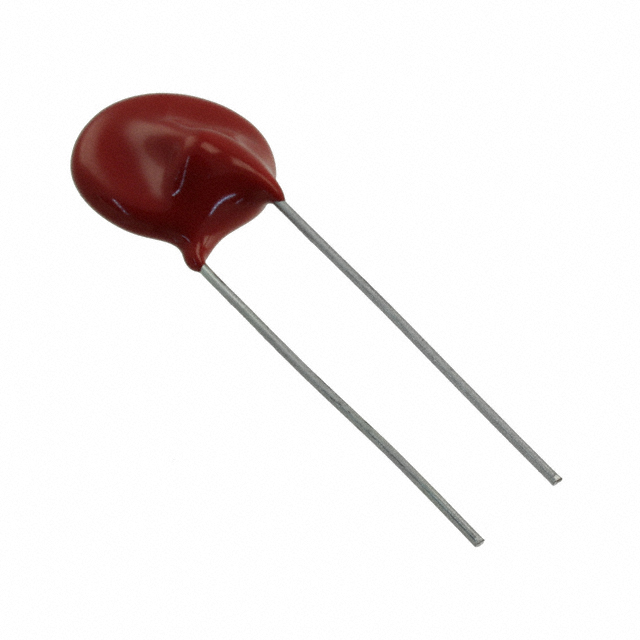
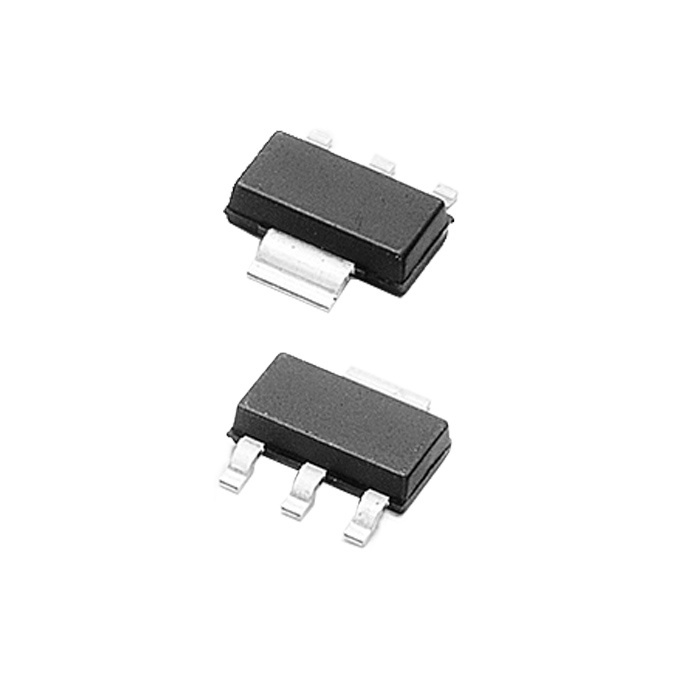
| Thyristors | 1 | Active | The Silicon Controlled Rectifier is designed and tested for repetitive peak operation required for CD ignition, fuel igniters, flash circuits, motor controls and low-power switching applications. |
| Switches | 4 | Active | NanoT series nano size tactile switch is the smallest ever in top actuated and side actuated version. The latest being available in full SMT or PIP for a stronger shear resistance. |
| Pushbutton Switches | 8 | Active | C&K’s NE-18 series of mains/power switches were designed with consumer electronics and audio equipment in mind. Developers choose reliable NE-18 switches for their innovative product designs because of the wide variety of buttons and contact configurations available and the ability to select either a chassis or panel mount. |
| Pushbutton Switches | 18 | Active | C&K’s NP series of sealed industrial pushbutton switches are perfect for use in transportation and industrial applications, because of their long life cycles and resistance to harsh environments. NP switches are available in a variety of housing styles, are IP68 sealed and RoHS compliant, are capable of up to a 5A resistive load – and come with wirelead options available. |
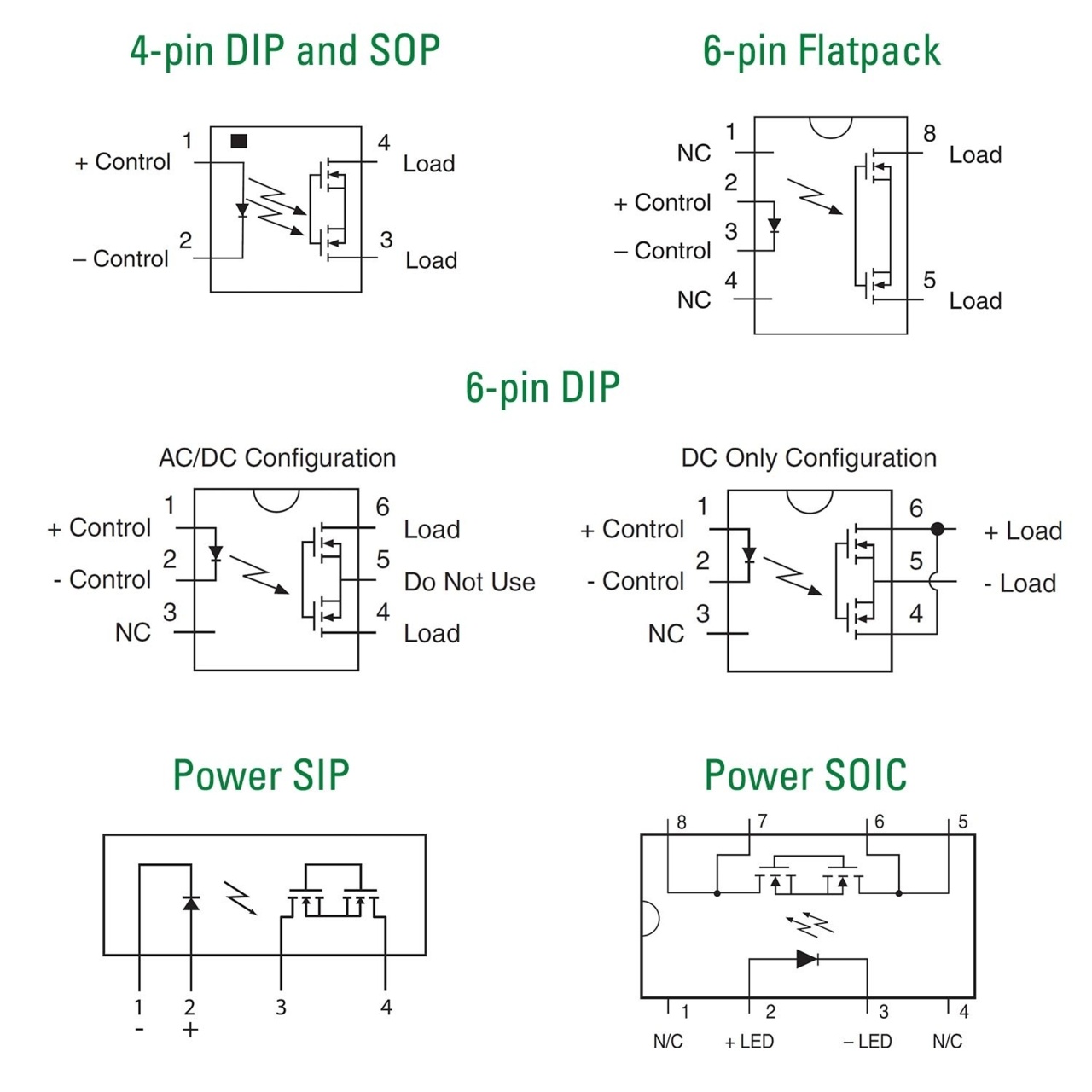
OAA1602 FORM A OPTICALLY COUPLED MOSFET ISPL | Relays | 3 | Active | The OptoMOS® line of solid state relays uses discrete semiconductor components and the patented OptoMOS® architecture to deliver fast, reliable, bounce-free switching in a compact design. From small single-pole, 4-pin relays to multi-pole and multi-function devices, OptoMOS® products are an ideal solid state replacement for larger reed and electromechanical relays. Compared to these old electromagnetic technologies, our OptoMOS® relays offer significantly lower drive current, small package size, no susceptibility to magnetic interaction, and solid state reliability. All of these are key requirements for the design of today's complex, low-power, multi-channel products. The small 4-pin SOP relays combine our state-of-the-art double-molded, vertical-construction packaging with high performance to give you a reliable product with up to 20% savings in board space compared to other 4-pin SOP products. The dual-pole OptoMOS® relays combine two independent relays into a single 8-pin package, paving the way for designers to condense more functionality into a single component. |
OMA1601-FORM-A OPTICALLY COUPLED MOSFET ISPL | Relays | 1 | Active | The OptoMOS® line of solid state relays uses discrete semiconductor components and the patented OptoMOS® architecture to deliver fast, reliable, bounce-free switching in a compact design. From small single-pole, 4-pin relays to multi-pole and multi-function devices, OptoMOS® products are an ideal solid state replacement for larger reed and electromechanical relays. Compared to these old electromagnetic technologies, our OptoMOS® relays offer significantly lower drive current, small package size, no susceptibility to magnetic interaction, and solid state reliability. All of these are key requirements for the design of today's complex, low-power, multi-channel products. The small 4-pin SOP relays combine our state-of-the-art double-molded, vertical-construction packaging with high performance to give you a reliable product with up to 20% savings in board space compared to other 4-pin SOP products. The dual-pole OptoMOS® relays combine two independent relays into a single 8-pin package, paving the way for designers to condense more functionality into a single component. |
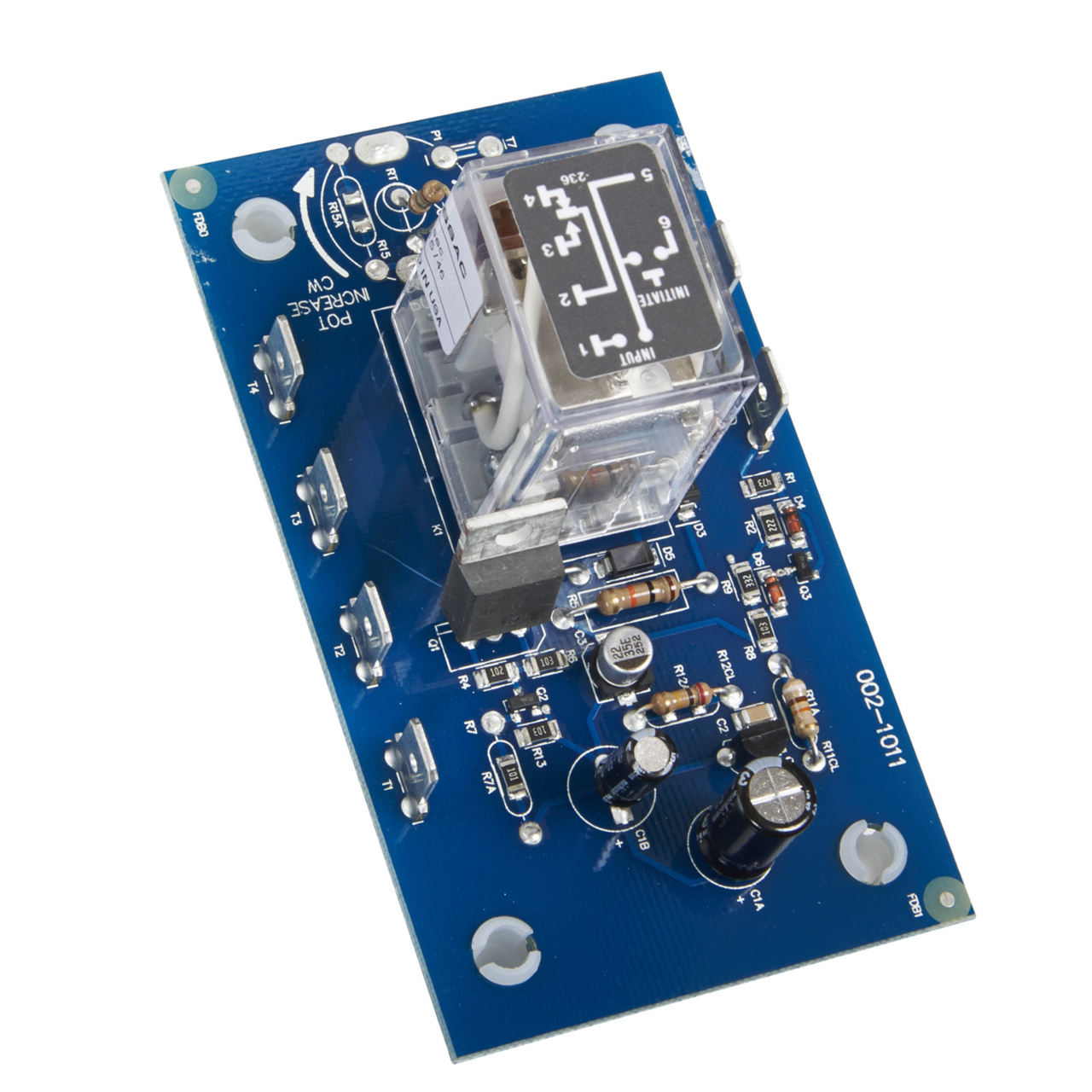
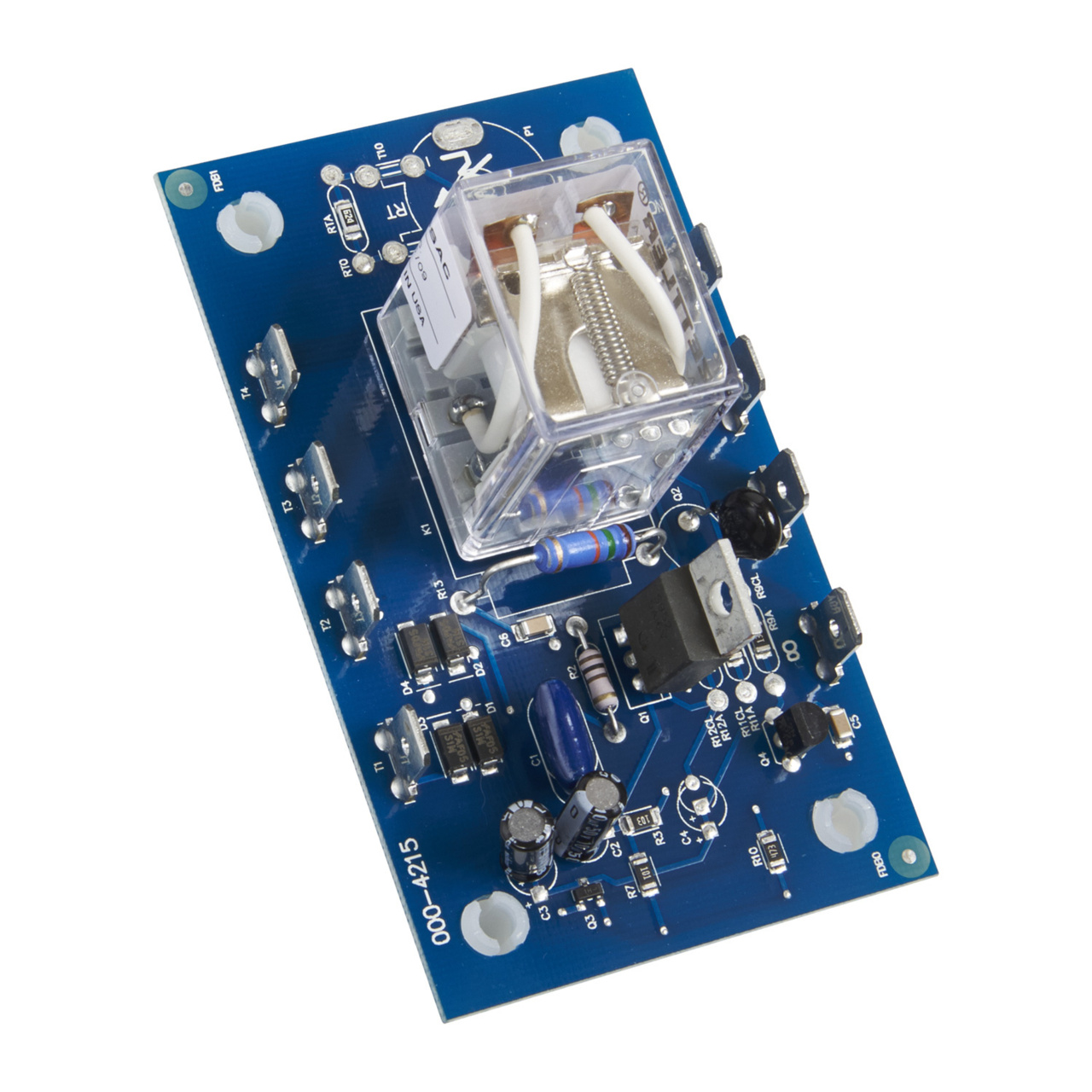
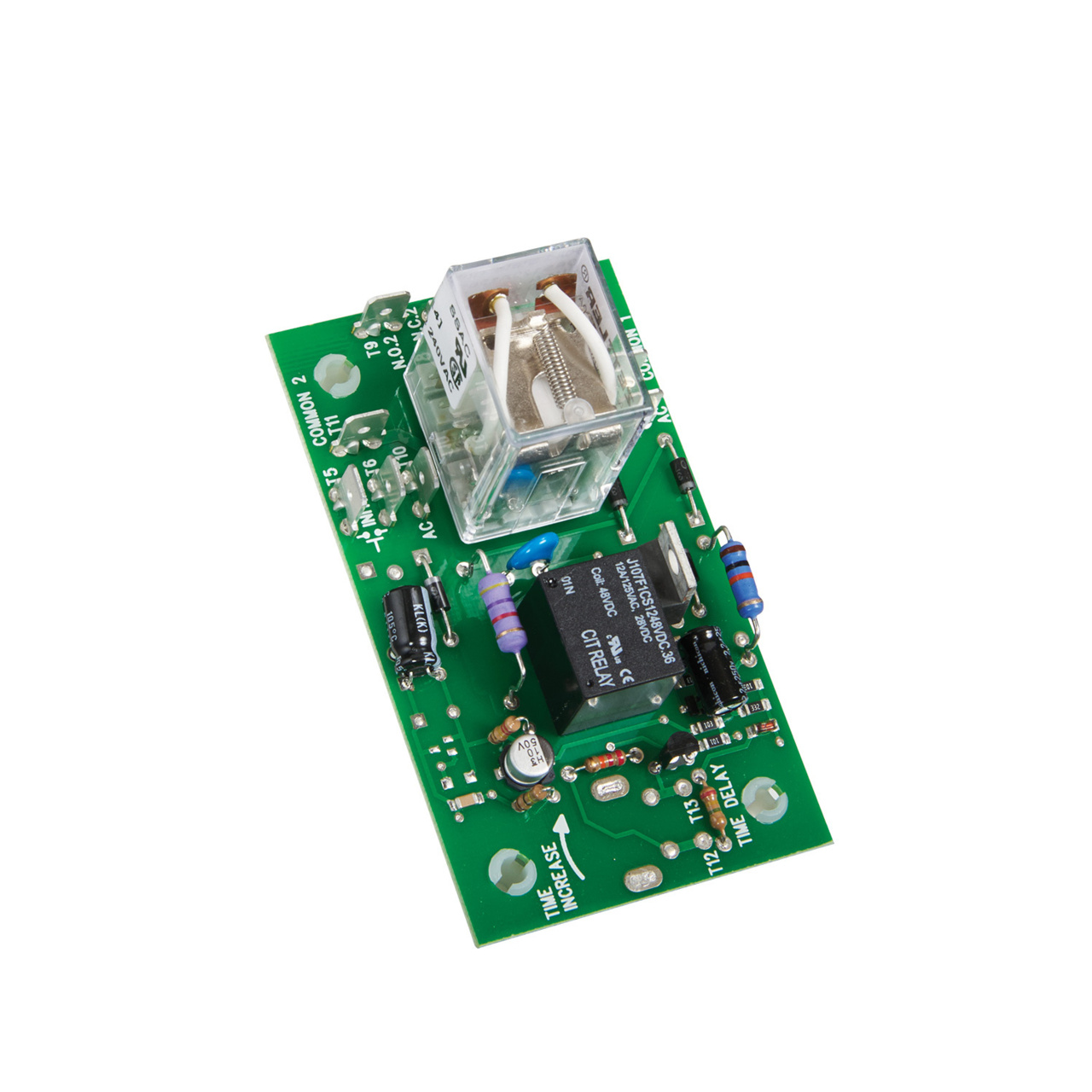
| Industrial Automation and Controls | 2 | Active | The ORB Series open PCB construction offers the user good economy without sacrificing performance and reliability. The output relay is available in isolated, 10A, DPDT or SPDT forms. The time delay may be ordered as factory fixed, onboard knob, or external adjustment. All connections are 0.25 in. (6.35 mm) male quick connect terminals. Operation (Delay-on-Break) Input voltage must be applied before and during timing. Upon closure of the initiate switch, the output relay energizes. The time delay begins when the initiate switch is opened (trailing edge triggered). The output remains energized during timing. At the end of the time delay, the output de-energizes. The output will energize if the initiate switch is closed when input voltage is applied.Reset: Reclosing the initiate switch during timing resets the time delay. Loss of input voltage resets the time delay and output. |
| Industrial Automation and Controls | 2 | Active | The ORB Series open PCB construction offers the user good economy without sacrificing performance and reliability. The output relay is available in isolated, 10A, DPDT or SPDT forms. The time delay may be ordered as factory fixed, onboard knob, or external adjustment. All connections are 0.25 in. (6.35 mm) male quick connect terminals. Operation (Delay-on-Break) Input voltage must be applied before and during timing. Upon closure of the initiate switch, the output relay energizes. The time delay begins when the initiate switch is opened (trailing edge triggered). The output remains energized during timing. At the end of the time delay, the output de-energizes. The output will energize if the initiate switch is closed when input voltage is applied.Reset: Reclosing the initiate switch during timing resets the time delay. Loss of input voltage resets the time delay and output. |
| Industrial Automation and Controls | 1 | Active | The ORM Series features open PC board construction for reduced cost. It has isolated, 10A, DPDT relay contacts and all connections are 0.25 in (6.35 mm) male quick connect terminals. The time delay may be ordered as factory fixed, onboard knob, or external adjustment. Time delays from 0.05 - 300 seconds. Operation (Delay-on-Make) Upon application of input voltage, the time delay begins. The output is de-energized before and during the time delay. At the end of the time delay, the output energizes and remains energized until voltage is removed.Reset: Removing input voltage resets the time delay and output. |
| Time Delay Relays | 1 | Active | The ORS Series’ open PCB construction offers the user good economy without sacrificing performance and reliability. The output relay is available in isolated, 10A, DPDT or SPDT forms. The time delay may be ordered as factory fixed, onboard knob, or external adjustment. All connections are 0.25 in. (6.35 mm) male quick connect terminals. Operation (Single Shot) Input voltage must be applied before and during timing. Upon momentary or maintained closure of the initiate switch (leading edge triggered), the output relay energizes for a measured interval of time. At the end of the time delay, the output de-energizes. Opening or reclosing the initiate switch during timing has no affect on the time delay. The output will energize if the initiate switch is closed when input voltage is applied.Reset: Reset occurs when the time delay is complete and the initiate switch is opened. Loss of input voltage resets the time delay and output. |