A
Analog Devices
| Series | Category | # Parts | Status | Description |
|---|---|---|---|---|
| Part | Spec A | Spec B | Spec C | Spec D | Description |
|---|---|---|---|---|---|



| Series | Category | # Parts | Status | Description |
|---|---|---|---|---|
| Part | Spec A | Spec B | Spec C | Spec D | Description |
|---|---|---|---|---|---|
| Part | Category | Description |
|---|---|---|
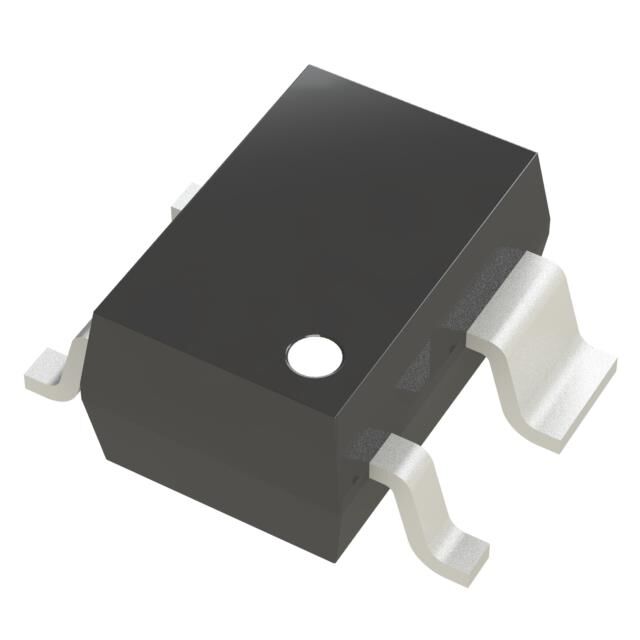 Analog Devices ADM6713RAKSZ-REELObsolete | Integrated Circuits (ICs) | IC SUPERVISOR 1 CHANNEL SC70-4 |
Analog Devices | RF and Wireless | RF AMP SINGLE GENERAL PURPOSE RF AMPLIFIER 20GHZ 3.6V 22-PIN DIE TRAY |
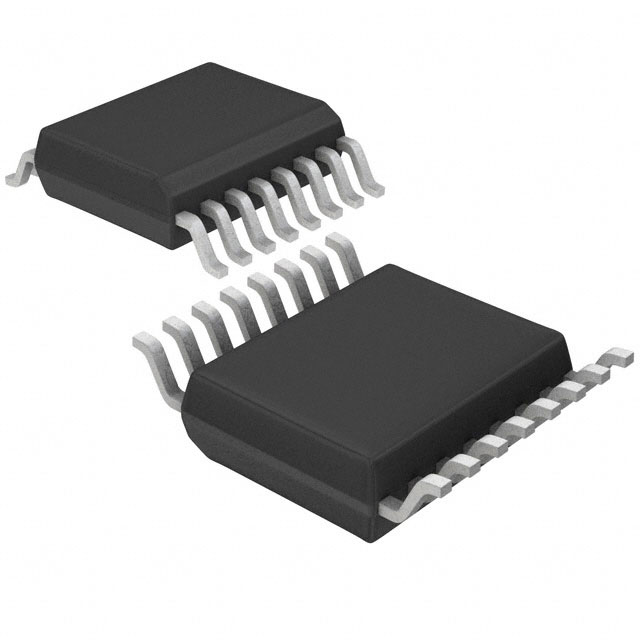 Analog Devices | Integrated Circuits (ICs) | LOW NOISE, SWITCHED CAPACITOR REGULATED VOLTAGE INVERTERS |
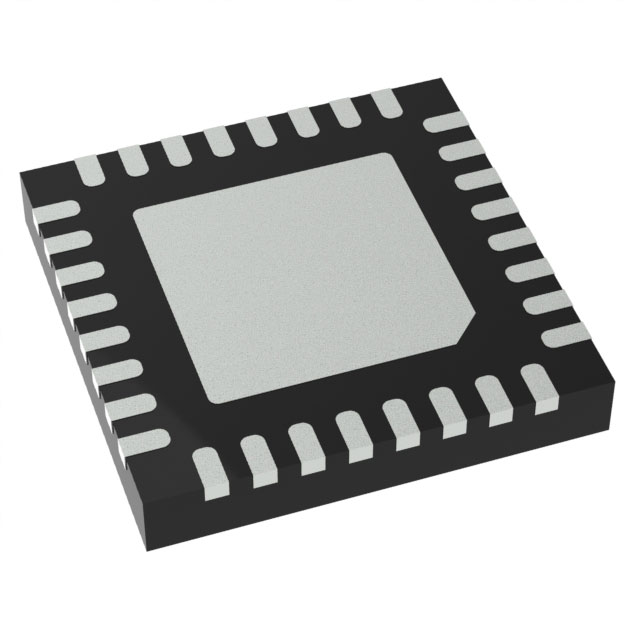 Analog Devices | Integrated Circuits (ICs) | QUAD 16-BIT/12-BIT ±10V VOUTSOFTSPAN DACS WITH 10PPM/°C MAX REFERENCE |
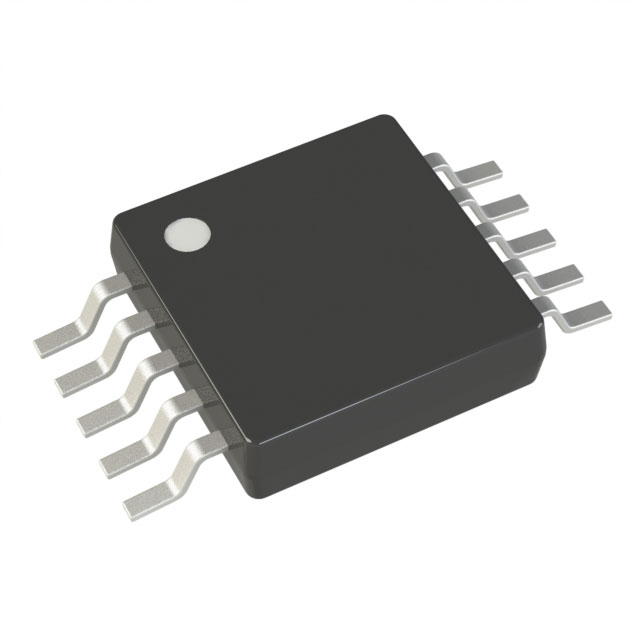 Analog Devices | Integrated Circuits (ICs) | SERIAL 14-BIT, 3.5MSPS SAMPLING ADC WITH BIPOLAR INPUTS |
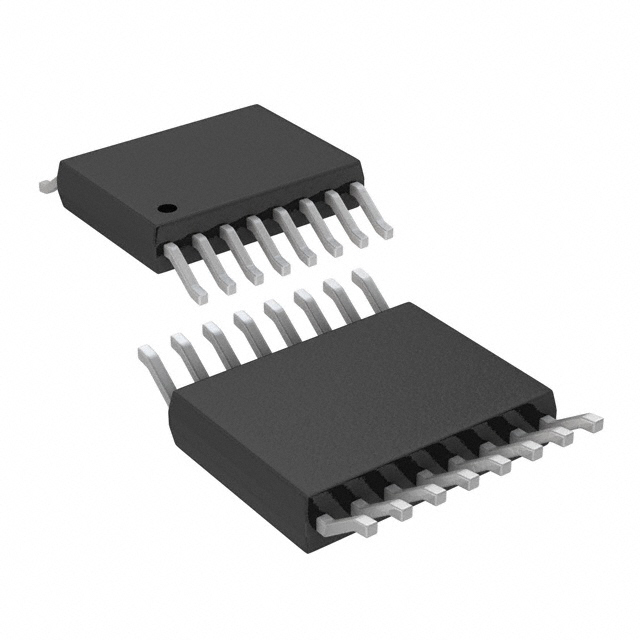 Analog Devices | Integrated Circuits (ICs) | ISOSPI ISOLATED COMMUNICATIONS INTERFACE |
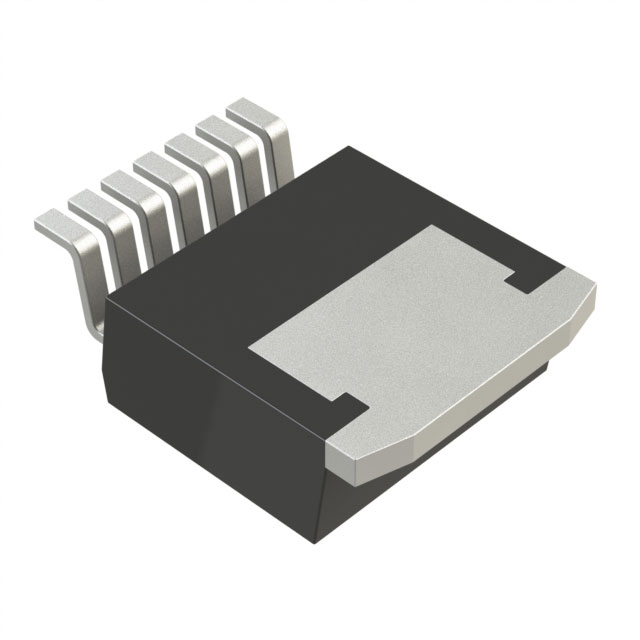 Analog Devices | Integrated Circuits (ICs) | 4.5A, 500KHZ STEP-DOWN SWITCHING REGULATOR |
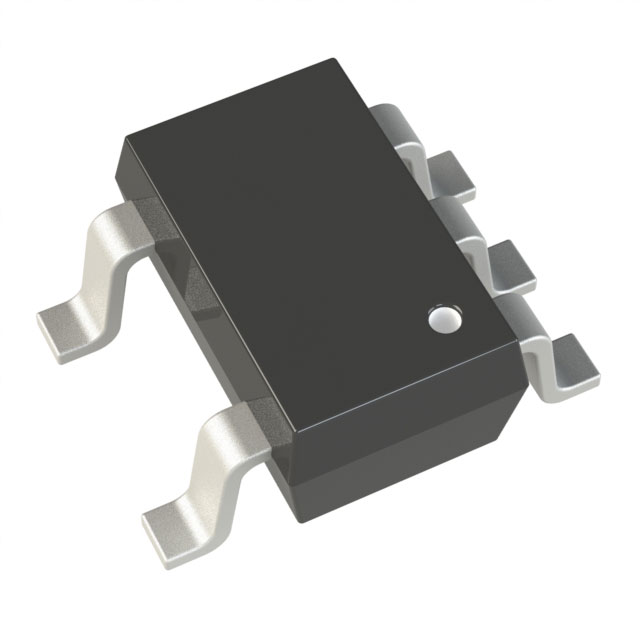 Analog Devices | Integrated Circuits (ICs) | 300 MA, LOW QUIESCENT CURRENT, ADJUSTABLE OUTPUT, CMOS LINEAR REGULATOR |
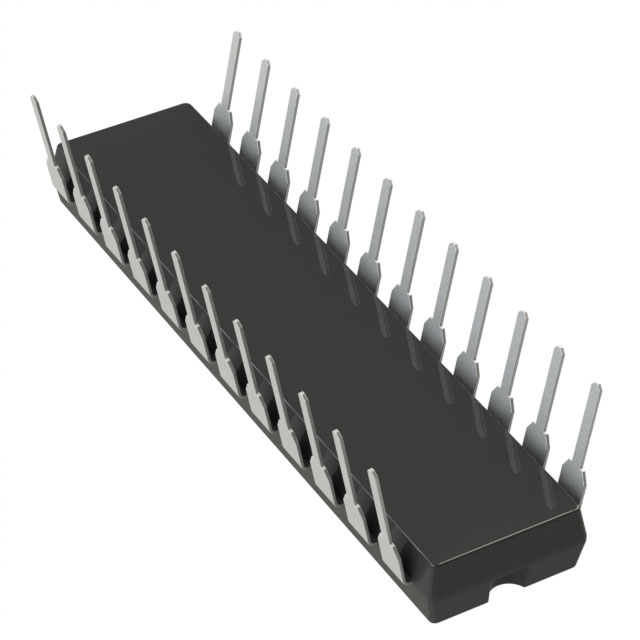 Analog Devices AD767KNObsolete | Integrated Circuits (ICs) | IC DAC 12BIT V-OUT 24DIP |
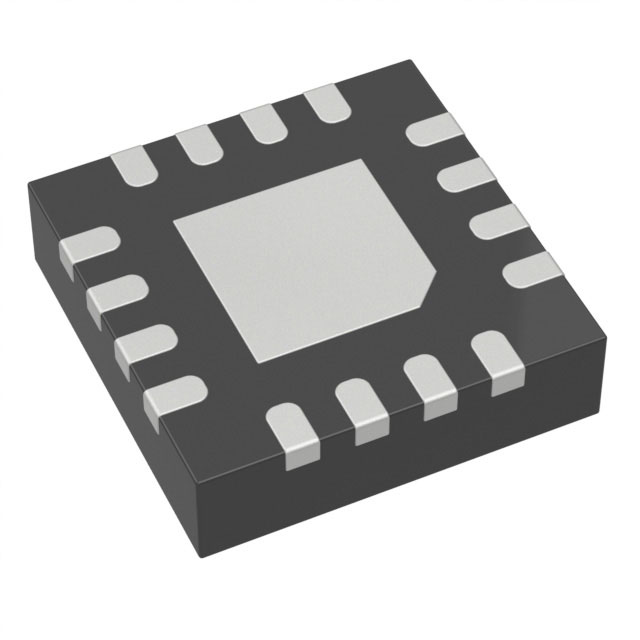 Analog Devices | Integrated Circuits (ICs) | QUAD 12-/10-/8-BIT RAIL-TO-RAIL DACS WITH 10PPM/°C REFERENCE |
| Series | Category | # Parts | Status | Description |
|---|---|---|---|---|
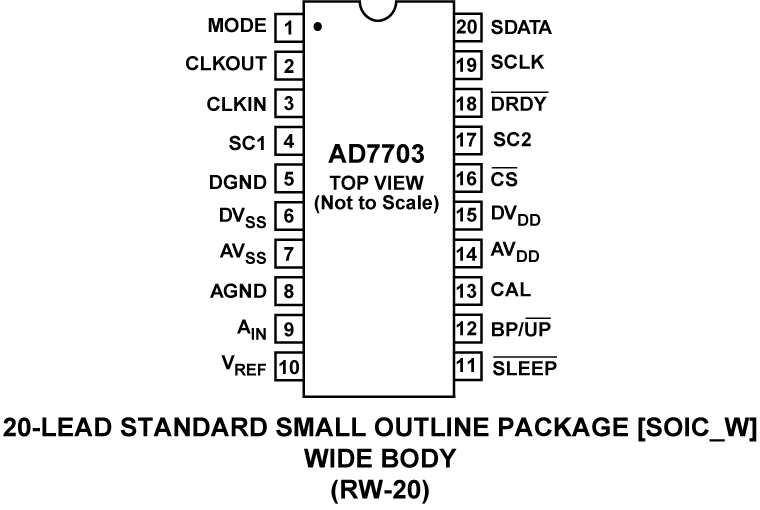
AD770320-Bit A/D Converter | Integrated Circuits (ICs) | 6 | Active | The AD7703 is a 20-bit ADC that uses a Σ-Δ conversion technique. The analog input is continuously sampled by an analog modulator whose mean output duty cycle is proportional to the input signal. The modulator output is processed by an on-chip digital filter with a six-pole Gaussian response, which updates the output data register with 16-bit binary words at word rates up to 4 kHz. The sampling rate, filter corner frequency, and output word rate are set by a master clock input that may be supplied externally, or by a crystal controlled on-chip clock oscillator.The inherent linearity of the ADC is excellent and endpoint accuracy is ensured by self-calibration of zero and full scale, which may be initiated at any time. The self-calibration scheme can also be extended to null system offset and gain errors in the input channel.The output data is accessed through a flexible serial port, which has an asynchronous mode compatible with UARTs and two synchronous modes suitable for interfacing to shift registers or the serial ports of industry-standard microcontrollers.CMOS construction ensures low power dissipation, and a power-down mode reduces the idle power consumption to only 10 µW.PRODUCT HIGHLIGHTSThe AD7703 offers 20-bit resolution coupled with outstanding 0.0003% accuracy.No missing codes ensures true, usable, 20-bit dynamic range, removing the need for programmable gain and level-setting circuitry.The effects of temperature drift are eliminated by on-chip self-calibration, which removes zero and gain error. External circuits can also be included in the calibration loop to remove system offsets and gain errors.Flexible synchronous/asynchronous interface allows the AD7703 to interface directly to the serial ports of industry-standard microcontrollers and DSP processors.Low operating power consumption and an ultralow power standby mode make the AD7703 ideal for loop-powered remote sensing applications, or battery-powered portable instruments.APPLICATIONSIndustrial Process ControlWeigh ScalesPortable InstrumentationRemote Data Acquisition |
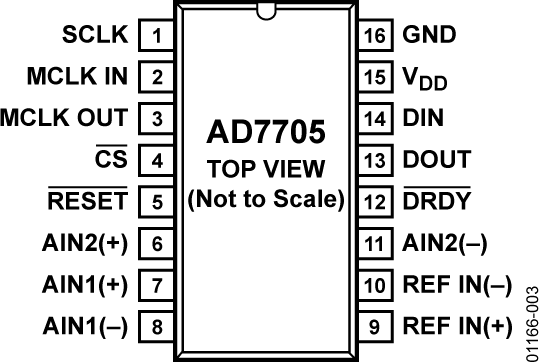
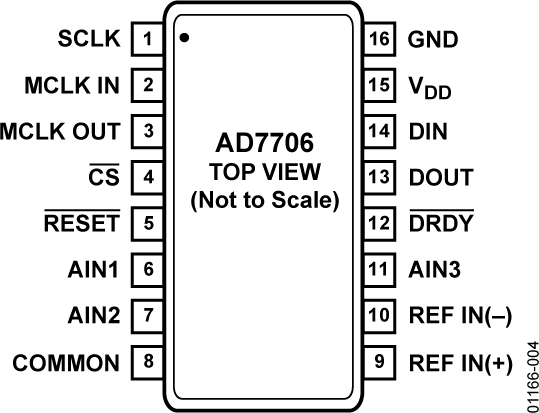
AD77053V/5V, 1 mW, 2-Channel Differential, 16-Bit Sigma-Delta ADC | Analog to Digital Converters (ADC) | 6 | Active | The AD7705 /AD7706are complete analog front ends for low frequency measurement applications. These 2-/3-channel devices can accept low level input signals directly from a transducer and produce serial digital output. The devices employ a Σ-Δ conversion technique to realize up to 16 bits of no missing codes performance. The selected input signal is applied to a proprietary, programmable-gain front end based around an analog modulator. The modulator output is processed by an on-chip digital filter. The first notch of this digital filter can be programmed via an on-chip control register, allowing adjustment of the filter cutoff and output update rate.The AD7705 / AD7706 devices operate from a single 2.7 V to 3.3 V or 4.75 V to 5.25 V supply. The AD7705 features two fully differential analog input channels; the AD7706 features three pseudo differential input channels.Both devices feature a differential reference input. Input signal ranges of 0 mV to 20 mV through 0 V to 2.5 V can be incorporated on both devices when operating with a VDDof 5 V and a reference of 2.5 V. They can also handle bipolar input signal ranges of ±20 mV through ±2.5 V, which are referenced to the AIN(−) inputs on the AD7705 and to the COMMON input on the AD7706.The AD7705 / AD7706 devices, with a 3 V supply and a 1.225 V reference, can handle unipolar input signal ranges of 0 mV to 10 mV through 0 V to 1.225 V. The devices can accept bipolar input ranges of ±10 mV through ±1.225 V. Therefore, the AD7705 / AD7706 devices perform all signal conditioning and conversion for a 2-channel or 3-channel system.The AD7705 / AD7706 are ideal for use in smart, microcontroller, or DSP-based systems. The devices feature a serial interface that can be configured for 3-wire operation. Gain settings, signal polarity, and update rate selection can be configured in software using the input serial port. The parts contains self-calibration and system calibration options to eliminate gain and offset errors on the part itself or in the system. CMOS construction ensures very low power dissipation, and the power-down mode reduces the standby power consumption to 20 μW typ.These parts are available in a 16-lead, wide body (0.3 inch), plastic dual in-line package (DIP); a 16-lead, wide body (0.3 inch), standard small outline (SOIC) package; and a low profile, 16-lead, thin shrink small outline package (TSSOP). |
| Analog to Digital Converters (ADC) | 7 | Active | ||
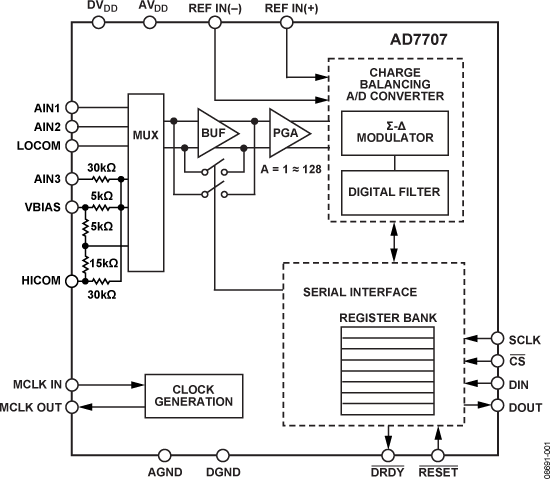
AD77073 V/5 V, ±10 V Input Range, 1 mW 3-Channel 16-Bit, Sigma-Delta ADC | Analog to Digital Converters (ADC) | 5 | Active | The AD7707 is a complete analog front end for low frequency measurement applications. This 3-channel device can accept either low level input signals directly from a transducer or high level (±10 V) signals and produce a serial digital output. It employs a Σ-Δ conversion technique to realize up to 16 bits of no missing codes performance. The selected input signal is applied to a proprietary programmable gain front end based around an analog modulator. The modulator output is processed by an on-chip digital filter. The first notch of this digital filter can be programmed via an on-chip control register allowing adjustment of the filter cutoff and output update rate.The AD7707 operates from a single 2.7 V to 3.3 V or 4.75 V to 5.25 V supply. The AD7707 features two low level pseudo differential analog input channels, one high level input channel and a differential reference input. Input signal ranges of 0 mV to 20 mV through 0 V to 2.5 V can be accommodated on both low level input channels when operating with a VDD of 5 V and a reference of 2.5 V. They can also handle bipolar input signal ranges of ±20 mV through ±2.5 V, which are referenced to the LCOM input. The AD7707, with a 3 V supply and a 1.225 V reference, can handle unipolar input signal ranges of 0 mV to 10 mV through 0 V to 1.225 V. Its bipolar input signal ranges are ±10 mV through ±1.225 V. The high level input channel can accept input signal ranges of ±10 V, ±5 V, 0 V to 10 V and 0 V to 5 V. The AD7707 thus performs all signal conditioning and conversion for a 3-channel system.The AD7707 is ideal for use in smart, microcontroller or DSP- based systems. It features a serial interface that can be configured for 3-wire operation. Gain settings, signal polarity and update rate selection can be configured in software using the input serial port. The part contains self-calibration and system calibration options to eliminate gain and offset errors on the part itself or in the system.CMOS construction ensures very low power dissipation, and the power-down mode reduces the standby power consumption to 20 μW typical. This part is available in a 20-lead wide body (0.3 inch) small outline (SOIC) package and a low profile 20-lead TSSOP.PRODUCT HIGHLIGHTSThe AD7707 consumes less than 1 mW at 3 V supplies and 1 MHz master clock, making it ideal for use in low power systems. Standby current is less than 8 μA.On-chip thin-film resistors allow ±10 V, ±5 V, 0 V to 10 V, and 0 V to 5 V high level input signals to be directly accommodated on the analog inputs without requiring split supplies or charge-pumps.The low level input channels allow the AD7707 to accept input signals directly from a strain gage or transducer removing a considerable amount of signal conditioning.The part features excellent static performance specifications with 16 bits, no missing codes, ±0.003% accuracy, and low rms noise. Endpoint errors and the effects of temperature drift are eliminated by on-chip calibration options, which remove zero-scale and full-scale errors. |
| Integrated Circuits (ICs) | 5 | Active | ||
| Data Acquisition | 5 | Active | ||
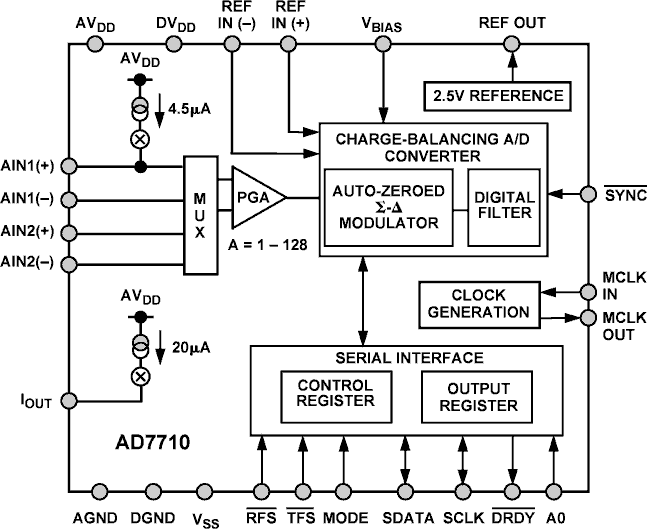
AD7710CMOS, 24-Bit Signal Conditioning ADC with Current Source | Integrated Circuits (ICs) | 4 | Active | The AD7710 is a complete analog front end for low frequency measurement applications. The device accepts low level signals directly from a strain gage or transducer and outputs a serial digital word. It employs a sigma-delta conversion technique to realize up to 24 bits of no missing codes performance. The input signal is applied to a proprietary programmable gain front end based around an analog modulator. The modulator output is processed by an on-chip digital filter. The first notch of this digital filter can be programmed via the on-chip control register allowing adjustment of the filter cutoff and settling time.The part features two differential analog inputs and a differential reference input. Normally, one of the channels will be used as the main channel with the second channel used as an auxiliary input to periodically measure a second voltage. It can be operated from a single supply (by tying the VSSpin to AGND) provided that the input signals on the analog inputs are more positive than -30 mV. By taking the VSSpin negative, the part can convert signals down to -VREFon its inputs. The AD7710 thus performs all signal conditioning and conversion for a single or dual channel system.The AD7710 is ideal for use in smart, microcontroller based systems. Input channel selection, gain settings and signal polarity can be configured in software using the bidirectional serial port. The AD7710 contains self-calibration, system calibration and background calibration options and also allows the user to read and write the on-chip calibration registers.CMOS construction ensures low power dissipation and a software programmable power down mode reduces the standby power consumption to only 7 mW typical. The part is available in a 24-pin, 0.3 inch-wide, plastic and hermetic dual-in-line package (DIP) as well as a 24-lead small outline (SOIC) package.PRODUCT HIGHLIGHTSThe programmable gain front end allows the AD7710 to accept input signals directly from a strain gage or transducer, removing a considerable amount of signal conditioning.The AD7710 is ideal for microcontroller or DSP processor applications with an on-chip control register that allows control over filter cutoff, input gain, channel selection, signal polarity, and calibration modes.The AD7710 allows the user to read and write the on-chip calibration registers. This means that the microcontroller has much greater control over the calibration procedure.No missing codes ensures true, usable, 23-bit dynamic range coupled with excellent ±0.0015% accuracy. The effects of temperature drift are eliminated by on-chip self-calibration, which removes zero-scale and full-scale errors.APPLICATIONSWeigh ScalesThermocouplesProcess ControlSmart TransmittersChromatography |
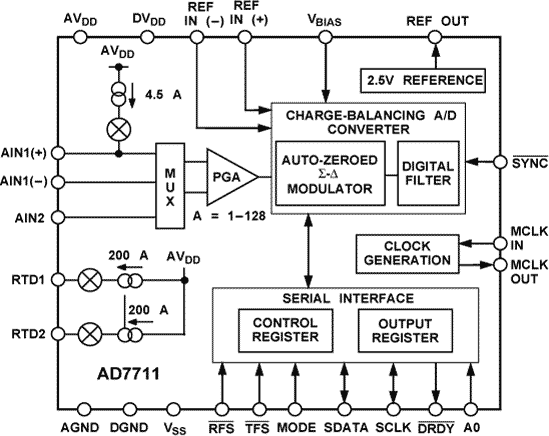
AD7711CMOS, 24-Bit Sigma-Delta, Signal Conditioning ADC with Matched RTD Excitation Currents | Analog to Digital Converters (ADC) | 6 | Active | The AD7711 is a complete analog front end for low frequency measurement applications. The device accepts low level signals directly from a transducer and outputs a serial digital word. It employs a sigma-delta conversion technique to realize up to 24 bits of no missing codes performance. The input signal is applied to a proprietary programmable gain front end based around an analog modulator. The modulator output is processed by an on-chip digital filter. The first notch of this digital filter can be programmed via the on-chip control register allowing adjustment of the filter cutoff and settling time.The part features one differential analog input and one single ended analog input as well as a differential reference input. Normally, one of the input channels will be used as the main channel with the second channel used as an auxiliary input to periodically measure a second voltage. It can be operated from a single supply (by tying the VSSpin to AGND) provided that the input signals on the analog inputs are more positive than -30 mV. By taking the VSSpin negative, the part can convert signals down to -VREFon its inputs. The part provides two current sources that can be used to provide excitation in three-wire and four-wire RTD configurations. The AD7711 thus performs all signal conditioning and conversion for a single or dual channel system.The AD7711 is ideal for use in smart, microcontroller based systems. Gain settings, signal polarity, input channel selection and RTD current control can be configured in software using the bidirectional serial port. The AD7711 contains self-measurement calibration, system calibration and background calibration options and also allows the user to read and write the on-chip calibration registers.CMOS construction ensures low power dissipation, and a software programmable power-down mode reduces the standby power consumption to only 7 mW typical. The part is available in a 24-pin, 0.3 inch wide, plastic and hermetic dual-in-line package (DIP) as well as a 24-lead small outline (SOIC) package. |
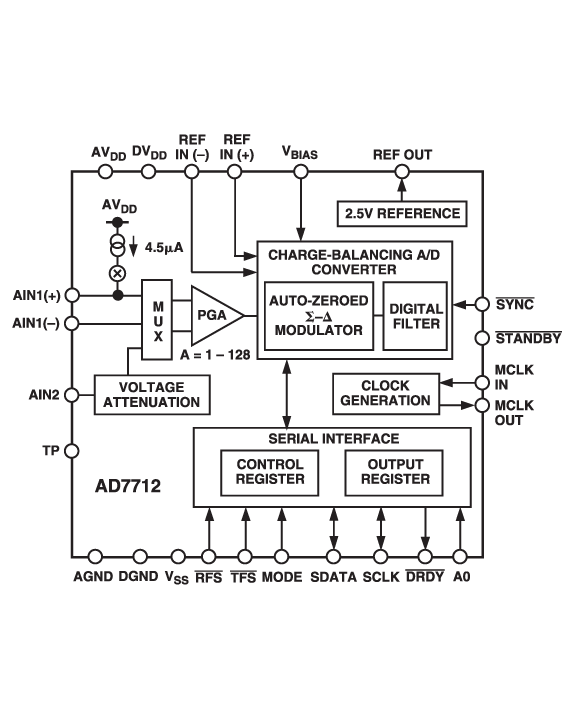
AD7712CMOS, 24-Bit Sigma-Delta, Signal Conditioning ADC with 2 Analog Input Channels | Data Acquisition | 5 | Active | The AD7712 is a complete analog front end for low frequency measurement applications. The device has two analog input channels and accepts either low level signals directly from a transducer or high level (±4 × VREF) signals and outputs a serial digital word. It employs a sigma-delta conversion technique to realize up to 24 bits of no missing codes performance. The low level input signal is applied to a proprietary programmable gain front end based around an analog modulator. The high level analog input is attenuated before being applied to the same modulator. The modulator output is processed by an on-chip digital filter. The first notch of this digital filter can be programmed via the on-chip control register allowing adjustment of the filter cutoff and settling time.Normally, one of the channels will be used as the main channel with the second channel used as an auxiliary input to periodically measure a second voltage. The part can be operated from a single supply (by tying the VSSpin to AGND) provided that the input signals on the low level analog input are more positive than -30 mV. By taking the VSSpin negative, the part can convert signals down to -VREFon this low level input. This low level input, as well as the reference input, features differential input capability.The AD7712 is ideal for use in smart, microcontroller-based systems. Input channel selection, gain settings and signal polarity can be configured in software using the bidirectional serial port. The AD7712 also contains self-calibration, system calibration and background calibration options and also allows the user to read and to write the on-chip calibration registers.CMOS construction ensures low power dissipation and a hardware programmable power-down mode reduces the standby power consumption to only 100 µW typical. The part is available in a 24-pin, 0.3 inch wide, plastic and hermetic dual-in-line package (DIP) as well as a 24-lead small outline (SOIC) package. |
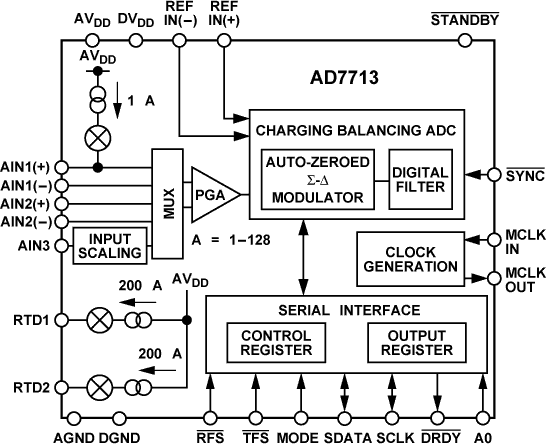
AD7713CMOS, Low Power 24-Bit Sigma-Delta, Signal Conditioning ADC with Matched RTD Current Sources | Analog to Digital Converters (ADC) | 2 | Obsolete | The AD7713 is a complete analog front end for low frequency measurement applications. The device accepts low level signals directly from a transducer or high level signals (4 × VREF) and outputs a serial digital word. It employs a sigma-delta conversion technique to realize up to 24 bits of no missing codes performance. The input signal is applied to a proprietary programmable gain front end based around an analog modulator. The modulator output is processed by an on-chip digital filter. The first notch of this digital filter can be programmed via the on-chip control register allowing adjustment of the filter cutoff and settling time.The part features two differential analog inputs and one single-ended high level analog input as well as a differential reference input. It can be operated from a single supply (AVDDand DVDDat +5 V). The part provides two current sources which can be used to provide excitation in three-wire and four-wire RTD configurations. The AD7713 thus performs all signal conditioning and conversion for a single, dual or three-channel system.The AD7713 is ideal for use in smart, microcontroller-based systems. Gain settings, signal polarity and RTD current control can be configured in software using the bidirectional serial port. The AD7713 contains self-calibration, system calibration and background calibration options and also allows the user to read and to write the on-chip calibration registers.CMOS construction ensures low power dissipation and a hardware programmable power-down mode reduces the standby power consumption to only 150 µW typical. The part is available in a 24-pin, 0.3 inch wide, plastic and hermetic dual-in-line package (DIP) as well as a 24-lead small outline (SOIC) package. |