A
Analog Devices
| Series | Category | # Parts | Status | Description |
|---|---|---|---|---|
| Part | Spec A | Spec B | Spec C | Spec D | Description |
|---|---|---|---|---|---|



| Series | Category | # Parts | Status | Description |
|---|---|---|---|---|
| Part | Spec A | Spec B | Spec C | Spec D | Description |
|---|---|---|---|---|---|
| Part | Category | Description |
|---|---|---|
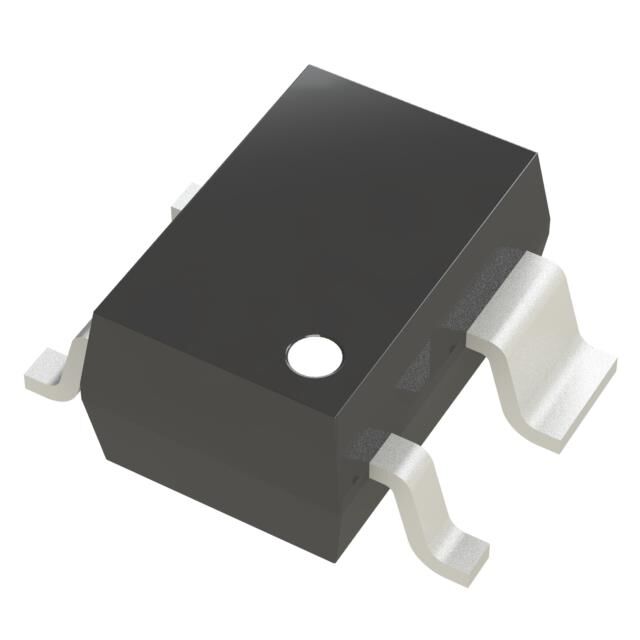 Analog Devices ADM6713RAKSZ-REELObsolete | Integrated Circuits (ICs) | IC SUPERVISOR 1 CHANNEL SC70-4 |
Analog Devices | RF and Wireless | RF AMP SINGLE GENERAL PURPOSE RF AMPLIFIER 20GHZ 3.6V 22-PIN DIE TRAY |
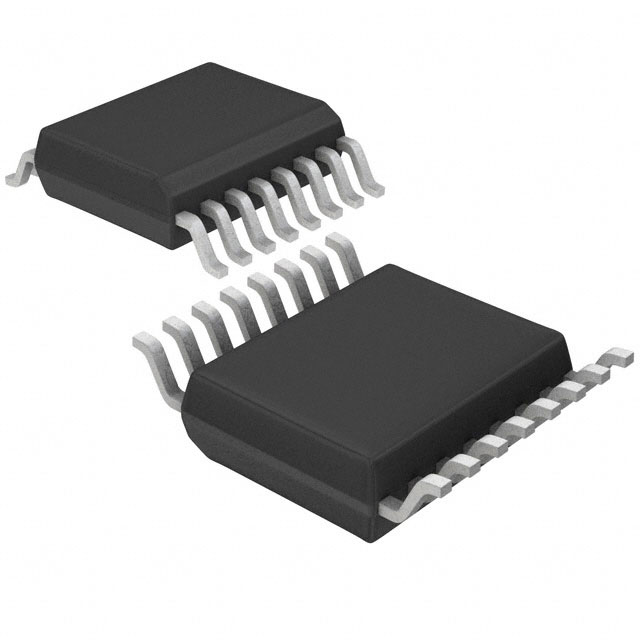 Analog Devices | Integrated Circuits (ICs) | LOW NOISE, SWITCHED CAPACITOR REGULATED VOLTAGE INVERTERS |
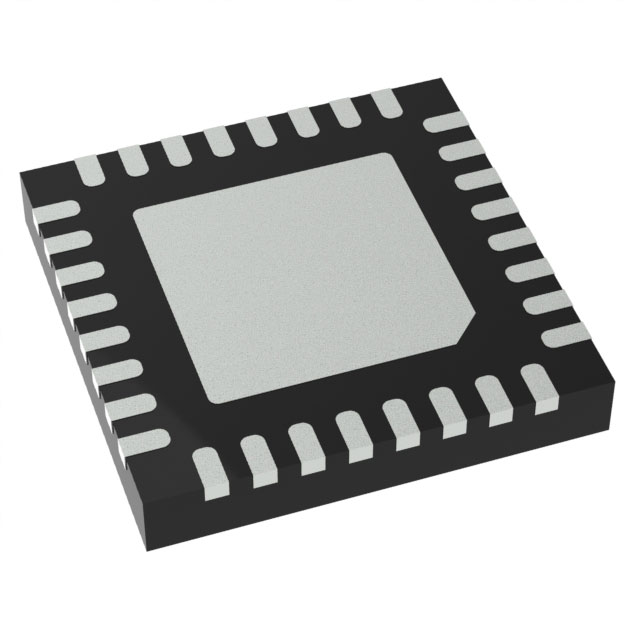 Analog Devices | Integrated Circuits (ICs) | QUAD 16-BIT/12-BIT ±10V VOUTSOFTSPAN DACS WITH 10PPM/°C MAX REFERENCE |
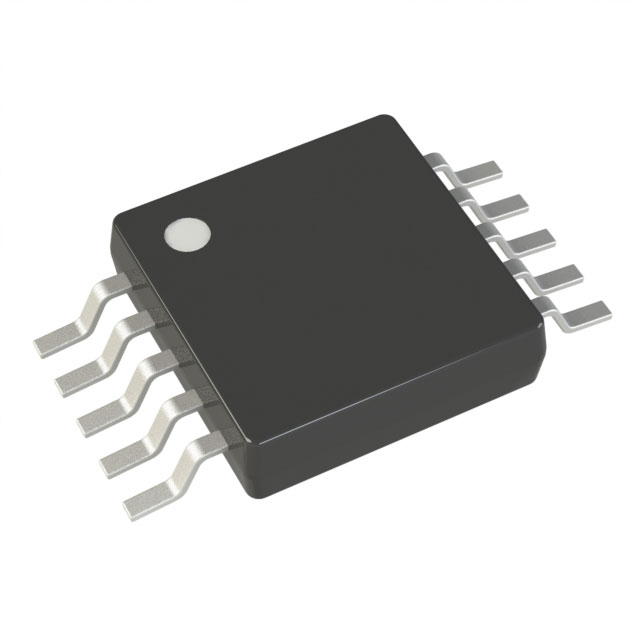 Analog Devices | Integrated Circuits (ICs) | SERIAL 14-BIT, 3.5MSPS SAMPLING ADC WITH BIPOLAR INPUTS |
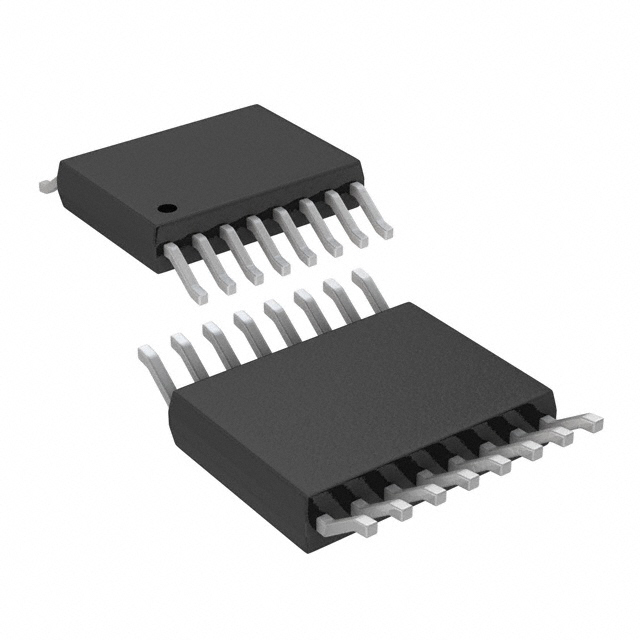 Analog Devices | Integrated Circuits (ICs) | ISOSPI ISOLATED COMMUNICATIONS INTERFACE |
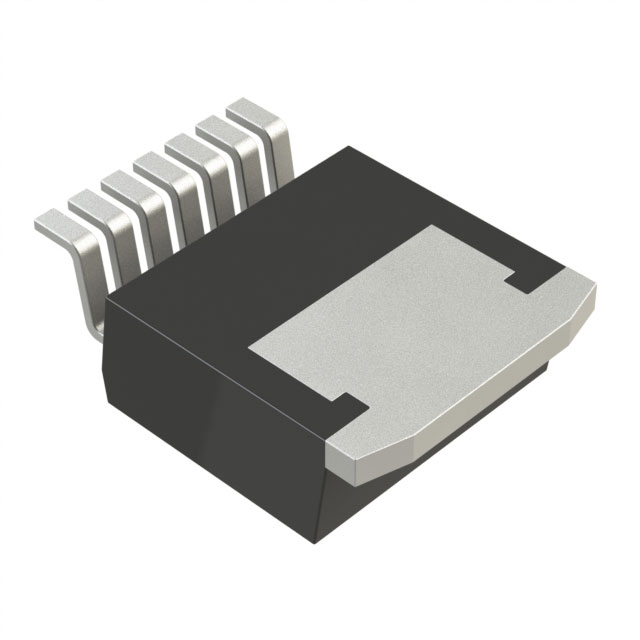 Analog Devices | Integrated Circuits (ICs) | 4.5A, 500KHZ STEP-DOWN SWITCHING REGULATOR |
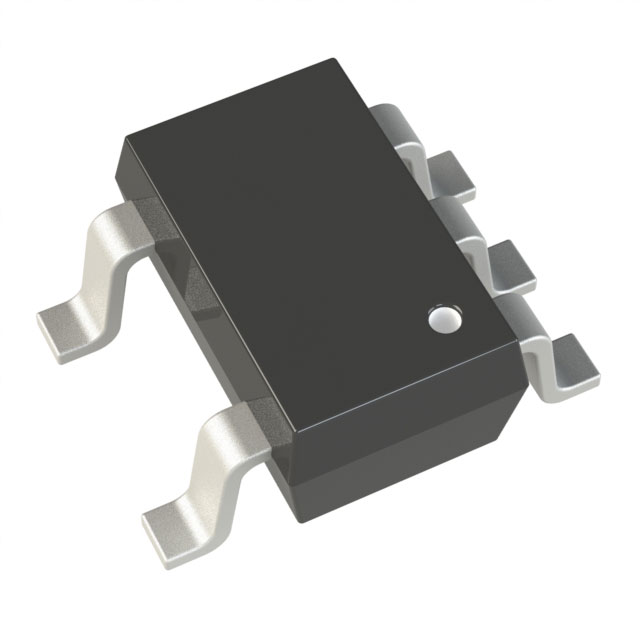 Analog Devices | Integrated Circuits (ICs) | 300 MA, LOW QUIESCENT CURRENT, ADJUSTABLE OUTPUT, CMOS LINEAR REGULATOR |
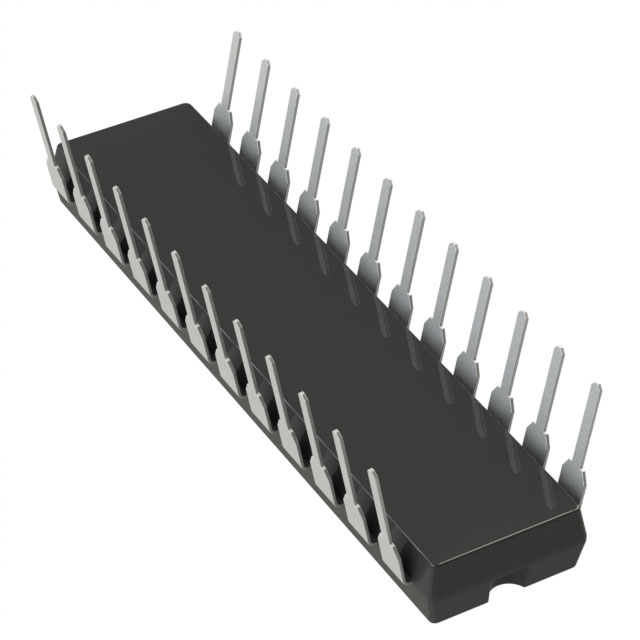 Analog Devices AD767KNObsolete | Integrated Circuits (ICs) | IC DAC 12BIT V-OUT 24DIP |
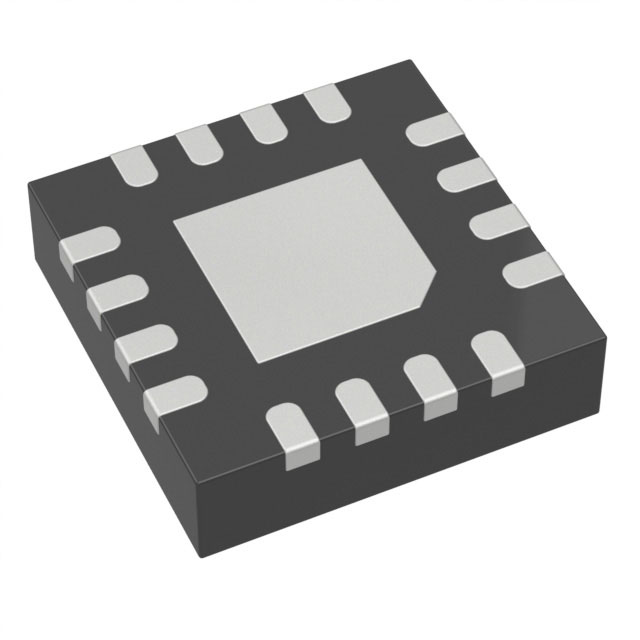 Analog Devices | Integrated Circuits (ICs) | QUAD 12-/10-/8-BIT RAIL-TO-RAIL DACS WITH 10PPM/°C REFERENCE |
| Series | Category | # Parts | Status | Description |
|---|---|---|---|---|
| Embedded MCU, DSP | 2 | NRND | ||
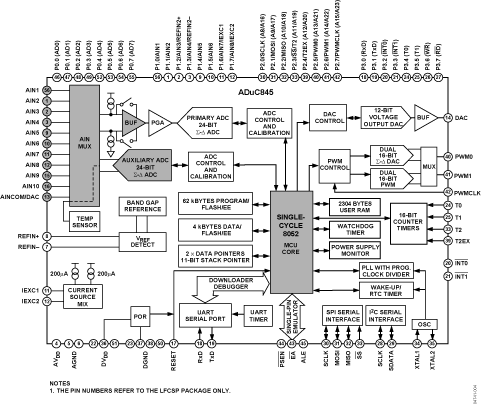
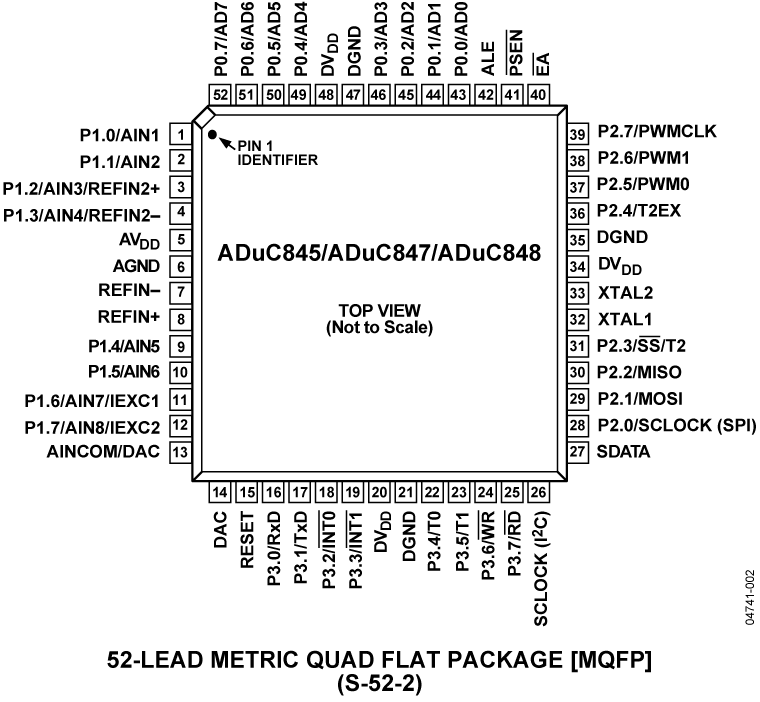
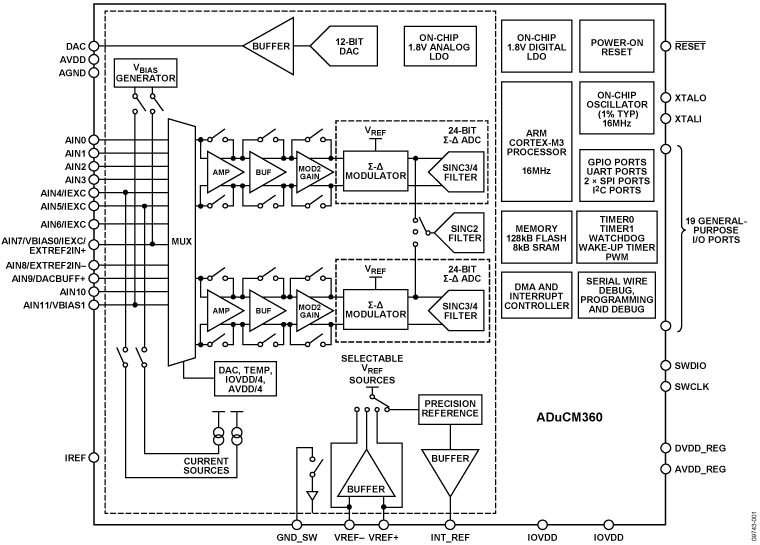
ADUC845MicroConverter®Multichannel 24-/16-Bit ADCs with Embedded 62 kB Flash and Single-Cycle MCU | Microcontrollers | 3 | Active | The ADuC845,ADuC847, andADuC848are single-cycle, 12.58 MIPs, 8052 core upgrades to the ADuC834 and ADuC836. They include additional analog inputs for applications requiring more ADC channels.The ADuC845, ADuC847, and ADuC848 are complete smart transducer front ends. The family integrates high resolution Σ-Δ ADCs with flexible, up to 10-channel, input multiplexing, a fast 8-bit MCU, and program and data Flash/EE memory on a single chip.The ADuC845 includes two (primary and auxiliary) 24-bit Σ-Δ ADCs with internal buffering and PGA on the primary ADC. The ADuC847 includes the same primary ADC as the ADuC845 (auxiliary ADC removed). The ADuC848 is a 16-bit ADC version of the ADuC847.The ADCs incorporate flexible input multiplexing, a temperature sensor (ADuC845 only), and a PGA (primary ADC only) allowing direct measurement of low-level signals. The ADCs include on-chip digital filtering and programmable output data rates that are intended for measuring wide dynamic range and low frequency signals, such as those in weigh scale, strain gage, pressure transducer, or temperature measurement applications.The devices operate from a 32 kHz crystal with an on-chip PLL generating a high frequency clock of 12.58 MHz. This clock is routed through a programmable clock divider from which the MCU core clock operating frequency is generated. The microcontroller core is an optimized single-cycle 8052 offering up to 12.58 MIPs performance while maintaining 8051 instruction set compatibility.The available nonvolatile Flash/EE program memory options are 62 kbytes, 32 kbytes, and 8 kbytes. 4 kbytes of nonvolatile Flash/EE data memory and 2304 bytes of data RAM are also provided on-chip. The program memory can be configured as data memory to give up to 60 kbytes of NV data memory in data logging applications.On-chip factory firmware supports in-circuit serial download and debug modes (via UART), as well as single-pin emulation mode via theEApin. The ADuC845, ADuC847, and ADuC848 are supported by the QuickStart™ development system featuring low cost software and hardware development tools.ApplicationsMultichannel sensor monitoringIndustrial/environmental instrumentationWeigh scales, pressure sensors, temperature monitoringPortable instrumentation, battery-powered systemsData logging, precision system monitoring |
| Evaluation Boards | 3 | Active | ||
ADUC848MicroConverter®Multichannel 24-/16-Bit ADCs with Embedded 62 kB Flash and Single-Cycle MCU | Microcontrollers | 3 | Active | TheADuC845,ADuC847, and ADuC848 are single-cycle, 12.58 MIPs, 8052 core upgrades to the ADuC834 and ADuC836. They include additional analog inputs for applications requiring more ADC channels.The ADuC845, ADuC847, and ADuC848 are complete smart transducer front ends. The family integrates high resolution Σ-Δ ADCs with flexible, up to 10-channel, input multiplexing, a fast 8-bit MCU, and program and data Flash/EE memory on a single chip.The ADuC845 includes two (primary and auxiliary) 24-bit Σ-Δ ADCs with internal buffering and PGA on the primary ADC. The ADuC847 includes the same primary ADC as the ADuC845 (auxiliary ADC removed). The ADuC848 is a 16-bit ADC version of the ADuC847.The ADCs incorporate flexible input multiplexing, a temperature sensor (ADuC845 only), and a PGA (primary ADC only) allowing direct measurement of low-level signals. The ADCs include on-chip digital filtering and programmable output data rates that are intended for measuring wide dynamic range and low frequency signals, such as those in weigh scale, strain gage, pressure transducer, or temperature measurement applications.The devices operate from a 32 kHz crystal with an on-chip PLL generating a high frequency clock of 12.58 MHz. This clock is routed through a programmable clock divider from which the MCU core clock operating frequency is generated. The microcontroller core is an optimized single-cycle 8052 offering up to 12.58 MIPs performance while maintaining 8051 instruction set compatibility.The available nonvolatile Flash/EE program memory options are 62 kbytes, 32 kbytes, and 8 kbytes. 4 kbytes of nonvolatile Flash/EE data memory and 2304 bytes of data RAM are also provided on-chip. The program memory can be configured as data memory to give up to 60 kbytes of NV data memory in data logging applications.On-chip factory firmware supports in-circuit serial download and debug modes (via UART), as well as single-pin emulation mode via theEApin. The ADuC845, ADuC847, and ADuC848 are supported by the QuickStart™ development system featuring low cost software and hardware development tools.ApplicationsMultichannel sensor monitoringIndustrial/environmental instrumentationWeigh scales, pressure sensors, temperature monitoringPortable instrumentation, battery-powered systemsData logging, precision system monitoring |
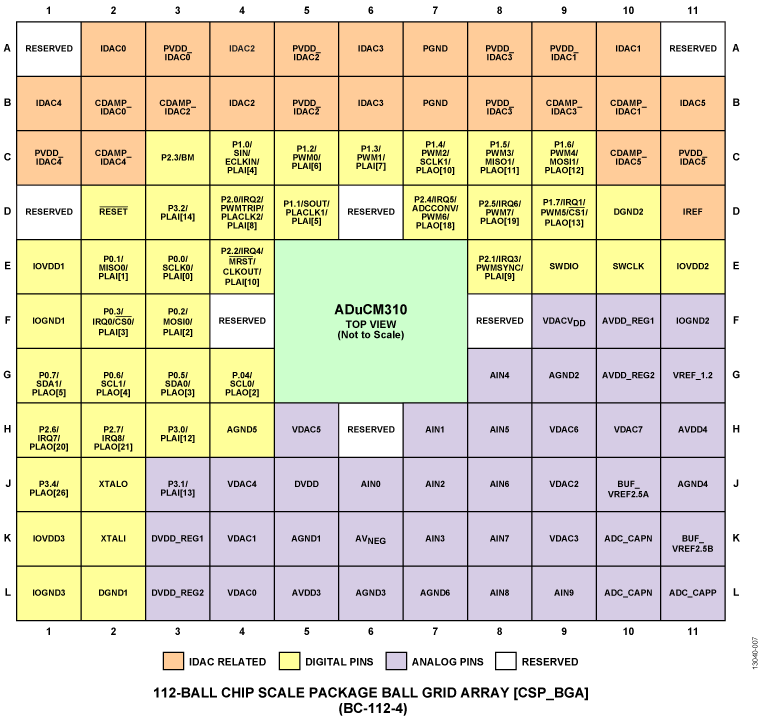
ADUCM310Precision Analog Microcontroller, Tunable Optical Control Microcontroller | Development Boards, Kits, Programmers | 1 | Active | The ADuCM310 is a multidie stack, on-chip system designed for diagnostic control of tunable laser optical module applications. The ADuCM310 features a 16-bit (14-bit accurate) multichannel successive approximation register (SAR) ADC, an ARM Cortex™-M3 processor, eight voltage DACs (VDACs), six current output DACs, and Flash/EE memory packaged in a 6 mm × 6 mm, 112-ball CSP_BGA package.The bottom die in the stack supports the bulk of the low voltage analog circuitry and is the largest of the three die. It contains the ADC, VDACs, main IDAC circuits, as well as other analog support circuits, such as the low drift precision 2.5 V voltage reference source.The middle die in the stack supports the bulk of the digital circuitry, including the ARM Cortex-M3 processor, the flash and SRAM blocks, and all of the digital communication peripherals. In addition, this die provides the clock sources for the whole chip. A 16 MHz internal oscillator is the source of the internal PLL that outputs an 80 MHz system clock.The top die, which is the smallest die, was developed on a high voltage process, and this die supports the −5 V and +5 V VDAC outputs. It also implements the SOA IDAC current sink circuit that allows the external SOA diode to pull to a −3.0 V level to implement the fast shutdown of the laser output.Regarding the individual blocks, the ADC is capable of operating at conversion rates up to 800 kSPS. There are 10 external inputs to the ADC, which can be single ended or differential. Several internal channels are included, such as the supply monitor channels, an on-chip temperature sensor, and internal voltage reference monitors.The VDACs are 12-bit string DACs with output buffers capable of sourcing between 10 mA and 50 mA, and these DACs are all capable of driving 10 nF capacitive loads.The low drift current DACs have 14-bit resolution and varied full-scale output ranges from 0 mA to 20 mA to 0 mA to 250 mA on the SOA IDAC (IDAC3). The SOA IDAC also comes with a 0 mA to −80 mA current sink capability.A precision 2.5 V on-chip reference source is available. The internal ADC, IDACs, and VDAC circuits use this on-chip reference source to ensure low drift performance for all of these peripherals.The ADuCM310 also provides 2× buffered reference outputs capable of sourcing up to 1.2 mA. These outputs can be used externally to the chip.The ADuCM310 integrates an 80 MHz ARM Cortex-M3 processor. It is a 32-bit reduced instruction set computer (RISC) machine, offering up to 100 DMIPS peak performance. The ARM Cortex-M3 processor also has a flexible 14-channel direct memory access (DMA) controller supporting serial peripheral interface (SPI), UART, and I2C communication peripherals. The ADuCM310 has 256 kB of nonvolatile Flash/EE memory and 32 kB of SRAM integrated on-chip.A 16 MHz on-chip oscillator generates the 80 MHz system clock. This clock internally divides to allow the processor to operate at lower frequency, thus saving power. A low power internal 32 kHz oscillator is available and can clock the timers. The ADuCM310 includes three general-purpose timers, a wake-up timer (which can be used as a general-purpose timer), and a system watchdog timer.A range of communication peripherals can be configured as required in a specific application. These peripherals include UART, 2 × I2C, 2 × SPI, GPIO ports, and pulse-width modulation (PWM).On-chip factory firmware supports in-circuit serial download via the UART, while nonintrusive emulation and program download are supported via the serial wire debug port (SW-DP) interface. These features are supported on the EVAL-ADuCM310QSPZ development system.The ADuCM310 operates from 2.9 V to 3.6 V and is specified over a temperature range of −40°C to +85°C.Note that, throughout this data sheet, multifunction pins, such as P1.0/SIN/ECLKIN/PLAI[4], are referred to either by the entire pin name or by a single function of the pin, for example, P1.0, when only that function is relevant.For additional information on the ADuCM310, see the ADuCM310 reference manual,How to Set Up and Use the ADuCM310.APPLICATIONSOptical modules—tunable laser modules |
| Embedded | 1 | Obsolete | ||
| Accessories | 1 | Active | ||
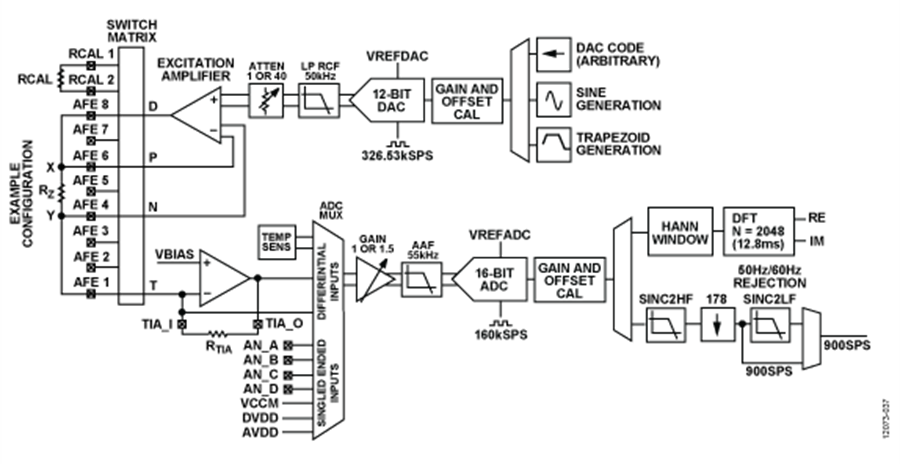
ADUCM355Precision Analog Microcontroller with Chemical Sensor Interface | Sensors | 2 | Active | The ADuCM355 is an on-chip system that controls and measures electrochemical sensors and biosensors. The ADuCM355 is an ultralow power, mixed-signal microcontroller based on the Arm®Cortex™-M3 processor. The device features current, voltage, and impedance measurement capability.The ADuCM355 features a 16-bit, 400 kSPS, multichannel successive approximation register (SAR) analog-to-digital converter (ADC) with input buffers, built-in antialias filter (AAF), and programmable gain amplifier (PGA). The current inputs include three transimpedance amplifiers (TIA) with programmable gain and load resistors for measuring different sensor types. The analog front end (AFE) also contains two low power amplifiers designed specifically for potentiostat capability to maintain a constant bias voltage to an external electrochemical sensor. The noninverting inputs of these two amplifiers are controlled by on-chip, dual output digital-to-analog converters (DACs). The analog outputs include a high speed DAC and output amplifier designed to generate an ac signal.The ADC operates at conversion rates up to 400 kSPS with an input range of −0.9 V to +0.9 V. An input mux before the ADC allows the user to select an input channel for measurement. These input channels include three external current inputs, multiple external voltage inputs, and internal channels. The internal channels allow diagnostic measurements of the internal supply voltages, die temperature, and reference voltages.Two of the three voltage DACs are dual output, 12-bit string DACs. One output per DAC controls the noninverting input of a potentiostat amplifier, and the other controls the noninverting input of the TIA.The third DAC (sometimes referred to as the high speed DAC) is designed for the high power TIA for impedance measurements. The output frequency range of this DAC is up to 200 kHz.A precision 1.82 V and 2.5 V on-chip reference source is available. The internal ADC and voltage DAC circuits use this on-chip reference source to ensure low drift performance for all peripherals.The ADuCM355 integrates a 26 MHz Arm Cortex-M3 processor, which is a 32-bit reduced instruction set computer (RISC) machine. The Arm Cortex-M3 processor also has a flexible multichannel direct memory access controller (DMA) supporting two independent serial peripheral interface (SPI) ports, universal asynchronous receiver/transmitter (UART), and I2C communication peripherals. The ADuCM355 has 128 kB of nonvolatile flash/EE memory and 64 kB of single random access memory (SRAM) integrated on-chip.The digital processor subsystem is clocked from a 26 MHz on-chip oscillator. The oscillator is the source of the main digital die system clock. Optionally, a 26 MHz phase-locked loop (PLL) can be used as the digital system clock. This clock can be internally subdivided so that the processor operates at a lower frequency and saves power. A low power, internal 32 kHz oscillator is available and can clock the timers. The ADuCM355 includes three general-purpose timers, a wake-up timer (which can be used as a general-purpose timer), and a system watchdog timer.The analog subsystem has a separate 16 MHz oscillator used to clock the ADC, DACs, and other digital logic on the analog die. The analog die also contains a separate 32 kHz, low power oscillator to clock a watchdog timer on the analog die. Both the 32 kHz oscillator and this watchdog are independent from the digital die oscillators and system watchdog timer.A range of communication peripherals can be configured as required in a specific application. These peripherals include UART, I2C, two SPI ports, and general-purpose input/output (GPIO) ports. The GPIOs, combined with the general-purpose timers, can be combined to generate a pulse-width modulation (PWM) type output.Nonintrusive emulation and program download are supported via the serial wire debug port (SW-DP) interface.The ADuCM355 operates from a 2.8 V to 3.6 V supply and is specified over a temperature range of −40°C to +85°C. The chip is packaged in a 72-lead, 6 mm × 5 mm land grid array (LGA) package.Note that, throughout this data sheet, multifunction pins, such as P0.0/SPI0_CLK, are referred to either by the entire pin name or by a single function of the pin, for example, P0.0, when only that function is relevant.ApplicationsGas detectionFood qualityEnvironmental sensing (air, water, and soil)Blood glucose metersLife sciences and biosensing analysisBioimpedance measurementsGeneral Amperometry, voltammetry, and impedance spectroscopy functions |
| Embedded MCU, DSP | 2 | Active | ||
| Development Boards, Kits, Programmers | 1 | Active | ||