A
Analog Devices
| Series | Category | # Parts | Status | Description |
|---|---|---|---|---|
| Part | Spec A | Spec B | Spec C | Spec D | Description |
|---|---|---|---|---|---|



| Series | Category | # Parts | Status | Description |
|---|---|---|---|---|
| Part | Spec A | Spec B | Spec C | Spec D | Description |
|---|---|---|---|---|---|
| Part | Category | Description |
|---|---|---|
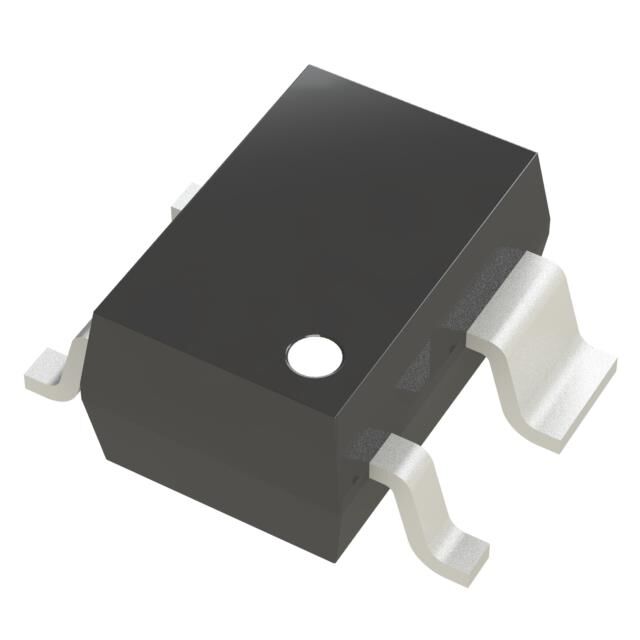 Analog Devices ADM6713RAKSZ-REELObsolete | Integrated Circuits (ICs) | IC SUPERVISOR 1 CHANNEL SC70-4 |
Analog Devices | RF and Wireless | RF AMP SINGLE GENERAL PURPOSE RF AMPLIFIER 20GHZ 3.6V 22-PIN DIE TRAY |
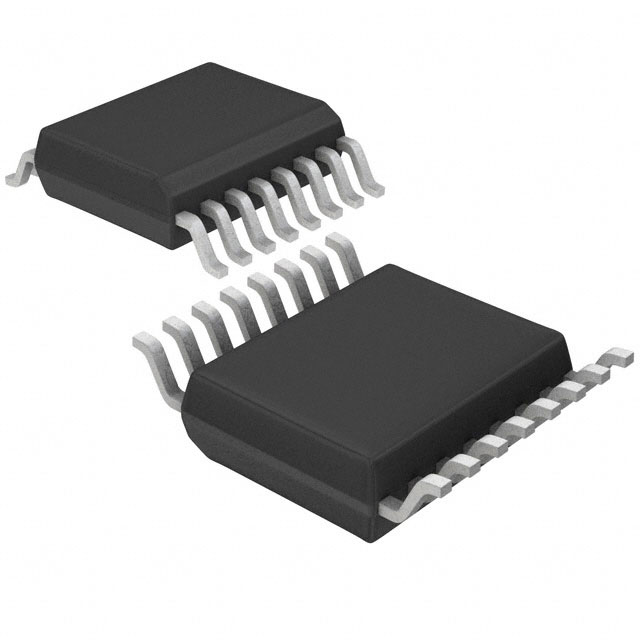 Analog Devices | Integrated Circuits (ICs) | LOW NOISE, SWITCHED CAPACITOR REGULATED VOLTAGE INVERTERS |
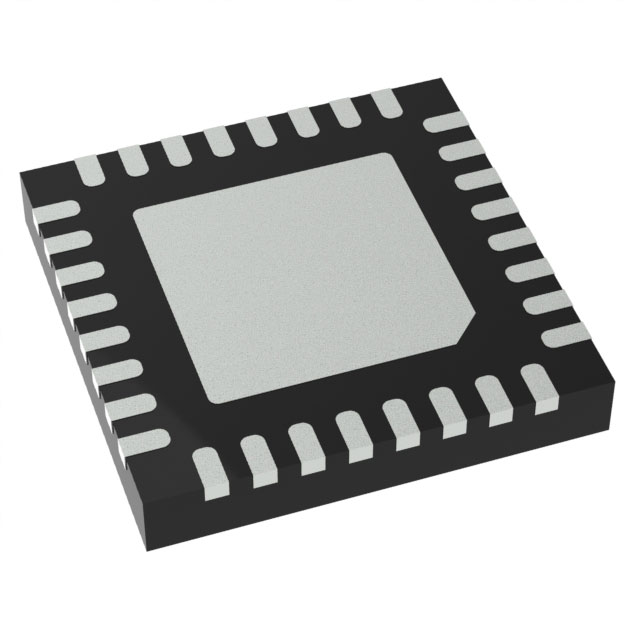 Analog Devices | Integrated Circuits (ICs) | QUAD 16-BIT/12-BIT ±10V VOUTSOFTSPAN DACS WITH 10PPM/°C MAX REFERENCE |
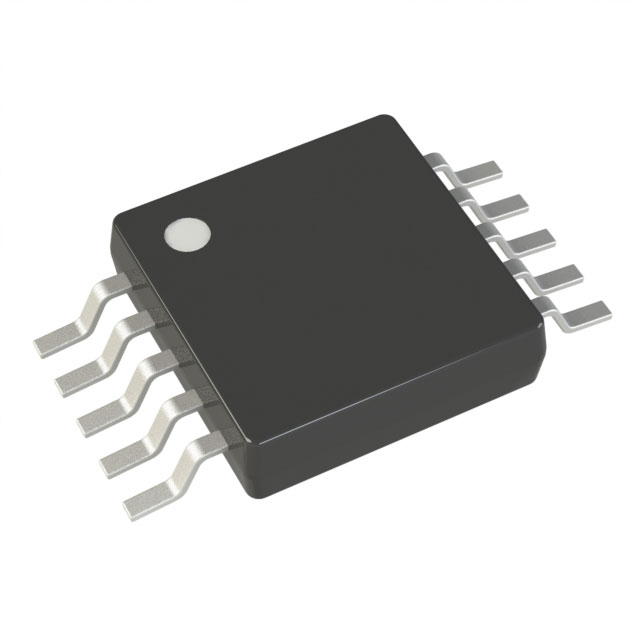 Analog Devices | Integrated Circuits (ICs) | SERIAL 14-BIT, 3.5MSPS SAMPLING ADC WITH BIPOLAR INPUTS |
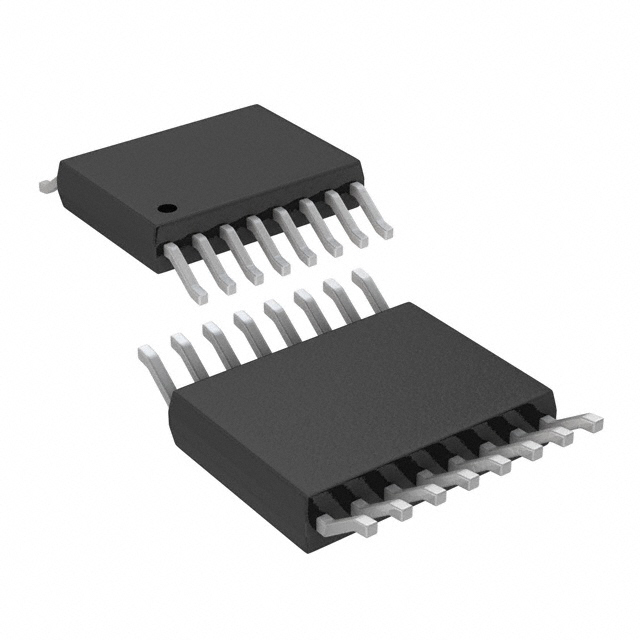 Analog Devices | Integrated Circuits (ICs) | ISOSPI ISOLATED COMMUNICATIONS INTERFACE |
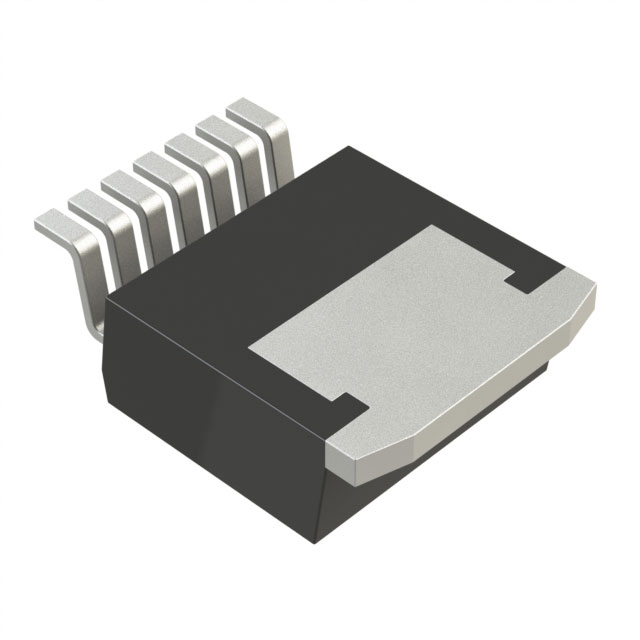 Analog Devices | Integrated Circuits (ICs) | 4.5A, 500KHZ STEP-DOWN SWITCHING REGULATOR |
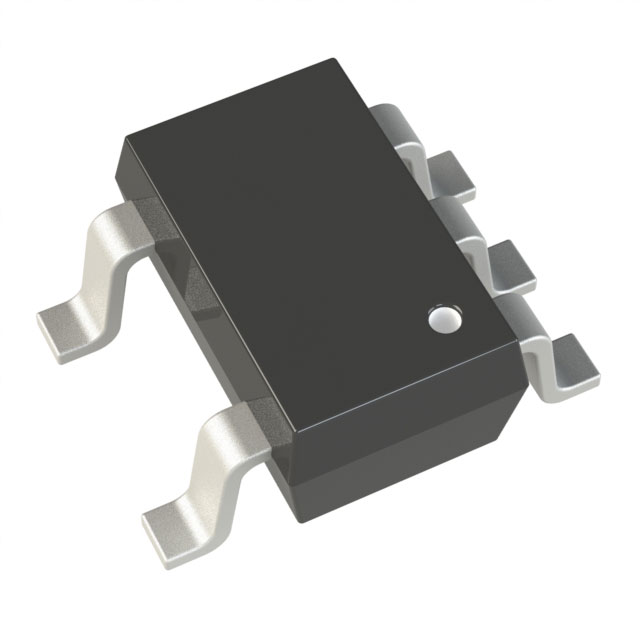 Analog Devices | Integrated Circuits (ICs) | 300 MA, LOW QUIESCENT CURRENT, ADJUSTABLE OUTPUT, CMOS LINEAR REGULATOR |
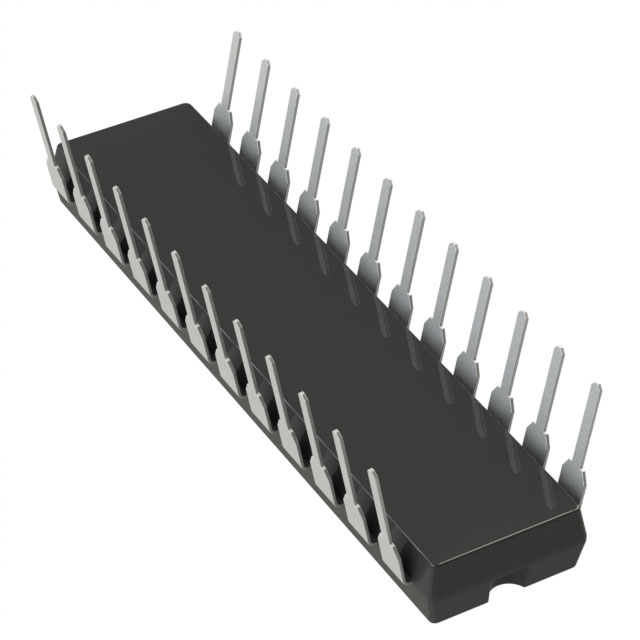 Analog Devices AD767KNObsolete | Integrated Circuits (ICs) | IC DAC 12BIT V-OUT 24DIP |
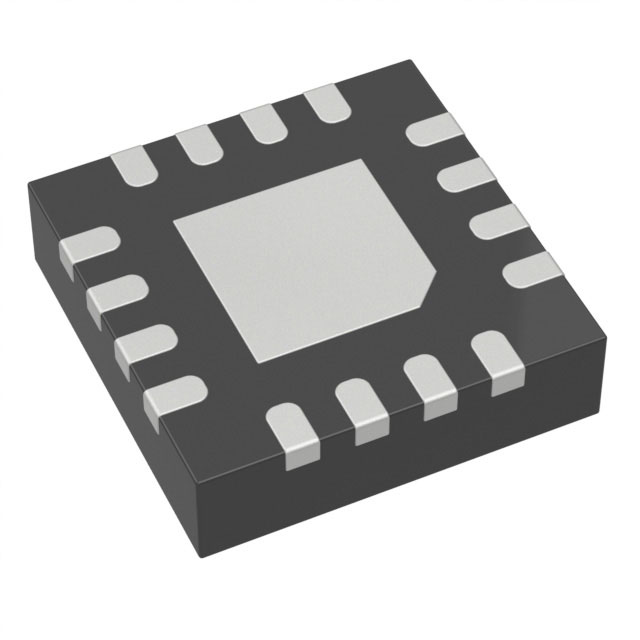 Analog Devices | Integrated Circuits (ICs) | QUAD 12-/10-/8-BIT RAIL-TO-RAIL DACS WITH 10PPM/°C REFERENCE |
| Series | Category | # Parts | Status | Description |
|---|---|---|---|---|
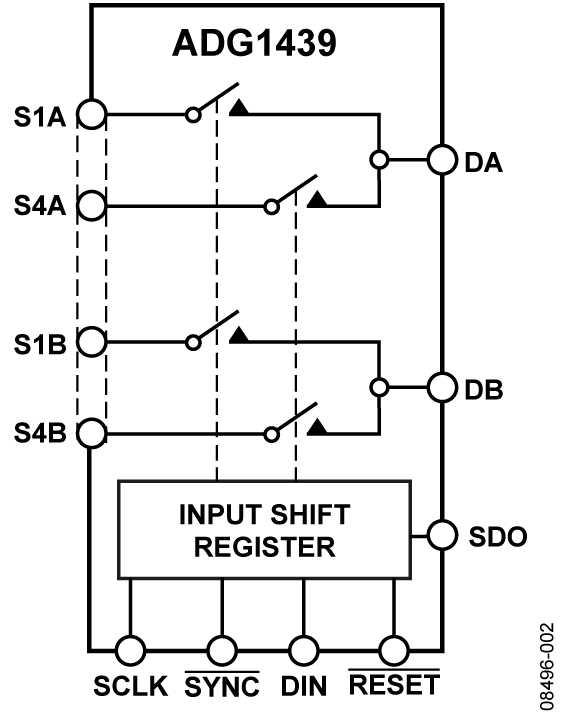
ADG1439±15 V/+12 V/±5 V, Dual 4 to 1 Multiplexer, Serially Controlled Matrix Switch | Analog Switches, Multiplexers, Demultiplexers | 3 | Active | TheADG1438and ADG1439 are CMOS analog matrix switches with a serially controlled 3-wire interface. The ADG1438 is an 8-channel matrix switch, and the ADG1439 is a dual 4-channel matrix switch.The ADG1438/ADG1439 use a versatile 3-wire serial interface that operates at clock rates of up to 50 MHz and is compatible with standard SPI, QSPI™, MICROWIRE™, and DSP interface standards. The output of the shift register, SDO, enables a number of the ADG1438/ADG1439 devices to be daisy-chained. On power-up, the internal shift register contains all zeros, and all switches are in the off state.Each switch conducts equally well in both directions when on, making these devices suitable for both multiplexing and demultiplexing applications. Because each switch is turned on or off by a separate bit, these devices can also be configured as a type of switch array, where any, all, or none of the eight switches can be closed at any time. The input signal range extends to the supply rails. All channels exhibit break-before-make switching action, preventing momentary shorting when switching channels.The ultralow on resistance and on-resistance flatness of these switches make them ideal solutions for data acquisition and gain switching applications where low distortion is critical.iCMOS®construction ensures ultralow power dissipation, making the parts ideally suited for portable and battery-powered instruments.Product Highlights50 MHz serial interface.9.5 Ω on resistance.1.6 Ω on-resistance flatness.3 V logic-compatible digital input, VINH = 2.0 V, VINL = 0.8 V.ApplicationsRelay replacementAudio and video routingAutomatic test equipmentData acquisition systemsTemperature measurement systemsAvionicsBattery-powered systemsCommunication systemsMedical equipment |
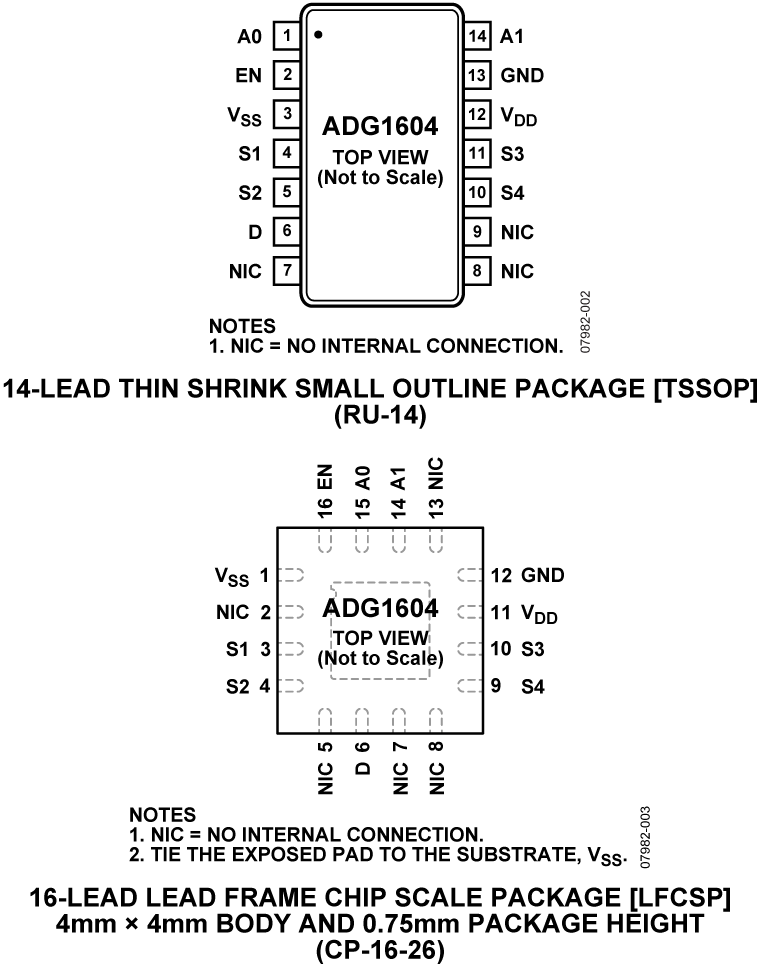
ADG16041 Ω Typical On Resistance, ±5 V, +12 V, +5 V, and +3.3 V, 4:1 Multiplexer | Analog Switches, Multiplexers, Demultiplexers | 3 | Active | The ADG1604 is a complementary metal-oxide semiconductor (CMOS) analog multiplexer and switches one of four inputs to a common output, D, as determined by the 3-bit binary address lines, A0, A1, and EN. Logic 0 on the EN pin disables the device. Each switch conducts equally well in both directions when on and has an input signal range that extends to the supplies. In the off condition, signal levels up to the supplies are blocked. All switches exhibit break-before-make switching action. Inherent in the design is low charge injection for minimum transients when switching the digital inputs.The ultralow on resistance of these switches make them ideal solutions for data acquisition and gain switching applications where low on resistance and distortion is critical. The on resistance profile is very flat over the full analog input range, ensuring excellent linearity and low distortion when switching audio signals.The CMOS construction ensures ultralow power dissipation, making the devices ideally suited for portable and batterypowered instruments.Product Highlights1.6 Ω maximum on resistance over temperature.Minimum distortion: THD + N = 0.007%.3 V logic-compatible digital inputs: VINH= 2.0 V, VINL= 0.8 V.No VLlogic power supply required.Ultralow power dissipation: <16 nW.14-lead TSSOP and 16-lead, 4 mm × 4 mm LFCSP.ApplicationsCommunication systemsMedical systemsAudio signal routingVideo signal routingAutomatic test equipmentData acquisition systemsBattery-powered systemsSample-and-hold systemsRelay replacements |
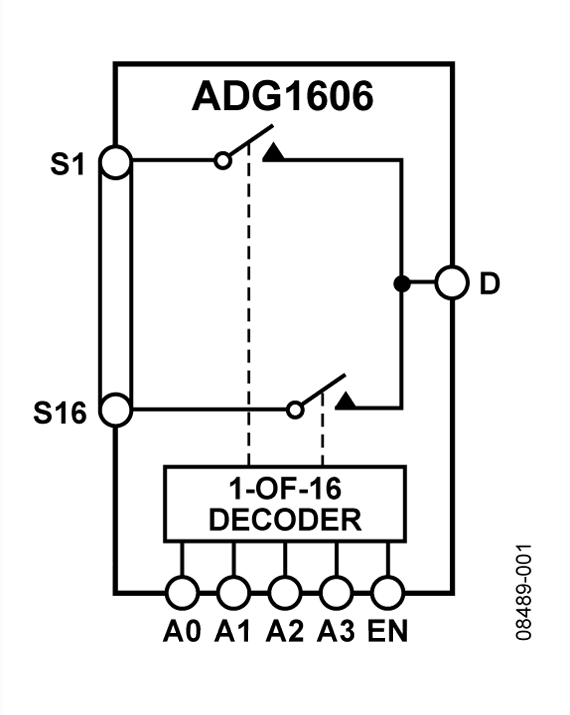
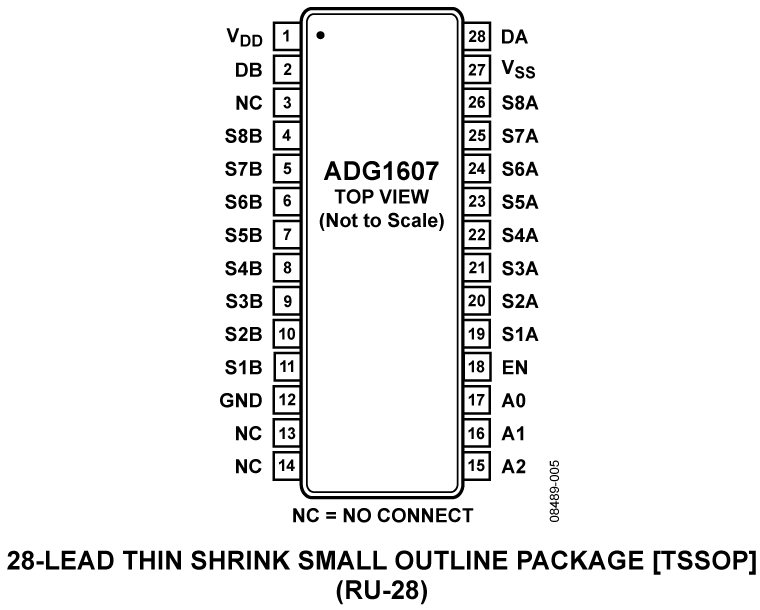
ADG16064.5 Ω RON, 16-Channel, Differential 8-Channel, ±5V, +12 V, +5 V, and +3.3 V Multiplexers | Analog Switches, Multiplexers, Demultiplexers | 1 | Active | The ADG1606 andADG1607are monolithiciCMOS®analog multiplexers comprising of 16 single channels and eight differential channels, respectively. The ADG1606 switches one of 16 inputs to a common output, as determined by the 4-bit binary address lines (A0, A1, A2, and A3). The ADG1607 switches one of eight differential inputs to a common differential output, as determined by the 3-bit binary address lines (A0, A1, and A2). An EN input on both devices enables or disables the device. When disabled, all channels switch off. When enabled, each channel conducts equally well in both directions and has an input signal range that extends to the supplies.The ultralow on resistance and on-resistance flatness of these switches make them ideal solutions for data acquisition and gain switching applications where low distortion is critical.iCMOS®construction ensures ultralow power dissipation, making the parts ideally suited for portable and battery-powered instruments.Product Highlights7.5 Ω maximum on resistance over temperature.Minimum distortion: THD + N = 0.04%3 V logic-compatible digital inputs: VINH= 2.0 V, VINL= 0.8 V.No VLlogic power supply required.ApplicationsCommunication systemsMedical systemsAudio signal routingVideo signal routingAutomatic test equipmentData acquisition systemsBattery-powered systemsSample-and-hold systemsRelay replacements |
ADG16074.5 Ω RON, 16-Channel, Differential 8-Channel, ±5V, +12 V, +5 V, and +3.3 V Multiplexers | Interface | 1 | Active | TheADG1606and ADG1607 are monolithiciCMOS®analog multiplexers comprising of 16 single channels and eight differential channels, respectively. The ADG1606 switches one of 16 inputs to a common output, as determined by the 4-bit binary address lines (A0, A1, A2, and A3). The ADG1607 switches one of eight differential inputs to a common differential output, as determined by the 3-bit binary address lines (A0, A1, and A2). An EN input on both devices enables or disables the device. When disabled, all channels switch off. When enabled, each channel conducts equally well in both directions and has an input signal range that extends to the supplies.The ultralow on resistance and on-resistance flatness of these switches make them ideal solutions for data acquisition and gain switching applications where low distortion is critical.iCMOS®construction ensures ultralow power dissipation, making the parts ideally suited for portable and battery-powered instruments.Product Highlights7.5 Ω maximum on resistance over temperature.Minimum distortion: THD + N = 0.04%3 V logic-compatible digital inputs: VINH= 2.0 V, VINL= 0.8 V.No VLlogic power supply required.ApplicationsCommunication systemsMedical systemsAudio signal routingVideo signal routingAutomatic test equipmentData acquisition systemsBattery-powered systemsSample-and-hold systemsRelay replacements |
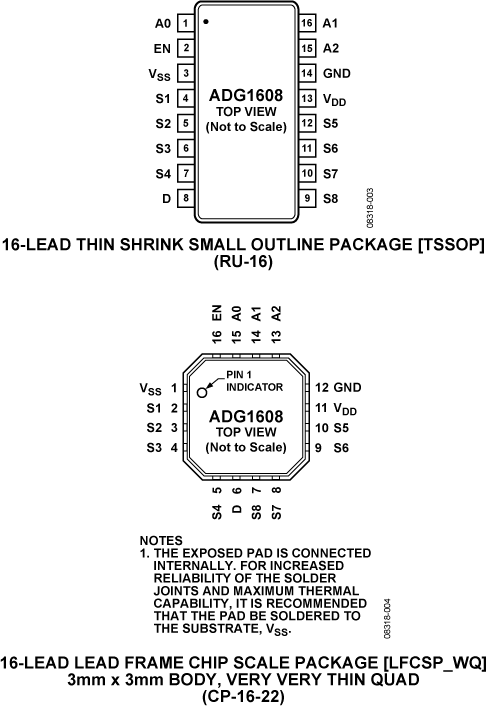
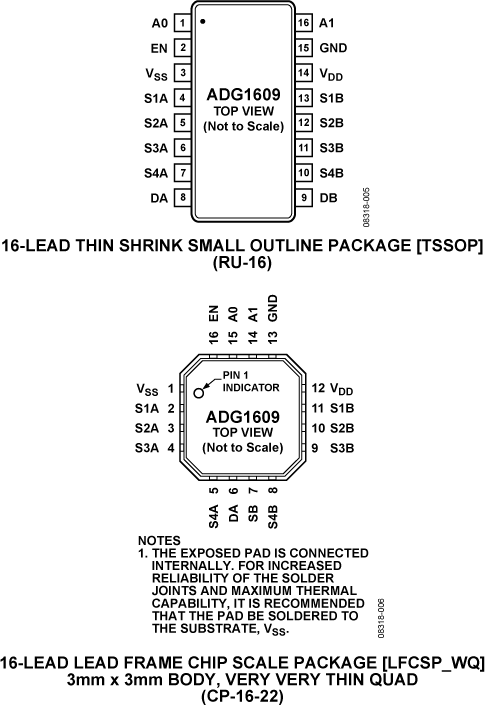
ADG16084.5 Ω RON, 8-Channel ±5 V,+12 V, +5 V, and +3.3 V Multiplexer | Interface | 1 | Active | The ADG1608 /ADG1609are monolithic CMOS analog multiplexers comprising eight single channels and four differential channels, respectively. The ADG1608 switches one of eight inputs to a common output, as determined by the 3-bit binary address lines, A0, A1, and A2. The ADG1609 switches one of four differential inputs to a common differential output, as determined by the 2-bit binary address lines, A0 and A1. An EN input on both devices is used to enable or disable the device. When disabled, all channels are switched off.Each switch conducts equally well in both directions when on and has an input signal range that extends to the supplies. In the off condition, signal levels up to the supplies are blocked. All switches exhibit break-before-make switching action. Inherent in the design is low charge injection for minimum transients when switching the digital inputs.The low on resistance of these switches make them ideal solutions for data acquisition and gain switching applications where low on resistance and distortion is critical. The on-resistance profile is very flat over the full analog input range, ensuring excellent linearity and low distortion when switching audio signals.CMOS construction ensures ultralow power dissipation, making the parts ideally suited for portable and battery-powered instruments.PRODUCT HIGHLIGHTS8 Ω maximum on resistance over temperature.Minimum distortion: THD + N = 0.04%.3 V logic-compatible digital inputs: VINH= 2.0 V, VINL= 0.8 V.No VLlogic power supply required.Ultralow power dissipation: <8 nW.16-lead TSSOP and 16-lead, 3 mm × 3 mm LFCSP.APPLICATIONSCommunication systemsMedical systemsAudio signal routingVideo signal routingAutomatic test equipmentData acquisition systemsBattery-powered systemsSample-and-hold systemsRelay replacements |
ADG16094.5 Ω RON, 4-Channel ±5 V,+12 V, +5 V, and +3.3 V Multiplexer | Analog Switches, Multiplexers, Demultiplexers | 2 | Active | TheADG1608/ ADG1609 are monolithic CMOS analog multiplexers comprising eight single channels and four differential channels, respectively. The ADG1608 switches one of eight inputs to a common output, as determined by the 3-bit binary address lines, A0, A1, and A2. The ADG1609 switches one of four differential inputs to a common differential output, as determined by the 2-bit binary address lines, A0 and A1. An EN input on both devices is used to enable or disable the device. When disabled, all channels are switched off.Each switch conducts equally well in both directions when on and has an input signal range that extends to the supplies. In the off condition, signal levels up to the supplies are blocked. All switches exhibit break-before-make switching action. Inherent in the design is low charge injection for minimum transients when switching the digital inputs.The low on resistance of these switches make them ideal solutions for data acquisition and gain switching applications where low on resistance and distortion is critical. The on-resistance profile is very flat over the full analog input range, ensuring excellent linearity and low distortion when switching audio signals.CMOS construction ensures ultralow power dissipation, making the parts ideally suited for portable and battery-powered instruments.APPLICATIONSCommunication systemsMedical systemsAudio signal routingVideo signal routingAutomatic test equipmentData acquisition systemsBattery-powered systemsSample-and-hold systemsRelay replacements |
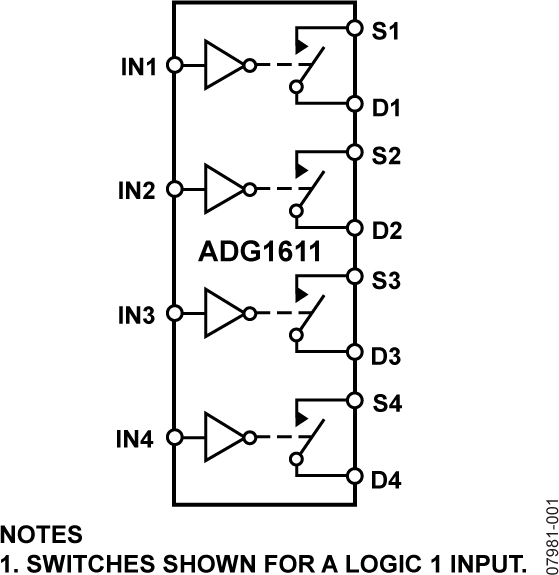
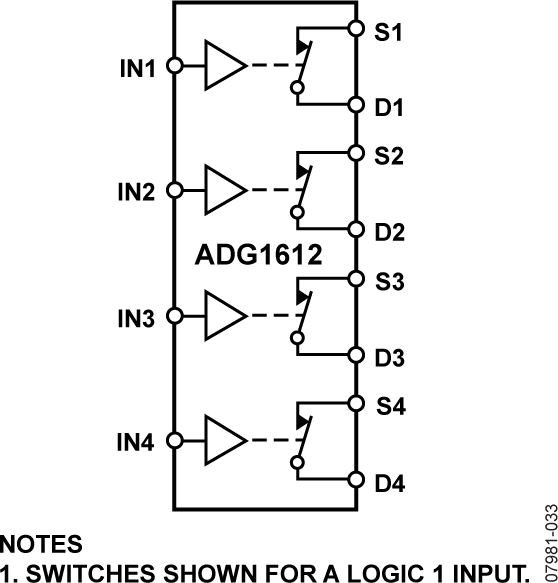
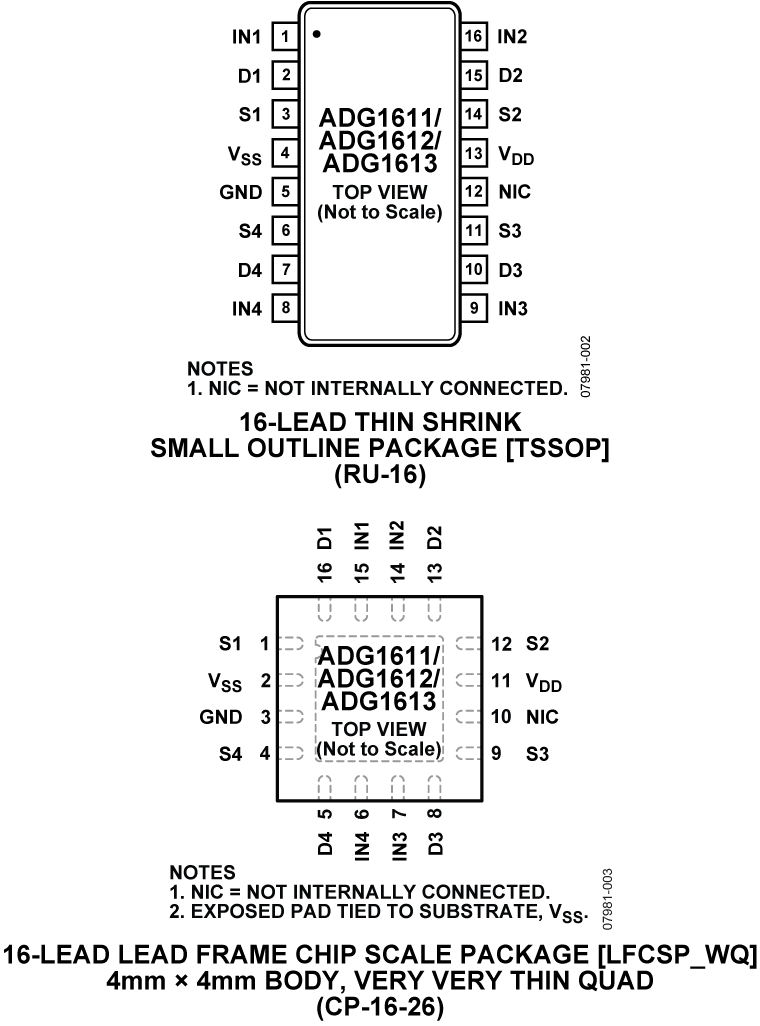
ADG16111 Ω Typical On Resistance, ±5 V, +12 V, +5 V, and +3.3 V Quad SPST Switches | Analog Switches, Multiplexers, Demultiplexers | 3 | Active | The ADG1611 /ADG1612/ADG1613contain four independent single-pole/single-throw (SPST) switches. The ADG1611 and ADG1612 differ only in that the digital control logic is inverted. The ADG1611 switches are turned on with Logic 0 on the appropriate control input, while Logic 1 is required for the ADG1612 switches. The ADG1613 has two switches with digital control logic similar to that of the ADG1611; the logic is inverted on the other two switches. Each switch conducts equally well in both directions when on and has an input signal range that extends to the supplies. In the off condition, signal levels up to the supplies are blocked.The ADG1613 exhibits break-before-make switching action for use in multiplexer applications. Inherent in the design is the low charge injection for minimum transients when switching the digital inputs.The ultralow on resistance of these switches make them ideal solutions for data acquisition and gain switching applications where low on resistance and distortion is critical. The on resistance profile is very flat over the full analog input range, ensuring excellent linearity and low distortion when switching audio signals.The CMOS construction ensures ultralow power dissipation, making them ideally suited for portable and battery-powered instruments.PRODUCT HIGHLIGHTS1.6 Ω maximum on resistance over temperatureMinimum distortion: THD + N = 0.007%3 V logic-compatible digital inputs: VINH= 2.0 V, VINL= 0.8 VNo VLlogic power supply required.Ultralow power dissipation: <16 nW16-lead TSSOP and 16-lead, 4 mm × 4 mm LFCSPAPPLICATIONSCommunication systemsMedical systemsAudio signal routingVideo signal routingAutomatic test equipmentData acquisition systemsBattery-powered systemsSample-and-hold systemsRelay replacements |
ADG16121 Ω Typical On Resistance, ±5 V, +12 V, +5 V, and +3.3 V Quad SPST Switches | Interface | 2 | Active | TheADG1611/ ADG1612 /ADG1613contain four independent single-pole/single-throw (SPST) switches. The ADG1611 and ADG1612 differ only in that the digital control logic is inverted. The ADG1611 switches are turned on with Logic 0 on the appropriate control input, while Logic 1 is required for the ADG1612 switches. The ADG1613 has two switches with digital control logic similar to that of the ADG1611; the logic is inverted on the other two switches. Each switch conducts equally well in both directions when on and has an input signal range that extends to the supplies. In the off condition, signal levels up to the supplies are blocked.The ADG1613 exhibits break-before-make switching action for use in multiplexer applications. Inherent in the design is the low charge injection for minimum transients when switching the digital inputs.The ultralow on resistance of these switches make them ideal solutions for data acquisition and gain switching applications where low on resistance and distortion is critical. The on resistance profile is very flat over the full analog input range, ensuring excellent linearity and low distortion when switching audio signals.The CMOS construction ensures ultralow power dissipation, making them ideally suited for portable and battery-powered instruments.PRODUCT HIGHLIGHTS1.6 Ω maximum on resistance over temperatureMinimum distortion: THD + N = 0.007%3 V logic-compatible digital inputs: VINH= 2.0 V, VINL= 0.8 VNo VLlogic power supply required.Ultralow power dissipation: <16 nW16-lead TSSOP and 16-lead, 4 mm × 4 mm LFCSPAPPLICATIONSCommunication systemsMedical systemsAudio signal routingVideo signal routingAutomatic test equipmentData acquisition systemsBattery-powered systemsSample-and-hold systemsRelay replacements |
ADG16131 Ω Typical On Resistance, ±5 V, +12 V, +5 V, and +3.3 V Quad SPST Switches | Interface | 1 | Active | TheADG1611/ADG1612/ ADG1613 contain four independent single-pole/single-throw (SPST) switches. The ADG1611 and ADG1612 differ only in that the digital control logic is inverted. The ADG1611 switches are turned on with Logic 0 on the appropriate control input, while Logic 1 is required for the ADG1612 switches. The ADG1613 has two switches with digital control logic similar to that of the ADG1611; the logic is inverted on the other two switches. Each switch conducts equally well in both directions when on and has an input signal range that extends to the supplies. In the off condition, signal levels up to the supplies are blocked.The ADG1613 exhibits break-before-make switching action for use in multiplexer applications. Inherent in the design is the low charge injection for minimum transients when switching the digital inputs.The ultralow on resistance of these switches make them ideal solutions for data acquisition and gain switching applications where low on resistance and distortion is critical. The on resistance profile is very flat over the full analog input range, ensuring excellent linearity and low distortion when switching audio signals.The CMOS construction ensures ultralow power dissipation, making them ideally suited for portable and battery-powered instruments.PRODUCT HIGHLIGHTS1.6 Ω maximum on resistance over temperatureMinimum distortion: THD + N = 0.007%3 V logic-compatible digital inputs: VINH= 2.0 V, VINL= 0.8 VNo VLlogic power supply required.Ultralow power dissipation: <16 nW16-lead TSSOP and 16-lead, 4 mm × 4 mm LFCSPAPPLICATIONSCommunication systemsMedical systemsAudio signal routingVideo signal routingAutomatic test equipmentData acquisition systemsBattery-powered systemsSample-and-hold systemsRelay replacements |
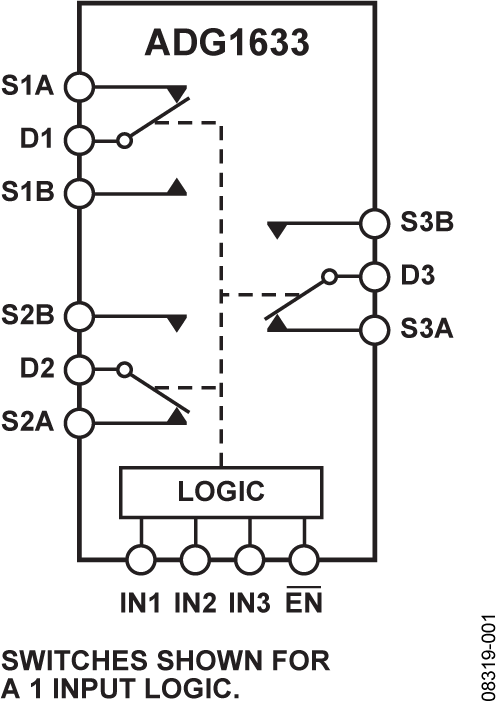
ADG16334.5 Ω RON, Triple SPDT ±5 V, +12 V, +5 V, and +3.3 V Switch | Interface | 2 | Active | The ADG1633 andADG1634are monolithic industrial CMOS (iCMOS®) analog switches comprising three independently selectable single-pole, double-throw (SPDT) switches and four independently selectable SPDT switches, respectively.All channels exhibit break-before-make switching action that prevents momentary shorting when switching channels. AnENinput on the ADG1633 (LFCSP and TSSOP packages) and ADG1634 (LFCSP package only) is used to enable or disable the devices. When disabled, all channels are switched off.The ultralow on resistance and on-resistance flatness of these switches make them ideal solutions for data acquisition and gain switching applications, where low distortion is critical.iCMOS construction ensures ultralow power dissipation, making the parts ideally suited for portable and battery-powered instruments.ApplicationsCommunication systemsMedical systemsAudio signal routingVideo signal routingAutomatic test equipmentData acquisition systemsBattery-powered systemsSample-and-hold systemsRelay replacements |