ATUC64L4U-ZAUT
Active32 BIT MICROCONTROLLER, AVR32 FAMILY ATUC SERIES MICROCONTROLLERS, AVR, 32 BIT, 50 MHZ, 64 KB
Deep-Dive with AI
Search across all available documentation for this part.
ATUC64L4U-ZAUT
Active32 BIT MICROCONTROLLER, AVR32 FAMILY ATUC SERIES MICROCONTROLLERS, AVR, 32 BIT, 50 MHZ, 64 KB
Deep-Dive with AI
Technical Specifications
Parameters and characteristics for this part
| Specification | ATUC64L4U-ZAUT |
|---|---|
| Core Processor | AVR |
| Core Size | 32-Bit Single-Core |
| Data Converters [custom] | 12 b |
| Data Converters [custom] | 8 |
| Mounting Type | Surface Mount |
| Number of I/O | 36 |
| Operating Temperature [Max] | 85 °C |
| Operating Temperature [Min] | -40 °C |
| Oscillator Type | Internal |
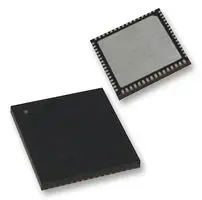
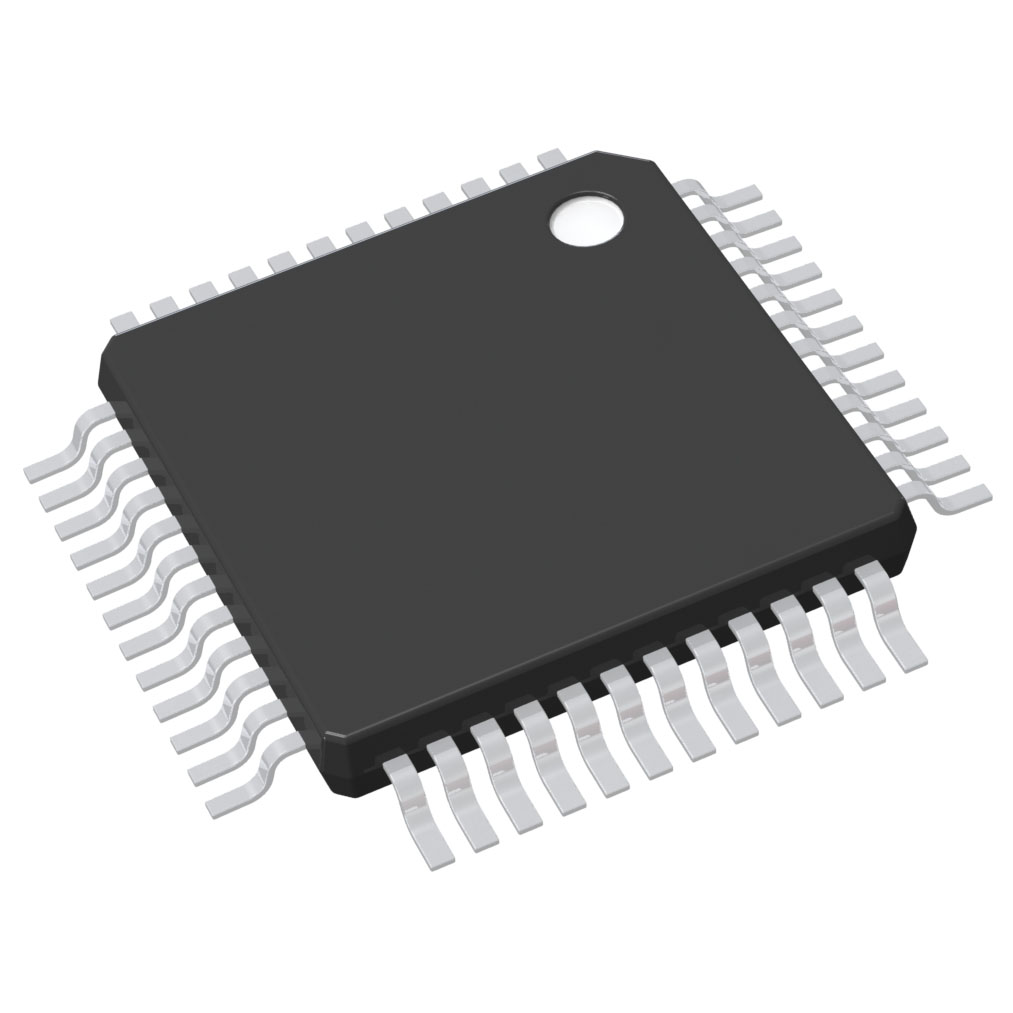
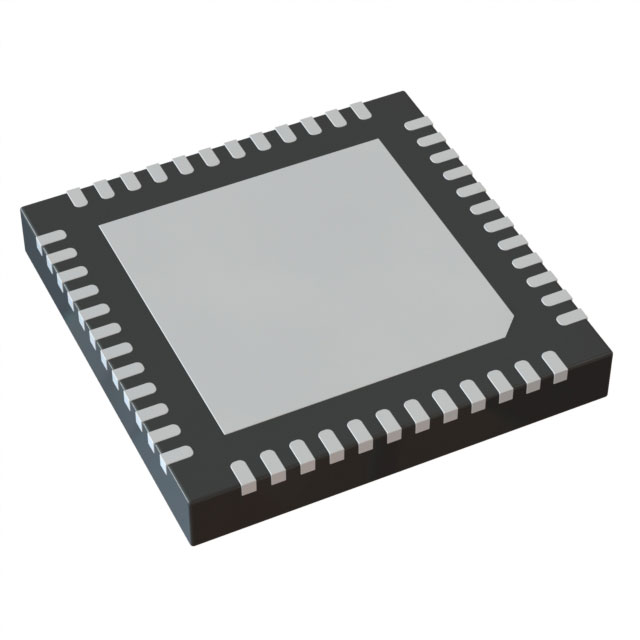
| Package / Case | 48-VFQFN Exposed Pad |
| Peripherals | Brown-out Detect/Reset, DMA, POR, WDT, PWM |
| Program Memory Size | 64 KB |
| Program Memory Type | FLASH |
| RAM Size | 16 K |
| Speed | 50 MHz |
| Supplier Device Package | 48-QFN (7x7) |
| Voltage - Supply (Vcc/Vdd) [Max] | 3.6 V |
| Voltage - Supply (Vcc/Vdd) [Min] | 1.62 V |
Pricing
Prices provided here are for design reference only. For realtime values and availability, please visit the distributors directly
| Distributor | Package | Quantity | $ | |
|---|---|---|---|---|
| Digikey | Bulk | 43 | $ 7.13 | |
| Tray | 416 | $ 5.80 | ||
| Microchip Direct | TRAY | 1 | $ 7.04 | |
| 25 | $ 6.39 | |||
| 100 | $ 5.80 | |||
| 1000 | $ 5.30 | |||
| 5000 | $ 5.08 | |||
| Newark | Each | 100 | $ 5.98 | |
Description
General part information
ATUC64L3U Series
The high-performance 32-bit AVR microcontroller is designed for cost-sensitive embedded applications that require low power consumption, high code density, and high performance. The device includes USB Full-speed device interface.
The microcontroller's Memory Protection Unit (MPU) and fast, flexible interrupt controller support the latest real-time operating systems. The Secure Access Unit (SAU) with MPU provides enhanced security and integrity. Higher computation capability is achieved using a rich set of DSP instructions.
The microcontroller embeds state-of-the-art picoPower technology for ultra-low power consumption. Combinations of power control techniques bring active current consumption down to 165µA/MHz and leakage down to 9nA while still retaining a bank of backup registers. The device offers a wide range of trade-offs between functionality and power consumption to reach the lowest possible power usage for the application's required feature set.
Documents
Technical documentation and resources