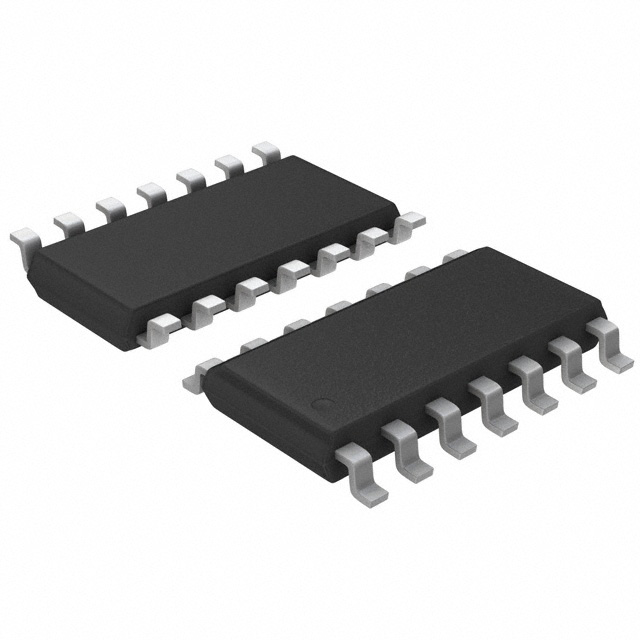
SN74AHCT125D
Obsolete4-CH, 4.5-V TO 5.5-V BUFFERS WITH TTL-COMPATIBLE CMOS INPUTS AND 3-STATE OUTPUTS
Deep-Dive with AI
Search across all available documentation for this part.
SN74AHCT125D
Obsolete4-CH, 4.5-V TO 5.5-V BUFFERS WITH TTL-COMPATIBLE CMOS INPUTS AND 3-STATE OUTPUTS
Deep-Dive with AI
Technical Specifications
Parameters and characteristics for this part
| Specification | SN74AHCT125D |
|---|---|
| Current - Output High, Low [custom] | 8 mA |
| Current - Output High, Low [custom] | 8 mA |
| Logic Type | Buffer, Non-Inverting |
| Mounting Type | Surface Mount |
| Number of Bits per Element | 1 |
| Number of Elements | 4 |
| Operating Temperature [Max] | 85 °C |
| Operating Temperature [Min] | -40 °C |
| Output Type | 3-State |
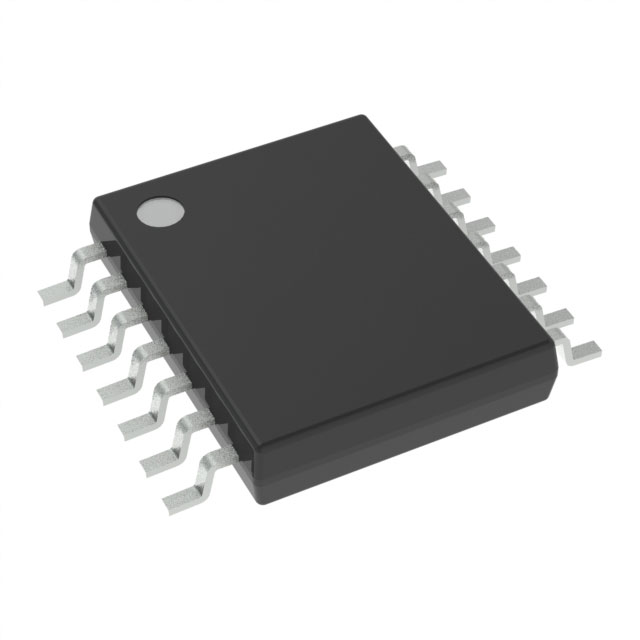
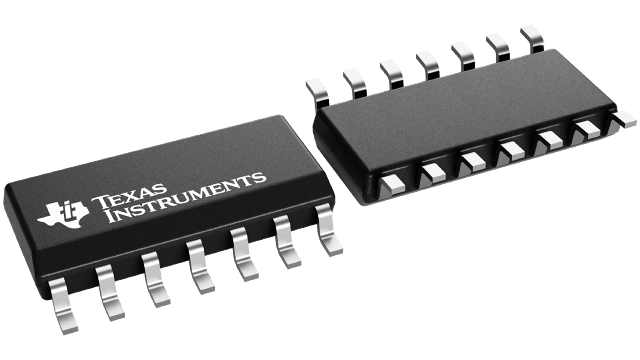
| Package / Case | 14-SOIC |
| Package / Case [x] | 0.154 in |
| Package / Case [y] | 3.9 mm |
| Voltage - Supply [Max] | 5.5 V |
| Voltage - Supply [Min] | 4.5 V |
Pricing
Prices provided here are for design reference only. For realtime values and availability, please visit the distributors directly
| Distributor | Package | Quantity | $ | |
|---|---|---|---|---|
| Digikey | Tube | 1 | $ 1.10 | |
| 10 | $ 0.99 | |||
| 50 | $ 0.94 | |||
| 100 | $ 0.77 | |||
| 250 | $ 0.72 | |||
| 500 | $ 0.64 | |||
| 1000 | $ 0.50 | |||
| Texas Instruments | TUBE | 1 | $ 0.82 | |
| 100 | $ 0.63 | |||
| 250 | $ 0.46 | |||
| 1000 | $ 0.33 | |||
Description
General part information
SN74AHCT125-EP Series
The SN74AHCT125-Q1 devices are quadruple bus buffer gates featuring independent line drivers with 3-state outputs. Each output is disabled when the associated output-enable ( OE) input is high. When OE is low, the respective gate passes the data from the A input to its Y output.
To ensure the high-impedance state during power up or power down, OE should be tied to V CC through a pullup resistor; the minimum value of the resistor is determined by the current-sinking capability of the driver.
The SN74AHCT125-Q1 devices are quadruple bus buffer gates featuring independent line drivers with 3-state outputs. Each output is disabled when the associated output-enable ( OE) input is high. When OE is low, the respective gate passes the data from the A input to its Y output.
Documents
Technical documentation and resources