ADA4899-1YRD-EBZ
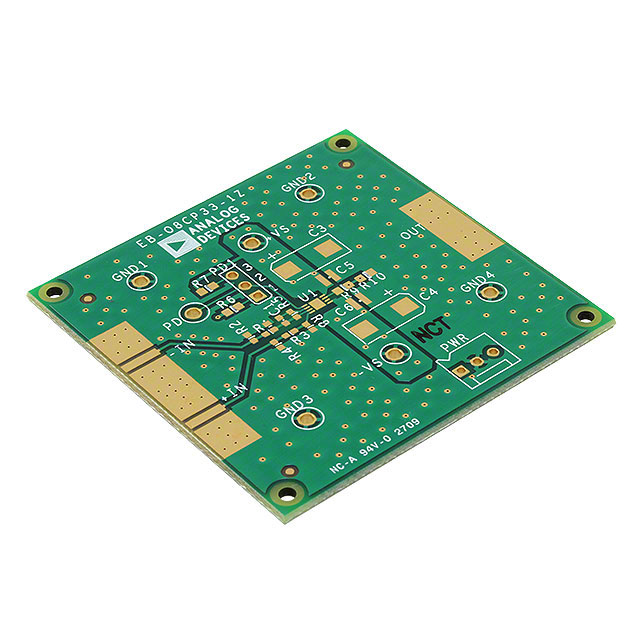
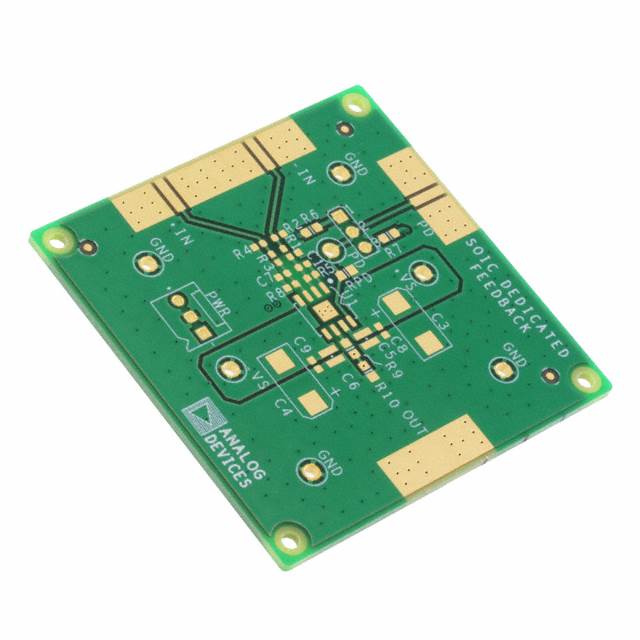
ObsoleteBOARD EVAL FOR ADA4899-1YRD
Deep-Dive with AI
Search across all available documentation for this part.
ADA4899-1YRD-EBZ
ObsoleteBOARD EVAL FOR ADA4899-1YRD
Deep-Dive with AI
Technical Specifications
Parameters and characteristics for this part
| Specification | ADA4899-1YRD-EBZ |
|---|---|
| Amplifier Type | Voltage Feedback |
| Board Type | Bare (Unpopulated) |
| Channels per IC | 1 - Single |
| Contents | Unpopulated (Bare) Board(s) |
| Supplied Contents | Board(s) |
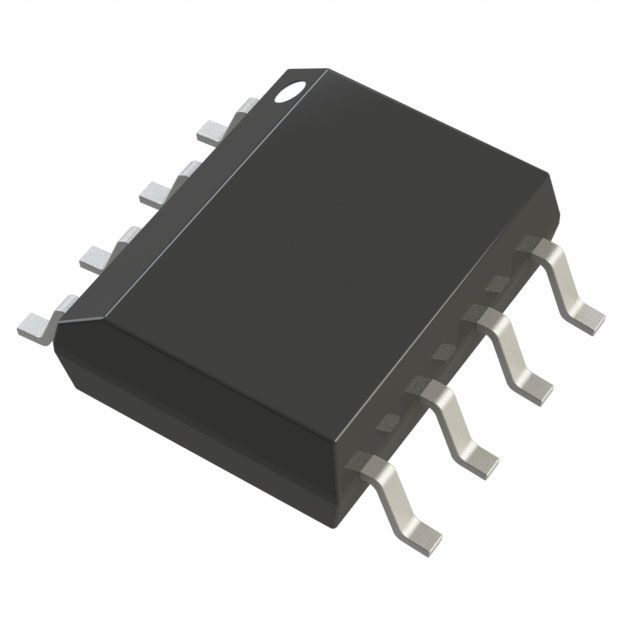
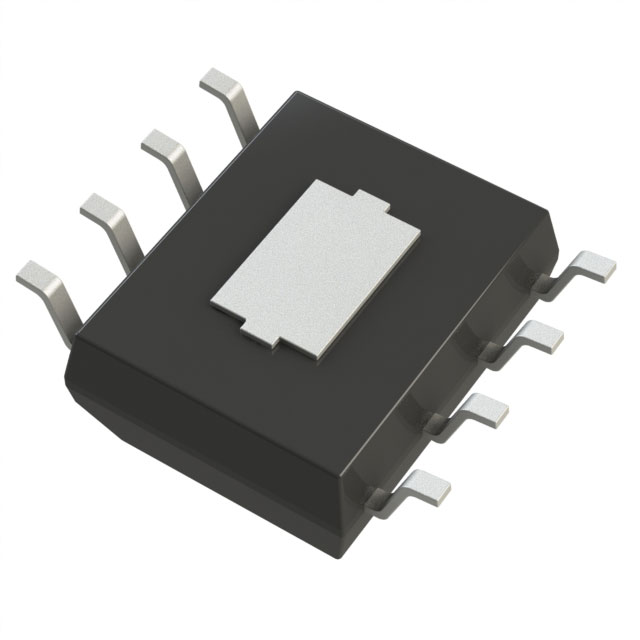
| Utilized IC / Part | 8-SOIC Package |
Pricing
Prices provided here are for design reference only. For realtime values and availability, please visit the distributors directly
| Distributor | Package | Quantity | $ | |
|---|---|---|---|---|
Description
General part information
ADA4899-1 Series
The ADA4899-1 is an ultralow noise (1 nV/√Hz) and distortion (<−117 dBc @1 MHz) unity-gain stable voltage feedback op amp, the combination of which makes it ideal for 16-bit and 18-bit systems. The ADA4899-1 features a linear, low noise input stage and internal compensation that achieves high slew rates and low noise even at unity gain. The Analog Devices, Inc. proprietary next-generation XFCB process and innovative circuit design enable such high performance amplifiers.The ADA4899-1 drives 100 Ω loads at breakthrough performance levels with only 15 mA of supply current. With the wide supply voltage range (4.5 V to 12 V), low offset voltage (230 μV maxi-mum), wide bandwidth (600 MHz), and slew rate (310 V/μs), the ADA4899-1 is designed to work in the most demanding applications. The ADA4899-1 also features an input bias current cancellation mode that reduces input bias current by a factor of 60.The ADA4899-1 is available in a 3 mm × 3 mm LFCSP and an 8-lead SOIC package. Both packages feature an exposed metal paddle that improves heat transfer to the ground plane, which is a significant improvement over traditional plastic packages. The ADA4899-1 is rated to work over the extended industrial temperature range, −40°C to +125°C.ApplicationsAnalog-to-digital driversInstrumentationFiltersIF and baseband amplifiersDAC buffersOptical electronics
Documents
Technical documentation and resources