TPS7B8250EPWPRQ1
ActiveAUTOMOTIVE 300-MA, OFF-BATTERY (40-V), ULTRA-LOW-IQ LDO WITH ENABLE IN AEC-Q100 GRADE-0 AND GRADE-1
Deep-Dive with AI
Search across all available documentation for this part.
TPS7B8250EPWPRQ1
ActiveAUTOMOTIVE 300-MA, OFF-BATTERY (40-V), ULTRA-LOW-IQ LDO WITH ENABLE IN AEC-Q100 GRADE-0 AND GRADE-1
Technical Specifications
Parameters and characteristics for this part
| Specification | TPS7B8250EPWPRQ1 |
|---|---|
| Control Features | Enable |
| Current - Output | 300 mA |
| Current - Quiescent (Iq) | 5 µA |
| Grade | Automotive |
| Mounting Type | Surface Mount |
| Number of Regulators | 1 |
| Operating Temperature [Max] | 150 °C |
| Operating Temperature [Min] | -40 °C |
| Output Configuration | Positive |
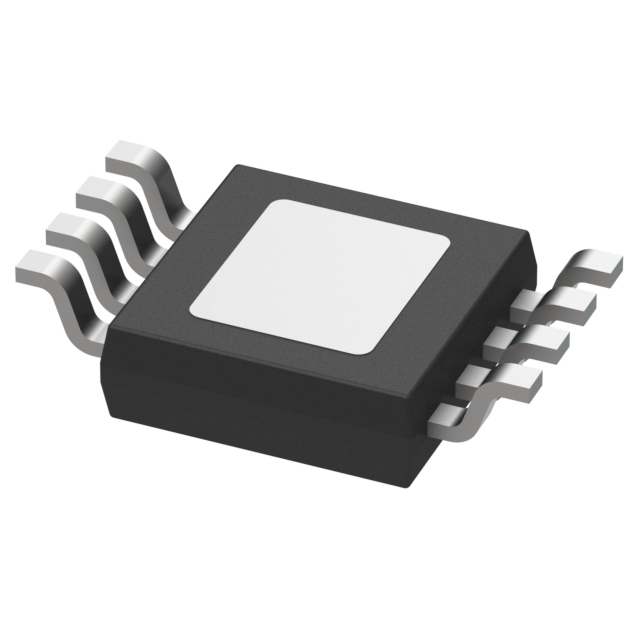
| Package / Case | 14-PowerTSSOP (0.173", 4.40mm Width) |
| Protection Features | Over Current, Under Voltage Lockout (UVLO), Over Temperature |
| PSRR | 60 dB |
| Qualification | AEC-Q100 |
| Supplier Device Package | 14-HTSSOP |
| Voltage - Output (Min/Fixed) | 5 V |
Pricing
Prices provided here are for design reference only. For realtime values and availability, please visit the distributors directly
| Distributor | Package | Quantity | $ | |
|---|---|---|---|---|
| Digikey | N/A | 1732 | $ 2.79 | |
| Texas Instruments | LARGE T&R | 1 | $ 2.33 | |
| 100 | $ 1.93 | |||
| 250 | $ 1.38 | |||
| 1000 | $ 1.04 | |||
Description
General part information
TPS7B82-Q1 Series
In automotive battery-connected applications, low quiescent current (I Q) is important to save power and extend battery lifetime. Ultra-low I Q must be included for always-on systems.
The TPS7B82-Q1 is a low-dropout linear regulator designed to operate with a wide input-voltage range from 3 V to 40 V (45-V load dump protection). Operation down to 3 V allows the TPS7B82-Q1 to continue operating during cold-crank and start and stop conditions. With only 2.7-µA typical quiescent current at light load, this device is an optimal solution for powering microcontrollers (MCUs) and CAN/LIN transceivers in standby systems.
The device features integrated short-circuit and overcurrent protection. This device operates in ambient temperatures from –40°C to +125°C and with junction temperatures from –40°C to +150°C. Additionally, this device uses a thermally conductive package to enable sustained operation despite significant dissipation across the device. Because of these features, the device is designed as a power supply for various automotive applications.
Documents
Technical documentation and resources