DP83867ERGZT
ActiveEXTENDED TEMPERATURE, ROBUST LOW-LATENCY GIGABIT ETHERNET PHY TRANSCEIVER WITH SGMII
Deep-Dive with AI
Search across all available documentation for this part.
DP83867ERGZT
ActiveEXTENDED TEMPERATURE, ROBUST LOW-LATENCY GIGABIT ETHERNET PHY TRANSCEIVER WITH SGMII
Technical Specifications
Parameters and characteristics for this part
| Specification | DP83867ERGZT |
|---|---|
| Function | Physical Layer Controller |
| Interface | Serial |
| Operating Temperature [Max] | 105 ░C |
| Operating Temperature [Min] | -40 °C |
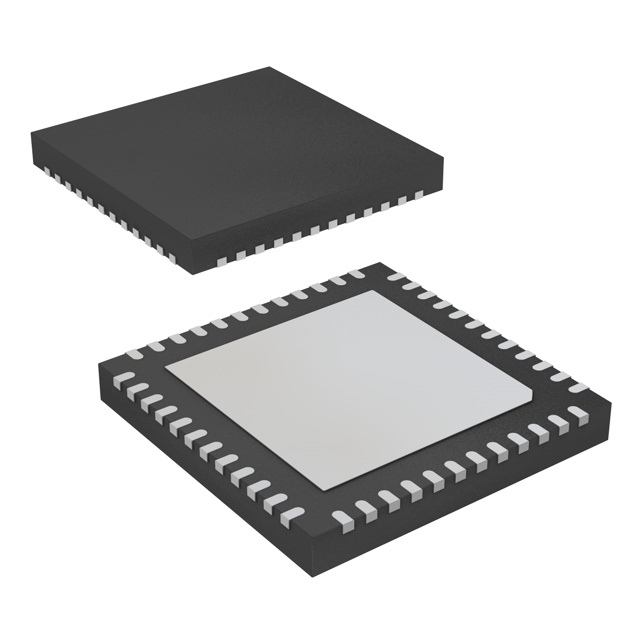
| Package / Case | 48-VFQFN Exposed Pad |
| Protocol | Ethernet |
| Standards | 10/100/1000 Base-TX PHY |
| Supplier Device Package | 48-VQFN (7x7) |
| Voltage - Supply | 2.5 V, 1.1 V |
Pricing
Prices provided here are for design reference only. For realtime values and availability, please visit the distributors directly
| Distributor | Package | Quantity | $ | |
|---|---|---|---|---|
| Digikey | Cut Tape (CT) | 1 | $ 12.20 | |
| 10 | $ 11.21 | |||
| 25 | $ 10.74 | |||
| 100 | $ 9.47 | |||
| Digi-Reel® | 1 | $ 12.20 | ||
| 10 | $ 11.21 | |||
| 25 | $ 10.74 | |||
| 100 | $ 9.47 | |||
| Tape & Reel (TR) | 250 | $ 9.00 | ||
| 500 | $ 8.42 | |||
| 1250 | $ 7.72 | |||
| Texas Instruments | SMALL T&R | 1 | $ 9.54 | |
| 100 | $ 8.34 | |||
| 250 | $ 6.43 | |||
| 1000 | $ 5.75 | |||
Description
General part information
DP83867CR Series
The DP83867 device is a robust, low power, fully featured Physical Layer transceiver with integrated PMD sublayers to support 10BASE-Te, 100BASE-TX and 1000BASE-T Ethernet protocols. Optimized for ESD protection, the DP83867 exceeds 8kV IEC 61000-4-2 (direct contact).
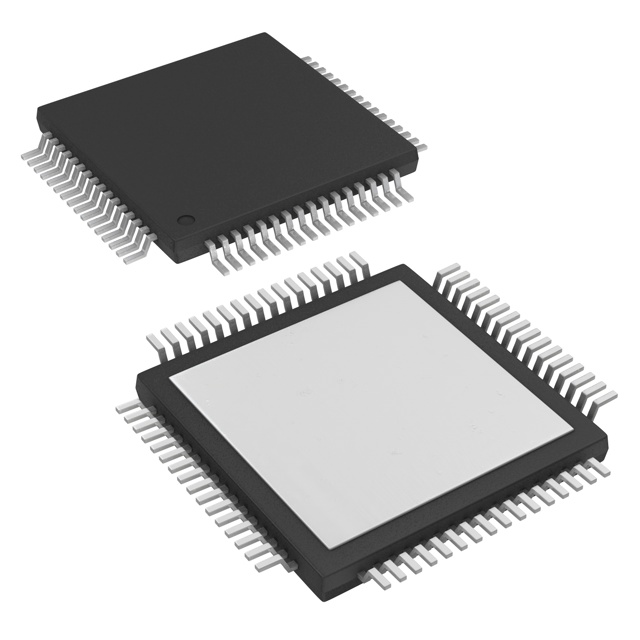
The DP83867 is designed for easy implementation of 10/100/1000Mbps Ethernet LANs. DP83867 interfaces directly to twisted pair media via an external transformer. This device interfaces directly to the MAC layer through the IEEE 802.3 Standard Media Independent Interface (MII), the IEEE 802.3 Gigabit Media Independent Interface (GMII) or Reduced GMII (RGMII). The QFP package supports MII/GMII/RGMII whereas the QFN package supports RGMII.
The DP83867 provides precision clock synchronization, including a synchronous Ethernet clock output. DP83867 has low latency and provides IEEE 1588 Start of Frame Detection.
Documents
Technical documentation and resources