TPS65941120RWERQ1
ActiveAUTOMOTIVE 2.8-V TO 5.5-V PMIC WITH FIVE BUCK REGULATORS AND FOUR LOW-DROPOUT REGULATORS
Deep-Dive with AI
Search across all available documentation for this part.
TPS65941120RWERQ1
ActiveAUTOMOTIVE 2.8-V TO 5.5-V PMIC WITH FIVE BUCK REGULATORS AND FOUR LOW-DROPOUT REGULATORS
Deep-Dive with AI
Technical Specifications
Parameters and characteristics for this part
| Specification | TPS65941120RWERQ1 |
|---|---|
| Current - Supply | 19 mA |
| Grade | Automotive |
| Mounting Type | Wettable Flank, Surface Mount |
| Operating Temperature [Max] | 125 °C |
| Operating Temperature [Min] | -40 °C |
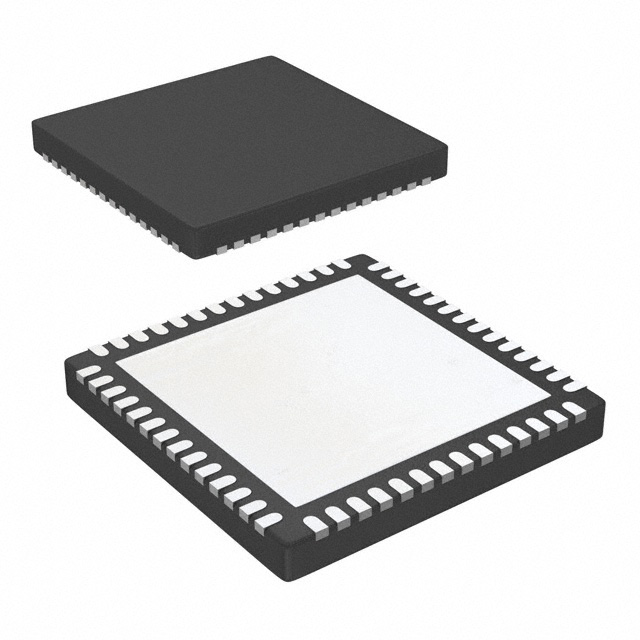
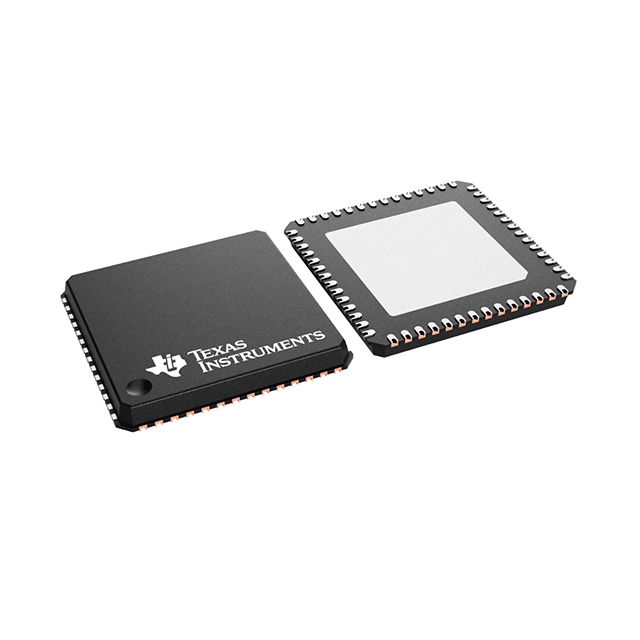
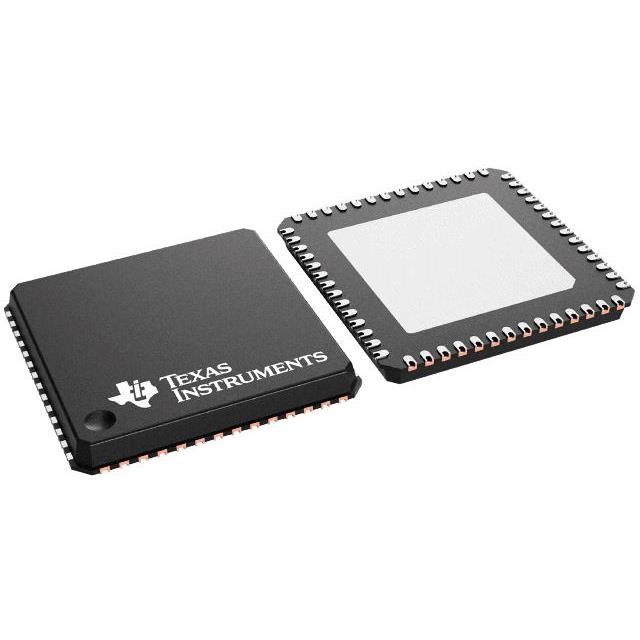
| Package / Case | 56-VFQFN Exposed Pad |
| Qualification | AEC-Q100 |
| Supplier Device Package | 56-VQFNP (8x8) |
| Voltage - Supply [Max] | 5.5 V |
| Voltage - Supply [Min] | 3 V |
Pricing
Prices provided here are for design reference only. For realtime values and availability, please visit the distributors directly
| Distributor | Package | Quantity | $ | |
|---|---|---|---|---|
| Digikey | Cut Tape (CT) | 1 | $ 10.47 | |
| 10 | $ 9.46 | |||
| 25 | $ 9.02 | |||
| 100 | $ 7.83 | |||
| 250 | $ 7.48 | |||
| 500 | $ 6.82 | |||
| 1000 | $ 5.94 | |||
| Digi-Reel® | 1 | $ 10.47 | ||
| 10 | $ 9.46 | |||
| 25 | $ 9.02 | |||
| 100 | $ 7.83 | |||
| 250 | $ 7.48 | |||
| 500 | $ 6.82 | |||
| 1000 | $ 5.94 | |||
| N/A | 1264 | $ 11.23 | ||
| Tape & Reel (TR) | 2000 | $ 5.72 | ||
| Texas Instruments | LARGE T&R | 1 | $ 8.02 | |
| 100 | $ 6.54 | |||
| 250 | $ 5.14 | |||
| 1000 | $ 4.36 | |||
Description
General part information
TPS6594-Q1 Series
The TPS6594-Q1 device provides four flexible multi-phase configurable BUCK regulators with 3.5 A output current per phase, and one additional BUCK regulator with 2 A output current.
All of the BUCK regulators can be synchronized to an internal 2.2-MHz or 4.4-MHz or an external 1-MHz, 2-MHz, or 4-MHz clock signal. To improve the EMC performance, an integrated spread-spectrum modulation can be added to the synchronized BUCK switching clock signal. This clock signal can also be made available to external devices through a GPIO output pin. The device provides four LDOs: three with 500-mA capability, which can be configured as load switches; one with 300-mA capability and low-noise performance.
Non-volatile memory (NVM) is used to control the default power sequences and default configurations, such as output voltage and GPIO configurations. The NVM is pre-programmed to allow start-up without external programming. Most static configurations, stored in the register map of the device, can be changed from the default through SPI or I2C interfaces to configure the device to meet many different system needs. The NVM contains a bit-integrity-error detection feature (CRC) to stop the power-up sequence if an error is detected, preventing the system from starting in an unknown state.
Documents
Technical documentation and resources