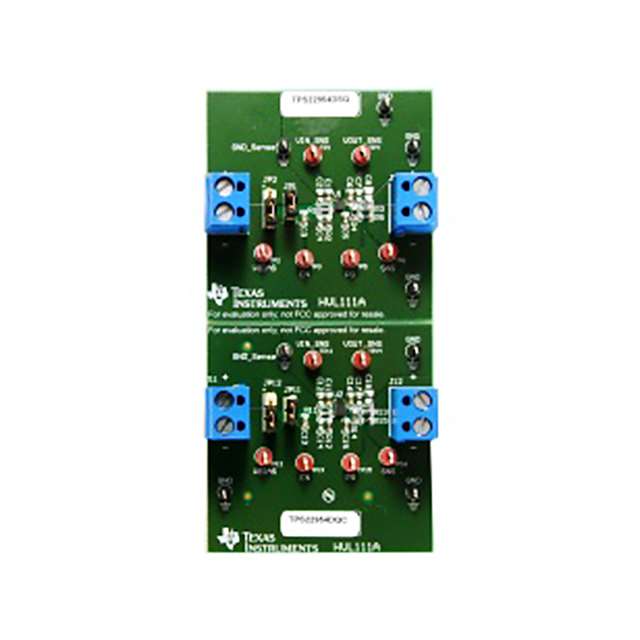
TPS22954EVM
ActiveTPS22954 POWER SWITCH 5.7V OUTPUT EVALUATION BOARD
Deep-Dive with AI
Search across all available documentation for this part.
TPS22954EVM
ActiveTPS22954 POWER SWITCH 5.7V OUTPUT EVALUATION BOARD
Deep-Dive with AI
Technical Specifications
Parameters and characteristics for this part
| Specification | TPS22954EVM |
|---|---|
| Embedded | False |
| Function | Power Distribution Switch (Load Switch) |
| Supplied Contents | Board(s) |
| Type | Power Management |
| Utilized IC / Part | TPS22954 |
Pricing
Prices provided here are for design reference only. For realtime values and availability, please visit the distributors directly
| Distributor | Package | Quantity | $ | |
|---|---|---|---|---|
| Digikey | Box | 1 | $ 30.00 | |
Description
General part information
TPS22954 Series
The TPS22953/54 are small, single channel load switches with controlled turn on. The devices contain a N-channel MOSFET that can operate over an input voltage range of 0.7 V to 5.7 V and can support a maximum continuous current of 5 A.
The integrated adjustable undervoltage lockout (UVLO) and adjustable power good (PG) threshold provides voltage monitoring as well as robust power sequencing. The adjustable rise time control of the device greatly reduces inrush current for a wide variety of bulk load capacitances, thereby reducing or eliminating power supply droop. The switch is independently controlled by an on and off input (EN), which is capable of interfacing directly with low-voltage control signals. A 15-Ω on-chip load is integrated into the device for a quick discharge of the output when switch is disabled. The enhanced Quick Output Discharge (QOD) remains active for short time after power is removed from the device to finish discharging the output.
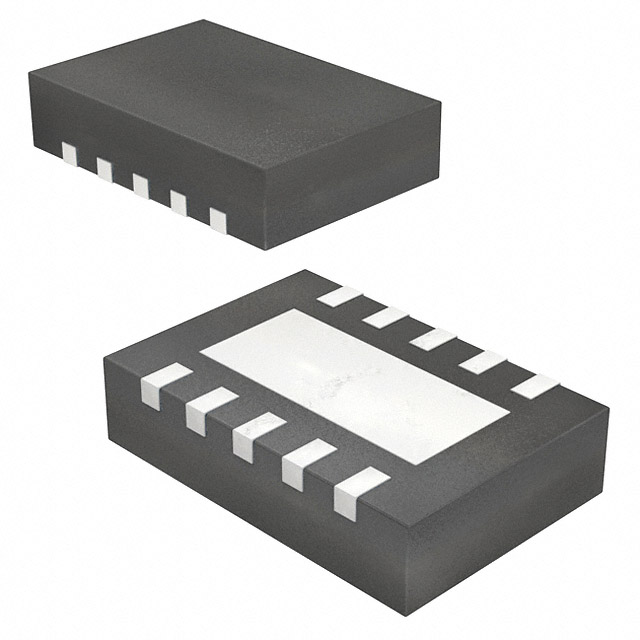
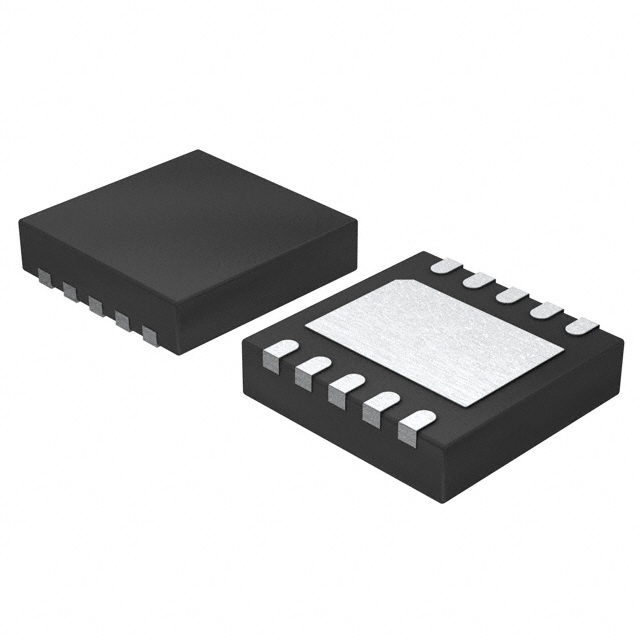
The TPS22953/54 are available in small, space-saving 10-SON packages with integrated thermal pad allowing for high power dissipation. The device is characterized for operation over the free-air temperature range of –40°C to +105°C.
Documents
Technical documentation and resources