Deep-Dive with AI
Search across all available documentation for this part.
Technical Specifications
Parameters and characteristics for this part
| Specification | HV9120P-G |
|---|---|
| Clock Sync | False |
| Control Features | Frequency Control, Enable, Reset |
| Duty Cycle (Max) [Max] | 49.4 % |
| Frequency - Switching | 3 MHz |
| Function | Step-Up/Step-Down |
| Mounting Type | Through Hole |
| Number of Outputs | 1 |
| Operating Temperature [Max] | 125 ¯C |
| Operating Temperature [Min] | -55 °C |
| Output Configuration | Positive |
| Output Phases | 1 |
| Output Type | Transistor Driver |
| Package / Case | 0.3 in |
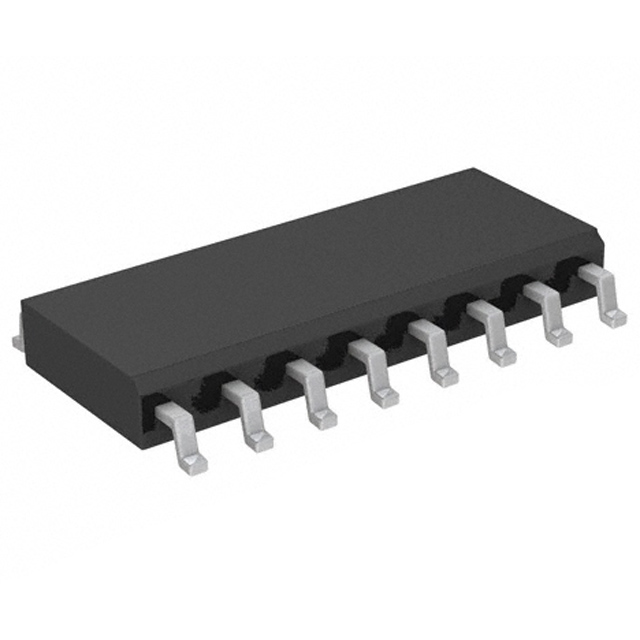
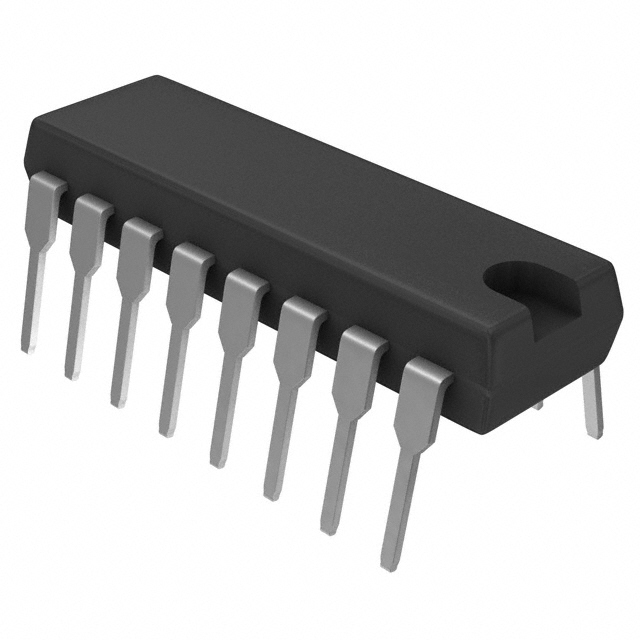
| Package / Case | 16-DIP |
| Package / Case | 7.62 mm |
| Supplier Device Package | 16-PDIP |
| Synchronous Rectifier | False |
| Topology | Flyback |
| Voltage - Supply (Vcc/Vdd) [Max] | 450 V |
| Voltage - Supply (Vcc/Vdd) [Min] | 10 V |
Pricing
Prices provided here are for design reference only. For realtime values and availability, please visit the distributors directly
| Distributor | Package | Quantity | $ | |
|---|---|---|---|---|
| Digikey | Tube | 1 | $ 2.56 | |
| 25 | $ 2.14 | |||
| 100 | $ 1.94 | |||
| Microchip Direct | CTUBE | 1 | $ 2.56 | |
| 25 | $ 2.14 | |||
| 100 | $ 1.94 | |||
| 1000 | $ 1.88 | |||
| 5000 | $ 1.85 | |||
| 10000 | $ 1.83 | |||
Description
General part information
HV9120 Series
A unique input circuit allows the HV9120 to self-start directly from a high voltage input, and subsequently take the power to operate from one of the outputs of the converter it is controlling, allowing very efficient operation while maintaining input-to-output galvanic isolation limited in voltage only by the insulation system of the associated magnetic assembly. A ±2% internal bandgap reference, internal operational amplifier, very high speed comparator, and output buffer allow production of rugged, high performance, high efficiency power supplies of 50W or more, which can still be over 80% efficient at outputs of 1.0W or less. The wide dynamic range of the controller system allows designs with extremely wide line and load variations with much less difficulty and much higher efficiency than usual. The exceptionally wide input voltage range also allows better usage of energy stored in input dropout capacitors than with other PWM ICs. Remote on/off controls allow either latching or nonlatching remote shutdown. During shutdown, the power required is under 6.0mW.
For detailed circuit and application information, please refer to application notes AN-H13, AN-H21 to AN-H24.
Documents
Technical documentation and resources