SN74LV374ATPWRG4Q1
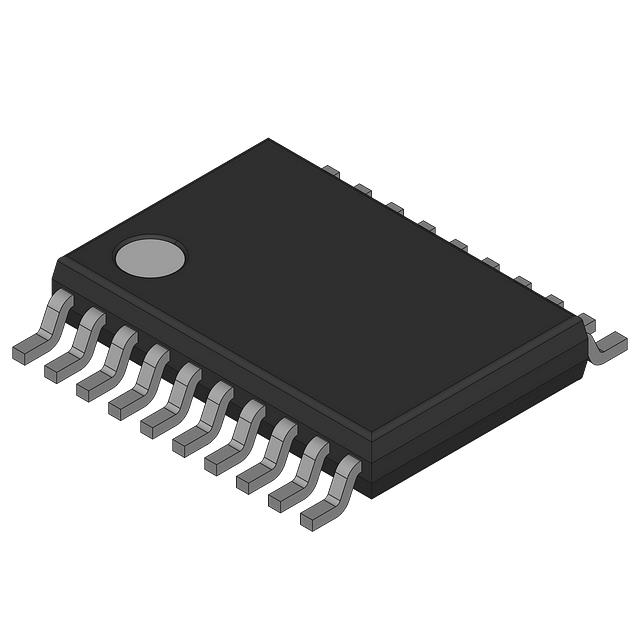
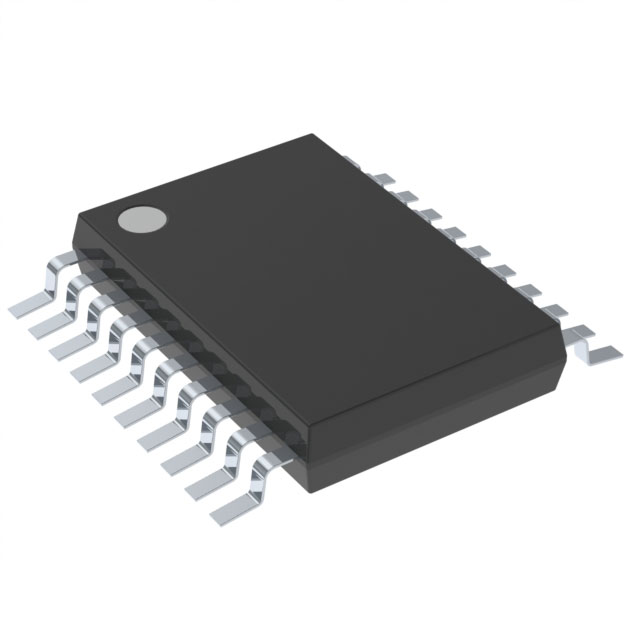
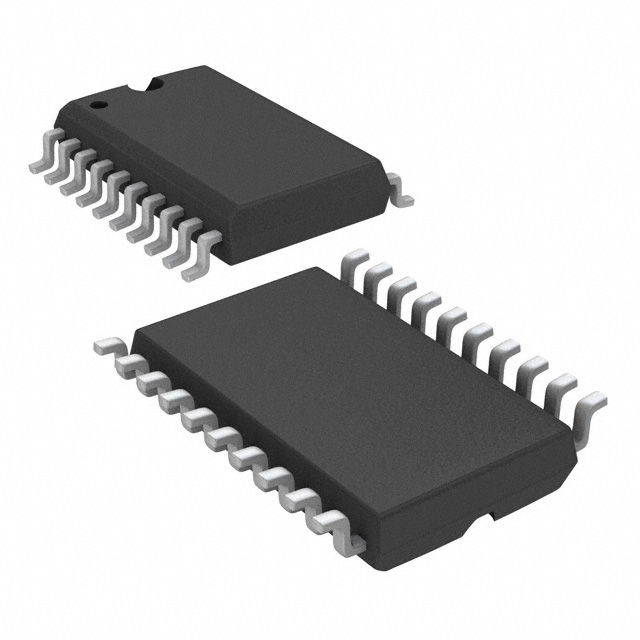
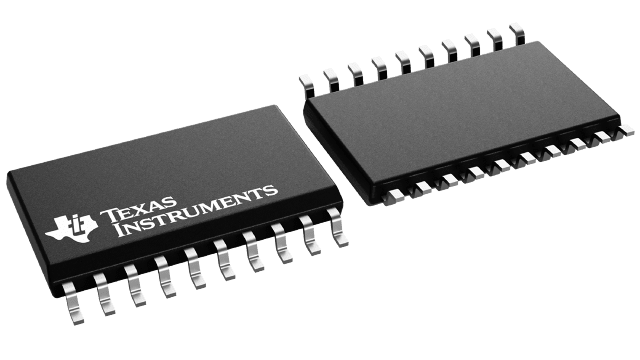
ActiveFLIP FLOP D-TYPE BUS INTERFACE POS-EDGE 3-ST 1-ELEMENT AUTOMOTIVE AEC-Q100 20-PIN TSSOP T/R
Deep-Dive with AI
Search across all available documentation for this part.
SN74LV374ATPWRG4Q1
ActiveFLIP FLOP D-TYPE BUS INTERFACE POS-EDGE 3-ST 1-ELEMENT AUTOMOTIVE AEC-Q100 20-PIN TSSOP T/R
Deep-Dive with AI
Technical Specifications
Parameters and characteristics for this part
| Specification | SN74LV374ATPWRG4Q1 |
|---|---|
| Clock Frequency | 170 MHz |
| Current - Output High, Low [custom] | 16 mA |
| Current - Output High, Low [custom] | 16 mA |
| Current - Quiescent (Iq) | 20 çA |
| Function | Standard |
| Grade | Automotive |
| Input Capacitance | 2.9 pF |
| Max Propagation Delay @ V, Max CL | 10.1 ns |
| Mounting Type | Surface Mount |
| Number of Bits per Element | 8 |
| Number of Elements | 1 |
| Operating Temperature [Max] | 105 °C |
| Operating Temperature [Min] | -40 °C |
| Output Type | Tri-State, Non-Inverted |
| Package / Case | 20-TSSOP |
| Package / Case [x] | 0.173 in |
| Package / Case [y] | 4.4 mm |
| Qualification | AEC-Q100 |
| Supplier Device Package | 20-TSSOP |
| Trigger Type | Positive Edge |
| Type | D-Type |
| Voltage - Supply [Max] | 5.5 V |
| Voltage - Supply [Min] | 2 V |
Pricing
Prices provided here are for design reference only. For realtime values and availability, please visit the distributors directly
| Distributor | Package | Quantity | $ | |
|---|---|---|---|---|
| Digikey | Tape & Reel (TR) | 2000 | $ 0.53 | |
| 6000 | $ 0.50 | |||
| 10000 | $ 0.48 | |||
| Texas Instruments | LARGE T&R | 1 | $ 0.99 | |
| 100 | $ 0.76 | |||
| 250 | $ 0.56 | |||
| 1000 | $ 0.40 | |||
Description
General part information
SN74LV374A-EP Series
The SN74LV374A is an octal edge-triggered D-type flip-flop designed for 2-V to 5.5-V VCCoperation.
This device features 3-state outputs designed specifically for driving highly capacitive or relatively low-impedance loads. It is particularly suitable for implementing buffer registers, I/O ports, bidirectional bus drivers, and working registers.
On the positive transition of the clock (CLK) input, the Q outputs are set to the logic levels set up at the data (D) inputs.
Documents
Technical documentation and resources