DRV2667RGPR
ActiveHAPTIC DRIVER FOR PIEZO WITH INTEGRATED 105-V BOOST CONVERTER, WAVEFORM MEMORY & DAC
Deep-Dive with AI
Search across all available documentation for this part.
DRV2667RGPR
ActiveHAPTIC DRIVER FOR PIEZO WITH INTEGRATED 105-V BOOST CONVERTER, WAVEFORM MEMORY & DAC
Deep-Dive with AI
Technical Specifications
Parameters and characteristics for this part
| Specification | DRV2667RGPR |
|---|---|
| Applications | Haptic Feedback |
| Function | Driver - Fully Integrated, Control and Power Stage |
| Interface | I2C, Analog |
| Motor Type - AC, DC | Piezo |
| Mounting Type | Surface Mount |
| Operating Temperature [Max] | 150 °C |
| Operating Temperature [Min] | -40 °C |
| Output Configuration | Differential |
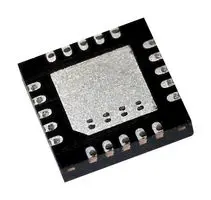
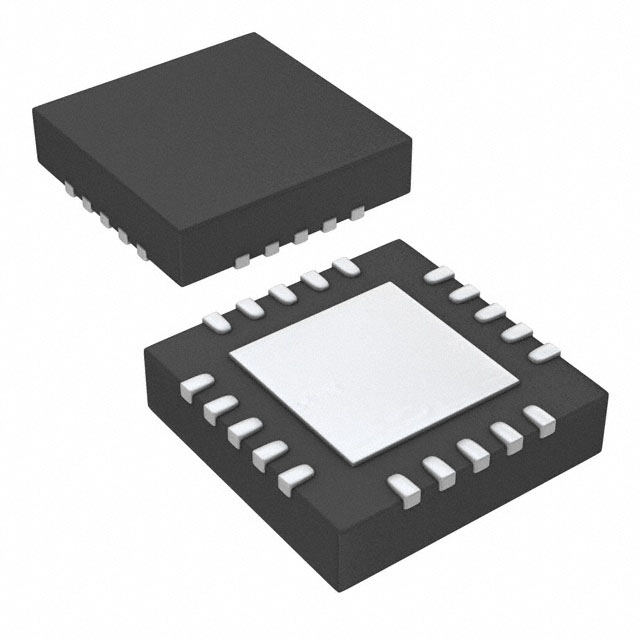
| Package / Case | 20-VFQFN Exposed Pad |
| Supplier Device Package | 20-QFN (4x4) |
| Technology | Power MOSFET |
| Voltage - Supply [Max] | 5.5 V |
| Voltage - Supply [Min] | 3 V |
Pricing
Prices provided here are for design reference only. For realtime values and availability, please visit the distributors directly
| Distributor | Package | Quantity | $ | |
|---|---|---|---|---|
| Digikey | Cut Tape (CT) | 1 | $ 3.31 | |
| 10 | $ 2.97 | |||
| 25 | $ 2.81 | |||
| 100 | $ 2.43 | |||
| 250 | $ 2.31 | |||
| 500 | $ 2.20 | |||
| Digi-Reel® | 1 | $ 3.31 | ||
| 10 | $ 2.97 | |||
| 25 | $ 2.81 | |||
| 100 | $ 2.43 | |||
| 250 | $ 2.31 | |||
| 500 | $ 2.20 | |||
| Tape & Reel (TR) | 3000 | $ 1.49 | ||
| Texas Instruments | LARGE T&R | 1 | $ 2.41 | |
| 100 | $ 2.12 | |||
| 250 | $ 1.48 | |||
| 1000 | $ 1.20 | |||
Description
General part information
DRV2667 Series
The DRV2667 device is a piezo haptic driver with integrated 105-V boost switch, integrated power diode, integrated fully-differential amplifier, and integrated digital front end capable of driving both high-voltage and low-voltage piezo haptic actuators. This versatile device supports HD haptics through the I 2C port or through the analog inputs.
The digital interface of the DRV2667 device is available through an I 2C-compatible bus. A digital interface relieves the costly processor burden of the PWM generation or additional analog channel requirements in the host system. Any writes to the internal FIFO will automatically wake up the device and begin playing the waveform after the 2-ms internal startup procedure. When the data flow stops or the FIFO under-runs, the device will automatically enter a pop-less shutdown procedure.
The DRV2667 device also includes waveform memory to store and recall waveforms with minimal latency as well as an advanced waveform synthesizer to construct complex haptic waveforms with minimal memory usage. This provide a means of hardware acceleration, relieving the host processor of haptic generation duties as well as minimizing bus traffic over the haptic interface.
Documents
Technical documentation and resources