


ADS1158IRTCR
Active16-BIT, 125KSPS, 16-CH DELTA-SIGMA ADC W/ FAST CHANNEL SCAN & AUTOMATIC SEQUENCER
Deep-Dive with AI
Search across all available documentation for this part.
ADS1158IRTCR
Active16-BIT, 125KSPS, 16-CH DELTA-SIGMA ADC W/ FAST CHANNEL SCAN & AUTOMATIC SEQUENCER
Technical Specifications
Parameters and characteristics for this part
| Specification | ADS1158IRTCR |
|---|---|
| Architecture | Sigma-Delta |
| Configuration | MUX-ADC |
| Data Interface | SPI |
| Input Type | Single Ended, Differential |
| Mounting Type | Surface Mount |
| Number of A/D Converters | 1 |
| Number of Bits | 16 |
| Number of Inputs | 16, 8 |
| Operating Temperature [Max] | 105 ░C |
| Operating Temperature [Min] | -40 °C |
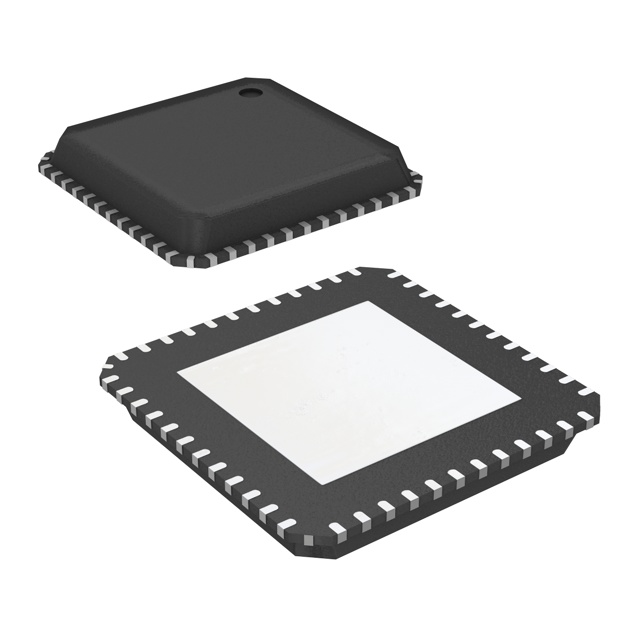
| Package / Case | 48-VFQFN Exposed Pad |
| Reference Type | External |
| Supplier Device Package | 48-VQFN (7x7) |
| Voltage - Supply, Analog | 5 V |
| Voltage - Supply, Digital [Max] | 5.25 V |
| Voltage - Supply, Digital [Min] | 2.7 V |
Pricing
Prices provided here are for design reference only. For realtime values and availability, please visit the distributors directly
| Distributor | Package | Quantity | $ | |
|---|---|---|---|---|
| Digikey | Tape & Reel (TR) | 2500 | $ 7.45 | |
| Texas Instruments | LARGE T&R | 1 | $ 9.56 | |
| 100 | $ 8.35 | |||
| 250 | $ 6.44 | |||
| 1000 | $ 5.76 | |||
Description
General part information
ADS1158 Series
The ADS1158 is a 16-channel (multiplexed), low-noise, 16-bit, delta-sigma (ΔΣ) analog-to-digital converter (ADC) that provides single-cycle settled data at channel scan rates from 1.8k to 23.7k samples per second (SPS) per channel. A flexible input multiplexer accepts combinations of eight differential or 16 single-ended inputs with a full-scale differential range of 5V or true bipolar range of ±2.5V when operating with a 5V reference. The fourth-order delta-sigma modulator is followed by a fifth-order sinc digital filter optimized for low-noise performance.
The differential output of the multiplexer is accessible to allow signal conditioning before the input of the ADC. Internal system monitor registers provide supply voltage, temperature, reference voltage, gain, and offset data.
An onboard PLL generates the system clock from a 32.768kHz crystal, or can be overridden by an external clock source. A buffered system clock output (15.7MHz) is provided to drive a microcontroller or additional converters.
Documents
Technical documentation and resources