ISO3086TDW
Obsolete20-MBPS FULL-DUPLEX 2.5-KVRMS ISOLATED RS-485/RS-422 TRANSCEIVER WITH INTEGRATED TRANSFORMER DRIVER
Deep-Dive with AI
Search across all available documentation for this part.
ISO3086TDW
Obsolete20-MBPS FULL-DUPLEX 2.5-KVRMS ISOLATED RS-485/RS-422 TRANSCEIVER WITH INTEGRATED TRANSFORMER DRIVER
Technical Specifications
Parameters and characteristics for this part
| Specification | ISO3086TDW |
|---|---|
| Data Rate | 20 Mbps |
| Duplex | Full |
| Mounting Type | Surface Mount |
| Number of Drivers/Receivers [custom] | 2 |
| Number of Drivers/Receivers [custom] | 2 |
| Operating Temperature [Max] | 85 °C |
| Operating Temperature [Min] | -40 °C |
| Package / Case | 16-SOIC |
| Package / Case [x] | 0.295 in |
| Package / Case [y] | 7.5 mm |
| Protocol | RS422, RS485 |
| Receiver Hysteresis | 30 mV |
| Supplier Device Package | 16-SOIC |
| Type | Transceiver, Isolated |
| Voltage - Supply [Max] | 5.5 V |
| Voltage - Supply [Min] | 3.15 V, 4.5 V |
Pricing
Prices provided here are for design reference only. For realtime values and availability, please visit the distributors directly
| Distributor | Package | Quantity | $ | |
|---|---|---|---|---|
| Digikey | Tube | 1 | $ 9.67 | |
| 10 | $ 7.54 | |||
| 40 | $ 6.78 | |||
| 120 | $ 6.35 | |||
| 280 | $ 6.11 | |||
| 520 | $ 5.96 | |||
| Texas Instruments | TUBE | 1 | $ 7.82 | |
| 100 | $ 6.38 | |||
| 250 | $ 5.01 | |||
| 1000 | $ 4.25 | |||
Description
General part information
ISO3086T Series
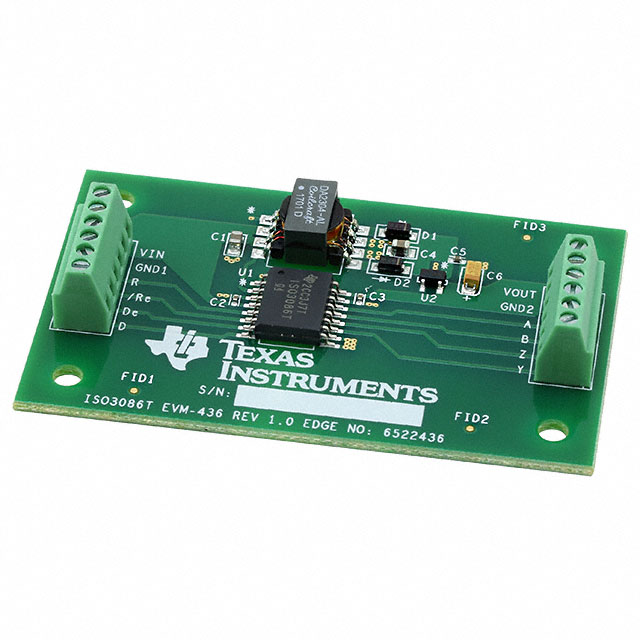
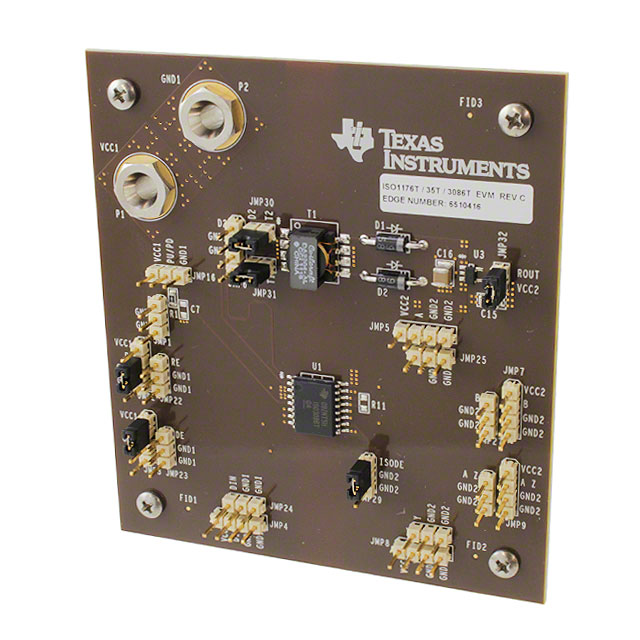
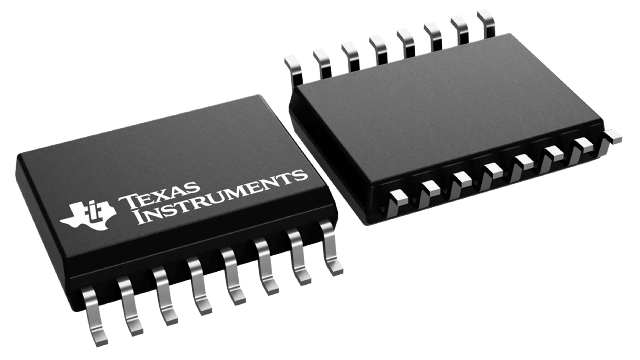
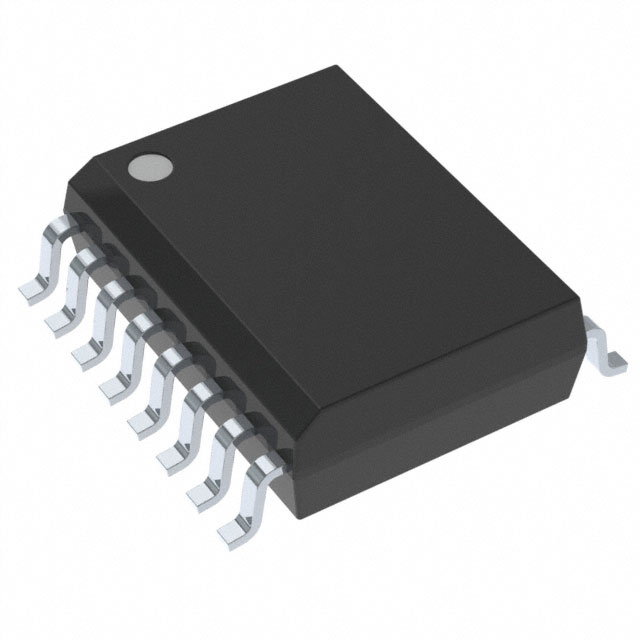
The ISO3086T is an isolated differential line transceiver with integrated oscillator outputs that provide the primary voltage for an isolation transformer. The device is a full-duplex differential line transceiver for RS-485 and RS-422 applications that can easily be configured for half-duplex operation by connecting pin 11 to pin 14, and pin 12 to pin 13.
These devices are ideal for long transmission lines since the ground loop is broken to allow for a much larger common-mode voltage range. The symmetrical isolation barrier of the device is tested to provide 4242 V PK of isolation for 1 minute per VDE between the bus-line transceiver and the logic-level interface.
Any cabled I/O can be subjected to electrical noise transients from various sources. These noise transients can cause damage to the transceiver and/or near-by sensitive circuitry if they are of sufficient magnitude and duration. These isolated devices can significantly increase protection and reduce the risk of damage to expensive control circuits.
Documents
Technical documentation and resources