ADA4941-1YR-EBZ
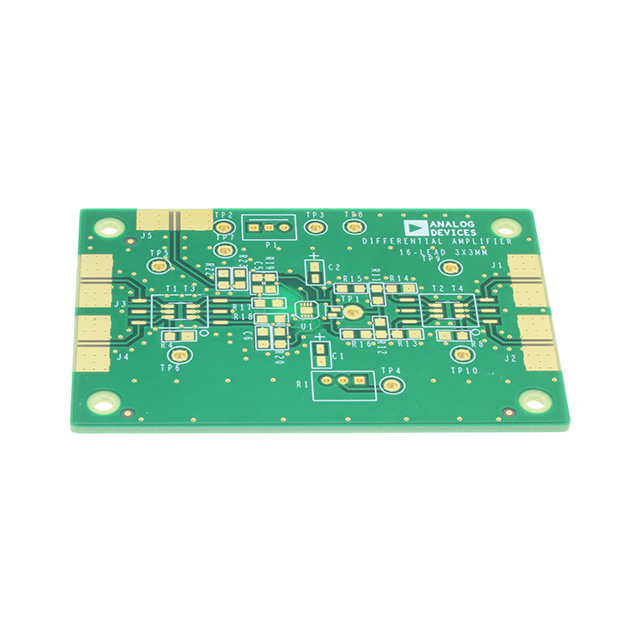
ObsoleteBOARD EVAL FOR ADA4941-1YR
ADA4941-1YR-EBZ
ObsoleteBOARD EVAL FOR ADA4941-1YR
Technical Specifications
Parameters and characteristics for this part
| Specification | ADA4941-1YR-EBZ |
|---|---|
| Amplifier Type | Differential |
| Board Type | Bare (Unpopulated) |
| Channels per IC | 1 - Single |
| Supplied Contents | Board(s) |
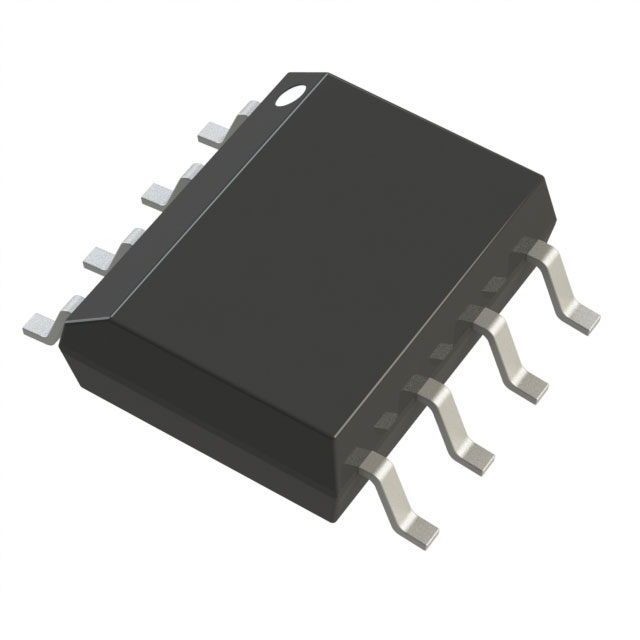
| Utilized IC / Part | 8-SOIC Package |
Pricing
Prices provided here are for design reference only. For realtime values and availability, please visit the distributors directly
| Distributor | Package | Quantity | $ | |
|---|---|---|---|---|
Description
General part information
ADA4941-1 Series
The ADA4941-1 is a low power, low noise differential driver for analog-to-digital converters (ADCs) up to 18 bits in systems that are sensitive to power. The ADA4941-1 is configured in an easy-to-use, single-ended-to-differential configuration and requires no external components for a gain of 2 configuration. A resistive feedback network can be added to achieve gains greater than 2. The ADA4941-1 provides essential benefits, such as low distortion and high SNR that are required for driving high resolution ADCs.With a wide input voltage range (0 V to 3.9 V on a single 5 V supply), rail-to-rail output, high input impedance, and a user-adjustable gain, the ADA4941-1 is designed to drive single-supply ADCs with differential inputs found in a variety of low power applications, including battery-operated devices and singlesupply data acquisition systems.The ADA4941-1 is ideal for driving the 16-bit and 18-bit PulSAR®ADCs, such as the AD7687, AD7690, and AD7691. The ADA4941-1 is manufactured on Analog Devices, Inc., proprietary, second-generation, eXtra fast complementary bipolar (XFCB) process, which enables the amplifier to achieve 18-bit performance on low supply currents.The ADA4941-1 is available in a small 8-lead LFCSP as well as a standard 8-lead SOIC and is rated to work over the extended industrial temperature range, −40°C to +125°C.ApplicationsSingle-supply data acquisition systemsInstrumentationProcess controlBattery-power systemsMedical instrumentation
Documents
Technical documentation and resources