TXR54AB9W-1610BI
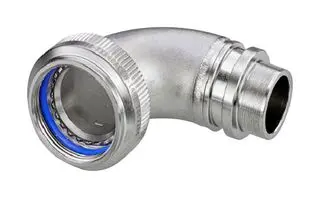
ActiveCIRCULAR CONNECTOR CLAMP, TINEL RING SWEPT ELBOW, 16, 15.88 MM, ALUMINUM, TXR SERIES
Deep-Dive with AI
Search across all available documentation for this part.
TXR54AB9W-1610BI
ActiveCIRCULAR CONNECTOR CLAMP, TINEL RING SWEPT ELBOW, 16, 15.88 MM, ALUMINUM, TXR SERIES
Deep-Dive with AI
Technical Specifications
Parameters and characteristics for this part
| Specification | TXR54AB9W-1610BI |
|---|---|
| Cable Exit | 90° |
| Cable Opening | 15.88 mm |
| Cable Opening | 0.625 in |
| Color | Olive Drab |
| Diameter - Outside [diameter] | 1.28 in |
| Diameter - Outside [diameter] | 32.5 mm |
| Features | Tinel Lock |
| For Use With/Related Products | MIL-DTL-38999 Series III, IV |
| Includes | 1 Braid, 1 Backshell, 1 Tinel Ring |
| Ingress Protection | Environment Resistant |
| Material | Aluminum |
| Plating | Cadmium |
| Shell Size - Insert | 17 |
| Shielding | Shielded |
| Thread Size | M25x1 |
| Type | Backshell, Heat Shrink Adapter |
Pricing
Prices provided here are for design reference only. For realtime values and availability, please visit the distributors directly
| Distributor | Package | Quantity | $ | |
|---|---|---|---|---|
| Digikey | Box | 1 | $ 327.20 | |
| N/A | 25 | $ 288.71 | ||
Description
General part information
Tinel Ring Swept Elbow Backshells Series
TE Connectivity’s (TE) Tinel Ring (TXR) swept elbow backshells are designed with a smooth internal bore and a continuous bend radius. TE is complementing the recently introduced banding (BT) backshell with a tinel-lock version (TXR) to suit a wide range of circular connectors. These backshells offer up to 20% weight savings over traditional backshells. Swept elbow backshells can be utilized in many aerospace and defence applications where highly reliable termination solutions are required. With a heat shrink boot, backshells can provide strain relief and cable support to help prevent bending or overflexing. Typically used in aerospace and defence applications. TXR54 mates to MIL-DTL-26482 Series II and MIL-DTL-83723 Series I and II.
Documents
Technical documentation and resources