LMV1099TLX/NOPB
NRNDDUAL INPUT MICROPHONE PREAMP WITH FAR FIELD NOISE SUPPRESSION, SNR ENHANCEMENT & EARPIECE DRIVER
Deep-Dive with AI
Search across all available documentation for this part.
LMV1099TLX/NOPB
NRNDDUAL INPUT MICROPHONE PREAMP WITH FAR FIELD NOISE SUPPRESSION, SNR ENHANCEMENT & EARPIECE DRIVER
Deep-Dive with AI
Technical Specifications
Parameters and characteristics for this part
| Specification | LMV1099TLX/NOPB |
|---|---|
| Features | Shutdown, I2C, Differential Inputs, Mute, Microphone |
| Max Output Power x Channels @ Load | 83 mW, 1 |
| Mounting Type | Surface Mount |
| Operating Temperature [Max] | 85 °C |
| Operating Temperature [Min] | -40 °C |
| Output Type | 1-Channel (Mono) |
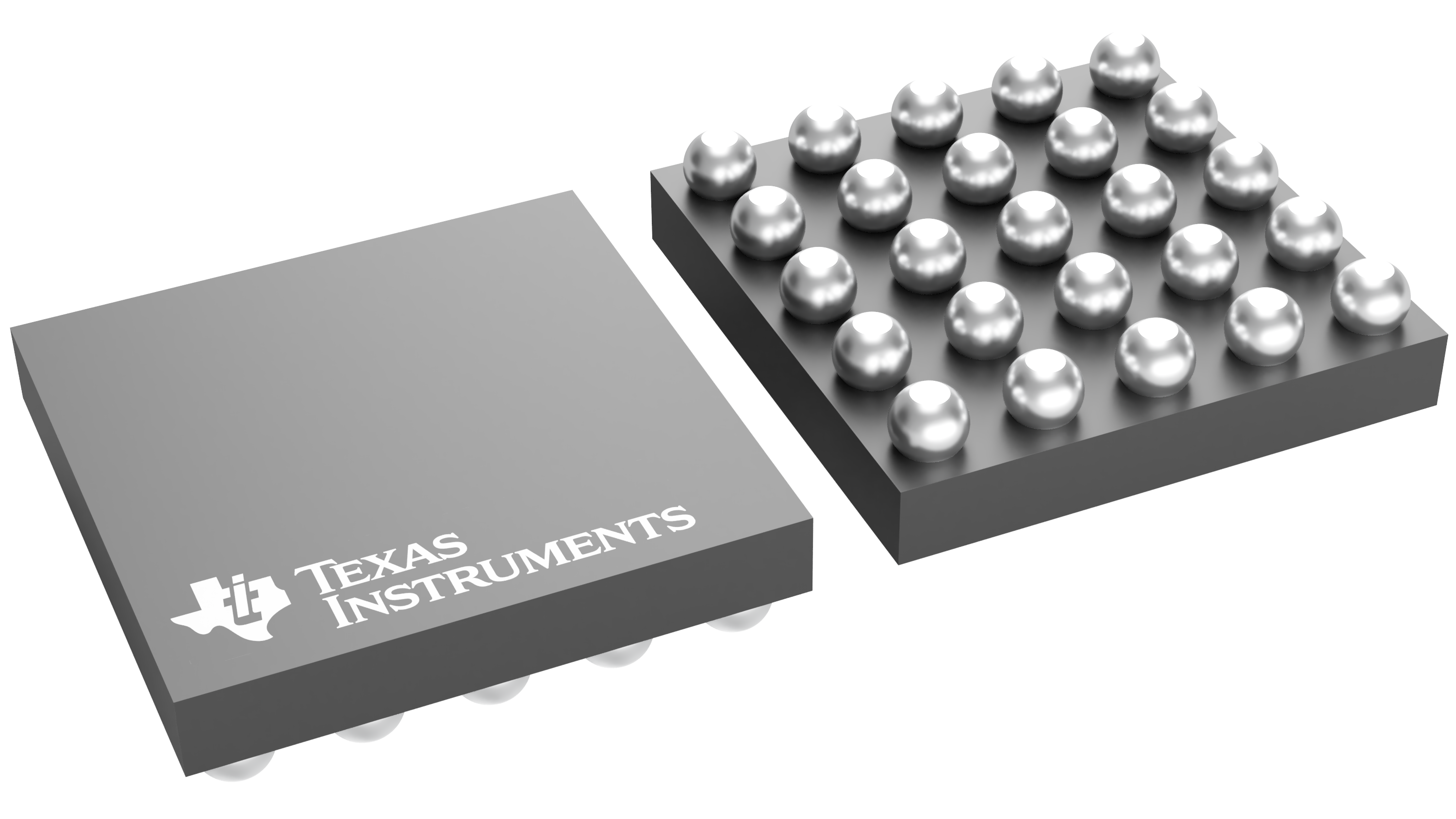
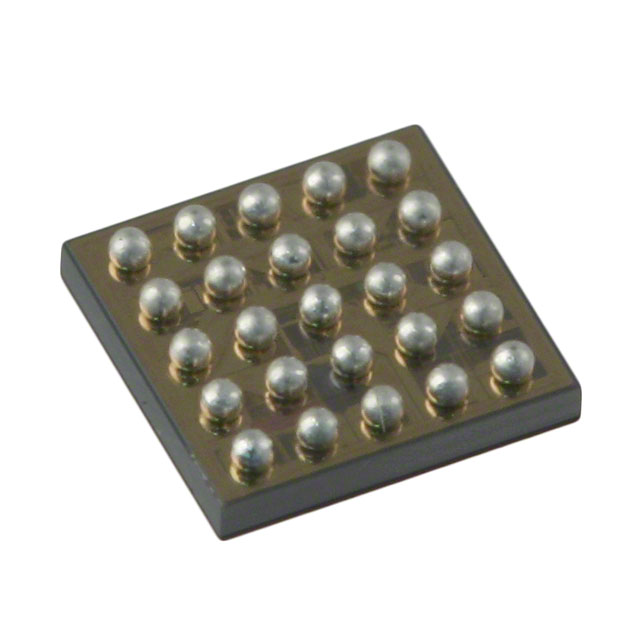
| Package / Case | 25-WFBGA |
| Supplier Device Package | 25-uSMD |
| Type | Class AB |
| Voltage - Supply [Max] | 5.5 V |
| Voltage - Supply [Min] | 2.7 V |
Pricing
Prices provided here are for design reference only. For realtime values and availability, please visit the distributors directly
| Distributor | Package | Quantity | $ | |
|---|---|---|---|---|
| Digikey | Tape & Reel (TR) | 3000 | $ 1.65 | |
| 6000 | $ 1.58 | |||
| Texas Instruments | LARGE T&R | 1 | $ 2.84 | |
| 100 | $ 2.49 | |||
| 250 | $ 1.74 | |||
| 1000 | $ 1.41 | |||
Description
General part information
LMV1099 Series
The LMV1099 is an uplink and downlink voice intelligibility enhancing analog IC, ideally suited for mobile handsets. Uplink voice intelligibility is improved by rejecting far-field noise through a unique two-microphone solution. Downlink voice intelligibility is improved by enhancing the SNR (Signal-to-Noise Ratio) between the downlink voice and the ambient noise environment at the user’s earpiece.
The LMV1099 preserves uplink near-field voice signals within close range of the microphones while rejecting far-field acoustic noise greater than 0.5m from the microphones.
The LMV1099 also enhances downlink voice intelligibility by improving near-field SNR based on the user’s environment. The analog circuitry adapts dynamically to both the user’s ambient noise environment as well as the downlink signal amplitude to ensure optimum SNRI (signal-to-noise ratio improvement). The downlink path also provides uplink noise attenuation through an adjustable high pass filter before the SNR enhanced downlink voice reaches the user’s earpiece.
Documents
Technical documentation and resources