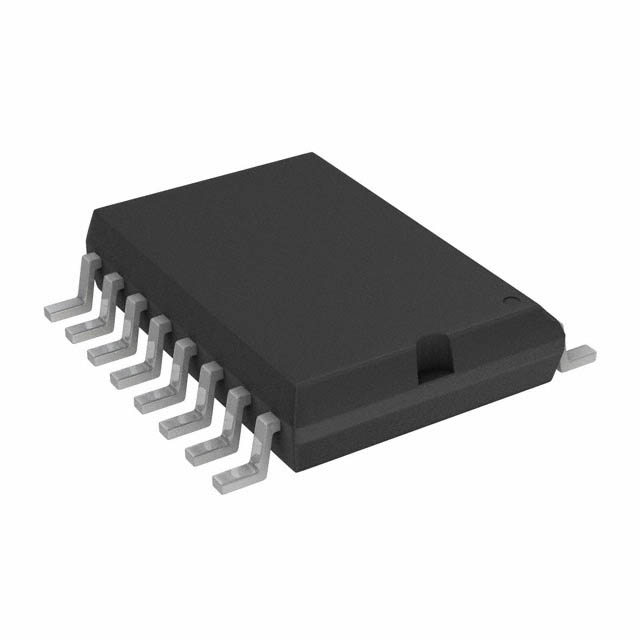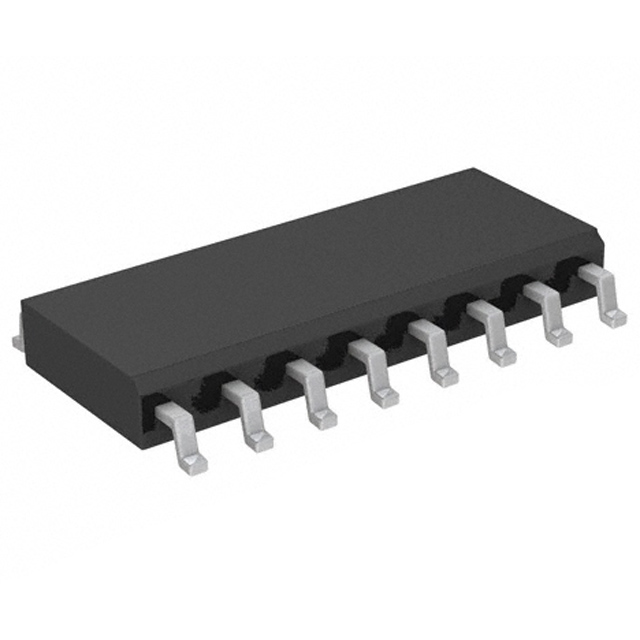
RE46C166S16F
ActiveCONTINUOUS HORN PATTERN, DETECTOR INTERCONNECT, LOW BATTERY DETECT, HUSH TIMER, ALARM MEMORY
Deep-Dive with AI
Search across all available documentation for this part.
RE46C166S16F
ActiveCONTINUOUS HORN PATTERN, DETECTOR INTERCONNECT, LOW BATTERY DETECT, HUSH TIMER, ALARM MEMORY
Deep-Dive with AI
Technical Specifications
Parameters and characteristics for this part
| Specification | RE46C166S16F |
|---|---|
| Current - Supply | 6 µA |
| Input Type | Photoelectric |
| Mounting Type | Surface Mount |
| Operating Temperature [Max] | 75 ░C |
| Operating Temperature [Min] | -25 °C |
| Package / Case | 16-SOIC |
| Package / Case [x] | 0.154 in |
| Package / Case [y] | 3.9 mm |
| Supplier Device Package | 16-SOIC |
| Type | Smoke Detector |
Pricing
Prices provided here are for design reference only. For realtime values and availability, please visit the distributors directly
| Distributor | Package | Quantity | $ | |
|---|---|---|---|---|
| Digikey | Tube | 650 | $ 1.06 | |
| Microchip Direct | TUBE | 1 | $ 1.40 | |
| 25 | $ 1.16 | |||
| 100 | $ 1.06 | |||
| 1000 | $ 1.02 | |||
| 5000 | $ 1.01 | |||
Description
General part information
RE46C166 Series
The RE46C166 device is a low-power, CMOS photoelectric type, smoke detector IC. With minimal external components, this circuit will provide all the required features for a photoelectric type smoke detector. Each design incorporates a gain selectable photo amplifier for use with an infrared emitter/detector pair. An internal oscillator strobes power to the smoke detection circuitry for 100 µs every 10 seconds to keep standby current to a minimum. If smoke is sensed, the detection rate is increased to verify an alarm condition. A high gain mode is available for push button chamber testing. A check for a low battery condition and chamber integrity is performed every 43 seconds when in standby. A continuous tone horn pattern is used for the alarm condition. An interconnect pin allows multiple detectors to be connected so when one unit alarms, all units will sound. A charge dump feature will quickly discharge the interconnect line when exiting a local alarm. An internal 9 minute timer allows for single button, push-to-test to be used for a reduced sensitivity mode. An alarm memory feature allows the user to determine if the unit has previously entered a local alarm condition.
Documents
Technical documentation and resources