Deep-Dive with AI
Search across all available documentation for this part.
Deep-Dive with AI
Technical Specifications
Parameters and characteristics for this part
| Specification | CD74HCT574QM96Q1 |
|---|---|
| Clock Frequency | 60 MHz |
| Current - Output High, Low [custom] | 6 mA |
| Current - Output High, Low [custom] | 6 mA |
| Current - Quiescent (Iq) | 8 ÁA |
| Function | Standard |
| Grade | Automotive |
| Input Capacitance | 10 pF |
| Max Propagation Delay @ V, Max CL | 33 ns |
| Mounting Type | Surface Mount |
| Number of Bits per Element | 8 |
| Number of Elements | 1 |
| Operating Temperature [Max] | 125 °C |
| Operating Temperature [Min] | -40 °C |
| Output Type | Tri-State, Non-Inverted |
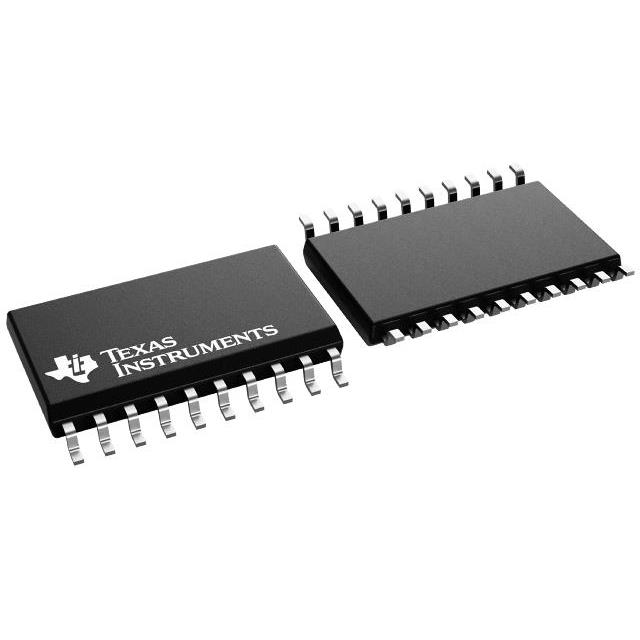
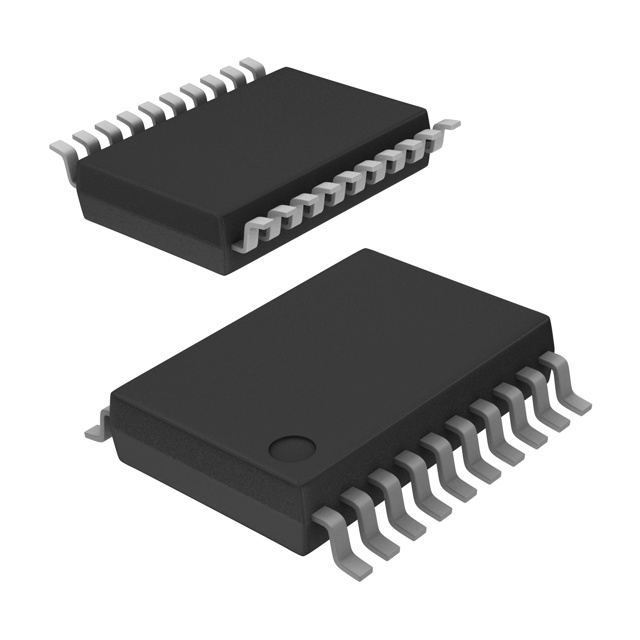
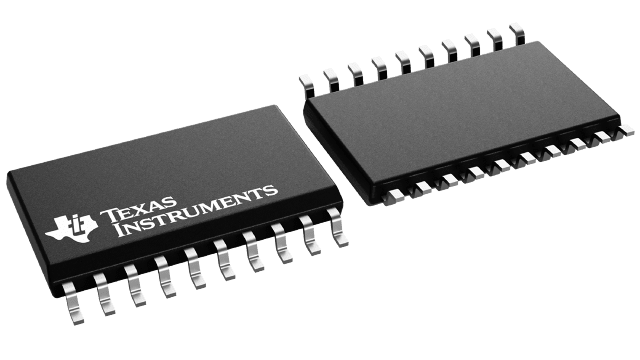
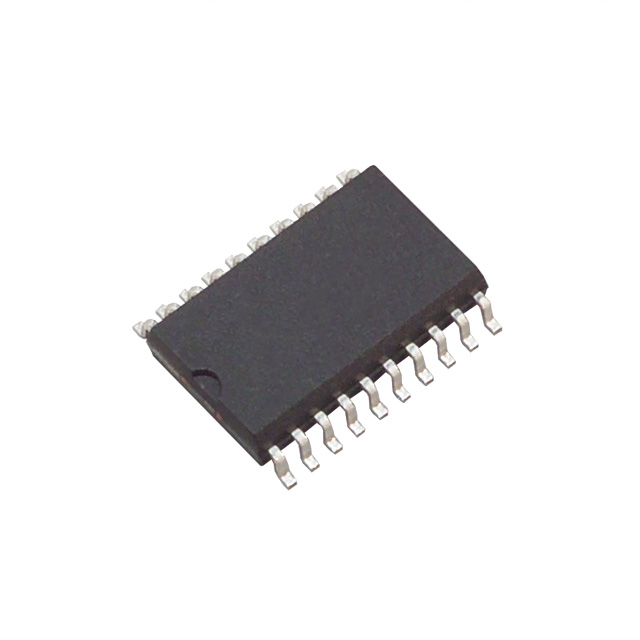
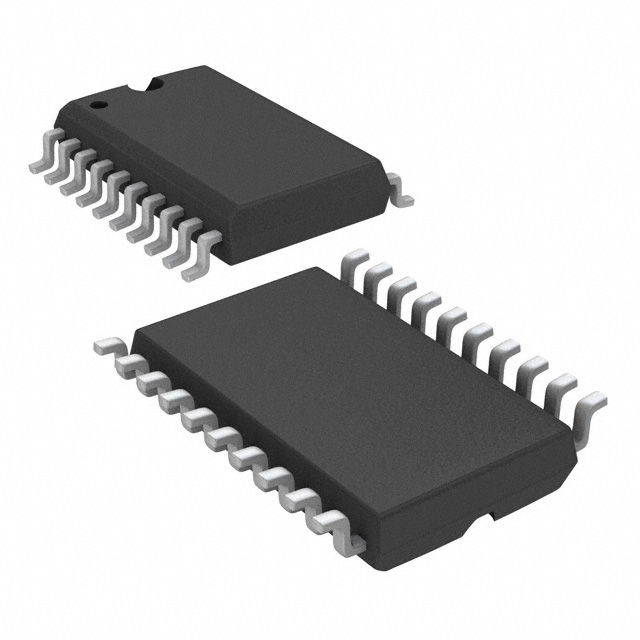
| Package / Case | 20-SOIC |
| Package / Case [y] | 0.295 in |
| Package / Case [y] | 7.5 mm |
| Qualification | AEC-Q100 |
| Supplier Device Package | 20-SOIC |
| Trigger Type | Positive Edge |
| Type | D-Type |
| Voltage - Supply [Max] | 5.5 V |
| Voltage - Supply [Min] | 4.5 V |
Pricing
Prices provided here are for design reference only. For realtime values and availability, please visit the distributors directly
| Distributor | Package | Quantity | $ | |
|---|---|---|---|---|
Description
General part information
CD74HCT574-EP Series
The CD74HCT574 is an octal D-type flip-flop with 3-state outputs and the capability to drive 15 LSTTL loads. The eight edge-triggered flip-flops enter data into their registers on the low-to-high transition of the clock (CP). The output enable (OE)\ controls the 3-state outputs and is independent of the register operation. When OE\ is high, the outputs are in the high-impedance state.
The CD74HCT574 is an octal D-type flip-flop with 3-state outputs and the capability to drive 15 LSTTL loads. The eight edge-triggered flip-flops enter data into their registers on the low-to-high transition of the clock (CP). The output enable (OE)\ controls the 3-state outputs and is independent of the register operation. When OE\ is high, the outputs are in the high-impedance state.
Documents
Technical documentation and resources
No documents available