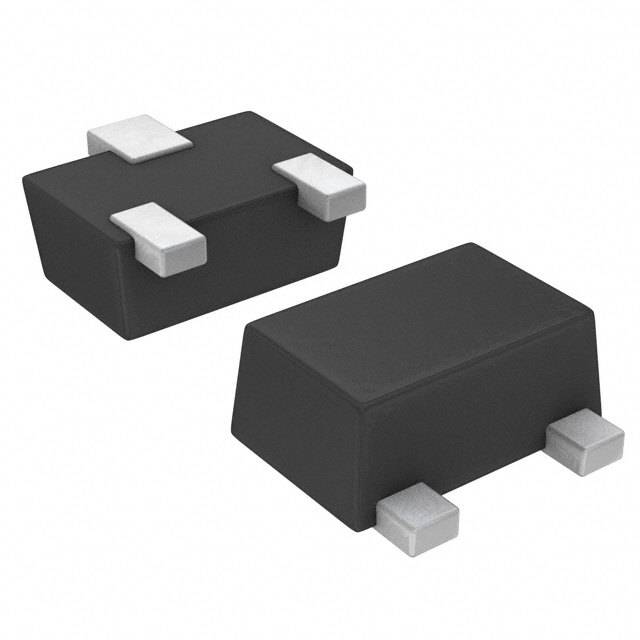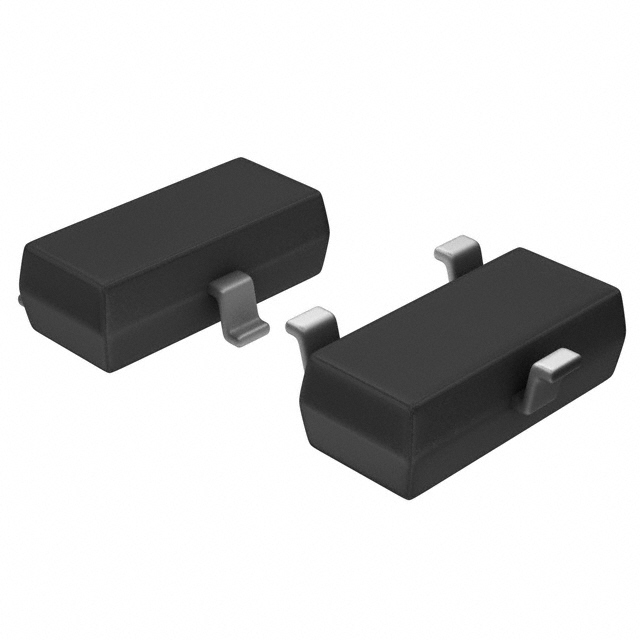
DTC143XCAHZGT116
ActiveNPN, SOT-23, R1≠R2 LEAK ABSORPTION TYPE DIGITAL TRANSISTOR (BIAS RESISTOR BUILT-IN TRANSISTOR) FOR AUTOMOTIVE
Deep-Dive with AI
Search across all available documentation for this part.
DTC143XCAHZGT116
ActiveNPN, SOT-23, R1≠R2 LEAK ABSORPTION TYPE DIGITAL TRANSISTOR (BIAS RESISTOR BUILT-IN TRANSISTOR) FOR AUTOMOTIVE
Deep-Dive with AI
Technical Specifications
Parameters and characteristics for this part
| Specification | DTC143XCAHZGT116 |
|---|---|
| Current - Collector (Ic) (Max) [Max] | 100 mA |
| DC Current Gain (hFE) (Min) @ Ic, Vce [Min] | 30 |
| Frequency - Transition | 250 MHz |
| Grade | Automotive |
| Mounting Type | Surface Mount |
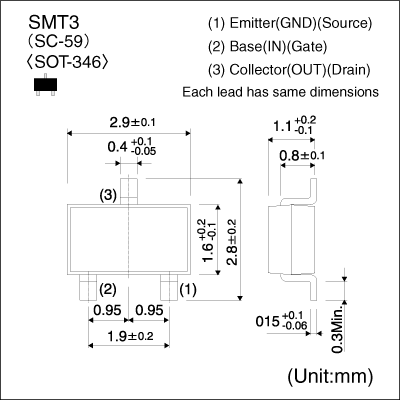
| Package / Case | SOT-23-3, TO-236-3, SC-59 |
| Power - Max [Max] | 350 mW |
| Qualification | AEC-Q101 |
| Resistor - Base (R1) | 4.7 kOhms |
| Resistor - Emitter Base (R2) | 10 kOhms |
| Supplier Device Package | SST3 |
| Transistor Type | NPN - Pre-Biased |
| Vce Saturation (Max) @ Ib, Ic | 300 mV |
Pricing
Prices provided here are for design reference only. For realtime values and availability, please visit the distributors directly
| Distributor | Package | Quantity | $ | |
|---|---|---|---|---|
| Digikey | Cut Tape (CT) | 1 | $ 0.18 | |
| 10 | $ 0.11 | |||
| 100 | $ 0.07 | |||
| 500 | $ 0.05 | |||
| 1000 | $ 0.04 | |||
| Digi-Reel® | 1 | $ 0.18 | ||
| 10 | $ 0.11 | |||
| 100 | $ 0.07 | |||
| 500 | $ 0.05 | |||
| 1000 | $ 0.04 | |||
| Tape & Reel (TR) | 3000 | $ 0.03 | ||
| 6000 | $ 0.03 | |||
| 9000 | $ 0.02 | |||
| 15000 | $ 0.02 | |||
| 21000 | $ 0.02 | |||
| 30000 | $ 0.02 | |||
| 75000 | $ 0.02 | |||
| 150000 | $ 0.02 | |||
| Newark | Each (Supplied on Cut Tape) | 1 | $ 0.17 | |
| 10 | $ 0.10 | |||
| 25 | $ 0.08 | |||
| 50 | $ 0.06 | |||
| 100 | $ 0.04 | |||
| 250 | $ 0.04 | |||
| 500 | $ 0.04 | |||
| 1000 | $ 0.04 | |||
Description
General part information
DTC143 Series
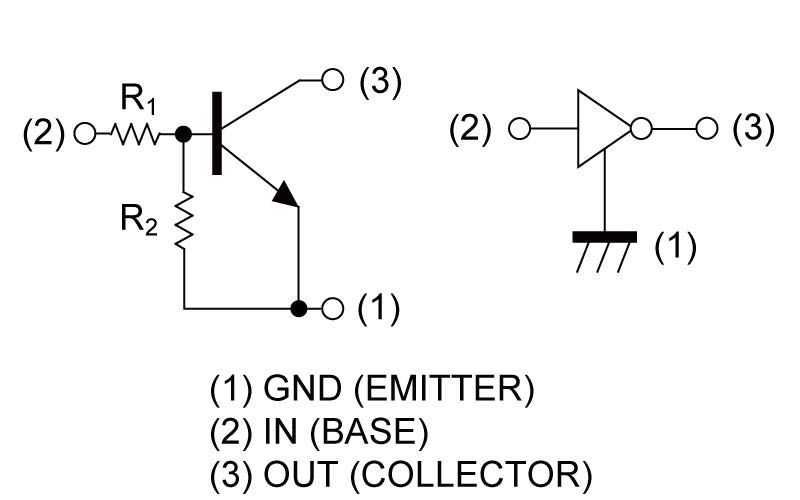
DTC143TU3HZG is an digital transistor (Resistor built-in type transistor). Built-in bias resistors enable the configuration of an inverter circuit without connecting external input resistors. This is a high-reliability product of automotive grade qualified to AEC-Q101.
Documents
Technical documentation and resources