ADS5500EVM
ObsoleteEVALUATION MODULE FOR ADS5500
Deep-Dive with AI
Search across all available documentation for this part.
ADS5500EVM
ObsoleteEVALUATION MODULE FOR ADS5500
Deep-Dive with AI
Technical Specifications
Parameters and characteristics for this part
| Specification | ADS5500EVM |
|---|---|
| Data Interface | Serial |
| Input Range | 2.3 Vpp |
| Number of A/D Converters | 1 |
| Number of Bits | 14 |
| Power (Typ) @ Conditions | 578 mW |
| Sampling Rate (Per Second) | 125 M |
| Supplied Contents | Board(s) |
| Utilized IC / Part | ADS5500 |
Pricing
Prices provided here are for design reference only. For realtime values and availability, please visit the distributors directly
| Distributor | Package | Quantity | $ | |
|---|---|---|---|---|
Description
General part information
ADS5500-EP Series
The ADS5500-EP is a high-performance, 14-bit, 125 MSPS analog-to-digital converter (ADC). To provide a complete converter solution, it includes a high-bandwidth linear sample-and-hold stage (S&H) and internal reference. Designed for applications demanding the highest speed and highest dynamic performance in a small space, the ADS5500-EP has excellent power consumption of 780 mW at 3.3-V single-supply voltage. This allows an even higher system integration density. The provided internal reference simplifies system design requirements. A parallel CMOS-compatible output ensures seamless interfacing with common logic.
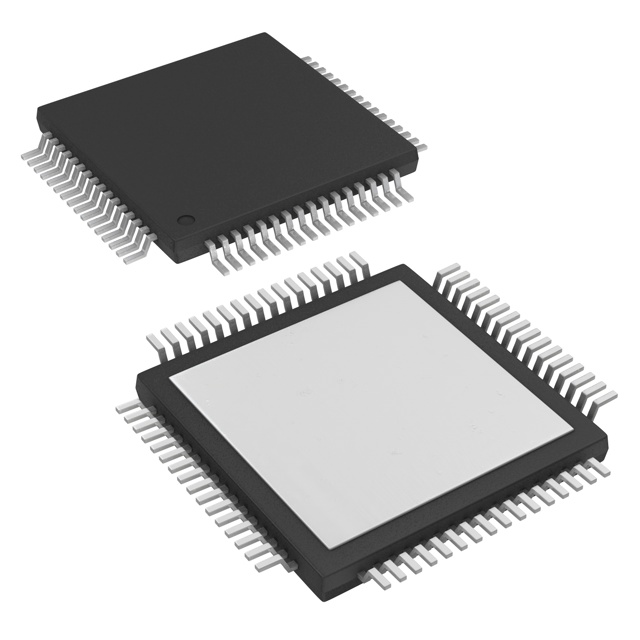
The ADS5500-EP is available in a 64-pin TQFP PowerPAD package and is specified over the full temperature range of –55°C to +125°C.
The ADS5500-EP is a high-performance, 14-bit, 125 MSPS analog-to-digital converter (ADC). To provide a complete converter solution, it includes a high-bandwidth linear sample-and-hold stage (S&H) and internal reference. Designed for applications demanding the highest speed and highest dynamic performance in a small space, the ADS5500-EP has excellent power consumption of 780 mW at 3.3-V single-supply voltage. This allows an even higher system integration density. The provided internal reference simplifies system design requirements. A parallel CMOS-compatible output ensures seamless interfacing with common logic.
Documents
Technical documentation and resources