ATMEGA164PA-MU
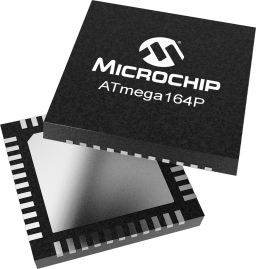
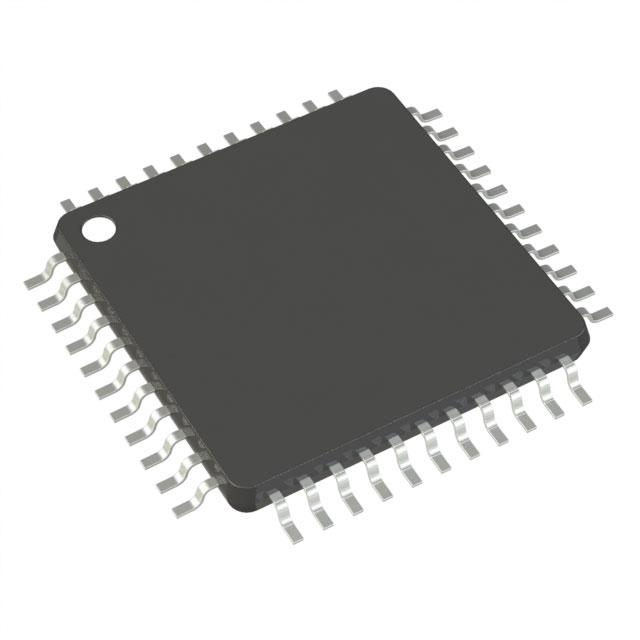
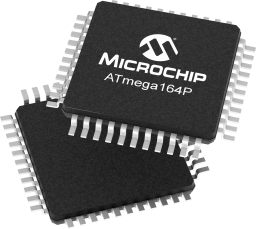
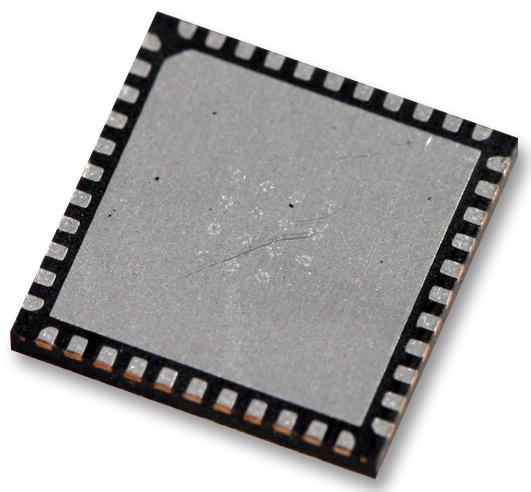
ActiveMCU 8-BIT ATMEGA AVR RISC 16KB FLASH 2.5V/3.3V/5V 44-PIN VQFN EP
Deep-Dive with AI
Search across all available documentation for this part.
ATMEGA164PA-MU
ActiveMCU 8-BIT ATMEGA AVR RISC 16KB FLASH 2.5V/3.3V/5V 44-PIN VQFN EP
Deep-Dive with AI
Technical Specifications
Parameters and characteristics for this part
| Specification | ATMEGA164PA-MU |
|---|---|
| Connectivity | I2C, SPI, UART/USART |
| Core Processor | AVR |
| Core Size | 8-Bit |
| Data Converters [custom] | 8 |
| Data Converters [custom] | 10 |
| EEPROM Size | 512 x 8 |
| Mounting Type | Surface Mount |
| Number of I/O | 32 |
| Operating Temperature [Max] | 85 °C |
| Operating Temperature [Min] | -40 °C |
| Oscillator Type | Internal |
| Package / Case | 44-VFQFN Exposed Pad |
| Program Memory Size | 16 KB |
| Program Memory Type | FLASH |
| RAM Size | 1 K |
| Speed | 20 MHz |
| Supplier Device Package | 44-VQFN (7x7) |
| Voltage - Supply (Vcc/Vdd) [Max] | 5.5 V |
| Voltage - Supply (Vcc/Vdd) [Min] | 1.8 V |
Pricing
Prices provided here are for design reference only. For realtime values and availability, please visit the distributors directly
| Distributor | Package | Quantity | $ | |
|---|---|---|---|---|
| Digikey | Bulk | 66 | $ 4.57 | |
| Tray | 1 | $ 4.46 | ||
| 25 | $ 4.09 | |||
| 100 | $ 3.71 | |||
| Microchip Direct | TRAY | 1 | $ 4.46 | |
| 25 | $ 4.09 | |||
| 100 | $ 3.71 | |||
| 1000 | $ 3.41 | |||
| 5000 | $ 3.24 | |||
| Newark | Each | 1 | $ 4.64 | |
| 10 | $ 4.45 | |||
| 25 | $ 4.25 | |||
| 50 | $ 4.06 | |||
| 100 | $ 3.86 | |||
Description
General part information
ATmega164PA Series
The high-performance Microchip picoPower® 8-bit AVR® RISC-based microcontroller combines 16 KB ISP flash memory with read-while-write capabilities, 512B EEPROM, 1 KB SRAM, 32 general purpose I/O lines, 32 general purpose working registers, a real-time counter, three flexible timer/counters with compare modes and PWM, two USARTs, a byte-oriented Two-Wire serial interface, an 8-channel 10-bit A/D converter with optional differential input stage with programmable gain, programmable watchdog timer with internal oscillator, SPI serial port, a JTAG (IEEE® 1149.1 compliant) test interface for on-chip debugging and programming, and six software selectable power saving modes. The device operates between 1.8-5.5 volts.
By executing powerful instructions in a single clock cycle, the device achieves throughputs approaching one MIPS per MHz, balancing power consumption and processing speed.
Documents
Technical documentation and resources