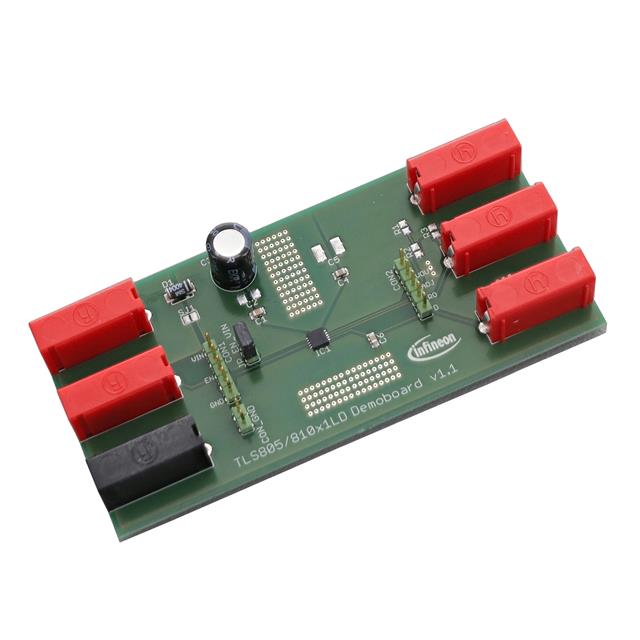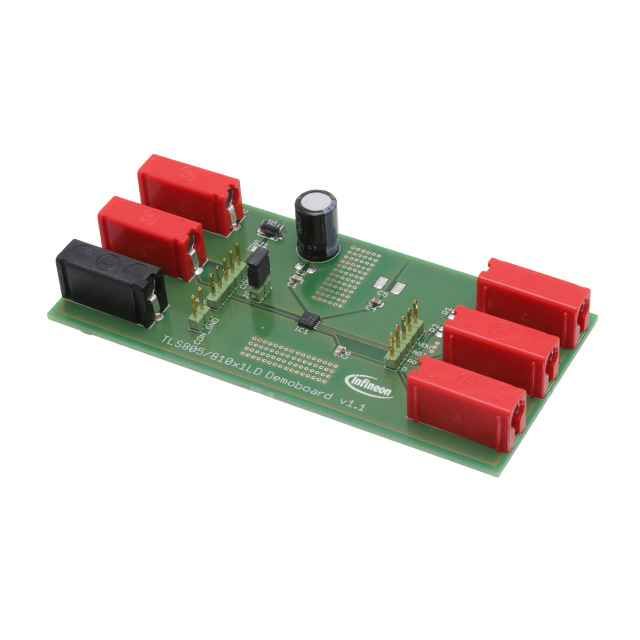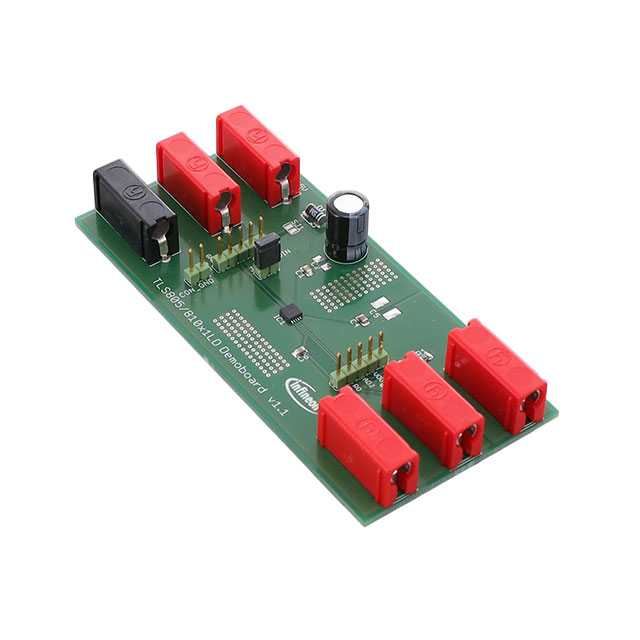
TLS805B1LDV50BOARDTOBO1
ActiveDEMO BOARD, LOW DROPOUT LINEAR REGULATOR ROHS COMPLIANT: YES
Deep-Dive with AI
Search across all available documentation for this part.
TLS805B1LDV50BOARDTOBO1
ActiveDEMO BOARD, LOW DROPOUT LINEAR REGULATOR ROHS COMPLIANT: YES
Deep-Dive with AI
Technical Specifications
Parameters and characteristics for this part
| Specification | TLS805B1LDV50BOARDTOBO1 |
|---|---|
| Board Type | Fully Populated |
| Channels per IC | 1 |
| Contents | Board(s) |
| Current - Output | 50 mA |
| Regulator Type | Positive Fixed |
| Supplied Contents | Board(s) |
| Utilized IC / Part | TLS805B1, TLS805B1LDV50 |
| Voltage - Input [Max] | 42 V |
| Voltage - Input [Min] | 3 V |
| Voltage - Output | 5 V |
Pricing
Prices provided here are for design reference only. For realtime values and availability, please visit the distributors directly
Description
General part information
TLS805 Series
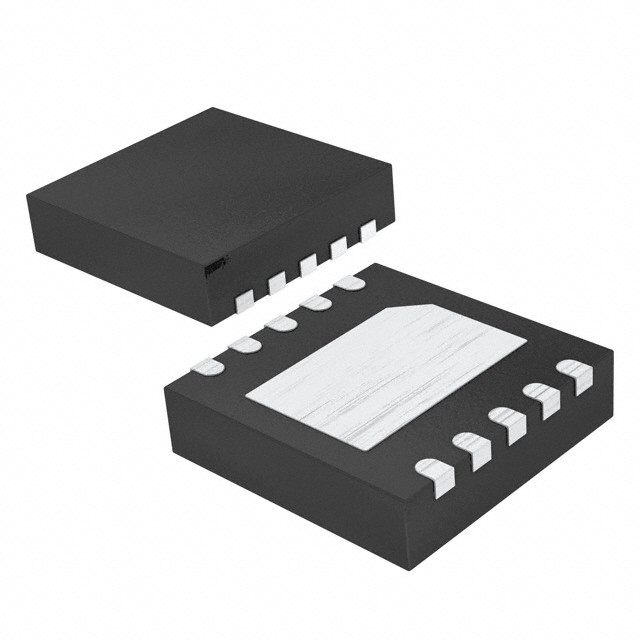
TheTLS805B1 V50is a linear voltage regulator featuring wide input voltage range, low dropout voltage and ultra low quiescent current. With an input voltage range of 2.75 V to 42 V and ultra low quiescent of only 5.5 μA, the regulator is perfectly suitable for automotive or any other supply systems connected permanently to the battery. The TLS805B1LD V50 is the fixed 5 V output version with an accuracy of 2% and output current capability up to 50 mA. The new regulation concept implemented in TLS805B1LD V50 combines fast regulation and very good stability while requiring only a small ceramic capacitor of 1 μF at the output. The tracking region starts already at input voltages of 2.75 V (extended operating range). This makes the TLS805B1LD V50 also suitable to supply automotive systems that need to operate during cranking conditions. Internal protection features like output current limitation and overtemperature shutdown are implemented to protect the device against immediate damage due to failures like output short circuit to GND, overcurrent and overtemperature. The device can be switched on and off by the Enable feature. When the device is switched off, the current consumption is typically less than 1 μA.
Documents
Technical documentation and resources