



TPS63700DRCR
ActiveADJUSTABLE, -15V OUTPUT INVERTING DC/DC CONVERTER IN 3X3 QFN
Deep-Dive with AI
Search across all available documentation for this part.
TPS63700DRCR
ActiveADJUSTABLE, -15V OUTPUT INVERTING DC/DC CONVERTER IN 3X3 QFN
Technical Specifications
Parameters and characteristics for this part
| Specification | TPS63700DRCR |
|---|---|
| Current - Output | 360 mA |
| Frequency - Switching | 1.38 MHz |
| Function | Step-Up/Step-Down |
| Mounting Type | Surface Mount |
| Number of Outputs | 1 |
| Operating Temperature [Max] | 85 C |
| Operating Temperature [Min] | -40 ¯C |
| Output Configuration | Negative |
| Output Type | Adjustable |
| Package / Case | 10-VFDFN Exposed Pad |
| Supplier Device Package | 10-VSON (3x3) |
| Synchronous Rectifier | False |
| Topology | Buck-Boost |
| Voltage - Input (Max) [Max] | 5.5 V |
| Voltage - Input (Min) [Min] | 2.7 V |
| Voltage - Output (Max) [Max] | -15 V |
| Voltage - Output (Min/Fixed) | -2 V |
TPS63700 Series
Adjustable, -15V Output Inverting DC/DC Converter in 3x3 QFN
| Part | Board Type | Supplied Contents | Outputs and Type | Outputs and Type | Frequency - Switching | Voltage - Input [Max] | Voltage - Input [Min] | Main Purpose | Utilized IC / Part | Current - Output | Regulator Topology | Voltage - Output | Contents | Voltage - Output (Max) [Max] | Mounting Type | Topology | Operating Temperature [Max] | Operating Temperature [Min] | Voltage - Input (Max) [Max] | Function | Voltage - Output (Min/Fixed) | Number of Outputs | Voltage - Input (Min) [Min] | Supplier Device Package | Output Configuration | Synchronous Rectifier | Output Type | Package / Case |
|---|---|---|---|---|---|---|---|---|---|---|---|---|---|---|---|---|---|---|---|---|---|---|---|---|---|---|---|---|
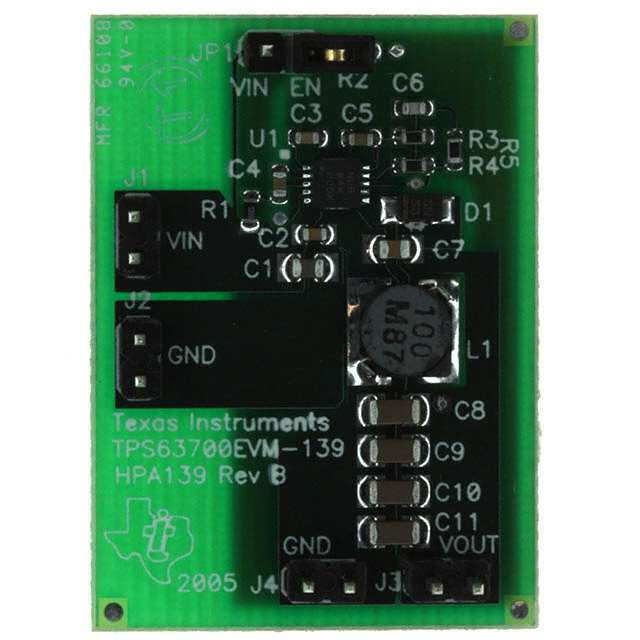 Texas Instruments | Fully Populated | Board(s) | 1 | 1 Non-Isolated Output Non-Isolated | 1.4 MHz | 5.5 V | 2.7 V | DC/DC Negative Inverter | TPS63700 | 0.2 A | Inverting | -12 V | Board(s) | |||||||||||||||
Texas Instruments | 1.38 MHz | 360 mA | -15 V | Surface Mount | Buck-Boost | 85 C | -40 ¯C | 5.5 V | Step-Up/Step-Down | -2 V | 1 | 2.7 V | 10-VSON (3x3) | Negative | Adjustable | 10-VFDFN Exposed Pad | ||||||||||||
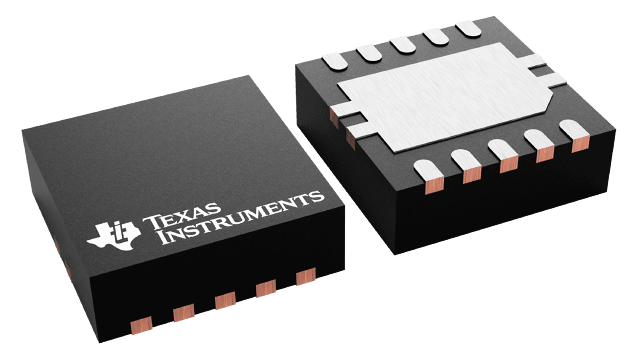 Texas Instruments | 1.38 MHz | 360 mA | -15 V | Surface Mount | Buck-Boost | 85 C | -40 ¯C | 5.5 V | Step-Up/Step-Down | -2 V | 1 | 2.7 V | 10-VSON (3x3) | Negative | Adjustable | 10-VFDFN Exposed Pad | ||||||||||||
Texas Instruments | 1.38 MHz | 360 mA | -15 V | Surface Mount | Buck-Boost | 85 C | -40 ¯C | 5.5 V | Step-Up/Step-Down | -2 V | 1 | 2.7 V | 10-VSON (3x3) | Negative | Adjustable | 10-VFDFN Exposed Pad |
Pricing
Prices provided here are for design reference only. For realtime values and availability, please visit the distributors directly
| Distributor | Package | Quantity | $ | |
|---|---|---|---|---|
| Digikey | Cut Tape (CT) | 1 | $ 2.37 | |
| 10 | $ 2.13 | |||
| 25 | $ 2.01 | |||
| 100 | $ 1.71 | |||
| 250 | $ 1.61 | |||
| 500 | $ 1.41 | |||
| 1000 | $ 1.17 | |||
| Digi-Reel® | 1 | $ 2.37 | ||
| 10 | $ 2.13 | |||
| 25 | $ 2.01 | |||
| 100 | $ 1.71 | |||
| 250 | $ 1.61 | |||
| 500 | $ 1.41 | |||
| 1000 | $ 1.17 | |||
| N/A | 8302 | $ 2.43 | ||
| Tape & Reel (TR) | 3000 | $ 1.09 | ||
| 6000 | $ 1.05 | |||
| Texas Instruments | LARGE T&R | 1 | $ 1.78 | |
| 100 | $ 1.47 | |||
| 250 | $ 1.06 | |||
| 1000 | $ 0.80 | |||
Description
General part information
TPS63700 Series
The TPS63700 is an inverting DC/DC converter generating a negative output voltage down to –15 V with output currents up to 360 mA, depending on input-voltage to output-voltage ratio. With a peak efficiency of 84%, the device is ideal for portable battery-powered equipment. The input voltage range of 2.7 V to 5.5 V allows the TPS63700 to be directly powered from a Li-ion battery, from 3-cell NiMH/NiCd, from a 3.3-V or 5-V supply rail.
The inverter operates with a fixed-frequency pulse width modulation (PWM) control topology. The device has an internal current limit, overvoltage protection, and a thermal shutdown for highest reliability under fault conditions.
A switching frequency of typically 1.4 MHz allows the use of small external components enabling a small solution size.
Documents
Technical documentation and resources