Deep-Dive with AI
Search across all available documentation for this part.
Deep-Dive with AI
Technical Specifications
Parameters and characteristics for this part
| Specification | MIC59P60BN |
|---|---|
| Current - Output (Max) [Max] | 500 mA |
| Fault Protection | Over Temperature, UVLO |
| Features | Status Flag |
| Interface | Strobe, Serial |
| Mounting Type | Through Hole |
| Number of Outputs | 8 |
| Operating Temperature [Max] | 85 °C |
| Operating Temperature [Min] | -40 °C |
| Output Configuration | Low Side |
| Output Type | Bipolar |
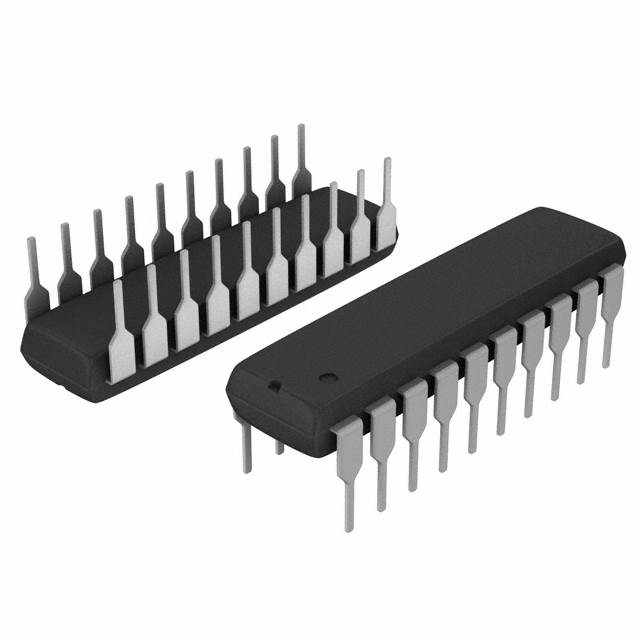
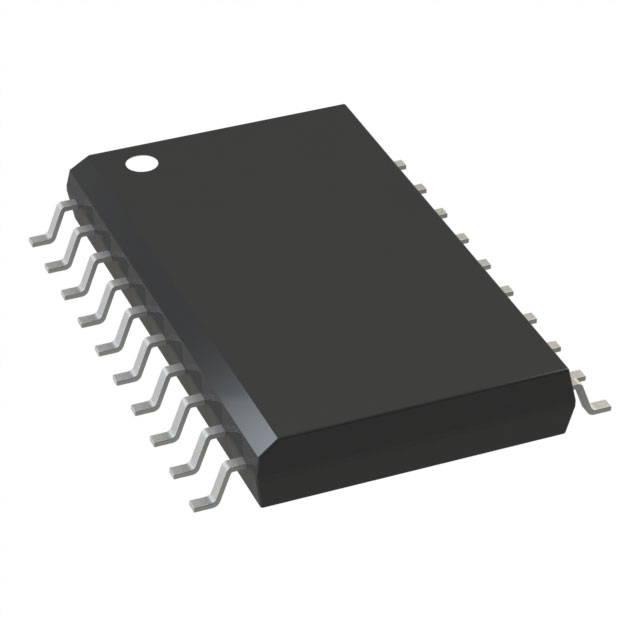
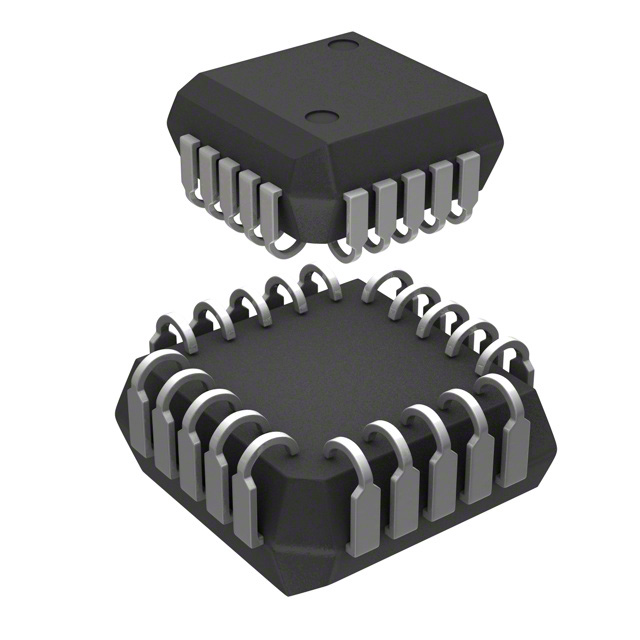
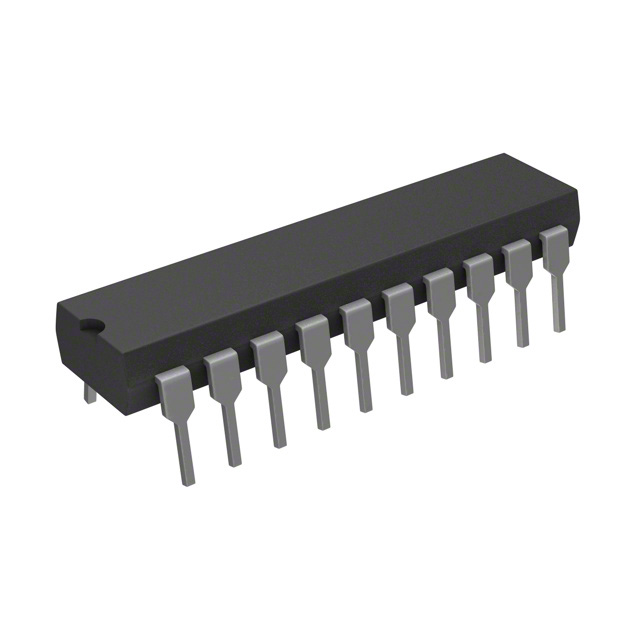
| Package / Case | 20-DIP |
| Package / Case | 7.62 mm |
| Package / Case | 0.3 in |
| Ratio - Input:Output | 1:8 |
| Supplier Device Package | 20-DIP |
| Switch Type | Latched Driver |
| Voltage - Load [Max] | 15 V |
Pricing
Prices provided here are for design reference only. For realtime values and availability, please visit the distributors directly
| Distributor | Package | Quantity | $ | |
|---|---|---|---|---|
Description
General part information
MIC59P60 Series
The MIC59P60 serial-input latched driver is a high-voltage (80V), high-current (500mA) integrated circuit comprised of eight CMOS data latches, a bipolar Darlington transistor driver for each latch, and CMOS control circuitry for the common CLEAR, STROBE, CLOCK, SERIAL DATA INPUT, and OUTPUT ENABLE functions. Similar to the MIC5842, additional protection circuitry supplied on this device includes thermal shutdown, under voltage lockout (UVLO), and over-current shutdown.
The bipolar/CMOS combination provides an extremely low-power latch with maximum interface flexibility. The MIC59P60 has open-collector outputs capable of sinking 500mA and integral diodes for inductive load transient suppression with a minimum output breakdown voltage rating of 80V (50V sustaining). The drivers can be operated with a split supply, where the negative supply is down to -20V and may be paralleled for higher load current capability.
Using a 5V logic supply, the MIC59P60 will typically operate at better than 5MHz. With a 12V logic supply, significantly higher speeds are obtained. The CMOS inputs are compatible with standard CMOS, PMOS, and NMOS circuits. TTL circuits may require pull-up resistors. By using the serial data output, drivers may be cascaded for interface applications requiring additional drive lines.
Documents
Technical documentation and resources