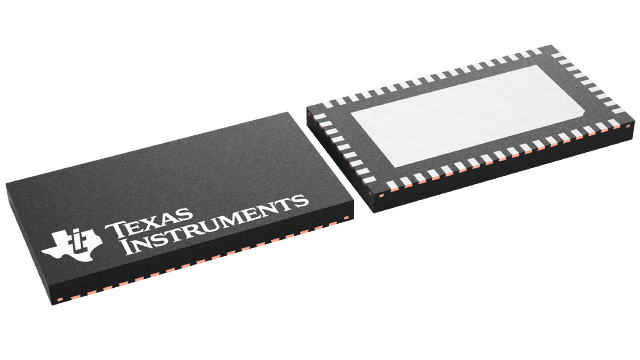
DS125BR401EVM
ObsoleteEVALUATION MODULE FOR DS125BR401
Deep-Dive with AI
Search across all available documentation for this part.
DS125BR401EVM
ObsoleteEVALUATION MODULE FOR DS125BR401
Deep-Dive with AI
Technical Specifications
Parameters and characteristics for this part
| Specification | DS125BR401EVM |
|---|---|
| Function | Cable Equalizer |
| Primary Attributes | 4-Channel (Quad) |
| Secondary Attributes | SMA Connectors |
| Supplied Contents | Board(s) |
| Type | Interface |
| Utilized IC / Part | DS125BR401 |
Pricing
Prices provided here are for design reference only. For realtime values and availability, please visit the distributors directly
| Distributor | Package | Quantity | $ | |
|---|---|---|---|---|
Description
General part information
DS125BR401A Series
The DS125BR401A is an extremely low-power high-performance repeater/redriver designed to support four lanes carrying high speed interface up to 12 Gbps. The B-Side receiver’s continuous time linear equalizers (CTLE) provide high frequency boost of up to +24 dB at 6 GHz (12 Gbps) and are capable of opening an input eye that is completely closed due to inter symbol interference (ISI) induced by interconnect medium such as backplane traces or twinaxial copper cables. The programmable equalization allows maximum flexibility in the physical placement within the interconnect channel. The A-Side channel has a 10 dB linear equalizer and linear output driver.
The A-Side channel has a settable 3-10 dB linear equalizer coupled to a linear output driver. When operating in SAS-3 and PCIe Gen-3 applications the DS125BR401A preserves transmit signal characteristics allowing the host controller and the end point to negotiate transmit equalizer coefficients. This transparency to the link training protocol aides system level interoperability and minimum latency.
The programmable settings can be applied easily via Terminals, software (SMBus or I2C), or loaded via an external EEPROM. In EEPROM mode, the configuration information is automatically loaded on power up, which eliminates the need for an external microprocessor or software driver.
Documents
Technical documentation and resources