T
Texas Instruments
| Series | Category | # Parts | Status | Description |
|---|---|---|---|---|
| Part | Spec A | Spec B | Spec C | Spec D | Description |
|---|---|---|---|---|---|



| Series | Category | # Parts | Status | Description |
|---|---|---|---|---|
| Part | Spec A | Spec B | Spec C | Spec D | Description |
|---|---|---|---|---|---|
| Part | Category | Description |
|---|---|---|
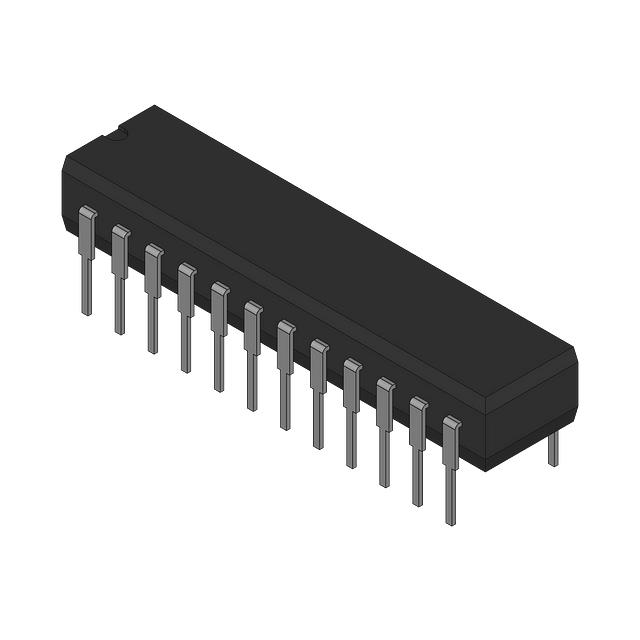 Texas Instruments | Integrated Circuits (ICs) | BUS DRIVER, BCT/FBT SERIES |
 Texas Instruments | Integrated Circuits (ICs) | 12BIT 3.3V~3.6V 210MHZ PARALLEL VQFN-48-EP(7X7) ANALOG TO DIGITAL CONVERTERS (ADC) ROHS |
Texas Instruments | Integrated Circuits (ICs) | TMX320DRE311 179PIN UBGA 200MHZ |
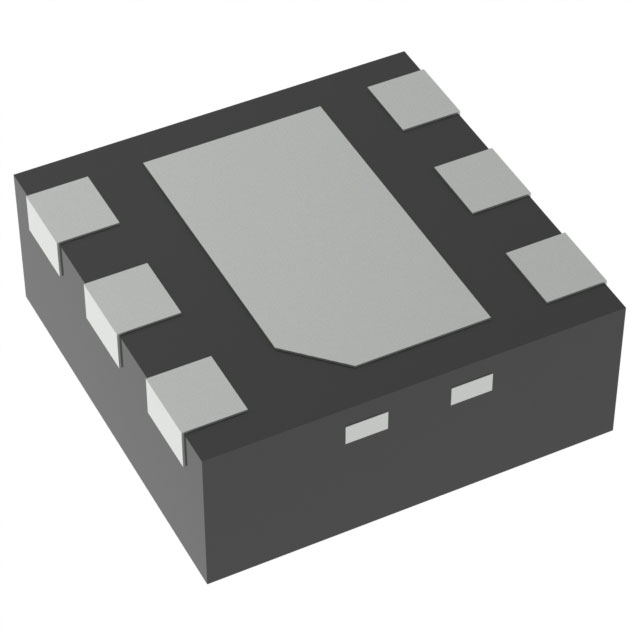 Texas Instruments TPS61040DRVTG4Unknown | Integrated Circuits (ICs) | IC LED DRV RGLTR PWM 350MA 6WSON |
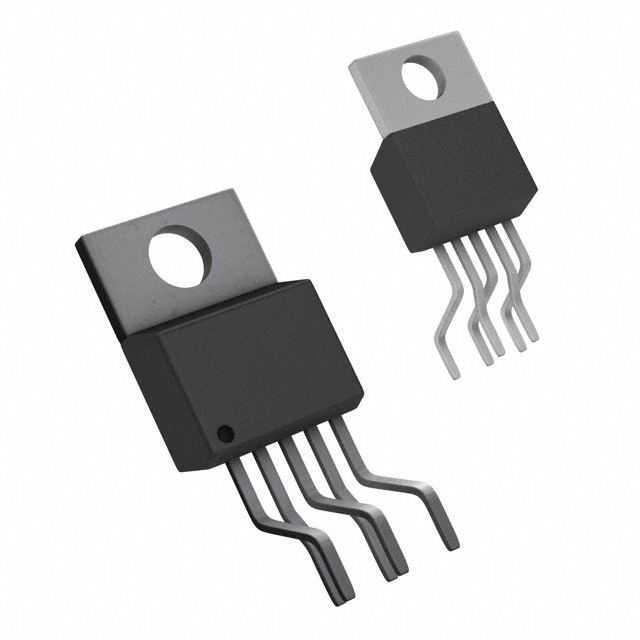 Texas Instruments LP3876ET-2.5Obsolete | Integrated Circuits (ICs) | IC REG LINEAR 2.5V 3A TO220-5 |
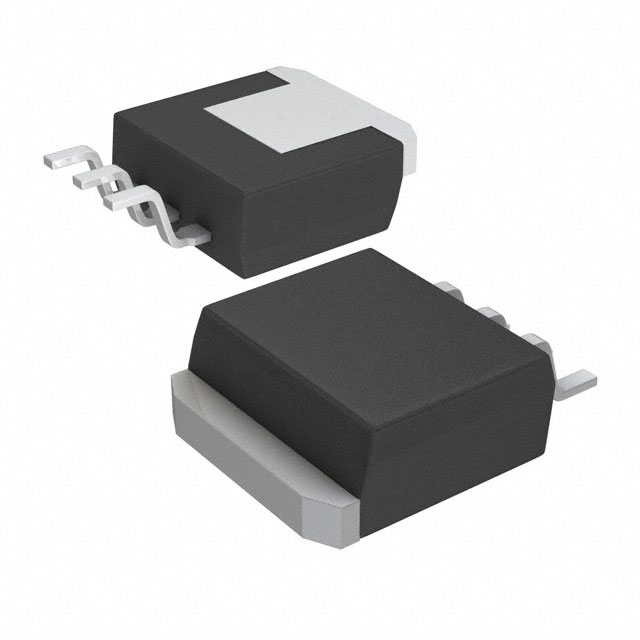 Texas Instruments LMS1585ACSX-ADJObsolete | Integrated Circuits (ICs) | IC REG LIN POS ADJ 5A DDPAK |
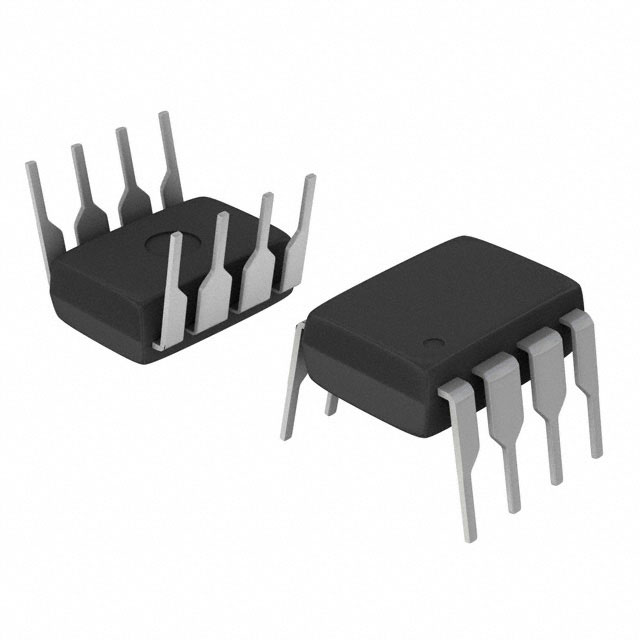 Texas Instruments INA111APG4Obsolete | Integrated Circuits (ICs) | IC INST AMP 1 CIRCUIT 8DIP |
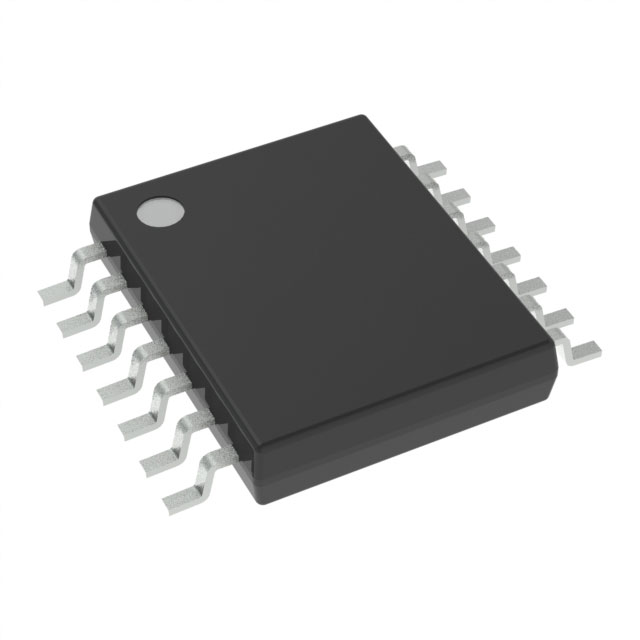 Texas Instruments | Integrated Circuits (ICs) | AUTOMOTIVE, QUAD 36V 1.2MHZ OPERATIONAL AMPLIFIER |
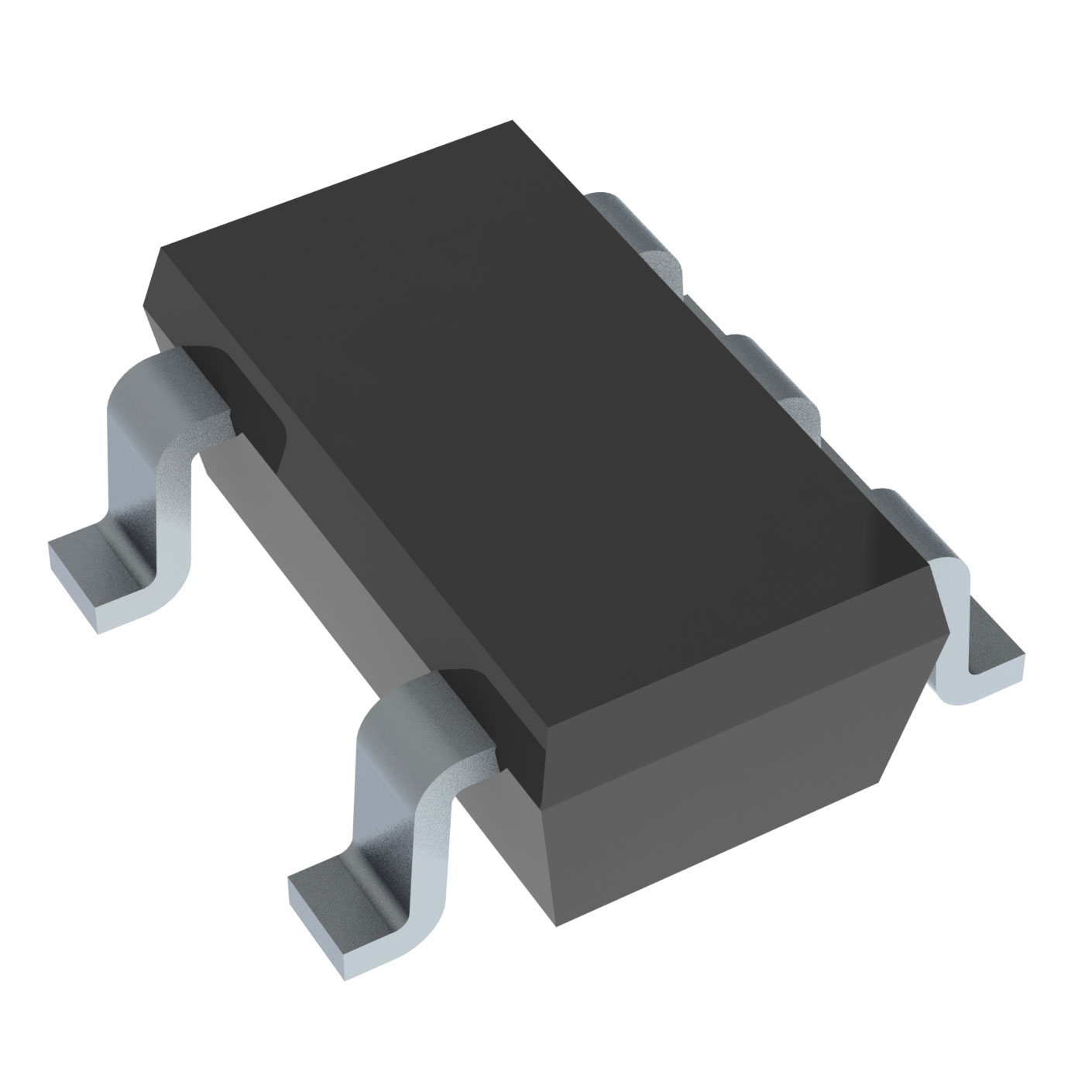 Texas Instruments OPA340NA/3KG4Unknown | Integrated Circuits (ICs) | IC OPAMP GP 1 CIRCUIT SOT23-5 |
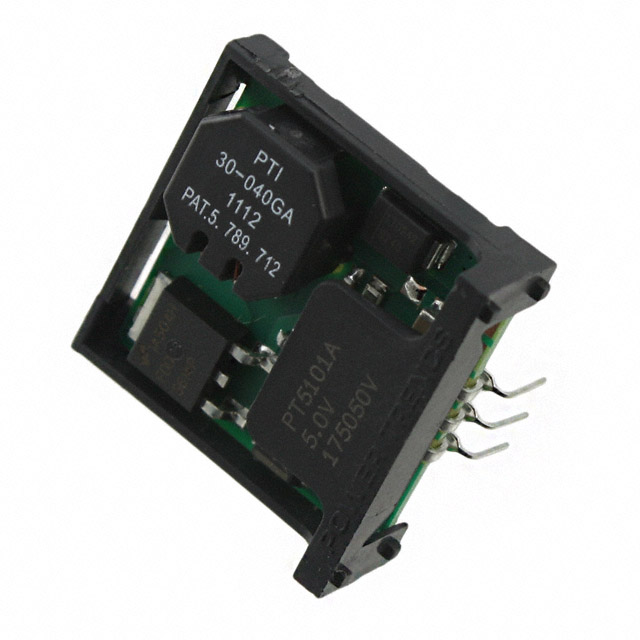 Texas Instruments PT5112AObsolete | Power Supplies - Board Mount | DC DC CONVERTER 8V 8W |
| Series | Category | # Parts | Status | Description |
|---|---|---|---|---|
| Power Management (PMIC) | 1 | Obsolete | ||
| Specialty Logic | 1 | Obsolete | ||
| Voltage Regulators - Linear, Low Drop Out (LDO) Regulators | 1 | Obsolete | ||
V62/12623Enhanced product Mixed Signal Microcontroller | Microcontrollers | 1 | Active | The Texas Instruments MSP430 family of ultra-low-power microcontrollers consist of several devices featuring different sets of peripherals targeted for various applications. The architecture, combined with five low-power modes is optimized to achieve extended battery life in portable measurement applications. The device features a powerful 16-bit RISC CPU, 16-bit registers, and constant generators that contribute to maximum code efficiency. The digitally controlled oscillator (DCO) allows wake-up from low-power modes to active mode in less than 1 µs.
The MSP430G2302 series of microcontrollers are ultra-low-power mixed signal microcontrollers with built-in 16-bit timers, and up to 16 I/O touch sense enabled pins and built-in communication capability using the universal serial communication interface. For configuration details, see . Typical applications include low-cost sensor systems that capture analog signals, convert them to digital values, and then process the data for display or for transmission to a host system.
The Texas Instruments MSP430 family of ultra-low-power microcontrollers consist of several devices featuring different sets of peripherals targeted for various applications. The architecture, combined with five low-power modes is optimized to achieve extended battery life in portable measurement applications. The device features a powerful 16-bit RISC CPU, 16-bit registers, and constant generators that contribute to maximum code efficiency. The digitally controlled oscillator (DCO) allows wake-up from low-power modes to active mode in less than 1 µs.
The MSP430G2302 series of microcontrollers are ultra-low-power mixed signal microcontrollers with built-in 16-bit timers, and up to 16 I/O touch sense enabled pins and built-in communication capability using the universal serial communication interface. For configuration details, see . Typical applications include low-cost sensor systems that capture analog signals, convert them to digital values, and then process the data for display or for transmission to a host system. |
V62/14608Enhanced product 25-MHz MCU with 256-KB flash, 16-KB SRAM, 12-bit ADC, DMA, UART/SPI/I2C, timer | Embedded | 1 | Active | The MSP430F5438A-EP is an ultralow-power microcontroller. The architecture, combined with extensive low-power modes, is optimized to achieve extended battery life in portable measurement applications. The device features a powerful 16-bit RISC CPU, 16-bit registers, and constant generators that contribute to maximum code efficiency. The digitally controlled oscillator (DCO) allows wake-up from low-power modes to active mode in 3.5 µs (typical).
The MSP430F5438A-EP is a microcontroller configuration with three 16-bit timers, a high performance 12-bit analog-to-digital (A/D) converter, up to four universal serial communication interfaces (USCI), hardware multiplier, DMA, real-time clock module with alarm capabilities, and up to 87 I/O pins.
Typical applications for this device include analog and digital sensor systems, digital motor control, remote controls, thermostats, digital timers, and hand-held meters.
The MSP430F5438A-EP is an ultralow-power microcontroller. The architecture, combined with extensive low-power modes, is optimized to achieve extended battery life in portable measurement applications. The device features a powerful 16-bit RISC CPU, 16-bit registers, and constant generators that contribute to maximum code efficiency. The digitally controlled oscillator (DCO) allows wake-up from low-power modes to active mode in 3.5 µs (typical).
The MSP430F5438A-EP is a microcontroller configuration with three 16-bit timers, a high performance 12-bit analog-to-digital (A/D) converter, up to four universal serial communication interfaces (USCI), hardware multiplier, DMA, real-time clock module with alarm capabilities, and up to 87 I/O pins.
Typical applications for this device include analog and digital sensor systems, digital motor control, remote controls, thermostats, digital timers, and hand-held meters. |
V62/15604TPS57140-EP 1.5-A 42-V STEP-DOWN DC-DC CONVERTER WITH Eco-mode™ CONTROL | Power Management (PMIC) | 1 | Active | The TPS57140-EP device is a 42-V, 1.5-A step-down regulator with an integrated high-side MOSFET. Current-mode control provides simple external compensation and flexible component selection. A low-ripple pulse-skip mode reduces the no-load, regulated output supply current to 116 µA. Using the enable pin reduces the shutdown supply current to 1.5 µA.
UVLO is internally set at 2.5 V, but can be increased using the enable pin. The slow-start pin, which is also configurable for sequencing or tracking, controls the output voltage start-up ramp. An open-drain power-good signal indicates the output is within 92% to 109% of its nominal voltage.
A wide switching-frequency range allows optimization of efficiency and external component size. Frequency foldback and thermal shutdown protect the part during an overload condition.
The TPS57140-EP is available in a 10-pin VSON package (DRC).
The TPS57140-EP device is a 42-V, 1.5-A step-down regulator with an integrated high-side MOSFET. Current-mode control provides simple external compensation and flexible component selection. A low-ripple pulse-skip mode reduces the no-load, regulated output supply current to 116 µA. Using the enable pin reduces the shutdown supply current to 1.5 µA.
UVLO is internally set at 2.5 V, but can be increased using the enable pin. The slow-start pin, which is also configurable for sequencing or tracking, controls the output voltage start-up ramp. An open-drain power-good signal indicates the output is within 92% to 109% of its nominal voltage.
A wide switching-frequency range allows optimization of efficiency and external component size. Frequency foldback and thermal shutdown protect the part during an overload condition.
The TPS57140-EP is available in a 10-pin VSON package (DRC). |
V62/1662716 MHz ULP microcontroller reaturing 128 KB FRAM, 2 KB SRAM, 48 IO, ADC12, Scan IF, AES | Integrated Circuits (ICs) | 1 | Active | The MSP430™ ultra-low-power (ULP) FRAM platform combines uniquely embedded FRAM and a holistic ultra-low-power system architecture, allowing innovators to increase performance at lowered energy budgets. FRAM technology combines the speed, flexibility, and endurance of SRAM with the stability and reliability of flash at much lower power.
The MSP430 ULP FRAM portfolio consists of a diverse set of devices that feature FRAM, the ULP 16-bit MSP430 CPU, and intelligent peripherals targeted for various applications. The ULP architecture showcases seven low-power modes, which are optimized to achieve extended battery life in energy-challenged applications.
As a high reliability enhanced product, with controlled baseline, extended temperature range (–55°C to 95°C) and gold bond wires in the package, this device is uniquely suited to mission critical applications.
The MSP430™ ultra-low-power (ULP) FRAM platform combines uniquely embedded FRAM and a holistic ultra-low-power system architecture, allowing innovators to increase performance at lowered energy budgets. FRAM technology combines the speed, flexibility, and endurance of SRAM with the stability and reliability of flash at much lower power.
The MSP430 ULP FRAM portfolio consists of a diverse set of devices that feature FRAM, the ULP 16-bit MSP430 CPU, and intelligent peripherals targeted for various applications. The ULP architecture showcases seven low-power modes, which are optimized to achieve extended battery life in energy-challenged applications.
As a high reliability enhanced product, with controlled baseline, extended temperature range (–55°C to 95°C) and gold bond wires in the package, this device is uniquely suited to mission critical applications. |
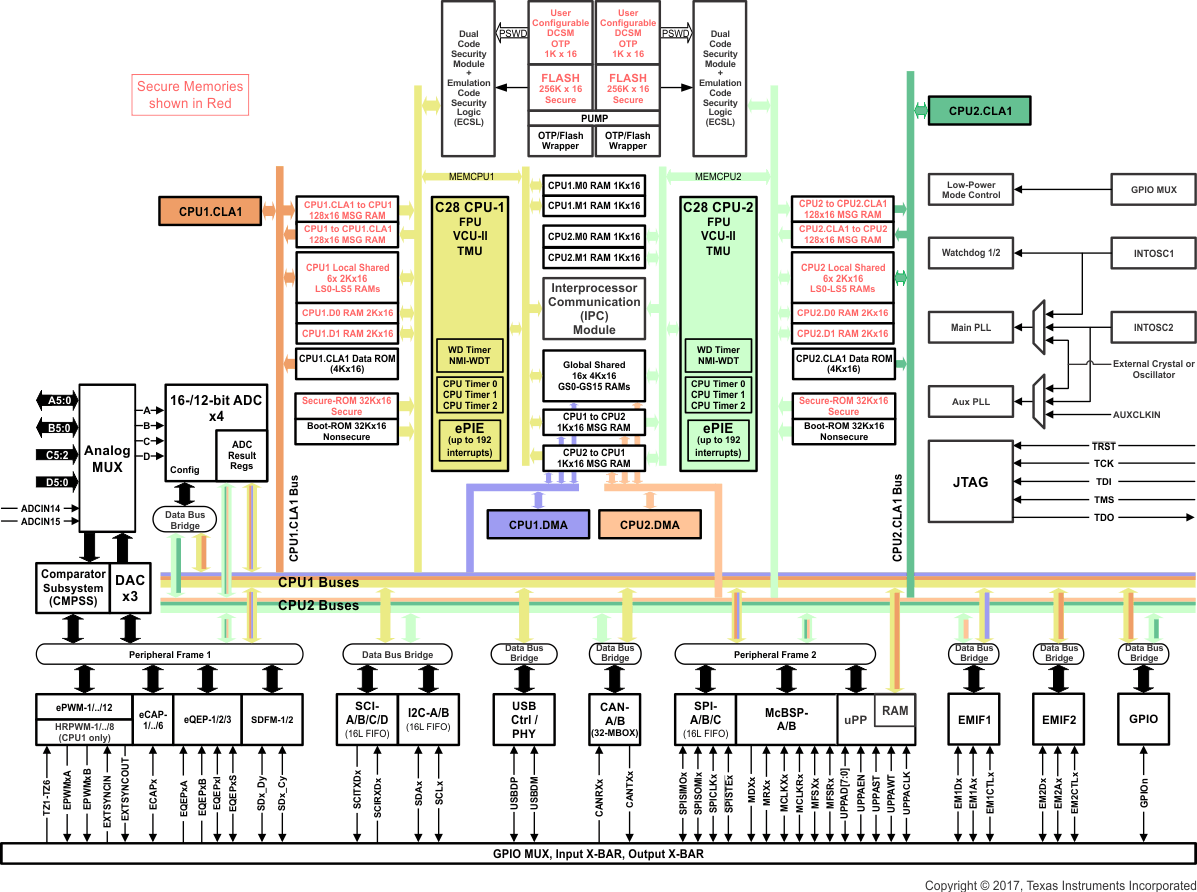
V62/18601C2000™ Enhanced Product 32-bit MCU with 800 MIPS, 2xCPU, 2xCLA, FPU, TMU, 1 MB flash, EMIF, 16b ADC | Embedded | 1 | Active | The Delfino™ TMS320F28377D-EP is a powerful 32-bit floating-point microcontroller unit (MCU) designed for advanced closed-loop control applications such asindustrial drives and servo motor control;solar inverters and converters;digital power;transportation; andpower line communications. Complete development packages for digital power and industrial drives are available as part of thepowerSUITEandDesignDRIVEinitiatives. While the Delfino product line is not new to the TMS320C2000™ portfolio, the F28377D supports a new dual-core C28x architecture that significantly boosts system performance. The integrated analog and control peripherals also let designers consolidate control architectures and eliminate multiprocessor use in high-end systems.
The dual real-time control subsystems are based on TI’s 32-bit C28x floating-point CPUs, which provide 200 MHz of signal processing performance in each core. The C28x CPUs are further boosted by the new TMU accelerator, which enables fast execution of algorithms with trigonometric operations common in transforms and torque loop calculations; and the VCU accelerator, which reduces the time for complex math operations common in encoded applications.
The F28377D microcontroller features two CLA real-time control coprocessors. The CLA is an independent 32-bit floating-point processor that runs at the same speed as the main CPU. The CLA responds to peripheral triggers and executes code concurrently with the main C28x CPU. This parallel processing capability can effectively double the computational performance of a real-time control system. By using the CLA to service time-critical functions, the main C28x CPU is free to perform other tasks, such as communications and diagnostics. The dual C28x+CLA architecture enables intelligent partitioning between various system tasks. For example, one C28x+CLA core can be used to track speed and position, while the other C28x+CLA core can be used to control torque and current loops.
The TMS320F28377D-EP supports 1MB (512KW) of onboard flash memory with error correction code (ECC) and 204KB (102KW) of SRAM. Two 128-bit secure zones are also available on each CPU for code protection.
Performance analog and control peripherals are also integrated on the F28377D MCU to further enable system consolidation. Four independent 16-bit ADCs provide precise and efficient management of multiple analog signals, which ultimately boosts system throughput. The new sigma-delta filter module (SDFM) works in conjunction with the sigma-delta modulator to enable isolated current shunt measurements. The Comparator Subsystem (CMPSS) with windowed comparators allows for protection of power stages when current limit conditions are exceeded or not met. Other analog and control peripherals include DACs, PWMs, eCAPs, eQEPs, and other peripherals.
Peripherals such as EMIFs, CAN modules (ISO 11898-1/CAN 2.0B-compliant), and a new uPP interface extend the connectivity of the F28377D. The uPP interface is a new feature of the C2000™ MCUs and supports high-speed parallel connection to FPGAs or other processors with similar uPP interfaces. Lastly, a USB 2.0 port with MAC and PHY lets users easily add universal serial bus (USB) connectivity to their application.
The Delfino™ TMS320F28377D-EP is a powerful 32-bit floating-point microcontroller unit (MCU) designed for advanced closed-loop control applications such asindustrial drives and servo motor control;solar inverters and converters;digital power;transportation; andpower line communications. Complete development packages for digital power and industrial drives are available as part of thepowerSUITEandDesignDRIVEinitiatives. While the Delfino product line is not new to the TMS320C2000™ portfolio, the F28377D supports a new dual-core C28x architecture that significantly boosts system performance. The integrated analog and control peripherals also let designers consolidate control architectures and eliminate multiprocessor use in high-end systems.
The dual real-time control subsystems are based on TI’s 32-bit C28x floating-point CPUs, which provide 200 MHz of signal processing performance in each core. The C28x CPUs are further boosted by the new TMU accelerator, which enables fast execution of algorithms with trigonometric operations common in transforms and torque loop calculations; and the VCU accelerator, which reduces the time for complex math operations common in encoded applications.
The F28377D microcontroller features two CLA real-time control coprocessors. The CLA is an independent 32-bit floating-point processor that runs at the same speed as the main CPU. The CLA responds to peripheral triggers and executes code concurrently with the main C28x CPU. This parallel processing capability can effectively double the computational performance of a real-time control system. By using the CLA to service time-critical functions, the main C28x CPU is free to perform other tasks, such as communications and diagnostics. The dual C28x+CLA architecture enables intelligent partitioning between various system tasks. For example, one C28x+CLA core can be used to track speed and position, while the other C28x+CLA core can be used to control torque and current loops.
The TMS320F28377D-EP supports 1MB (512KW) of onboard flash memory with error correction code (ECC) and 204KB (102KW) of SRAM. Two 128-bit secure zones are also available on each CPU for code protection.
Performance analog and control peripherals are also integrated on the F28377D MCU to further enable system consolidation. Four independent 16-bit ADCs provide precise and efficient management of multiple analog signals, which ultimately boosts system throughput. The new sigma-delta filter module (SDFM) works in conjunction with the sigma-delta modulator to enable isolated current shunt measurements. The Comparator Subsystem (CMPSS) with windowed comparators allows for protection of power stages when current limit conditions are exceeded or not met. Other analog and control peripherals include DACs, PWMs, eCAPs, eQEPs, and other peripherals.
Peripherals such as EMIFs, CAN modules (ISO 11898-1/CAN 2.0B-compliant), and a new uPP interface extend the connectivity of the F28377D. The uPP interface is a new feature of the C2000™ MCUs and supports high-speed parallel connection to FPGAs or other processors with similar uPP interfaces. Lastly, a USB 2.0 port with MAC and PHY lets users easily add universal serial bus (USB) connectivity to their application. |
| Isolators | 1 | Active | ||
| Integrated Circuits (ICs) | 1 | Active | ||